

Wisconsin
Wisconsin is one of the leading potato-producing regions in the United States and has a well-developed industry serving fresh-market, processing, chip and seed markets. Potato production is concentrated particularly in central Wisconsin, although growers and potato related businesses are represented across the state. In 2024, Wisconsin produced about 43 million cwt of potatoes, ranking third nationally. The state's combination of suitable soils, a favorable growing season and established potato infrastructure supports large-scale commercial production.
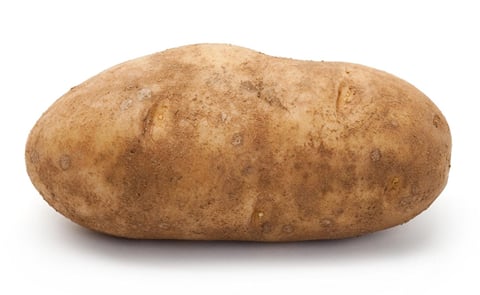
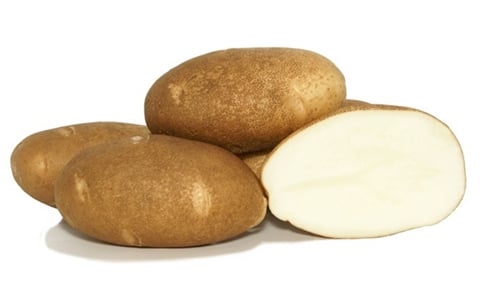
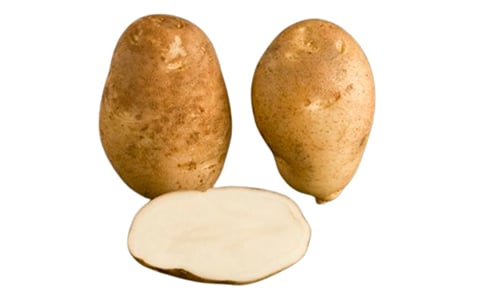
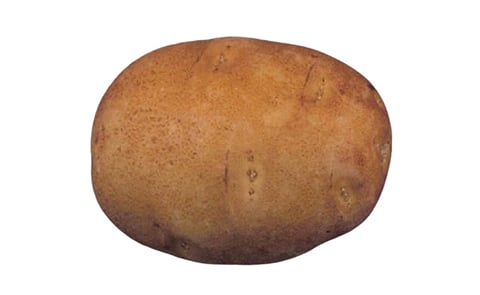
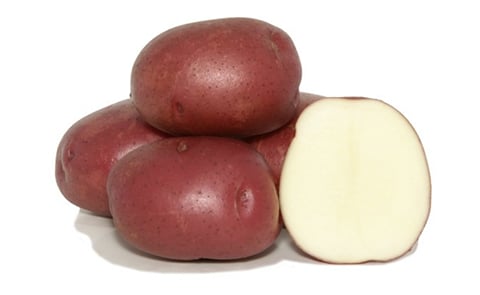
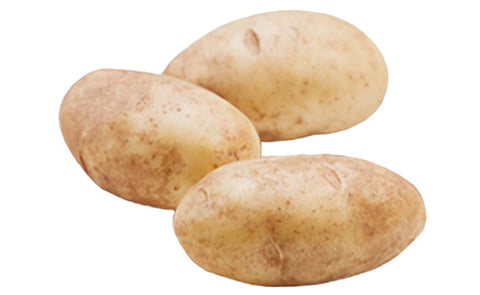
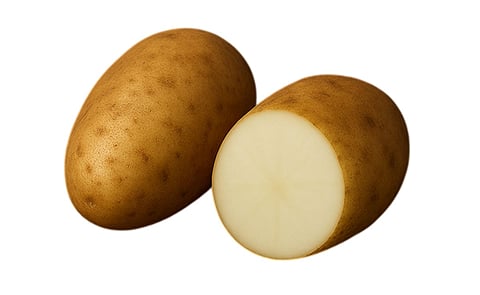
The state produces a broad range of potato market classes, including russet, red, yellow, white, fingerling and blue or purple potatoes. Wisconsin's industry has a strong connection with processing, with varieties selected for French fries, chips, dehydrated products and other food applications alongside fresh-market potatoes. Important varieties grown or evaluated in Wisconsin include Russet Burbank, Goldrush, Silverton, Norkotah, Ranger, Shepody, Plover Russet, Dark Red Norland and Snowden. Research and variety development involving the University of Wisconsin and other industry organizations continue to improve yield, quality, disease management and market suitability.
Wisconsin's potato production is supported by a substantial research, marketing and processing network. Long-term field research at the Hancock Agricultural Research Station has examined potato growth, tuber development and management under Wisconsin conditions, including extensive work with Russet Burbank. The state's growers also benefit from organized industry promotion and research through the Wisconsin Potato Industry Board and the Wisconsin Potato and Vegetable Growers Association. These institutions have helped strengthen production efficiency, variety development, education and market development.
Potato growing became an important agricultural activity in Wisconsin as commercial vegetable production expanded across the state. By the mid-20th century, the industry had developed enough scale to support a dedicated grower organization. In 1948, growers established what became the Wisconsin Potato and Vegetable Growers Association, when Wisconsin potato yields averaged about 96 cwt per acre and approximately 78,000 acres were planted to potatoes. The organization was created to represent growers, promote the crop and address the industry's production and marketing needs.
Over the following decades, Wisconsin's potato industry became increasingly productive and technologically advanced. Yields rose substantially through improved cultivars, crop management, research and production practices, while the industry developed strong links with processing and fresh markets. By 2023, Wisconsin growers harvested about 67,500 acres and produced 28.35 million cwt, while 2024 production reached approximately 43 million cwt, according to Wisconsin's Department of Agriculture, Trade and Consumer Protection. Today, Wisconsin remains one of the country's major potato producing states and an important center for potato research, seed production, processing and fresh-market supply.
Make This Page Even Better!
This content was last updated on September 12, 2026
Have a helpful detail to contribute? Catch something that should be corrected?