

Victoria
Victoria is one of Australia’s historically important potato producing states and remains a major contributor to the national potato industry. The state produced about 263,570 tonnes of potatoes in 2022–23, representing approximately 18% of Australia’s production, with a farm gate value of around USD186.2 million. Victoria’s importance is supported by a combination of productive soils, suitable climatic conditions, irrigation infrastructure and established fresh market, processing and seed potato industries.
Potatoes are cultivated across several Victorian production environments, including the Koo Wee Rup–Cardinia area, Gippsland, the Yarra Valley and highland districts around Toolangi, as well as other vegetable growing regions. The Koo Wee Rup district became particularly important after the drainage and reclamation of former swamp land, with potatoes eventually replacing dairying as a major land use. Toolangi, in the state's higher rainfall mountain country, became especially significant for seed production and potato research.
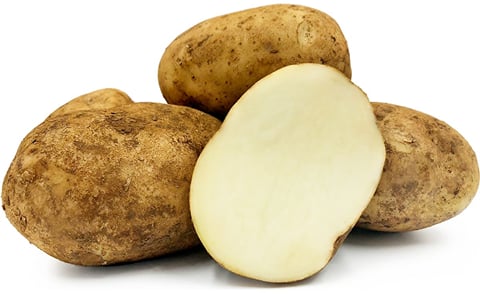
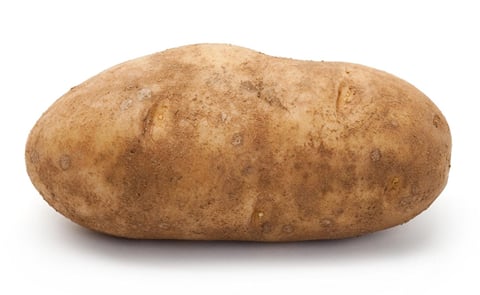
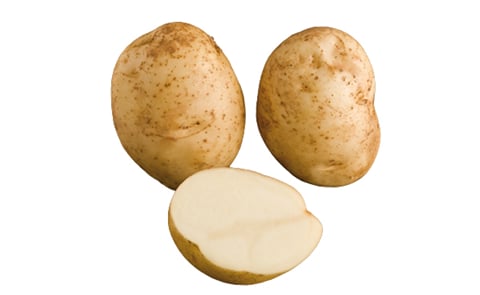
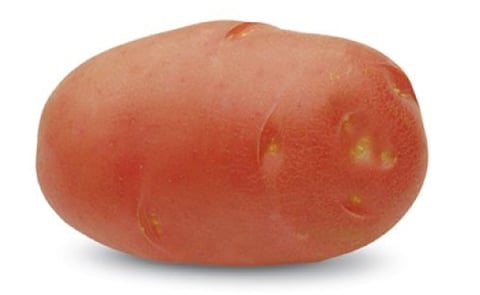
Victoria's potato sector supplies both the fresh market and processing industries, including potatoes for chips and crisps. The state has also played an important role in Australia's potato breeding, variety evaluation and seed quality systems. Victorian production has historically included varieties such as Sebago, Coliban, Kennebec, Desiree, Atlantic, Russet Burbank and Shepody, while modern production uses cultivars selected for fresh market quality, French fries, crisping and other specialized markets.
Potatoes arrived in Australia with the First Fleet in 1788 and the crop gradually became an important food and commercial crop. Victoria subsequently developed into one of the country's leading potato producing states. Historical Australian Bureau of Statistics data show that Victoria and Tasmania were the dominant potato producing states for much of Australia's modern potato history. Victorian production reached a historical peak in 1988, after which production gradually declined as production expanded in other states, particularly South Australia.
The development of the Victorian seed potato industry was particularly important. The Victorian Department of Agriculture established a Certified Seed Potato Scheme in 1937, initially using visual inspection to reduce virus problems. In the 1940s, the Potato Research Station at Toolangi was established to address declining yields, improve seed quality and develop better varieties. From the 1960s onward, pathogen tested mother stocks, protected multiplication and improved certification substantially strengthened seed production. Victoria's research and certification infrastructure subsequently became important to the wider Australian potato industry, with AuSPICA now providing seed potato certification services in Victoria and other Australian production regions.

Make This Page Even Better!
This content was last updated on October 7, 2026
Have a helpful detail to contribute? Catch something that should be corrected?