
Maine
Maine is one of the United States’ most historically important potato producing regions, with production concentrated overwhelmingly in northern Maine, particularly Aroostook County. The county’s cool growing conditions, fertile glacial soils and relatively long summer days provide favorable conditions for producing high-quality potatoes. Maine grows potatoes for fresh markets, French fries, chips and certified seed, with Aroostook County remaining the center of the state’s commercial potato industry.
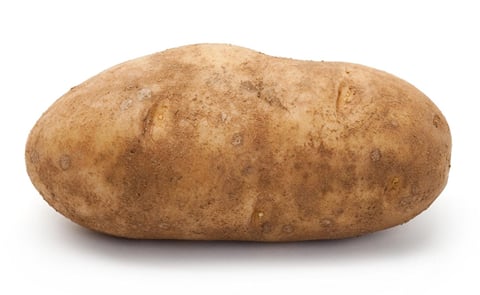
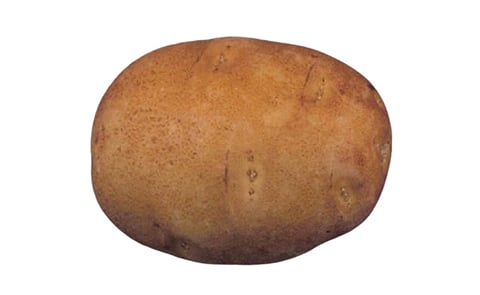
Aroostook County dominates Maine’s potato landscape and is characterized by broad, mechanized farms, large storage facilities and a well-established potato supply chain. The region produces both table-stock and processing potatoes, while certified seed production is also an important component of the industry. Modern production has increasingly included russet varieties alongside traditional white potatoes, reflecting demand from fresh and processing markets.
Maine’s potato industry is supported by extensive research and breeding activities, particularly through the University of Maine and its Aroostook Farm research facility in Presque Isle. Research has addressed potato diseases, insect pests, fertility, variety performance and processing characteristics. Recent breeding efforts have produced varieties such as Caribou Russet, while established varieties including Russet Burbank, Lamoka, Atlantic and Waneta continue to serve different market segments.
Potatoes were being grown in Maine by the eighteenth century and commercial production expanded substantially during the nineteenth century. Aroostook County emerged as the state’s major potato region because its fertile soils and northern climate were particularly well suited to the crop. The development of transportation infrastructure was decisive: the arrival of railroads in northern Maine during the late nineteenth century connected Aroostook farms with markets outside the region and helped transform potatoes from a local crop into a major commercial industry. By the late 1800s, potato acreage and processing capacity had expanded rapidly, including production for potato starch.
Maine became the leading U.S. potato producing state during the early twentieth century and retained that position into the mid-1950s, when Idaho surpassed it. The industry subsequently changed as consumer demand shifted toward russet potatoes and processed products, while production in Maine declined from its earlier peak. Variety development nevertheless remained important: Katahdin became a major Maine variety after its release in 1932, followed by varieties such as Sebago and Atlantic. More recently, University of Maine breeding has produced newer cultivars such as Caribou Russet, demonstrating the continuing importance of research and variety improvement to Maine’s potato industry.