

South America
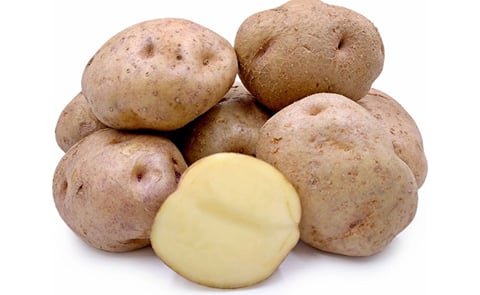
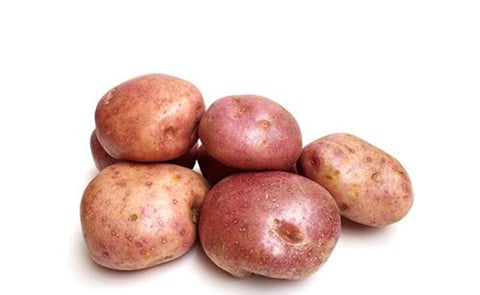
South America is the center of origin and domestication of the potato (Solanum tuberosum) and remains one of the world's most important regions for potato biodiversity. The crop was domesticated in the Andes thousands of years ago, particularly around the Lake Titicaca region of present-day Peru and Bolivia. Today, the Andean highlands of Peru, Bolivia and Ecuador contain more than 4,000 native potato varieties, representing an extraordinary range of colors, shapes, sizes, flavors and adaptations to altitude and climate.
Potato production in South America extends from the Andean highlands into the southern and coastal production areas of countries including Peru, Bolivia, Ecuador, Colombia, Chile, Argentina and Brazil. The crop is particularly important to smallholder and family farming systems in the Andes, where potatoes are cultivated across highly variable elevations and environments. Traditional farmers maintain diverse native varieties for household consumption, local trade and cultural purposes, while commercial production has expanded through improved varieties, irrigation, mechanization and modern crop-management practices. South America also contains important wild potato diversity extending across several countries, providing genetic resources for breeding and adaptation to pests, diseases and changing climates.
The region's potato sector combines ancient agricultural knowledge with modern commercial production and research. In the high Andes, farmers continue to conserve native varieties and traditional products such as chuño, a freeze-dried potato that can be stored for long periods. Chile's Chiloé Archipelago is another major center of potato diversity and has been recognized by FAO for its agricultural heritage and role in conserving potato genetic resources. Beyond its economic importance, South America's potato heritage is closely connected with food security, Indigenous cultures, biodiversity conservation and the development of potato varieties used around the world.
The history of the potato in South America reaches back approximately 8,000 years, when early communities living around the high-altitude Lake Titicaca region began domesticating wild potato plants. Over thousands of years, Andean farmers selected plants with desirable characteristics and developed varieties adapted to frost, short growing seasons, high elevations and different soils. Potato cultivation subsequently became deeply integrated into Andean societies, including cultures associated with the Lake Titicaca region and later the Inca civilization. The crop's diversity expanded through farmer selection, exchange and cultivation across different ecological zones of the Andes.
The potato remained primarily a South American crop until the 16th century, when Spanish explorers and colonists encountered it in the Andes and transported it to Europe. From Europe it eventually spread throughout the world, becoming one of the most important food crops globally. South America nevertheless remained the genetic and cultural heartland of the crop, preserving thousands of native varieties and wild relatives that are valuable for modern breeding. Today, the Andean region continues to serve as a major reservoir of potato genetic diversity, while institutions such as the International Potato Center in Peru work with farmers and researchers to conserve and use this heritage for future food security.








Make This Page Even Better!
This content was last updated on October 6, 2026
Have a helpful detail to contribute? Catch something that should be corrected?