

Pretzels: An Introduction to a Timeless Baked Snack
What Are Pretzels?
Pretzels are a versatile baked snack made from a simple dough that is twisted into distinctive knot-like shapes and recognized by their shiny, golden-brown surface and signature salty crust. At their core, pretzels are prepared using flour, water, yeast and salt. What sets them apart from other baked snacks is a brief dip in an alkaline solution traditionally food-grade lye (sodium hydroxide) or more commonly in commercial production, baking soda before baking.
This alkaline treatment triggers a unique chemical reaction that accelerates Maillard browning, resulting in the pretzels characteristic deep color, glossy finish and robust flavor. Unlike many snacks, pretzels can be soft and chewy or hard and crunchy, making them suitable for both freshly baked consumption and long-shelf-life packaged formats. The classic pretzel shape is often said to resemble arms folded in prayer, reflecting its monastic origins, while modern variations include sticks, bites, twists and filled pretzels. From a food science perspective the alkaline dip raises the doughs surface pH, enhances starch gelatinization and improves crust texture and flavor development.
Why Pretzels Are a Globally Popular Baked Snack?
Pretzels enjoy worldwide popularity due to their balance of texture, flavor and convenience. They deliver a satisfying crunch or chew without the heaviness or oiliness associated with fried snacks, positioning them as a relatively low-fat, “better-for-you” option for health-conscious consumers.
Culturally, pretzels transcend borders. In the United States, they are a staple at sports events and convenience stores; in Germany, traditional Laugenbrezeln are closely tied to beer culture and in Asian markets, pretzels are increasingly embraced as fusion snacks with innovative flavors. With the global pretzel market valued at approximately USD 7.16 billion in 2024, steady growth is driven by urban lifestyles, rising disposable incomes and demand for convenient baked snacks. Hard pretzels in particular, dominate the category holding around 57% market share largely due to their long shelf life and suitability for retail distribution.
Hard vs. Soft Pretzels: Key Differences
Soft pretzels are fresh-baked products known for their pillowy interior and chewy crust. Typically consumed warm, they are popular in foodservice environments such as malls, bakeries and sports venues. Their higher moisture content (approximately 30–40%) gives them elasticity and softness but limits shelf life, reinforcing their artisanal and freshly prepared appeal.
Hard pretzels, by contrast, undergo extended baking or dehydration to significantly reduce moisture content, allowing for a shelf life of up to 12 months. This process produces a crisp, brittle texture ideal for packaged, on-the-go snacking. While soft pretzels are gaining traction in quick-service restaurants and specialty outlets, hard pretzels continue to dominate retail shelves due to their convenience, portability and wide range of flavors and formats.
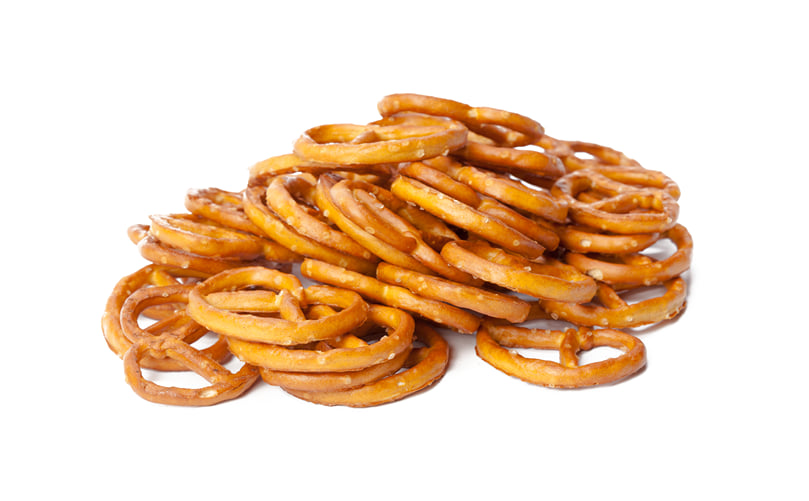
Traditional Pretzel with Characteristic Alkaline-Baked Crust
Pretzels Through History: Origins and Global Evolution
European Roots: German and French Influence
The pretzels origins trace back to early medieval Europe, around 610 AD, when monks in Italy or southern France are believed to have shaped the first pretzels from leftover dough. These early versions, reportedly called pretiola or bracellae (“little arms”), were given to children as rewards for learning prayers. Their distinctive shape resembling arms crossed in prayer helped the snack spread across Christian communities.
By the 12th century, pretzels had firmly taken root in southern Germany, which became the center of pretzel culture. Bavarian bakers refined production techniques, most notably introducing the alkaline dip that created the signature dark, glossy crust. In parallel, monasteries in eastern France, particularly in regions such as Lorraine and Alsace, developed their own knotted bread traditions, influencing related baked goods. Some historical interpretations suggest the twisted form may also echo earlier pre-Christian bread symbolism, later adapted into Christian iconography. By the 16th century, pretzels were an established part of German baking guilds, with documented regulation of their production, including references to organized baker associations in the early 1500s.
Symbolism and Traditional Consumption
Beyond their role as food, pretzels carried strong symbolic meaning in medieval Europe. The three-looped knot was often associated with the Holy Trinity, while the overall form symbolized prayer, unity and good fortune. In German-speaking regions, pretzels were closely linked to Lent and Easter, distributed as charitable offerings and incorporated into religious observances.
Pretzels also featured prominently in social and ceremonial traditions. In some areas, they were shared at weddings as symbols of prosperity and marital unity. Traditionally baked in wood-fired ovens, pretzels were consumed fresh, commonly served with mustard, butter or cheese. In Bavaria, their pairing with beer became a cornerstone of beer garden culture a tradition that continues today, particularly during Oktoberfest. Neighboring regions such as Switzerland developed local variants (Bretzeln), often incorporating regional grains and baking styles.
How Pretzels Evolved into a Commercial Snack
Pretzels crossed the Atlantic in the 18th century with German immigrants, commonly referred to as the Pennsylvania Dutch, who settled in Pennsylvania around 1710. These communities preserved traditional pretzel-making practices, laying the foundation for the American pretzel industry. A major milestone came in 1861, when the Sturgis family established what is widely recognized as the first commercial pretzel bakery in the United States.
The late 19th century brought industrialization, introducing mechanized twisting, controlled baking and drying techniques that enabled mass production. During this period, bakers developed hard pretzels by reducing moisture content, significantly extending shelf life and making pretzels suitable for long-distance transport. In the 20th century, advances in packaging, combined with shifting consumer habits, helped pretzels gain prominence as a packaged snack. Even during periods of cultural sensitivity such as World War I and prohibition pretzels adapted and remained popular, often rebranded to suit market conditions.
Today, pretzels represent a blend of tradition and industrial scalability, produced by both artisanal bakeries and multinational manufacturers. The United States remains a dominant force in the global pretzel industry, accounting for a substantial share of hard pretzel production, while European regions continue to uphold strong soft pretzel traditions rooted in centuries of history.
Major Types of Pretzels and Their Characteristics
Pretzels are available in a wide range of forms, textures and flavors, reflecting their evolution from traditional European bakery items to globally popular snack foods. This diversity arises from variations in moisture content, shaping methods, baking techniques and regional preferences. As a result, pretzels function as versatile carriers for both classic seasonings and innovative flavor profiles. Below is a structured overview of the main pretzel categories, integrating historical context with modern commercial practices.
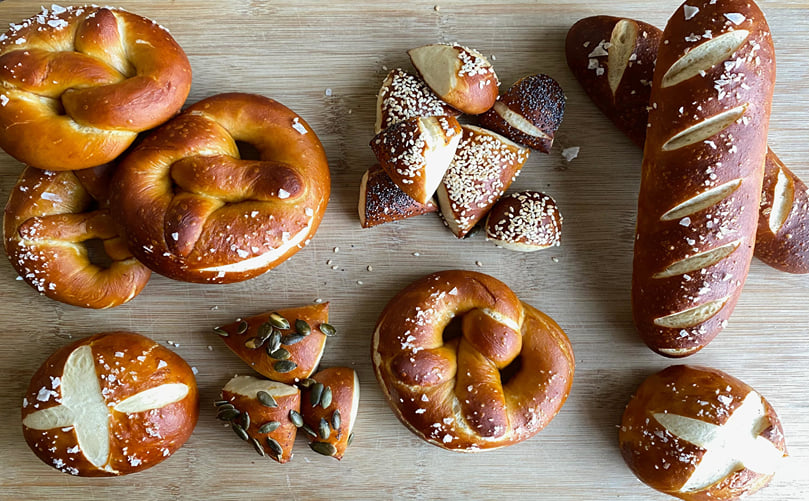
Main Pretzel Formats in Commercial Markets
Soft Pretzels (Fresh-Baked, Foodservice-Oriented)
Soft pretzels are valued for their tender, chewy interior and lightly crisp exterior. They are typically consumed warm and freshly baked, making them a staple in foodservice settings such as stadiums, shopping malls, bakeries and quick-service restaurants (QSRs). Their higher moisture content generally around 30–40% contributes to elasticity and softness, often enhanced through high-hydration doughs and steam-assisted baking.
Common shapes include the classic knot, elongated sticks designed for dipping and braided or looped forms for visual appeal. Toppings range from coarse pretzel salt to sweet coatings such as cinnamon sugar or glazed finishes. In North America, brands like Auntie Anne’s popularized soft pretzel twists, nuggets and filled bites for on-the-go consumption.
In Europe, particularly Germany, Bavarian-style Laugenbrezeln are characterized by thicker arms, a darker crust from lye treatment and malt additions and a chewy crumb. These are often split and buttered or served alongside sausages. Soft pretzels represent a growing segment, supported by consumer demand for fresh, customizable and on-site baked snack formats.
Hard Pretzels (Retail Snack, Long Shelf Life)
Hard pretzels are produced through extended baking or post-bake drying to reduce moisture content to below 5%, resulting in a crisp texture and long shelf life of 6–12 months. This stability makes them well suited for retail distribution, vending and bulk packaging.
Traditional hard pretzel shapes include compact twists, rods (sticks) optimized for dipping and bite-sized nuggets. Large-scale manufacturers such as Snyder’s of Hanover and Rold Gold have driven category dominance, with hard pretzels accounting for approximately 57% of the global pretzel market due to their portability and low perishability. Variants include sourdough pretzels for added tanginess, thin and low-fat formats for health-conscious consumers and seasoned or coated options for flavor differentiation. In the U.S., Pennsylvania Dutch–style hard pretzels often feature sesame seeds, reflecting early German immigrant influences.
Filled Pretzels
Filled pretzels represent a more recent innovation, combining traditional pretzel dough or shells with savory or sweet fillings. Soft filled pretzels typically contain cheese, jalapeno or spiced blends and are popular in foodservice as shareable or snackable items. Hard filled pretzels enclose shelf-stable fillings—such as peanut butter, chocolate or caramel within a crunchy exterior.
Recent product launches, including gluten-free and allergen-conscious options, have expanded the appeal of this subcategory. In Europe, filled pretzels often draw from local culinary traditions, incorporating regional cheeses or dessert-style fillings. This format blurs the line between baked snack and confectionery, appealing to consumers seeking indulgence and novelty.
Pretzel Sticks, Twists, Bites and Thins
These formats emphasize convenience, portion control and versatility:
- Sticks: Long, slender rods ideal for dipping into mustard, cheese or spreads; frequently used in flavored and seasoned variants.
- Twists: Compact, knotted shapes that preserve the traditional pretzel form in a crunchy format.
- Bites/Nuggets: Small, poppable pieces designed for sharing and bold seasoning applications.
- Thins: Ultra-crispy, flattened pretzels positioned as lighter, lower-calorie snack options.
These formats drive much of the innovation within the hard pretzel segment, particularly as mini and thin variants gain traction among health-conscious and portion-aware consumers.

From Sticks to Thins: Pretzels Made for Every Bite
Regional and Flavored Variants
Pretzels readily adapt to regional tastes, blending heritage recipes with modern flavor experimentation:
- German/Bavarian: Laugenbrezeln with coarse salt, dark crusts and chewy texture; traditionally paired with beer and sausages.
- Pennsylvania Dutch (U.S.): Slightly sweeter hard pretzels, often sesame-topped, rooted in Amish and German-American baking traditions.
- French and Swiss: Variants such as pain à la grecque or Bretzeln, featuring finer shapes, herb infusions or lightly sweetened finishes.
- Asian Fusion: Hard pretzels seasoned with wasabi, soy, sesame or chili-based flavors, reflecting local snack preferences.
- Flavored Innovations: Beyond classic salted versions, popular flavors include honey mustard, cinnamon sugar, spicy jalapeno, ranch and plant-based butter seasonings.
Cultural adaptations such as chocolate-dipped pretzels in festive or confectionery contexts underscore the pretzel’s ability to evolve while retaining its core identity as a baked snack.
Key Ingredients and Pretzel Formulation
Pretzel formulation combines ingredient simplicity with applied food science, relying on the functional properties of wheat and controlled processing conditions to achieve the characteristic texture, flavor and appearance. While traditional pretzels are made from a short list of ingredients, modern formulations often incorporate functional components to support gluten-free, high-protein or fiber-enriched variants. Scientific research highlights how these ingredients interact during mixing, fermentation, alkaline treatment and baking—particularly through gluten polymerization and Maillard reactions.
Wheat Flour and Gluten Structure
Wheat flour most commonly high-protein bread flour (11–13% protein) forms the structural backbone of pretzels. Gluten-forming proteins, gliadin and glutenin, develop a viscoelastic network that traps carbon dioxide produced during fermentation, providing volume and chew while maintaining integrity during alkaline dipping. Overdevelopment of gluten can lead to excessive toughness; therefore, formulations are carefully balanced to achieve strength without rigidity.
Some commercial and experimental formulations blend wheat flour with starches such as corn starch to improve crispness and reduce density, particularly in hard pretzels. Studies have shown that partial starch substitution can enhance sensory acceptance by producing a lighter, crisper bite. The use of sprouted wheat whole meal has also been reported to increase dough extensibility, improving machinability and shaping performance.
For gluten-free pretzels, flours such as rice, corn or sago are combined with hydrocolloids to simulate gluten functionality, achieving acceptable hardness and structure despite reduced elasticity. Patent literature further documents protein-fortified formulations that incorporate soy or legume isolates to enhance nutritional value while maintaining dough stability.
Role of Yeast and Fermentation
Yeast, typically used at 1–2% of flour weight, is responsible for fermenting sugars into carbon dioxide and ethanol, creating internal air pockets and contributing to crumb softness. Standard bulk fermentation periods of 1–2 hours generate mild fermentation flavors, while extended or pre-fermented systems such as poolish or sponge methods can deepen aroma and complexity without excessive dough weakening.
In sourdough-based pretzels, longer fermentation enhances acidity, flavor depth and digestibility. From a rheological standpoint, fermentation softens dough structure by modifying gluten interactions, increasing extensibility and improving ease of twisting and shaping.
Alkaline Treatment (Lye or Baking Soda)
The defining step in pretzel production is the alkaline dip. Traditional formulations use food-grade lye (sodium hydroxide) at 3–4% concentration, while baking soda solutions (pH ~8–9) are more common in home or small-scale production. Immersion for 30–60 seconds gelatinizes surface starches and raises surface pH, dramatically accelerating Maillard browning during baking.
This treatment produces the pretzel’s characteristic dark color, glossy sheen and distinctive toasted flavor. Research shows that alkaline conditions promote melanoidin formation at rates significantly higher than neutral baking environments. Additionally, alkaline dipping alters protein structure at the surface, increasing crust firmness and crispness—particularly important for hard pretzels. Excessive exposure, however, can lead to bitterness or surface defects, making process control critical.
Salt Application and Flavor Delivery
Salt plays both structural and sensory roles in pretzels. Incorporated into the dough, it strengthens gluten and moderates yeast activity. Applied to the surface most often as coarse pretzel or kosher salt, it provides localized crunch and flavor contrast. Uneven salt distribution can increase perceived saltiness, allowing manufacturers to manage sodium levels while maintaining taste intensity.
Fine salts are frequently used as carriers for seasoning blends, spices and herbs. Flavor science studies indicate that well-designed seasoning systems can reduce total sodium content without compromising consumer acceptance by enhancing overall flavor perception.
Fat and Sugar: Minimalist vs. Enriched Formulations
Traditional pretzels contain minimal fat and sugar, reinforcing their clean-label and low-fat positioning. Small amounts of fat typically 2–5% may be added to improve tenderness and mouthfeel without compromising crispness. Sugar, generally 1–2%, supports yeast activity and balances saltiness.
Premium or functional pretzels often incorporate higher fat levels, alternative sweeteners, or fiber sources such as inulin to enhance texture and nutritional value. Protein enrichment using legume flours (e.g., chickpea or lupine) can significantly increase protein content while maintaining acceptable dough rheology. In contrast, minimalist formulations continue to gain popularity among consumers seeking simple ingredient lists and traditional sensory profiles.
Pretzel Manufacturing and Processing Technologies
Pretzel manufacturing combines traditional baking principles with advanced industrial engineering, enabling production to scale from hand-twisted artisanal batches to fully automated lines producing millions of units per day. Core challenges such as labor-intensive shaping and maintaining uniform alkaline treatment are increasingly addressed through robotics, sensor-based controls and AI-driven process monitoring. The following section outlines the key processing stages, grounded in food science principles and current industry practices.
Dough Mixing and Resting: In industrial production, horizontal or vertical mixers blend flour, water, yeast, salt and minimal fat at relatively low speeds to develop gluten while preventing excessive dough heating. Hydration levels typically range from 35–40%, producing a stiff dough suitable for shaping and extrusion. Dough temperature is carefully controlled, generally kept below 85°F (29°C), to maintain yeast activity and dough strength.
High-capacity facilities often use continuous mixing systems to ensure consistency across large batches, sometimes incorporating processing aids or starches to reduce stickiness and improve machinability. A resting or autolyse phase of 15–30 minutes allows full hydration of flour and relaxation of gluten, improving extensibility and shaping performance. In soft pretzel production, preferments such as poolish may be used to enhance flavor and crumb structure.
Shaping Methods (Hand-Twisted vs. Extruded): Hand-twisting remains the hallmark of traditional Bavarian soft pretzels, producing distinctive shapes and artisanal appeal but limiting throughput and labor efficiency. In contrast, industrial systems rely on extrusion technology, where dough is forced through dies to form rods, twists or strands, then cut to length using guillotine or wire cutters for uniformity.
Advanced systems, such as automated twisting and knotting units, replicate traditional shapes at scale using synchronized conveyors and robotic arms. For hard pretzels, low-pressure extrusion is preferred to minimize air entrapment, ensuring uniform structure and consistent drying. Conveyor-based shaping and cutting systems dominate modern high-volume plants, delivering precision and repeatability.
Alkaline Dipping Process: A defining step in pretzel production is the alkaline dip. Shaped dough pieces pass through heated alkaline baths typically 3–4% food-grade lye solutions at 180–200°F (82–93°C) for 20–45 seconds. This treatment raises surface pH, promotes starch gelatinization and accelerates Maillard reactions during baking, resulting in the characteristic dark color, sheen and flavor.
Excess alkali is carefully managed through controlled immersion times and in some operations, light rinsing to prevent bitterness. Automated sensors continuously monitor pH, temperature and dwell time, significantly reducing batch-to-batch variability. For smaller or specialty operations, baking soda is often used as a safer, though less intense, alternative. Robust safety systems and enclosed handling are essential due to the caustic nature of lye.
Baking Parameters: Pretzels are baked in multi-zone tunnel ovens that allow precise control over temperature and humidity. Soft pretzels are typically baked at 204–260°C for 5–10 minutes, often with steam injection to enhance surface gloss and oven spring.
Hard pretzels undergo an additional low-temperature drying phase at approximately 93–121°C for 20–40 minutes, reducing final moisture content to below 5%. Accurate zoning and airflow management prevent uneven browning and texture defects. Many foodservice-focused manufacturers use par-baking techniques, allowing pretzels to be frozen and finished at the point of sale.
Cooling, Seasoning and Packaging: After baking, pretzels are cooled using forced-air systems to rapidly reduce product temperature to around 38°C, preventing condensation and texture degradation. Seasonings such as salt or flavor coatings are applied in rotary tumblers, often using electrostatic or controlled adhesion techniques to ensure uniform coverage.
For hard pretzels, nitrogen-flushed, multi-layer packaging with oxygen and moisture barriers extends shelf life and preserves crispness. Robotic case-packing systems improve efficiency and reduce labor dependency, handling high line speeds and multiple pack formats. To address challenges such as product breakage, manufacturers use cushioned conveyors and optimized drop heights.
Sustainability and efficiency are growing priorities, with initiatives including recyclable packaging films, reduced plastic usage and AI-assisted oven controls that lower waste and energy consumption. Together, these innovations reflect the ongoing modernization of pretzel manufacturing while preserving the product’s traditional sensory appeal.
Understanding Pretzel Texture and Flavor
The sensory appeal of pretzels lies in a carefully balanced contrast of textures and flavors ranging from crisp exteriors with chewy interiors in soft pretzels to the sharp, brittle snap of hard varieties. These attributes are shaped by formulation choices, processing conditions and key chemical reactions during baking. Sensory science methods such as hedonic scaling, texture profile analysis (TPA), quantitative descriptive analysis (QDA) and projective mapping demonstrate that consumer liking is strongly influenced by the interaction between mechanical properties (e.g., hardness and fracture behavior) and perceptual cues such as aroma, color and mouthfeel. Central to pretzel identity are the alkaline dip and Maillard reactions, which together drive flavor complexity and visual appeal.
Signature Crunch vs. Chew: Hard pretzels are defined by a brittle fracture and audible snap, resulting from very low moisture content (typically below 5%) and a dense, well-developed gluten network. Texture profile analysis characterizes these products by high hardness and low cohesiveness, creating rapid fracture and disintegration that many consumers associate with freshness and satisfaction.
Soft pretzels, by contrast, contain higher moisture levels (30–40%), producing a viscoelastic crumb that deforms before rupture. This chewiness makes them well suited for dipping and fresh consumption but also renders them more susceptible to staling through starch retrogradation. Ingredient modifications influence these properties significantly. For example, high-protein soy-enriched formulations increase hardness, chewiness and density due to a more compact protein matrix and reduced air incorporation yet can still achieve good consumer acceptance when positioned as functional or high-protein snacks.
Wholegrain and sprouted grain inclusions further modify texture. Sprouted wheat substitutions at moderate levels preserve crunch and improve extensibility through enzymatic softening of cell walls, while higher fiber blends tend to increase moisture retention, reducing crispness but enhancing chewiness. These relationships highlight the delicate balance between nutritional enhancement and textural integrity.
Impact of Maillard Browning: The alkaline dip, which raises surface pH to approximately 8–9, accelerates Maillard reactions during baking, intensifying browning and flavor development. This elevated pH promotes carbonyl–amine interactions, leading to the formation of melanoidins that impart the characteristic deep brown color and roasted, nutty aromas associated with pretzels. Volatile compounds such as pyrazines and furans contribute bread-like, caramelized notes that define the sensory signature.
In specialty formulations, Maillard chemistry interacts with ingredient-specific compounds. For example, in gluten-free or alternative-flour pretzels, polyphenols may undergo oxidation and polymerization, affecting color stability and appearance during storage. Controlled formulation and baking conditions are therefore critical to achieving desirable browning while minimizing risks such as excessive darkening or the formation of unwanted by-products. Beyond flavor and color, Maillard-derived compounds also contribute antioxidant activity, adding functional value to the finished product.
Salt Distribution and Flavor Balance: Salt plays a central role in pretzel flavor perception. Coarse salt crystals, typically applied at 1–2% of dough weight, provide localized bursts of salinity that contrast with the mild wheat base. Uneven distribution enhances perceived saltiness by creating variability in dissolution during mastication, allowing manufacturers to maintain flavor intensity without excessive sodium addition.
Consumer perception of saltiness varies widely due to physiological differences. Taste sensitivity influences how intensely salt is perceived, contributing to variability in optimal sodium levels across consumer groups. Studies show that moderate sodium concentrations often achieve the highest overall liking by enhancing savory notes and masking bitterness, while flavor-modulating strategies such as herb blends or seasoning systems can reduce sodium content without significantly compromising acceptance.
Mouthfeel and Consumer Acceptance: Mouthfeel integrates texture, moisture release, and breakdown behavior during chewing. In pretzels, an aerated crumb structure delivers an initial crisp or firm bite, followed by a residual chew or clean melt. Sensory panels commonly evaluate attributes such as cohesiveness, tooth-packing and grittiness to assess overall eating quality.
Moderate inclusion of fibers or wholegrain components can enhance nuttiness and perceived authenticity while maintaining acceptable texture. However, excessive inclusion may lead to dense or gritty mouthfeel, reducing overall liking among mainstream consumers, even if appeal remains strong within health-oriented segments. Consumer studies consistently link attributes such as “authentic snap,” balanced saltiness and golden-brown color with higher repeat purchase intent, underscoring the importance of sensory optimization in both traditional and innovative pretzel formulations.
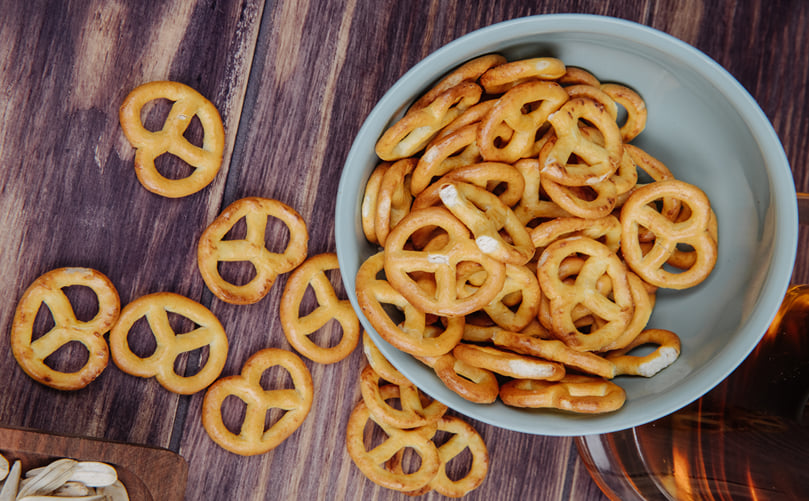
How Texture and Flavor Define Pretzel Quality
Nutritional Profile and Health Perception
Pretzels are generally perceived as a light, baked snack with a modest nutritional profile deriving most of their energy from carbohydrates and containing relatively little fat. However, they are often scrutinized for high sodium content and the use of refined grains. Data from the USDA and recent formulation studies indicate that strategic ingredient modifications such as incorporating whole grains, fibers or alternative protein sources can significantly improve their nutritional value. Consumer research shows that approximately 65% of consumers view pretzels as healthier than fried snacks, largely due to their baked nature, while around 40% cite sodium levels as a key concern, driving interest in whole-grain and reduced-sodium variants.
Low Fat Compared to Fried Snacks: Pretzels typically contain 2–3 g of fat per 28 g serving, most of which comes from the flour rather than added oils. This equates to less than 5% of the daily value for fat, compared with 10–15 g of fat in an equivalent serving of fried potato chips. As a non-fried snack, pretzels contribute significantly less saturated fat often 70–80% lower than fried alternatives supporting heart-health oriented dietary patterns. Standard hard pretzels provide approximately 381 kcal per 100 g, while formulations enriched with high-fiber ingredients, such as hemp-based components, can reduce energy density by diluting available carbohydrates.
Carbohydrate and Sodium Considerations: The primary nutritional limitation of conventional pretzels is their high proportion of refined carbohydrates. Hard pretzels typically contain around 75–76 g of carbohydrates per 100 g, with minimal intrinsic fiber, resulting in a relatively high glycemic index. Excessive consumption of refined carbohydrates may contribute to blood glucose spikes when not balanced with fiber or protein.
Sodium content is another critical concern. Average sodium levels reach approximately 1,700 mg per 100 g, meaning a large soft pretzel can deliver more than 50% of the recommended daily sodium intake. While moderate portions (around 28 g) provide a more manageable sodium load, regular overconsumption may pose risks for individuals sensitive to salt. For physically active consumers, sodium can support electrolyte balance, but for the general population, sodium reduction and portion control remain important health considerations.
Whole-Grain and Fiber-Enriched Pretzels: Standard refined pretzels typically provide less than 1 g of dietary fiber per serving. Substituting whole grains or composite flours significantly improves fiber content, increasing it to 2–3 g per serving while also contributing minerals such as iron and zinc. Fiber-enriched formulations enhance satiety, support digestive health and help moderate postprandial glucose responses.
More advanced formulations using multi-grain blends or plant-based by-products can qualify for “high-fiber” nutrition claims, while also improving antioxidant content and lowering net carbohydrate levels. These innovations demonstrate how pretzels can evolve from a refined snack into a functional, fiber-rich baked product without compromising texture or consumer acceptance.
Gluten-Free and Protein-Enhanced Variants: Gluten-free pretzels, commonly based on rice, corn or sorghum flours, address the needs of consumers with gluten intolerance or celiac disease but are often lower in protein. Protein fortification using soy, legumes or seed-based ingredients substantially improves nutritional density, increasing protein content to 12–15 g per 100 g and enhancing satiety.
Protein-enhanced pretzels are increasingly positioned as functional snacks for active lifestyles, with consumers reporting higher fullness and improved recovery perception after exercise. While some formulations introduce a slightly denser texture, acceptance remains high among health-focused consumers. These innovations help counter the traditional perception of pretzels as a low-protein, refined snack and broaden their appeal within better-for-you snack categories.
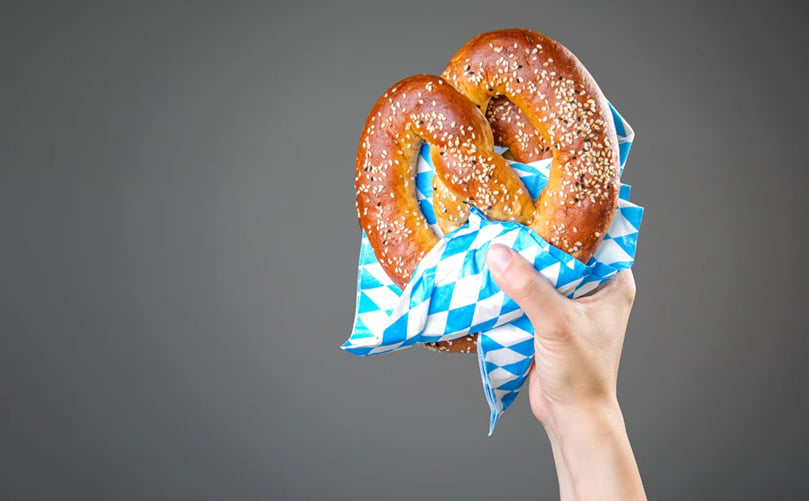
Nutrition-Forward Pretzels Made for Convenience
Pretzels in the Global Snack Landscape: Market Positioning and Growth Trends
Pretzels occupy a distinctive niche within the expansive global savory snacks category, which was valued at over USD 233 billion in 2025 and is projected to reach USD 359 billion by 2034, growing at a CAGR of 4.9%. As a baked snack, pretzels differentiate themselves from fried alternatives through lower fat content, cleaner flavor delivery and longer shelf stability, appealing to consumers seeking a balance between indulgence and health.
The global pretzel market was estimated at approximately USD 7.16 billion in 2024, reflecting steady, resilient growth driven by urbanization, expanding e-commerce channels and rising demand for convenient, portable snacks. This stability positions pretzels as a dependable subcategory within the highly competitive snack landscape, with leading producers reporting positive sales momentum despite shifting consumer preferences.
Positioning vs. Chips, Crackers and Extruded Snacks
Pretzels carve out a differentiated position in the savory snacks arena by emphasizing baking rather than frying, resulting in significantly lower fat content typically 1–2 g of fat per serving, compared with 5–7 g in potato chips. This attribute enhances their suitability for health-oriented channels such as school programs, workplace vending and portion-controlled snack packs.
Within the broader savory snack ecosystem which includes crackers, potato chips, tortilla chips, extruded snacks and pretzels pretzels account for roughly 5–7% of the market. Their structured crunch, alkaline-baked sheen and ability to carry bold seasonings without becoming greasy distinguish them from competing formats.
Compared to extruded snacks (e.g., corn curls or cheese puffs), which dominate volume due to low production costs and mass appeal, pretzels offer higher perceived wholesomeness and superior compatibility with dips and spreads. Crackers compete on variety and pairing with meals but lack pretzels’ iconic shape and distinctive flavor chemistry. Potato chips continue to lead overall snack consumption but face growing scrutiny related to oil content, acrylamide formation and overconsumption.
Overall, pretzels benefit from alignment with “better-for-you” (BFY) positioning. Baked savory snacks are growing faster than fried categories, supported by trends toward clean labels, reduced fat and portion control.
Popular Markets: North America, Europe and Emerging Asia
North America dominates the global pretzel market, accounting for over 40% of total value (approximately USD 1.8–1.9 billion in 2024). This leadership is rooted in strong cultural associations such as stadium snacking and Pennsylvania Dutch baking traditions where hard pretzels maintain a strong retail presence.
Europe, particularly Germany and France, represents 25–30% of the global market, driven by the enduring popularity of soft pretzels (Laugenbrezeln) as beer accompaniments and festival foods. Demand is supported by artisanal bakeries, foodservice channels and increasing emphasis on clean-label and traditional baked products.
Emerging Asian markets, including Japan and India, are experiencing faster growth, with projected CAGRs of 4–5%. Urbanization, exposure to global snack trends and localized flavor innovations such as wasabi, sesame or masala-seasoned pretzels are accelerating adoption. Across the Asia-Pacific region, savory snacks have shown consistent growth, with pretzels increasingly introduced as fusion products through convenience stores and modern retail formats.
Globally, private-label pretzels recorded notable growth in 2024, improving affordability and market penetration across both mature and emerging regions.
Growth of Baked and “Better-for-You” Snacks
The baked snacks segment, which includes pretzels, has expanded at approximately 4–5% annually through 2024, outpacing many fried snack categories that face headwinds from health and nutrition concerns. In the United States alone, the healthy snacks market reached USD 33 billion in 2024, with continued growth driven by demand for reduced sodium, whole grains and protein-enriched options.
Globally, the better-for-you snack market is projected to approach USD 108 billion by 2034, growing at a CAGR exceeding 7%, supported by low-sugar, low-fat and functional nutrition claims. Younger consumers particularly Gen Z, who snack multiple times per day are driving demand for portion-controlled, nutritionally enhanced baked snacks.
Emerging regions such as the Middle East and Africa are also contributing to value growth, aided by premiumization, expanding e-commerce and rising interest in diversified snack formats. Within this context, pretzels are well positioned to benefit from long-term shifts toward baked, versatile and health-conscious snacking.
Flavor Innovation & Product Development in Pretzels
Flavor innovation in pretzels has accelerated since 2023, evolving from traditional salted profiles to bold, cross-cultural flavor expressions aimed at Millennials and Gen Z consumers. Approximately 70% of younger consumers actively seek novel flavors within better-for-you (BFY) snack formats, driving manufacturers to experiment with seasonings, coatings, fillings and hybrid snack concepts. Industry reports indicate a 15% increase in flavored pretzel SKUs in 2024, reflecting strong momentum in this segment. This evolution is repositioning pretzels from a supporting snack option to a center-stage indulgence within the broader savory snack category.
Classic Salted vs. Bold Flavor Profiles: Classic salted pretzels remain the category cornerstone, accounting for over 50% of total sales, with coarse salt crystals reinforcing authenticity and heritage appeal. However, bold and layered flavors such as everything bagel, buffalo wing and garlic herb have steadily eroded this dominance, capturing an additional 10–15% share since 2023. These profiles offer complexity and sensory excitement aligned with “snackable adventure” trends. Recent launches, including buffalo-style pretzel variants and everything-seasoned mini formats, illustrate how brands are modernizing core offerings to maintain relevance among younger consumers.
Cheese, Honey Mustard, Cinnamon Sugar & Spicy Blends: Cheese-flavored pretzels continue to perform strongly by delivering familiar umami depth, often inspired by nacho and ranch-style profiles. Honey mustard blends combine tangy acidity with sweetness, sustaining popularity as a balanced flavor choice. Cinnamon sugar pretzels push the category toward indulgent and dessert-adjacent territory, expanding usage occasions beyond savory snacking. Meanwhile, spicy blends—such as sriracha, chili-lime or regional heat profiles account for nearly 20% of new pretzel flavor launches, leveraging the contrast between alkaline dough and capsaicin-driven heat for heightened sensory impact.
Filled and Coated Pretzel Innovations: Filled pretzels represent one of the fastest-growing innovation areas, combining crunchy exteriors with creamy or savory cores such as cheese, nut butter or chocolate. Consumer testing suggests filled formats deliver up to 25% higher satisfaction scores due to textural contrast and flavor payoff. Coated pretzels featuring chocolate, yogurt or flavored glazes continue to draw on nostalgic and indulgent cues while expanding premium positioning. Clean-label coatings and sea-salt finishes further enhance perceived quality and crunch integrity.
Sweet–Savory Crossover Trends: Sweet–savory hybrids are reshaping pretzel consumption patterns, with launches featuring salted caramel, spicy-sweet barbecue and fusion seasoning blends increasing by approximately 30% between 2023 and 2024. These products resonate strongly with Millennials, over 60% of whom favor flavor mashups that blur traditional snack boundaries. Textural hybrids such as popcorn-pretzel blends add novelty, while plant-based, non-GMO and allergen-free claims strengthen crossover appeal. Premium sourdough, sprouted-grain and multi-seasoned pretzel lines further demonstrate how innovation is elevating pretzels into a differentiated, experiential snack category.
Packaging & Shelf-Life Considerations for Pretzels
Pretzel packaging must balance crispness preservation, shelf stability and sustainability. Low-moisture hard pretzels, in particular, require strong protection against humidity and oxygen to maintain typical shelf lives of 6–12 months. Since 2023, innovation has focused on high-barrier multilayer films, modified atmosphere packaging (MAP) and recyclable structures, enabling shelf-life extensions of 50–200% while reducing food waste. These advances align with global snack packaging trends driven by tightening environmental regulations and growing consumer demand for sustainable formats.
Moisture Control and Crispness Retention: Hard pretzels typically contain <5% moisture, making them highly susceptible to humidity ingress, which can rapidly degrade texture and accelerate flavor oxidation. Low-permeability materials such as metallized PET and high-barrier laminates are commonly used to prevent moisture pickup and rancidity. Industry performance data from 2024 demonstrated that properly sealed, seasoned hard pretzels retained over 90–95% crispness for up to 12 months under ambient storage. Modified atmosphere packaging using nitrogen or nitrogen/CO₂ blends has further extended shelf life, particularly for corn or legume-based pretzel hybrids, increasing stability from approximately three months to six months by minimizing oxidative reactions.
Packaging Materials and Barrier Properties: Modern pretzel packaging increasingly relies on multilayer pouch structures incorporating EVOH, aluminum or metallized layers to provide robust oxygen and moisture barriers, especially critical for flavored or fat-containing coatings. In 2024, fiber-based recyclable barrier solutions demonstrated that plastic content could be reduced by up to 20% without compromising shelf performance. Resealable zipper features, now common in premium and family-size formats, help preserve product integrity after opening, while EVOH-based films can reduce oxygen transmission rates by up to 90% compared to standard polyethylene.
Portion Packs vs. Family Packs: Portion-controlled formats such as 100-calorie single serve packs continue to grow rapidly, posting ~15% annual growth as consumers prioritize portion management and on-the-go snacking. These packs also reduce post-opening exposure and waste. In contrast, 1–2 lb family-size bags remain popular for shared consumption and foodservice but are more vulnerable to moisture ingress once opened. Innovations such as mini-packs, resealable closures, and foodservice-ready 2 oz formats help balance convenience, freshness and portion control across channels.
Sustainability in Pretzel Packaging: Sustainability has become a central focus in pretzel packaging development. Mono-material structures, fiber-based liners, and compostable components introduced since 2024 have reduced plastic usage by 20–30% without significantly compromising shelf life. Hard pretzels, due to their low fat and moisture content, are particularly well-suited to recyclable packaging and score favorably in life-cycle assessments compared with fried snacks. While reduced-plastic formats can pose barrier challenges, emerging solutions such as active packaging systems with oxygen scavengers are helping maintain product quality while meeting sustainability expectations. Consumer research indicates that nearly 70% of buyers prefer snacks packaged in environmentally responsible materials, reinforcing the strategic importance of these innovations.
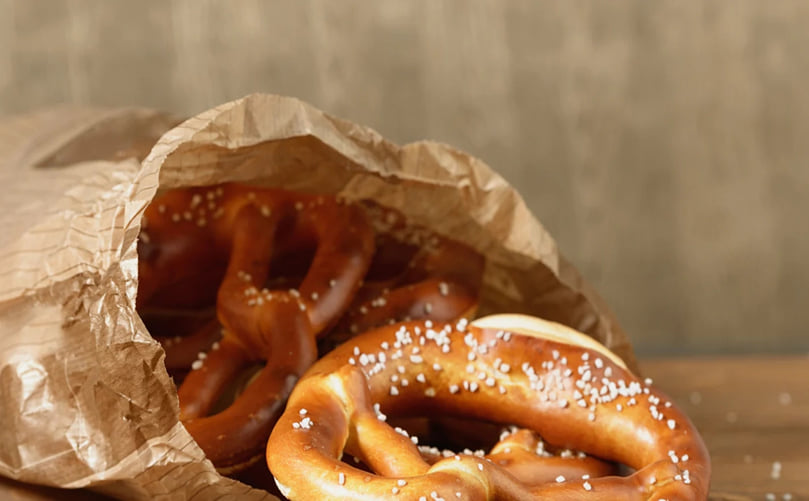
From Production to Shelf: Protecting Pretzel Quality
Consumer Trends Driving Pretzel Market Growth
The global pretzel market continues to expand in response to evolving consumer behaviors centered on health consciousness, convenience, and product innovation. As snack consumption shifts toward lifestyle-aligned choices, pretzels have benefited from their positioning as a baked, versatile alternative within the savory snacks category valued at over USD 233 billion globally. With the broader category projected to grow at a 4.9% CAGR through 2034, pretzels are emerging as a stable and resilient segment within this growth trajectory.
Rising Demand for Baked Snacks: Baked snacks such as pretzels are gaining momentum due to their perceived health advantages over fried alternatives. With just 1–2 g of fat per serving, pretzels appeal to approximately 65% of consumers who consider them “healthier than chips.” This demand is driven by rising obesity concerns, cardiovascular health awareness and preferences for low-calorie, cholesterol-free snacks.
Globally, baked snack formats are growing at 4–5% annually, while the “better-for-you” (BFY) snack segment is projected to reach USD 95.4 billion by 2032 at a 6.9% CAGR. In North America accounting for nearly 42% of global pretzel revenue millennials and working professionals favor pretzels for their nutrient contributions, including fiber, folate, niacin and iron, which support digestion and energy metabolism. Retail performance data further indicate strong uptake in health-oriented channels, such as schools, corporate vending and institutional foodservice.
Clean-Label and Simple Ingredient Preferences: Ingredient transparency has become a decisive purchasing factor, with around 70% of consumers prioritizing clean-label products made with natural, minimally processed ingredients. This has driven demand for pretzels formulated with organic flours, non-GMO grains, reduced sodium and recognizable components.
Low-sodium and unsalted variants appeal to health-conscious and hypertensive consumers, while whole grains and alternative flours (e.g., chickpea, almond, or lentil) reduce reliance on additives and refined starches. Private-label pretzels have grown by over 20%, reflecting consumer trust in simple formulations combined with affordability. In Europe, this trend is reinforced by strict regulatory standards, making organic, low-sodium and clean-label pretzels particularly dominant.
Growth of On-the-Go Snacking: Urban lifestyles and time constraints continue to fuel demand for portable, ready-to-eat snacks. Approximately 34% of Gen Z consumers snack three or more times per day and pretzels available as sticks, bites and minis fit seamlessly into these routines.
Hard pretzels, which account for over 75% of category revenue, are especially well-suited to on-the-go consumption due to their long shelf life and structural durability. The expansion of e-commerce and quick-commerce platforms has further accelerated access, with convenience-pack formats posting up to 40% growth. In the Asia-Pacific region, rising disposable incomes and Western snack adoption are driving increased consumption of bite-sized, flavored pretzel formats, particularly in urban centers.
Premiumization and Artisanal Appeal:Premium and artisanal pretzels are carving out a high-value niche, often commanding price premiums of around 20%. Consumers—79% of whom rank taste as a top priority are increasingly drawn to small-batch production, handcrafted textures and distinctive flavor profiles.
Specialty brands and gourmet offerings emphasize authenticity, regional heritage, and bold seasonings, supporting the growth of the flavored pretzel segment, which now accounts for over 50% of sales for leading brands and is expanding at a ~4% CAGR. Innovations ranging from parmesan garlic to fruit-forward and dessert-inspired variants reinforce pretzels’ evolution from a simple salted snack to a premium indulgence with strong emotional and sensory appeal.
Challenges in Pretzel Production
Pretzel manufacturers face a complex set of challenges as they scale operations while preserving product quality, cost efficiency and regulatory compliance. Volatile raw material prices, tightening nutrition regulations and operational inefficiencies increasingly pressure margins in a market projected to grow at a 3.1–3.9% CAGR, while competition from chips, crackers and extruded snacks continues to intensify.
Sodium Reduction Without Compromising Flavor: Reducing sodium content by 20–30% to align with evolving public health guidelines such as FDA sodium reduction targets (2025) and Canada’s front-of-pack labeling rules (2026) poses a significant sensory challenge. Salt plays a critical role in enhancing umami, aroma release and overall flavor perception.
While alternatives such as potassium chloride blends, yeast extracts and herb-based seasonings can partially compensate, consumer acceptance typically declines by up to 15% when flavor balance is not carefully optimized. With traditional hard pretzels averaging ~1,715 mg sodium per 100 g, manufacturers must balance compliance with preserving the category’s iconic taste profile. Unsalted and low-sodium variants are growing, but they continue to face resistance among core consumers.
Maintaining Consistent Browning and Texture: Achieving uniform crust color and texture remains technically demanding, particularly at scale. Variations in alkaline dip concentration, temperature and pH can lead to uneven Maillard reactions, resulting in inconsistent browning, blistering or snap.
The shift toward wholegrain and fiber-enriched formulations further complicates processing, often increasing brittleness and fracture risk. Large manufacturers increasingly rely on automated dipping systems, inline pH monitoring, and AI-assisted oven controls to stabilize outcomes. However, smaller and artisanal producers often lack access to such precision technologies, making consistency a persistent challenge especially in high-fiber or protein-enhanced recipes.
Breakage During Transport and Distribution: Hard pretzels’low moisture content (<5%) delivers crispness but also makes them prone to breakage, with 5–10% product loss commonly reported during transport. Manufacturers mitigate this through reinforced shapes, thicker cross-sections, cushioned conveyors, and protective packaging designs, yet distribution inefficiencies and logistics disruptions intensified since the pandemic continue to impact profitability. Breakage-related losses are estimated to suppress category growth by 0.3% annually, particularly for export-oriented and private-label suppliers.
Cost Optimization Amid Wheat and Input Volatility: Wheat price fluctuations remain a major margin constraint, contributing an estimated –0.6% growth restraint for the pretzel segment. Rising costs for flour, corrugated packaging, labor and trucking have compressed operating margins by up to 15% in recent years.
Manufacturers increasingly pursue bulk sourcing, supplier diversification, yield optimization and waste reduction strategies to remain competitive. However, tariffs, energy costs and aggressive pricing from large snack conglomerates further strain smaller and regional brands, making cost control a critical survival factor in an increasingly consolidated market.
Future Outlook for the Pretzel Industry
The global pretzel industry is positioned for steady, resilient growth, with market estimates projecting expansion from approximately USD 7.2–7.7 billion in recent years to USD 8.6–9.3 billion by 2030, reflecting a 3.1–3.9% CAGR. Growth will be driven by better-for-you (BFY) innovation, flavor diversification, foodservice recovery, and expansion into emerging snack markets, supported by advances in automation and sustainability-focused manufacturing.
Rise of Functional Pretzels (Fiber, Protein, Minerals): Functional pretzels are expected to capture 10% of category value within the wellness segment over the next decade. Protein- and fiber-enriched formulations—using ingredients such as chickpea, lentil, soy and whole grains are gaining traction for their ability to reduce glycemic load by up to 25%, enhance satiety and support active lifestyles.
Mineral fortification (iron, zinc, magnesium) further enables nutrient-content and health claims, particularly in school, sports and workplace snacking channels. These functional upgrades are projected to contribute ~0.5 percentage points to category CAGR.
Plant-Based and Allergen-Free Innovation: Plant-based, vegan and allergen-free pretzels are forecast to grow at 5% CAGR, fueled by dietary shifts, food sensitivities and clean-label demand. Alternative flours such as chickpea, hemp, sorghum and cassava deliver protein increases of up to 60–70% while maintaining acceptable texture and flavor. Grain-free and gluten-free lines like cassava- or legume-based pretzels—broaden accessibility, particularly among consumers managing celiac disease or gluten intolerance. Clean-label positioning is expected to deliver an additional ~0.5% growth uplift to the category.
Automation and Smart Baking Technologies: Investment in automation, robotics, and AI-driven baking systems is accelerating across both large and mid-sized manufacturers. Smart ovens and inline sensors improve browning consistency, moisture control and yield efficiency, while reducing waste by up to 15%. Custom-built machinery such as automated knotting, seasoning and case-packing systems enables scale without sacrificing product integrity, supporting competitiveness in a fragmented and cost-sensitive market.
Expansion into Emerging Snack Markets: The Asia–Pacific region is expected to lead future growth with a projected 4.7–5% CAGR, driven by urbanization, rising disposable incomes and localized flavor adaptations (e.g., wasabi, seaweed, masala). Japan remains an innovation hub, while India and Southeast Asia show strong potential for bite-sized and fusion formats. Meanwhile, North America (≈38–40% market share) and Europe will continue to anchor global value through premiumization, regulatory-driven reformulation and artisanal positioning.
Foodservice and QSR Growth Opportunities: Soft pretzels are experiencing a renewed surge in foodservice, QSRs and entertainment venues, supported by frozen and par-baked formats that enable rapid preparation and consistency. Brands such as SUPERPRETZEL are expanding vegan and clean-label options to meet operator needs. Fresh-baked soft pretzels are also re-emerging in cafés, breweries and casual dining, contributing to an estimated ~3.4% CAGR in the foodservice segment.
Franchising, Branding and Direct-to-Consumer Models: Franchise-driven concepts, pop-up formats and co-branding partnerships particularly with craft beer, sports venues and experiential retail are strengthening brand loyalty and premium perception. At the same time, e-commerce and direct-to-consumer (DTC) models are improving reach, enabling limited-edition launches, subscription packs and data-driven personalization.