

Seed Snacks: Powerhouse Nutrition in Every Bite
Seed snacks have emerged as a prominent segment within the global snack industry, driven by rising consumer demand for plant based, clean label and functional foods that emphasize natural ingredients and health benefits over artificial additives and preservatives. This growth reflects a broader shift toward sustainable, ethical and wellness-oriented lifestyles, where consumers increasingly prioritize transparency in sourcing and minimal processing to avoid hidden chemicals, allergens and synthetic components.
The popularity of seed based snacks is further reinforced by their role in functional nutrition, offering not only convenience but also targeted health benefits such as improved digestion, sustained energy release and immune support distinctly contrasting with conventional highly processed snacks.
Market analyses indicate that the expansion of this category is closely linked to heightened environmental awareness. Plant based snack options including seed snacks are widely perceived as lower carbon alternatives that reduce dependence on animal derived products. At the same time the clean label movement favoring products made with recognizable and easily pronounceable ingredients has encouraged brands to reformulate their offerings, integrating seeds to meet consumer expectations for authenticity, nutritional integrity and ingredient transparency.
Consumers are increasingly shifting away from empty calorie snacks such as sugary confectionery and fried chips high in sodium and trans fats, opting instead for nutrient dense alternatives that deliver essential macronutrients, including plant proteins, healthy fats and dietary fiber, alongside vital micronutrients and bioactive compounds. This transition is largely driven by growing concerns around obesity, diabetes and cardiovascular health, fostering demand for snacks that support metabolic health, satiety and overall well-being without sacrificing taste, convenience or portability. Seeds provide an ideal foundation for innovation, enabling formulations suited to on-the-go lifestyles while offering sustained energy through their complex carbohydrates, fiber and lipid composition.
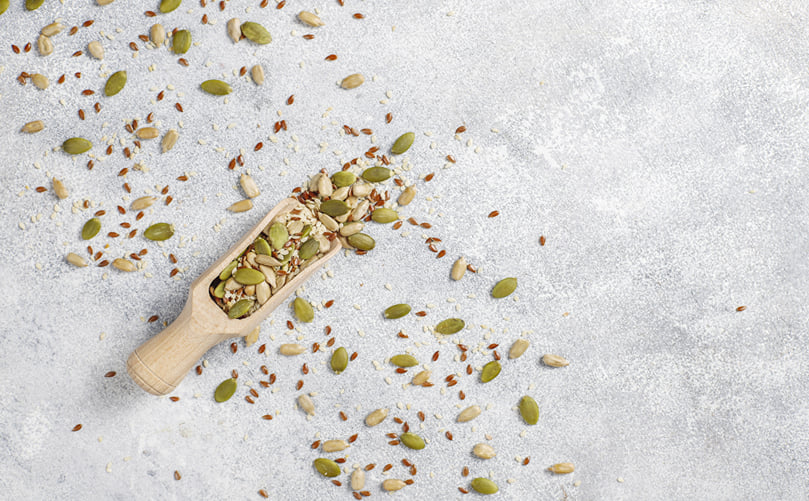
Seed Snacks: Powerhouse Nutrition in Every Bite
Historically, seeds have played a central role in human diets, serving as staple foods across ancient civilizations due to their storability, nutritional density and adaptability. Chia seeds, for example, were a dietary cornerstone in Aztec and Mayan cultures, valued for enhancing endurance and stamina, while sesame seeds held significant culinary and medicinal importance in Middle Eastern and Asian traditions.
In the modern food landscape, these traditional ingredients are being repositioned as “superfoods,” supported by contemporary packaging and branding that highlight attributes such as gluten free, non-GMO and organic certification. This rebranding merges traditional dietary wisdom with scientific validation particularly research on antioxidant activity, lipid profiles and micronutrient density positioning seed snacks as premium functional foods in both physical retail and digital marketplaces.
Seed snacks also play a vital role in specialized dietary patterns. In vegan diets, they provide high quality plant proteins and essential fatty acids, helping address common nutritional gaps associated with animal free eating. For individuals following ketogenic diets, their high fat and low net carbohydrate profiles support ketosis while supplying minerals such as magnesium and zinc. Within paleo diets, seeds align with ancestral whole food principles, offering minimally processed energy sources free from grains and dairy.
Additionally, gluten free diets benefit from the natural absence of gluten in seeds, reducing cross contamination risks and improving digestive comfort for individuals with sensitivities or celiac disease. Collectively, this versatility highlights the evolution of seeds from basic sustenance to multifunctional dietary staples in modern nutrition.
What Are Seed Snacks?
Seed snacks are minimally processed edible seeds consumed as convenient, standalone or value-added snack options. They emphasize the preservation of seeds in their natural or near natural form to retain inherent nutrients while delivering a satisfying crunch or texture. These snacks align strongly with whole food and clean label principles, typically containing few or no artificial additives.
Seed snacks may range from simple, unseasoned seed portions to carefully enhanced preparations that improve flavor and texture without compromising nutritional value. Whole seeds are often consumed intact, preserving dietary fiber and bioactive phytochemicals, while flavored or coated variants may incorporate natural seasonings such as herbs, spices or light sweeteners to expand sensory appeal and consumer choice.
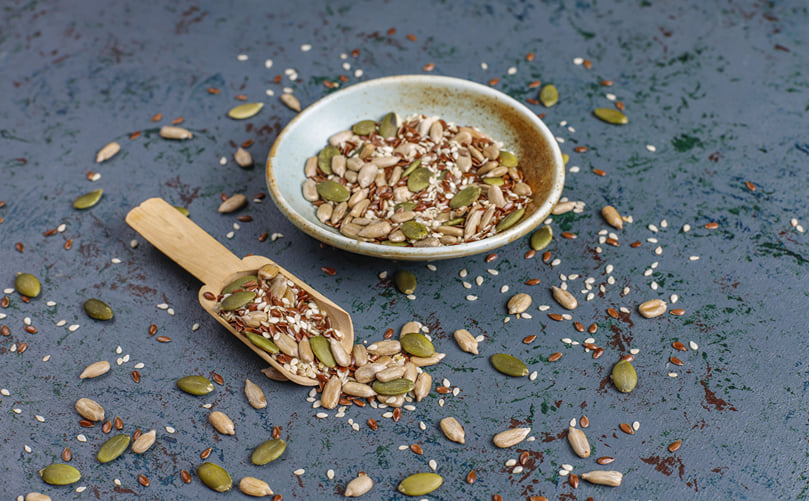
Seed Snacks: Where Traditional Nutrition Meets Modern Wellness
Types of Seed Snacks Based on Processing
The characteristics of seed snacks vary according to processing methods, which influence digestibility, nutrient bioavailability, shelf life and sensory attributes.
Raw Seeds:Raw seeds are untreated and unheated, allowing them to retain maximum levels of heat sensitive nutrients, including certain enzymes and vitamins. However, they may contain higher levels of anti-nutritional compounds such as phytic acid, which can chelate minerals and reduce their absorption. Their flavor profile is typically mild and earthy, making them suitable for incorporation into smoothies, salads or raw snack mixes.
Roasted Seeds: Roasting involves dry heat or light oil application, enhancing crunchiness and developing nutty flavors through Maillard reactions. This process reduces anti-nutritional factors, improves digestibility and extends shelf life. While excessive roasting can degrade some antioxidants and heat-sensitive nutrients, controlled roasting increases palatability and makes seeds more appealing as standalone snacks.

Roasting of Seeds: Flavor Development, Digestibility and Shelf-Life Enhancement
Sprouted Seeds: Sprouted seeds undergo soaking and controlled germination, activating endogenous enzymes that improve nutrient availability, increase certain vitamins and reduce phytic acid levels. Sprouting often results in a fresher, slightly sweeter flavor and enhanced digestibility. However, strict hygiene and processing controls are required to minimize microbial risks, including pathogens such as Salmonella.
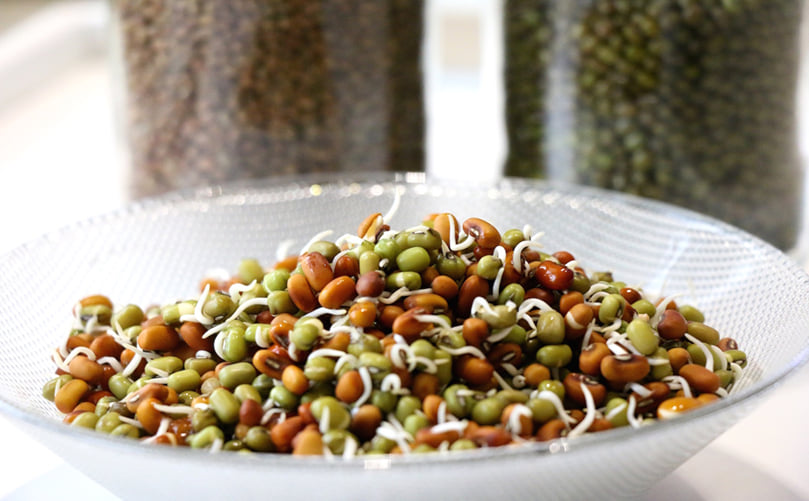
Sprouted Seeds: Nutrition, Digestibility and Processing
Seed Mixes and Clusters: Seed mixes combine multiple seed varieties to create balanced nutritional profiles and diverse textures. These may be lightly bound with natural ingredients such as dates, honey or plant syrups to form clusters, energy bars or trail mixes. Such formats enhance portability, satiety and sustained energy release, making them popular in functional snacking applications.
Seeds vs. Nuts and Legumes: Nutritional and Allergen Perspectives
From a nutritional standpoint, seeds such as sunflower, flax and chia are rich in dietary fiber, essential minerals and unsaturated fats, particularly omega-3 fatty acids. Protein content typically ranges from 15–30%, with fat profiles that support cardiovascular and anti-inflammatory health.
Nuts, including almonds and walnuts, share similar fat compositions but are often more calorie dense and higher in vitamin E. Tree nut allergies affect approximately 1% of the global population, posing dietary restrictions for sensitive individuals.
Legumes, such as peanuts and lentils, offer higher protein content (up to 25%) and complex carbohydrates but contain lectins and other anti-nutritional factors that generally require cooking to neutralize. Peanut allergy is among the most prevalent food allergies worldwide, linked to specific allergenic proteins such as Ara h 1–3.
Seeds are generally associated with lower allergenic risk compared to nuts and legumes, although sesame is recognized as a major allergen in several regions. Cross reactivity between seeds and nuts may occur in sensitive individuals, necessitating clear labeling.
Botanically, seeds are reproductive units of plants, nuts are hard shelled fruits and legumes are pods containing multiple seeds. These structural differences influence their nutritional composition, digestibility and processing requirements, reinforcing the unique role of seeds as accessible and versatile snack ingredients.
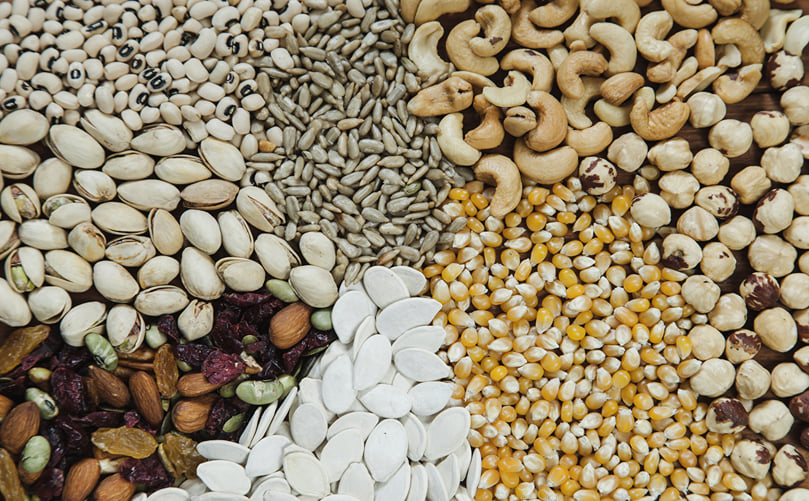
Seeds, Nuts and Legumes: Nutrition and Allergen Perspective
Key Seeds Utilized in Modern Snack Formulations
Pumpkin Seeds (Pepitas): Pumpkin seeds, known as pepitas when hulled, possess a robust nutritional profile. Per 100 g, they provide approximately 30 g protein, 49 g fat (predominantly polyunsaturated fatty acids) and 18 g dietary fiber, along with key micronutrients such as zinc (7.5 mg), magnesium (592 mg) and iron (9.5 mg). Their functional benefits include immune support through zinc, muscle and nerve function support via magnesium and antioxidant protection against oxidative stress. Scientific studies associate pumpkin seed consumption with improved spermatogenesis, enhanced wound healing, anti-inflammatory effects, better glycemic control and cardiovascular health due to bioactive phytochemicals.
Pumpkin seeds have a nutty, mildly sweet taste with earthy undertones. Roasting enhances their toasty crunch, making them highly versatile for salted, spiced or sweet coated snack formats such as trail mixes and energy bars.
Sunflower Seeds: Sunflower seeds contain approximately 21 g protein, 51 g fat (rich in linoleic acid) and 8.6 g fiber per 100 g and are especially high in vitamin E (about 35 mg). They also supply selenium and folate. Functional benefits include cardiovascular protection through cholesterol modulation, anti-inflammatory activity and wound healing support derived from lignans and phenolic compounds. Additionally, sunflower seeds support brain health due to their thiamin and choline content.
Sunflower seeds exhibit a mildly nutty, buttery taste with subtle sweetness that becomes more pronounced upon roasting. They are well suited for shelled snack products, butter alternatives and seed clusters.
Watermelon Seeds: Watermelon seeds provide roughly 28 g protein, 47 g fat (primarily monounsaturated fatty acids) and 10 g fiber per 100 g, along with minerals such as iron (7.3 mg) and magnesium (515 mg). Their functional advantages include improved fertility and vascular health linked to citrulline content, antioxidant support for skin and immune function and contributions to bone strength.
They have a nutty taste with slight bitterness. Roasting reduces bitterness and improves crunch, making them suitable for seasoned, puffed or standalone snack formats.
Flax Seeds: Flax seeds deliver approximately 18 g protein, 42 g fat of which about 22 g is alpha linolenic acid (ALA, an omega-3 fatty acid) 27 g fiber and high levels of lignans known for hormone modulating properties. Health benefits include reduced risk of cardiovascular disease, diabetes and certain cancers, along with improved digestive health and relief from constipation.
Flax seeds have an earthy, slightly bitter taste and are typically ground or lightly roasted to enhance palatability and prevent gumminess, making them suitable for energy bars and seed clusters.
Chia Seeds: Chia seeds provide around 17 g protein, 31 g fat (rich in omega-3 fatty acids), 34 g fiber and antioxidants such as quercetin per 100 g. They exhibit hypoglycemic, hypotensive and antimicrobial properties, supporting weight management, metabolic health and gut microbiota balance.
Chia seeds have a mild, neutral taste and form a gel when hydrated, making them ideal for fortified bars, puffed snacks and functional snack formulations.
Sesame Seeds: Sesame seeds contain approximately 17 g protein, 50 g fat and 12 g fiber per 100 g, along with lignans such as sesamin and sesamol. Their functional benefits include anti atherosclerotic effects, potential weight management support, antioxidant activity and immune enhancement.
Sesame seeds develop a rich, nutty and toasty character when roasted, making them widely used in savory snack coatings, clusters and seed blends.
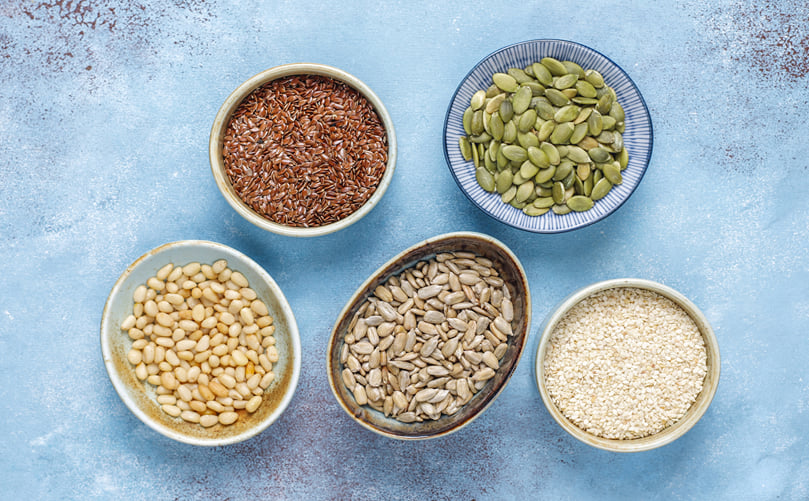
Key Seeds Used in Modern Snack Formulations and Their Functional Benefits
Nutritional Composition of Seed-Based Snacks
Seed snacks are distinguished by their strong macronutrient balance, delivering substantial amounts of plant based protein (typically 18–30 g per 100 g across commonly used seeds such as pumpkin, sunflower, chia, flax and sesame), predominantly healthy unsaturated fats (approximately 40–55 g per 100 g) and significant levels of dietary fiber (10–27 g per 100 g, with higher concentrations in flax at 27 g and chia at 34 g). The lipid fraction is dominated by monounsaturated and polyunsaturated fatty acids, including omega-3 alpha-linolenic acid (ALA) in flax and chia (up to 22 g per 100 g in flax) and omega-6 fatty acids in sunflower and pumpkin seeds. Together, these macronutrients support sustained energy release, muscle maintenance and repair and digestive health.
Proteins from seeds such as pumpkin (up to 30 g per 100 g) and chia (17 g per 100 g) provide essential amino acids that contribute to satiety and post exercise recovery. The healthy fat content plays a key role in anti-inflammatory pathways, cardiovascular support and cell membrane integrity. Dietary fiber both soluble and insoluble enhances gastrointestinal motility, supports cholesterol binding and lipid regulation and promotes gut microbiome diversity. Soluble fiber, particularly in chia seeds, forms a gel like matrix that slows digestion and nutrient absorption, further stabilizing energy availability.
Seed snacks are also rich in micronutrients, often present in highly concentrated forms. Iron levels typically range from 5–10 mg per 100 g, supporting oxygen transport and fatigue reduction. Zinc content (approximately 4–8 mg per 100 g) contributes to immune function and wound healing, while magnesium (300–600 mg per 100 g) supports nerve signaling, muscle relaxation and bone health. Calcium is especially abundant in sesame seeds, reaching up to 600 mg per 100 g and contributing to skeletal integrity. Mineral bioavailability is enhanced through processing methods such as sprouting and roasting, which reduce phytic acid levels that otherwise limit absorption.
Beyond minerals, seeds are notable sources of phytochemicals, including lignans (particularly high in flax and sesame), polyphenols, flavonoids and tocopherols. Lignans act as phytoestrogens with antioxidant and potential hormone modulating effects, while tocopherols especially vitamin E in sunflower seeds (up to 35 mg per 100 g) help protect cells from oxidative damage. Collectively, these compounds neutralize free radicals and may reduce the risk of chronic inflammation related conditions.
The satiety enhancing capacity of seed snacks is largely driven by the combined action of protein and fiber, which slows gastric emptying, moderates post prandial blood glucose responses and results in a low glycemic impact. Glycemic index values are typically below 55, with approximate values of 25 for pumpkin seeds, 35 for sunflower seeds, 32 for flax seeds and very low values for chia seeds due to their dense fiber matrix. This contrasts sharply with refined, high glycemic snack foods that promote rapid glucose spikes followed by energy crashes.
Overall, seed snacks demonstrate superior nutrient density compared with conventional fried snacks such as potato chips or biscuits and crackers. They deliver higher levels of vitamins, minerals, dietary fiber and bioactive compounds while containing fewer empty calories, less excessive sodium and minimal unhealthy saturated or trans fats. This nutritional advantage supports improved portion control, prolonged fullness and a reduced risk of overconsumption associated with obesity and metabolic disorders.
Health Benefits Backed by Science
Seed snacks contribute significantly to cardiovascular health due to their high content of unsaturated fatty acids, including omega-3 alpha-linolenic acid (ALA) found in flax and chia seeds, as well as bioactive compounds such as lignans and polyphenols. These components have been shown to lower low-density lipoprotein (LDL) cholesterol, reduce blood pressure and decrease systemic inflammation markers, including C-reactive protein. Meta analyses indicate that regular seed consumption, typically 15–30 g per day, is associated with a 15–20% reduction in cardiovascular disease risk, largely through improvements in endothelial function and lipid metabolism.
Gut health benefits arise primarily from the high prebiotic fiber content of seeds, which supports the growth of beneficial gut bacteria such as Bifidobacteria, enhances short chain fatty acid production and improves overall microbiome diversity. Clinical and observational studies demonstrate that chia and flax seed intake improves bowel regularity, alleviates constipation and may reduce the risk of inflammatory bowel conditions through the anti-inflammatory actions of lignans and other phytochemicals.
Blood glucose regulation is enhanced by the low glycemic index of seed snacks and their high fiber content, which slows carbohydrate digestion and glucose absorption while improving insulin sensitivity. Research involving flax and chia seeds shows reductions in glycated hemoglobin (HbA1c) levels among individuals with prediabetes, along with improved postprandial glucose stability. Broader dietary studies link regular seed consumption with a lower incidence of type 2 diabetes.
Muscle recovery and physical performance are supported by the high-quality plant proteins found in seeds, with protein digestibility corrected amino acid scores (PDCAAS) ranging from 0.8 to 1.0. These proteins are rich in branched chain amino acids (BCAAs), which aid muscle repair and glycogen replenishment following exercise. Studies on snack formulations incorporating pumpkin and hemp seeds have reported reductions in muscle soreness and improved post exercise recovery markers.
In the context of weight management and metabolic health, the synergistic effect of protein and fiber enhances satiety, reduces hunger hormones such as ghrelin and helps regulate overall caloric intake. Long term observational data associate daily seed consumption of approximately 30 g with reductions in body mass index, waist circumference and markers of metabolic syndrome. These effects are attributed to improved lipid profiles, enhanced insulin sensitivity and better energy balance.
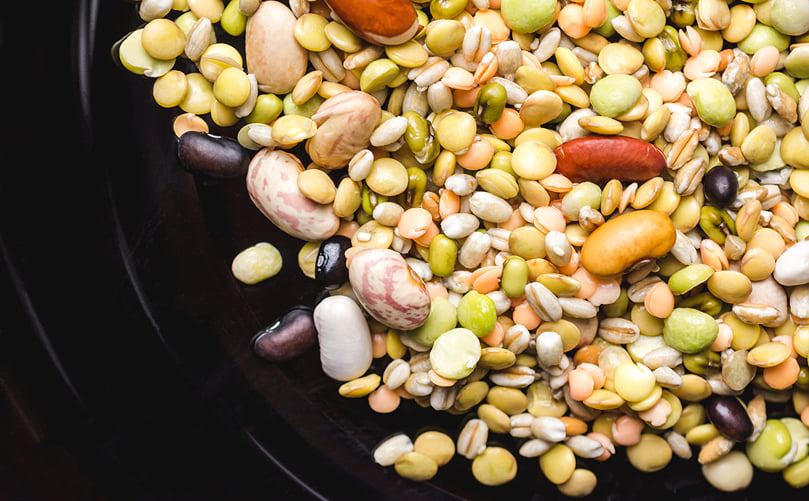
Health Outcomes Associated with Regular Seed Intake
Processing Technologies Used in Seed Snacks
Cleaning and Grading: Seeds undergo thorough cleaning to remove foreign materials such as dust, stones, chaff and metal fragments. This process typically employs sieves, air classifiers, aspirators and magnetic separators, achieving purity levels of up to 99%. Grading is then carried out based on size, weight and density using gravity tables or optical sorting systems, ensuring uniformity that supports consistent roasting, improved appearance and overall product quality.
Roasting Methods: Roasting is a critical step for enhancing palatability, shelf life and digestibility. Dry roasting commonly performed using hot air systems at temperatures ranging from 150–200°C, promotes Maillard reactions that develop desirable sensory characteristics while reducing moisture content to below 5% and preserving most nutrients. Oil roasting adds flavor and mouthfeel but increases caloric content. Infrared roasting enables rapid and uniform heat transfer, often retaining more than 90% of heat sensitive vitamins while minimizing oxidation. These roasting methods are designed to enhance crunch and digestibility while controlling lipid oxidation.
Flavoring and Coating: Flavoring and coating are applied using rotating tumblers or spray systems to ensure uniform distribution of seasonings such as salts, spices and herbs, as well as natural sweeteners like honey or jaggery. Clean label formulations emphasize minimal or additive free ingredients. Precise moisture control during coating is essential to prevent clumping, maintain crispness and extend shelf stability.
Sprouting and Activation: Sprouting involves controlled soaking and germination, typically over 1–3 days, to activate endogenous enzymes. This process can reduce phytic acid levels by up to 50% and improve mineral bioavailability by approximately 20–30%. Mild activation techniques may involve soaking without full germination, followed by dehydration to produce a shelf stable, snack-ready product. Strict hygiene and process control are critical during this stage to mitigate microbial risks and ensure food safety.
Food Safety and Quality Control in Seed Snacks
Food safety and quality management are critical in seed snacks due to their high fat content and nutrient density, which increase susceptibility to degradation and contamination if not properly controlled. Moisture content is a primary quality parameter and is typically maintained below 5–7% to inhibit microbial growth and extend shelf life. Elevated moisture levels can promote mold growth and spoilage, while controlled low moisture supports a shelf life of 6–12 months under optimal storage conditions. Analytical techniques such as Karl Fischer titration are commonly used to accurately monitor moisture levels and ensure compliance with quality standards.
Aflatoxin contamination represents a significant safety concern, particularly in oil rich seeds such as sunflower and pumpkin when stored under warm and humid conditions. Aflatoxins are toxic secondary metabolites produced by Aspergillus species and pose serious health risks. Regulatory frameworks mandate routine testing and certification to confirm compliance, with permissible limits commonly set at 20 ppb for total aflatoxins in foods intended for human consumption.
Microbial hazards, including Salmonella and Escherichia coli, may arise during harvesting, processing or storage. To mitigate these risks, Hazard Analysis and Risk-Based Preventive Controls (HARPC) systems are implemented to identify critical control points and enforce preventive measures such as sanitation programs, environmental monitoring and supplier verification.
Oxidative rancidity is another major quality concern in high fat seeds, which typically contain 40–60% lipids. Lipid oxidation leads to off-flavors, discoloration and nutrient degradation through peroxide formation. Although seeds naturally contain antioxidants such as tocopherols that slow oxidation, proper storage under cool, dark and low oxygen conditions remains essential to preserve quality.
Packaging plays a vital role in maintaining safety and quality. Nitrogen flushing is widely used to displace oxygen within packages, significantly reducing oxidation and microbial activity and extending product freshness by up to 50%. High barrier packaging materials, including metallized polyester and ethylene vinyl alcohol (EVOH) laminates, provide effective barriers against oxygen and moisture, thereby maintaining product integrity. Emerging innovations, such as edible oleoresin infused nanocomposite films incorporating chili and garlic extracts, have demonstrated antimicrobial and antifungal properties, offering additional protection against aflatoxin development and quality deterioration.
Regulatory compliance is governed by multiple frameworks. In India, Food Safety and Standards Authority of India (FSSAI) regulations mandate adherence to Good Manufacturing Practices (GMP) and Hazard Analysis and Critical Control Point (HACCP) systems. Internationally, Codex Alimentarius standards provide guidance on hygiene practices and permissible contaminant limits, while the United States Food and Drug Administration (FDA) enforce requirements under the Food Safety Modernization Act (FSMA), emphasizing preventive controls, allergen management and traceability.
Quality assurance programs further include sensory evaluation to assess texture, aroma and overall acceptability; chemical analyses such as peroxide value testing to monitor lipid oxidation (ideally maintained below 10 m eq/kg) and microbiological testing with acceptable limits such as total plate counts below 10⁵ CFU/g. Collectively, the integration of these safety and quality parameters ensures that seed snacks remain safe, nutritionally stable and consumer acceptable throughout their production, storage and distribution lifecycle.
Clean-Label Initiatives in Seed Snacks
The demand for clean label seed snacks defined by non-GMO, organic and additive free formulations has increased significantly as consumers place greater emphasis on transparency, health and ingredient integrity. Nearly 40% of global snack product launches now highlight the absence of artificial additives or preservatives, reflecting a clear shift toward simpler ingredient lists. Clean label products prioritize recognizable, minimally processed ingredients and deliberately exclude artificial colors, flavors and synthetic preservatives, instead relying on natural enhancers such as herbs and spices. This movement aligns closely with growing consumer preference for organic and non-GMO foods, driven by concerns over synthetic chemicals and a broader desire for ethical, minimally processed nutrition. Seed snacks naturally align with this positioning and are increasingly marketed as clean, wholesome alternatives to highly processed snack foods.
From a sustainability standpoint, seed snacks are widely regarded as low carbon, plant-based foods that require fewer natural resources such as land and water than animal derived products, while generating lower greenhouse gas emissions and environmental pollution. The industry is increasingly adopting waste reduction strategies, including the utilization of by products such as seed hulls for animal feed or bioenergy applications, as well as incorporating cosmetically imperfect or off size seeds into snack formulations. These practices contribute to reduced food waste and support circular economy models.
Sustainable sourcing has become a central pillar of seed snack production, emphasizing ethical farming practices, regenerative agriculture to enhance soil health and biodiversity and transparent supply chains. Traceability technologies, including blockchain systems, enable immutable record keeping from farm to finished product, ensuring authenticity, regulatory compliance and consumer confidence. Industry led initiatives, such as sustainable sourcing frameworks promoted by plant-based food organizations, encourage collaboration to protect environmental and human health. In parallel, digital tools including augmented reality enabled labeling are being adopted to provide consumers with real time access to sourcing and sustainability information.
Collectively, these clean label and sustainability strategies reduce environmental impact while strengthening consumer trust through verifiable, transparent and responsible supply chains.
Snack Smart: Market Insights and Consumer Preferences for Seeds
Consumer trends in the seed snack industry are strongly influenced by a growing focus on health, convenience and sustainability, with protein-rich snacking emerging as a dominant driver. Demand for high protein options has surged as consumers seek nutrient dense alternatives to traditional snacks. For example, nuts and seeds now account for over 30% of revenue in the U.S. snack food sector, reflecting a shift toward plant-based, protein packed choices such as seed mixes and bars, which provide 15–25 g of protein per serving. Globally, the healthy snacks market is projected to grow at a CAGR of 7% from 2023 to 2032, fueled by increasing awareness of wellness benefits, including improved energy, metabolic health and gut function from seeds rich in omega-3 fatty acids and dietary fiber.
This growth is particularly pronounced among Millennials and Gen Z, who prioritize snacks with functional claims such as “high-protein” or “gut-friendly.” Protein-packed options including nuts and seeds are increasingly adopted in North America due to their role in satiety, muscle support and overall wellness. Athletes and fitness-oriented consumers continue to drive demand, as seed snacks provide portable, natural energy without artificial additives. Surveys indicate that 60% of active individuals prefer plant-based, protein rich snacks for post exercise recovery, with chia and pumpkin seed formulations gaining traction for their anti-inflammatory properties and sustained energy release.
Formulations for different age groups are tailored to consumer needs. Children’s seed snacks focus on milder flavors, fun textures and allergen-free ingredients, such as sunflower seed clusters with fruit coatings, to encourage healthy eating habits early. Adult oriented products emphasize premium, functional blends, including sprouted seeds, which offer improved digestibility and nutrient absorption. Flavored seed snacks are particularly popular in urban markets, where busy professionals seek innovative varieties like chili roasted pepitas or cocoa dusted chia bites. Urban consumers are estimated to drive 40% of new product launches in plant-based snack categories.
Regional preferences vary considerably. In Asia and Latin America, spicy and salted flavors dominate, incorporating local seasonings such as masala or chili for sunflower and sesame seeds. In North America and Europe, sweet and savory blends such as honey roasted or herb infused seeds appeal to health-conscious demographics, with gluten free and low sugar claims boosting adoption. Middle Eastern markets favor traditional sesame-based snacks due to cultural familiarity and the nutritional benefits of calcium.
Overall, the global packaged nuts and seeds market reached USD 30.8 billion in 2023, with projections to grow to USD 48.22 billion by 2030. This growth underscores the shift toward clean label, plant-based snacking amid rising health consciousness, convenience driven lifestyles and the expanding influence of e-commerce. Digital platforms play a significant role in shaping consumer behavior, with social media influencing approximately 50% of purchases through endorsements by wellness influencers who position seed snacks as “superfoods” in healthy lifestyle routines.
Product Innovations in Seed Snacks
Product innovations are rapidly transforming the seed snack category by enhancing nutrition, texture and convenience. Portable seed-based energy bites offer protein-rich options (8–10 g per serving) using simple binders such as dates or honey, supporting clean label positioning and natural sweetness. Seed snack bars combine multiple seed varieties to provide balanced macronutrients and are often fortified with additional fiber or adaptogens, delivering sustained energy for wellness focused consumers.
Puffed or extruded seed snacks utilize advanced extrusion technologies to create light, crunchy textures from seeds like buckwheat, quinoa and amaranth. These products can incorporate high-protein flours (up to 85% protein content) while preserving flavor and extending shelf life through low moisture content. Extrusion leverages heat, pressure and shear to innovate shapes, textures and hybrid formulations that integrate ancient grains for enhanced nutritional value.
Fortified seed snacks address specific nutritional gaps, such as iron enriched blends targeting populations at risk of anemia or protein fortified options combining seeds with pea or rice protein to achieve complete amino acid profiles. Combinations with millets or pulses such as puffed millet seed mixes or lentil seed clusters boost fiber content and sustainability, creating hybrid products like date-based bars with extruded cereals that offer high nutritional value, easy chewability and sustained energy.
Emerging processing techniques, including microwave dehydration, help preserve nutrients in dairy seed hybrids, while fruit inclusions through hot or cold molding add natural flavors and vitamins. These innovations have expanded the market to include savory puffs, protein balls and allergen free options. Collectively, these product developments cater to diverse dietary preferences, from vegan to keto and drive growth in the seed snack category through functional, flavorful and convenient formulations.
Challenges in the Seed Snack Industry
The seed snack industry faces multiple challenges that affect production, distribution and consumer adoption.
Price Volatility of Raw Seeds: Fluctuating commodity costs, particularly for seeds like sunflower and pumpkin, create uncertainty in production margins. Rising input prices, coupled with global supply disruptions and weather variability, have led to declining gross margins for major producers. Climate change further exacerbates the problem, with extreme weather events impacting yields and increasing pest resistance. This drives higher R&D costs for resilient seed varieties and creates fragile supply chains, causing delivery delays and higher operational expenses.
Shelf-Life and Oxidation: High levels of unsaturated fats in seeds make them prone to oxidation, leading to rancidity and flavor degradation. While advanced packaging solutions help extend shelf life, balancing freshness with eco-friendly materials remains a challenge. Shorter product lifespans can increase waste and operational costs.
Consumer Education and Perception: Many consumers are unaware of the nutritional benefits of seeds or perceive them as bland. Brands must invest in marketing campaigns to highlight functional benefits, such as fiber for gut health, while also educating consumers on proper storage to prevent spoilage. Balancing nutrition with taste is difficult, as health focused formulations such as low sodium or no added sugar options may reduce sensory appeal, requiring multiple formulation iterations that raise production costs.
Convenience and Portability Demands: Modern consumers expect snacks that are convenient and portable. Meeting these demands adds pressure to production processes, including packaging, portioning and distribution, while maintaining nutrient integrity.
Allergen Management: Seeds like sesame are classified as major allergens in several regions, necessitating strict segregation, testing and facility protocols to prevent cross-contamination. Failure to comply can result in recalls, financial losses and reputational damage.
Labor and Workforce Challenges: Labor shortages and an aging workforce complicate seed management, traceability and compliance with regulations, including intellectual property restrictions on patented seed varieties. Volatile market demand further complicates forecasting and operational efficiency.
Emerging Pathogens and Safety Concerns: Seedborne pathogens present additional safety risks, requiring advanced pathology measures and rigorous quality assurance protocols to ensure a safe global supply.
Despite these challenges, emerging digital solutions such as AI driven demand forecasting, predictive analytics for supply chain optimization and automated quality control offer promising mitigation strategies, helping producers maintain efficiency, reduce waste and ensure consistent product safety.
The Road Ahead: Future Trends in Seed Snacks
The future of seed snacks is poised for robust growth, with functional snacking expected to dominate as consumers increasingly seek products offering targeted health benefits, such as immune support and gut wellness. The plant-based snacks market is projected to expand from USD 45.7 billion in 2026 to USD 100.5 billion by 2036, at a CAGR of 8.2%, driven by innovations in nutrient fortified seed blends.
Personalized Nutrition: Customizable seed mixes will gain traction, leveraging AI and mobile applications to tailor blends for individual needs for example, high omega-3 formulations for heart health or protein enriched options for athletes.
Emerging Markets Expansion: Growth is expected in emerging regions, particularly Asia and Latin America, fueled by rising disposable incomes, health awareness and urbanization. The nuts and seeds market in these regions is projected to reach USD 3.42 billion by 2030, growing at a CAGR of 6.9%.
Integration with Sports and Medical Nutrition: Seed snacks will increasingly target sports nutrition and therapeutic applications. Fortified versions may support recovery, diabetes management and low GI dietary requirements. Innovations in low sodium, sugar free and high protein seed formats will cater to health-conscious consumers, while resilient seed varieties improve sustainability and yield. Hybrid products such as protein chips blended with millets are expected to grow at a CAGR of 8%.
Flavor, Packaging and E-commerce Growth: Advances in flavors, non-GMO options and low-fat formulations will broaden consumer appeal. E-commerce channels will further drive accessibility and market expansion, with sunflower seed sales projected to reach USD 3.5 billion by 2035.
Overall, the global savory snacks market including seed-based products is expected to reach $213.88 billion by 2035, growing at a CAGR of 4.23%. This growth underscores the increasing demand for clean, innovative and health-oriented snack formats aligned with evolving consumer preferences.