
Potato Flakes: From Fresh Potatoes to a Shelf-Stable Ingredient
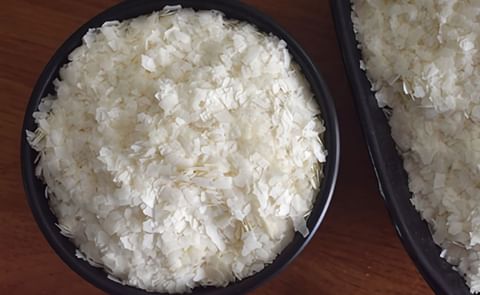
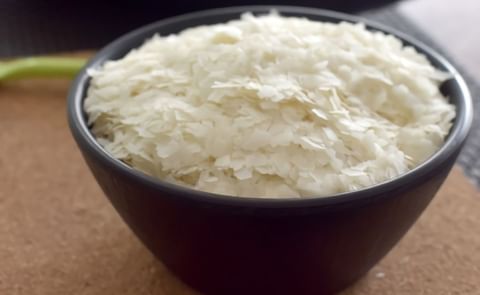
Potato flakes are a dehydrated form of cooked and mashed potatoes, produced by spreading the mash into thin layers and rapidly removing moisture to create lightweight, shelf-stable flakes. The process involves cooking peeled potatoes, mashing them under controlled conditions and drying the mash is the most commonly used drum (roller) drying technology. During drying, approximately 90–95% of the water content is removed, resulting in thin, brittle sheets that are subsequently broken into irregular flakes. These flakes can be easily rehydrated to produce mashed potatoes or used as a functional ingredient in a wide range of food applications.
Within the global potato processing industry, potato flakes occupy an important position in the value-added utilization of potatoes. By converting highly perishable fresh tubers into a stable, transportable product, potato flakes help extend shelf life, reduce post-harvest losses and support efficient supply chain management. Alongside products such as frozen fries, chips, granules and starch, flakes are widely used in convenience foods, snacks, bakery products and institutional catering. Their ability to deliver consistent texture, flavor and performance makes them particularly valuable for large scale food manufacturing and foodservice operations, including the hotels, restaurants and catering.
Potato flakes also play a role in stabilizing markets by allowing surplus or contract grown processing potatoes to be converted into durable products that can be stored and traded internationally. Major potato processing regions including Europe, North America and parts of Asia rely on flakes to balance seasonal production fluctuations while meeting year-round demand. In emerging and developing markets, potato flakes are increasingly used in affordable, shelf stable food formulations, supporting food availability where cold storage and fresh supply chains may be limited.
Compared with fresh potatoes, potato flakes offer clear advantages in terms of preservation and usability. Fresh potatoes typically contain around 75–80% moisture, making them susceptible to sprouting, mechanical damage and spoilage during storage and transport, even under controlled conditions. In contrast, potato flakes have a low moisture content (generally 5–8%), enabling a shelf life of 12–24 months, significantly reduced weight, volume and no requirement for refrigeration. This improves logistical efficiency and lowers transportation costs.
Among dehydrated potato products, flakes are distinct from potato granules and potato powder. Granules consist of agglomerated particles designed for very smooth rehydration, while potato powder is finely milled and primarily used as a thickening or binding agent. Potato flakes retain more of the potato cell structure, producing a coarse, home-style texture when rehydrated and offering superior performance in applications such as extruded snacks and formed foods. Although some heat sensitive nutrients, particularly vitamin C, are reduced during processing, potato flakes retain key minerals such as potassium and provide consistent nutritional and functional quality independent of seasonal variation.
From Fresh Tubers to Flakes
What Are Potato Flakes?
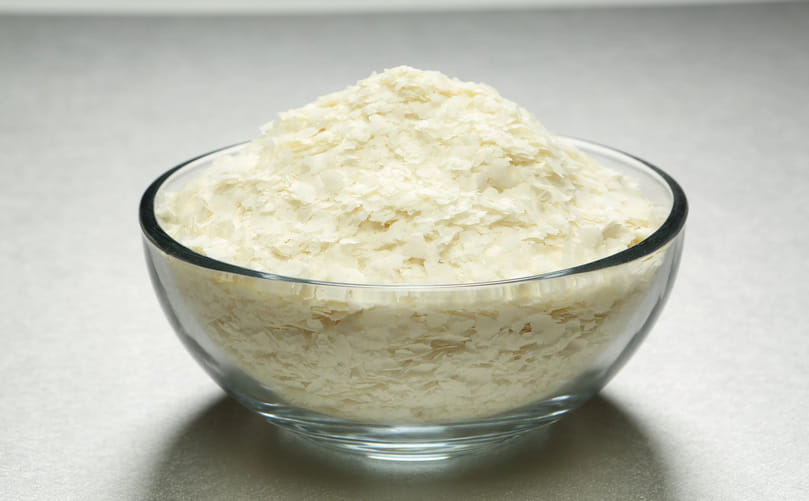
Potato flakes are a dehydrated potato product made from cooked and mashed potatoes that are dried into thin sheets and subsequently broken into irregular flakes, most commonly using drum (roller) drying technology. They consist primarily of potato solids and may contain small amounts of functional additives such as emulsifiers or antioxidants to improve stability, color retention and rehydration performance. Potato flakes are designed to rehydrate rapidly, forming a mashed potato like consistency with minimal lump formation. Key functional characteristics include high starch content for binding and thickening, a mild potato flavor and strong water absorption capacity.
In terms of physical form, potato flakes are lightweight, porous and brittle, typically appearing as thin, flaky particles rather than uniform granules. Particle size generally varies depending on application requirements, ranging from fine to coarse flakes. Their color is usually off-white to pale yellow, influenced by potato variety, sugar content and processing conditions. One of the main advantages of potato flakes is their extended shelf life, which is typically 12–24 months when stored in airtight, moisture resistant packaging at ambient temperatures (below 25°C) and protected from humidity and light. This low-moisture, shelf-stable nature makes potato flakes suitable for foodservice, industrial manufacturing and institutional use.
Potato flakes are distinct from other dehydrated potato products such as potato granules and potato powder, both in production method and functionality. Potato granules are produced through a controlled multi stage dehydration process that preserves individual potato cells, resulting in small, dense particles that rehydrate into a very smooth and creamy mash with minimal mixing. Because of this structure, granules are often preferred in applications where uniform texture and low gumminess are critical. Potato flakes, by contrast, retain more of the potato’s cellular structure, producing a coarser, more home-style texture when rehydrated and offering superior performance in applications such as extruded snacks, formed foods and pellet production.
Potato powder sometimes referred to as potato flour is produced by finely milling dehydrated potatoes into a very fine particle size and is primarily used as a thickener, binder or gluten-free ingredient in bakery and processed foods. While potato powder disperses easily and integrates well into doughs and batters, it lacks the rehydration body and texture provided by flakes or granules. Overall, potato flakes occupy a middle ground, combining functional versatility, textural integrity and broad application potential, making them a key ingredient within the potato processing industry.
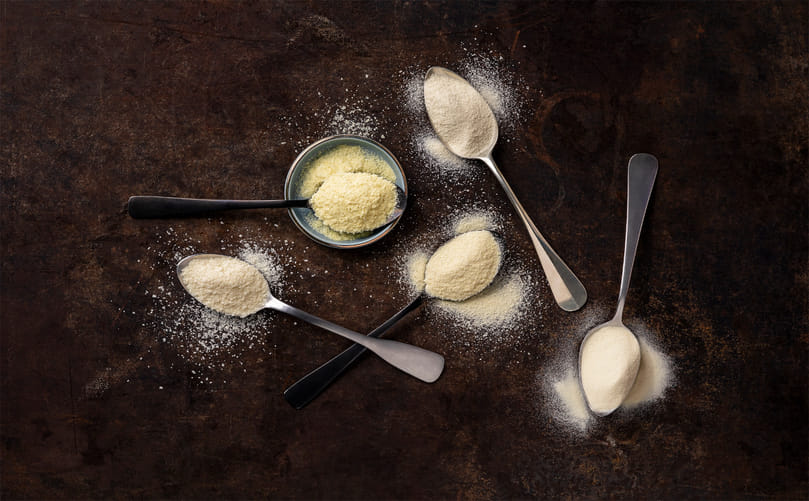
Potato Flakes: Dehydrated Potato Product with Quick Rehydration (Source: Aviko)
Raw Material Selection for Potato Flake Production
The production of high-quality potato flakes relies heavily on the careful selection of processing grade potato varieties that are well suited to cooking, mashing and dehydration. Commonly used cultivars include Russet Burbank, Atlantic, Snowden, Kennebec, Superior and region-specific processing varieties developed for consistent performance. These cultivars are preferred due to their high dry matter content, uniform tuber shape and stable processing behavior, and they are widely grown under contract farming systems in major potato processing regions such as North America and Europe.
An ideal raw potato for flake production typically exhibits a high dry matter content, generally in the range of 20–24%, which improves drying efficiency and increases finished product yield per unit of raw material. Higher dry matter reduces the amount of water that must be removed during drum drying, resulting in flakes with improved texture, reduced stickiness and better structural integrity. From a processing standpoint, high dry matter potatoes also contribute to improved energy efficiency and more consistent flake quality.
Starch content and quality are equally critical. Processing potatoes used for flakes usually contain 60–75% starch on a dry matter basis, which supports proper gelatinization during cooking and contributes to the binding, viscosity and rehydration characteristics of the final product. Excessive starch breakdown during cooking or mashing can negatively affect flake texture, so varieties with stable starch granules and moderate enzymatic activity are preferred.
Flesh color is another important quality attribute. White to pale yellow fleshed potatoes are favored to achieve a light, uniform flake color after drying. This is influenced by low levels of phenolic compounds and reduced polyphenol oxidase activity, both of which help minimize enzymatic browning during peeling, cutting and cooking. Maintaining low discoloration potential is essential for meeting visual quality expectations in both consumer and industrial applications.
The concentration of reducing sugars, particularly glucose and fructose, must be kept low typically below 0.25–0.30% on a fresh weight basis to prevent excessive browning and off-flavor development during high-temperature drum drying. Elevated sugar levels can promote Maillard reactions, leading to dark colored flakes and in extreme cases, increased formation of undesirable heat-induced compounds. Sugar levels are strongly influenced by potato maturity, storage temperature and stress conditions, making post-harvest handling a critical component of raw material management.
Uniformity in tuber size and physical quality is essential for efficient processing. Medium to large potatoes, generally within a 45–80 mm diameter range and with a round to oval shape, are preferred to ensure efficient peeling, minimal trim loss and even heat penetration during cooking. Tubers should be free from defects such as greening, internal discoloration, sprouting, rot or mechanical damage, all of which can negatively impact flake color, flavor, texture and food safety. Consistent raw material quality reduces processing variability, optimizes energy use and supports standardized flake characteristics required for global food manufacturing markets.
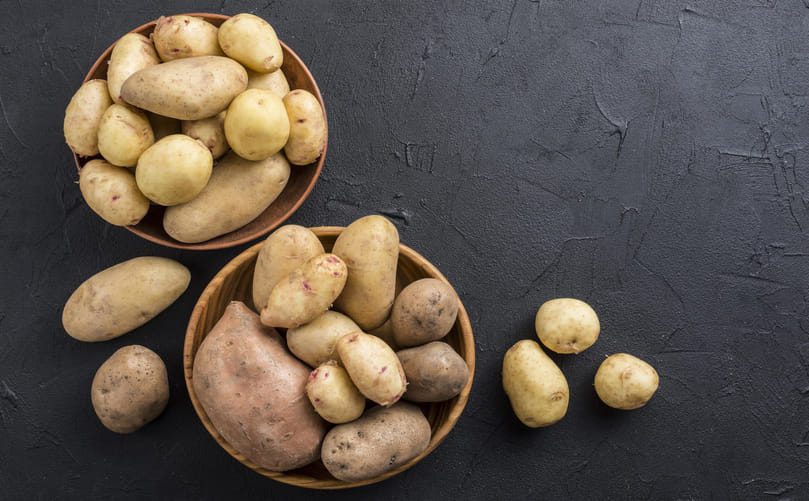
Processing-Grade Potatoes for Flake Production
From Fresh Potatoes to Flakes: Inside the Manufacturing Process
The manufacturing of potato flakes is a continuous, industrial-scale process designed to convert fresh potatoes into a dehydrated, shelf-stable ingredient while maintaining desirable flavor, texture and functional properties. The process focuses on controlled cooking, gentle cell handling and rapid moisture removal to preserve rehydration performance. On average, potato flakes yield approximately 18–22% of the original fresh potato weight, with most losses attributed to water removal and peel waste. Modern flake plants operate under strict hygiene and quality control systems to comply with international food safety standards such as HACCP, FSSC 22000 and EU or USDA regulations. Processing lines may vary depending on equipment configuration such as single or double drum dryers and the intended application of the flakes.
(Click picture to watch video)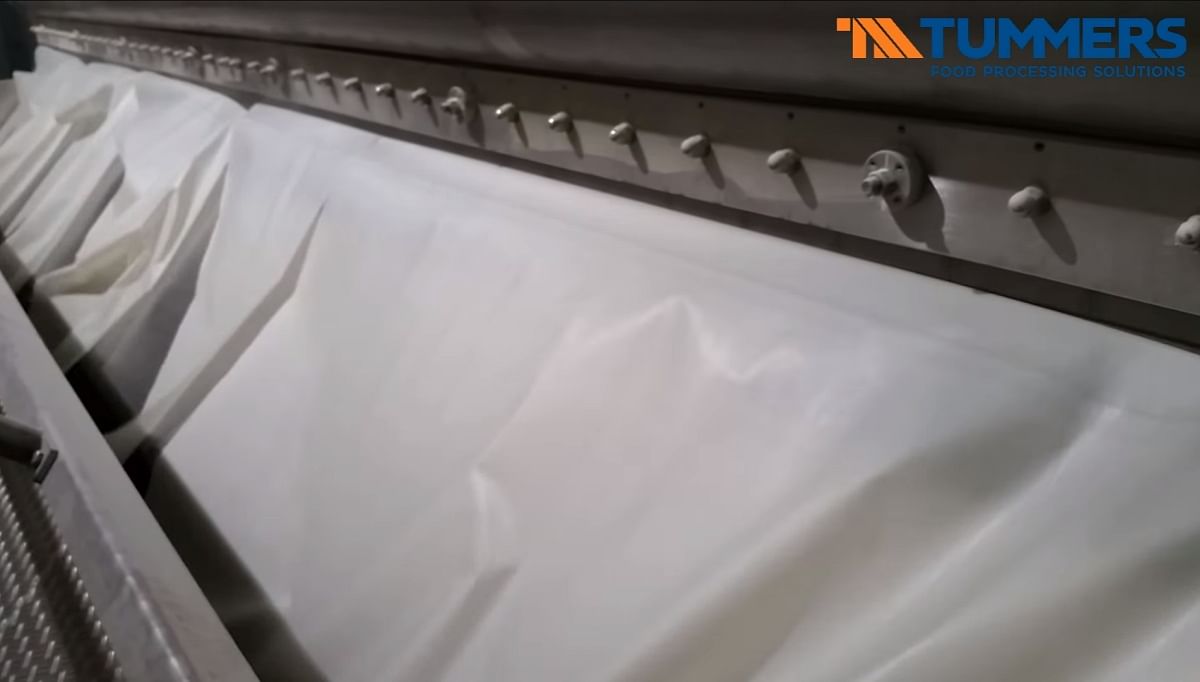
How Potato Flakes Are Made: Step-by-Step Industrial Processing (Tummers Food Processing Solutions)
Raw Material Reception and Inspection: Fresh potatoes are delivered to the processing facility and subjected to visual and automated inspection to assess size, maturity and defect levels. Soil, stones and foreign materials are removed using dry cleaning systems, flotation tanks or destoners. This step ensures that only potatoes meeting processing specifications enter the line, reducing contamination risks and improving final product consistency.
Washing and Peeling: Potatoes are thoroughly washed using high-pressure spray washers or immersion systems to remove adhering soil and surface contaminants. Peeling is then carried out using steam peeling, abrasive peeling or a combination of both. Steam peeling is widely preferred in flake production because it minimizes flesh loss typically 5–8% while preserving potato solids and nutrients. Removed peels are often recovered for animal feed, composting or starch extraction.
Cutting and Enzyme Control (Blanching): Peeled potatoes are cut into uniform slices or chunks to ensure even heat transfer during cooking. Depending on product requirements, a short blanching step may be applied to reduce enzymatic activity, limit browning and partially adjust reducing sugar levels. In some flake formulations particularly low-leach flakes blanching is minimized or omitted to retain soluble solids and improve rehydration properties.
Cooking / Steaming: The potato pieces are fully cooked using steam cookers, pressure vessels or continuous belt cookers, typically reaching internal temperatures sufficient to fully gelatinize starch. Cooking conditions are carefully controlled to achieve a soft, mealy texture without excessive breakdown. Proper cooking is critical: undercooked potatoes can result in gritty flakes, while overcooking may lead to excessive free starch and sticky mash.
Mashing: Cooked potatoes are gently mashed using ricers, auger mashers or roller mashers designed to minimize cell rupture. The goal is to create a uniform mash while preserving cellular structure, which is essential for good flake texture and rehydration. At this stage, small amounts of functional additives such as emulsifiers (e.g., mono- and diglycerides) or antioxidants may be incorporated to improve color stability, prevent oxidation and control stickiness. Additive levels are tightly regulated and kept minimal to meet clean label and regulatory requirements.
Drum Drying (Roller Drying): The potato mash is spread as a thin, even film onto heated rotating drums. Moisture is rapidly evaporated as the mash travels over the drum surface, forming a continuous dry sheet. Drum temperature, residence time and drum speed are precisely controlled to achieve a final moisture content of approximately 5–8%. Drum drying is a defining step in flake production, as it preserves structure and ensures rapid rehydration.
Cooling and Flaking: The dried potato sheet is removed from the drum using scraper blades and conveyed through cooling systems to prevent clumping and moisture pickup. The sheet is then broken into flakes using controlled milling or breaking equipment. Screening and classification ensure uniform flake size tailored to specific applications.
Packaging and Storage: Finished potato flakes are packed in moisture and oxygen resistant packaging, often with nitrogen flushing to extend shelf life and prevent oxidation. Packaging formats range from consumer packs to bulk industrial bags and totes. Products are stored in cool, dry warehouses to maintain quality throughout their 12–24 months shelf life. Modern facilities often incorporate energy recovery systems and wastewater treatment to improve sustainability and reduce environmental impact.
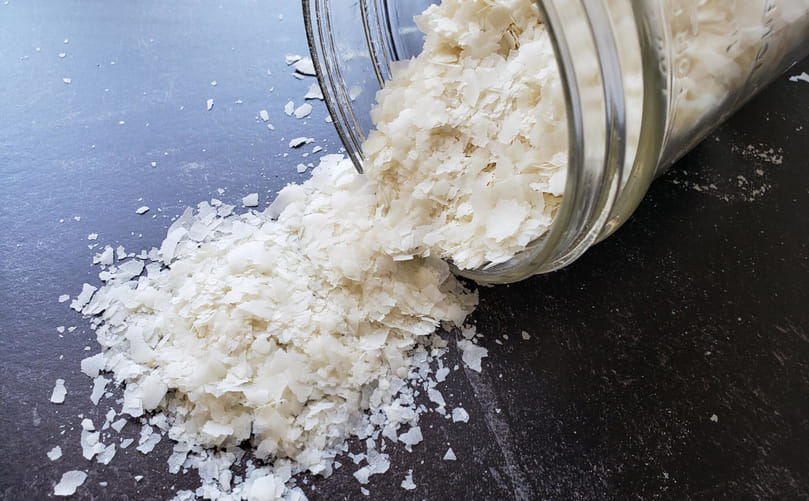
Potato Flakes: From Fresh Tubers to Dehydrated Ingredient
Quality Parameters of Potato Flakes: Ensuring Safety and Consistency
The quality of potato flakes is crucial to ensure consistent texture, flavor and shelf stability. Standards such as USDA Commodity Specifications, FDA regulations and Codex Alimentarius guide production and testing. Key quality parameters are carefully monitored through lab tests, sensory evaluation and microbial analysis, guaranteeing that the flakes perform well in rehydration and meet end use requirements.
Moisture Content: Moisture content is one of the most critical quality parameters for potato flakes, as it directly affects shelf life, flowability and microbial stability. Standard potato flakes generally contain 5–8% moisture, while premium or low-moisture grades are maintained at ≤6%. Moisture levels above the acceptable range can lead to caking, mold growth and reduced storage stability, whereas overly dry flakes may compromise texture and rehydration performance. Moisture is commonly measured using oven drying methods or Karl Fischer titration for higher accuracy.
Particle Size and Granulation: Uniform particle size is essential for consistent rehydration and smooth texture in finished mashed potato products. Potato flakes are typically produced in the 10–20 mesh range (approximately 0.8–2 mm). Flakes that are too fine tend to generate excessive dust and uneven hydration, while overly coarse flakes can result in poor mixing and lump formation. Sieve analysis is used to ensure granulation uniformity, supporting predictable processing performance in both industrial and foodservice applications.
Rehydration Capacity: Rehydration capacity defines the functional performance of potato flakes during preparation. High quality flakes absorb approximately 4–5 times their weight in water within 2–5 minutes at temperatures between 80–95°C, producing a smooth, mealy mash without lump formation. This characteristic is strongly influenced by starch gelatinization and free starch levels, which typically range from 15–25%. Proper rehydration behavior is essential for applications in instant mashed potatoes, snacks and processed foods.
Flavor and Color: Flavor and color are key sensory attributes that influence consumer acceptance. Potato flakes should exhibit a clean, natural potato flavor without off notes such as burnt, bitter or rancid tastes. Color should be light cream to pale yellow, with Hunter Lab L* values generally above 70, indicating minimal enzymatic or non-enzymatic browning. Maintaining low reducing sugar levels (below 0.25–0.3%) helps prevent excessive Maillard reactions during drying, preserving both color and flavor quality.
Microbial Safety Standards: Microbial safety is ensured through strict hygiene controls and validated processing systems such as HACCP. Acceptable limits typically include a total plate count below 10,000 CFU/g, coliforms below 10 CFU/g and the complete absence of pathogens such as Salmonella and Escherichia coli. Microbiological testing is conducted according to AOAC or equivalent international methods to ensure compliance with food safety regulations.
Reducing Sugars and Free Starch: Reducing sugars and free starch play a crucial role in processing stability and final product quality. Reducing sugar content is generally maintained below 0.25% to minimize browning and off-flavor development during thermal processing. Free starch content, usually between 15–25%, contributes to proper binding, texture and rehydration performance. Analytical techniques such as HPLC are used to monitor sugar levels with precision.
Bulk Density and Visual Quality: Bulk density affects packaging efficiency, handling and transportation economics. Potato flakes typically exhibit a bulk density of 0.2–0.4 g/cm³. Visual quality is assessed by the presence of dark specks or blemishes, which should be minimal (generally fewer than five specks per 100 g). Excessive specking may indicate poor peeling efficiency or raw material defects, negatively impacting appearance and consumer perception.
Nutritional and Chemical Parameters: Chemical and nutritional parameters ensure regulatory compliance and product consistency. Ash content is usually kept below 3%, while sulfite levels, if used as processing aids, must remain under 100 ppm in accordance with food safety regulations. The pH of potato flakes typically ranges from 5.5 to 6.5, supporting flavor stability and microbial control. Certification under standards such as ISO 22000 or FSSC 22000 further confirms adherence to international food safety and quality systems.
Types of Potato Flakes and Their Applications
Potato flakes are available in several types, each designed to meet specific functional requirements, processing conditions and market preferences. The differences among flake types arise from factors such as potato variety selection, degree of processing, moisture control, use of additives and certification standards. While standard potato flakes account for the majority of global consumption, specialized variants such as low-moisture and clean-label flakes are gaining importance in snacks, bakery, foodservice and health-oriented product segments.
Standard Potato Flakes: Standard potato flakes are the most widely used and commercially dominant type. They are produced from fully cooked and dehydrated mashed potatoes and typically contain moderate levels of free starch, usually in the range of 15–20%, which provides balanced viscosity and a mealy, fresh potato like texture upon rehydration. These flakes reconstitute easily with hot water or milk and are commonly used in instant mashed potatoes, extruded snacks, soups, sauces and formulated food products. Minimal emulsifiers may be added to improve texture stability, while color varies from white to pale yellow depending on the potato variety used, such as Russet types for lighter flakes.
Low-Moisture Potato Flakes: Low moisture potato flakes are processed to achieve tighter moisture specifications, generally at or below 5.5%, compared to conventional flakes. This reduced moisture level enhances shelf life, improves resistance to microbial growth and minimizes caking during storage, particularly in humid climates or extended supply chains. Functionally, low-moisture flakes perform similarly to standard flakes in terms of rehydration and texture but require stricter drying control and quality monitoring during production to prevent over drying or flavor degradation. These flakes are preferred in export markets and industrial applications requiring long term stability.
Clean Label or Additive Free Potato Flakes: Clean label or additive free potato flakes are produced without synthetic preservatives, emulsifiers, stabilizers or artificial colors. Product stability is achieved through optimized processing conditions, careful raw material selection and controlled drying rather than chemical aids. These flakes are particularly suited for organic, natural and health focused food markets, where ingredient transparency is a key purchasing driver. While clean label flakes may have a slightly shorter shelf life and more sensitivity to storage conditions, they offer strong appeal to consumers seeking minimally processed and “natural” food ingredients.
Key Applications of Potato Flakes Across the Food Industry
Potato flakes are a highly versatile ingredient widely used across food manufacturing due to their rapid rehydration, consistent functionality and ability to enhance texture, structure and stability. Their dehydrated form allows manufacturers to avoid the challenges associated with handling fresh potatoes, such as seasonal availability, perishability, peeling losses and labor intensive preparation. As a result, potato flakes support efficient, scalable production while ensuring uniform quality across batches.
In addition to their functional benefits, potato flakes align well with modern food trends, including convenience foods, gluten-free formulations, plant based products and long shelflife solutions. Their stability also makes them suitable for institutional catering, emergency food programs and ready meal manufacturing. While food applications dominate, by products from potato flake production contribute to limited industrial uses such as starch recovery for adhesives, paper processing and bio-based materials, supporting sustainability initiatives.
Instant Mashed Potatoes: Instant mashed potatoes represent the most established application of potato flakes. When rehydrated with hot water, milk or seasoning blends, flakes rapidly form a smooth or slightly mealy mashed potato with minimal preparation time. This application is widely used in households, foodservice operations and institutional catering such as hospitals, schools and military kitchens. Commercial formulations often include flavored variants such as butter, garlic, herbs or cheese to enhance consumer appeal.
Snack Foods and Extruded Products: Potato flakes play a critical role in fabricated and extruded snack products, where they act as a structural base and expansion aid. During extrusion or frying, flakes contribute to uniform expansion, crispness and controlled oil uptake. They are commonly used in snack pellets, formed chips and extruded shapes such as sticks, rings or curls. In regional snack markets, including India, potato flakes are incorporated into products like namkeen, aloo bhujia and other savory snacks to improve texture and consistency.
Bakery and Baked Goods: In bakery applications, potato flakes function as moisture retainers and texture enhancers. Their inclusion in bread, rolls, muffins, cookies and cakes helps delay staling, improve softness and extend shelf life. In gluten free baking, potato flakes partially replace wheat flour, improving crumb structure and mouthfeel. They are also used in flatbreads, parathas and specialty doughs to enhance softness and pliability.
Soups, Sauces and Gravies: Potato flakes serve as effective natural thickeners in soups, sauces, gravies and stews. They provide body and creaminess without forming lumps, making them suitable for both instant and canned formulations. Their neutral flavor allows them to enhance mouthfeel without overpowering the product’s taste profile and they contribute to emulsion stability in creamy or dairy based preparations.
Plant-Based and Meat Analogue Products: In plant-based foods and meat analogues, potato flakes function as binders and texturizing agents. They improve cohesion, juiciness and bite in products such as vegetable patties, nuggets, sausages and cutlets. When combined with plant proteins like soy or pea, potato flakes help mimic the texture of traditional meat products, making them valuable in vegetarian and vegan formulations used by quick service restaurants and food manufacturers.
Additional and Specialized Uses: Beyond core applications, potato flakes are used in breading systems for fish, meat and vegetables, as well as in potato-based dishes such as hash browns, casseroles, scalloped potatoes and ready to eat meals. They also find use in prepared foods like pav bhaji, instant curries and frozen meals. From an industrial sustainability perspective, processing residues and effluents from flake production enable starch recovery for limited non-food uses, including biofuels and adhesive formulations.
Nutritional Value of Potato Flakes
Potato flakes provide a concentrated nutritional profile derived from whole potatoes, with most nutrients retained in a shelf-stable, dehydrated form. They are primarily a source of complex carbohydrates for energy, complemented by moderate protein, dietary fiber and essential vitamins and minerals. On a dry-weight basis, potato flakes typically contain 350–370 kcal per 100 g, 75–80 g carbohydrates (mainly starch), 7–10 g protein, 4–6 g dietary fiber and less than 1 g fat, making them a naturally low-fat food ingredient.
While dehydration preserves minerals and macronutrients effectively, some loss of heat and water sensitive vitamins particularly vitamin C occurs during cooking and drying. Despite this, potato flakes remain nutritionally valuable, especially when compared with refined cereal-based ingredients.
Carbohydrates, Fiber and Protein: Carbohydrates are the dominant macronutrient in potato flakes, providing sustained energy through starch. A portion of this starch may convert to resistant starch during cooking and cooling, which can support gut health by acting as a fermentable fiber. Dietary fiber content is moderate and typically lower than fresh potatoes due to peeling and processing but still contributes to digestive health when consumed regularly.
Protein content is modest but of good biological quality, containing essential amino acids, though not sufficient as a primary protein source. When used in meals or formulations alongside legumes, dairy or plant proteins, potato flakes contribute to satiety and balanced nutrition.
Vitamins and Minerals (Potassium and Vitamin Retention): Potato flakes are particularly rich in potassium, typically providing 1,500–2,000 mg per 100 g (dry weight), supporting muscle function, nerve transmission and blood pressure regulation. Potassium is one of the key nutrients often under consumed in many diets, increasing the nutritional relevance of potato-based products.
Vitamin C content is reduced during processing, with retention generally around 20–30% of fresh potato levels. When rehydrated and consumed as a serving, potato flakes may still contribute a meaningful portion of daily vitamin C intake, often more than many grain based foods. Additional micronutrients include magnesium, phosphorus, iron, calcium (in small amounts) and B vitamins such as vitamin B6 and niacin, which support energy metabolism.
Sodium Considerations: Potato flakes are naturally low in sodium; however, commercial products may contain added salt or stabilizing ingredients depending on formulation. Sodium levels can range from 200–400 mg per serving in flavored or seasoned varieties. For sodium sensitive or heart healthy diets, low sodium or unsalted potato flakes are preferable, particularly in institutional and clinical nutrition settings.
Advantages of Potato Flakes in Modern Food Processing
Potato flakes offer multiple advantages across the food processing value chain, making them a preferred ingredient for manufacturers, foodservice operators and consumers. Their dehydrated form overcomes major challenges associated with fresh potatoes such as perishability, bulkiness and handling losses while improving consistency, efficiency and scalability in food production. Beyond convenience, potato flakes contribute to cost optimization, sustainability and product innovation, supporting the global growth of the processed potato sector.
Extended Shelf Life: With moisture content typically reduced to 5–8%, potato flakes can remain stable for 12–24 months or longer under proper storage conditions significantly exceeding the 1–3 months shelf life of fresh potatoes. This long shelf life minimizes spoilage, allows stockpiling for seasonal demand fluctuations and supports applications such as emergency food supplies and international aid, without the need for preservatives or refrigeration.
Ease of Storage and Transportation: Potato flakes are lightweight and compact up to 80% lighter than fresh potatoes resulting in reduced storage space requirements and lower transportation costs. The absence of cold chain dependency further cuts energy consumption in logistics. Moisture proof packaging protects the product from humidity, pests and environmental damage, enabling efficient global distribution.
Consistent Quality and Performance: Unlike fresh potatoes, which vary by season, region and cultivar, potato flakes provide uniform color, flavor and texture. This consistency simplifies quality control and ensures predictable results in applications such as instant mashed potatoes, snacks, bakery products and ready meals. Manufacturers benefit from precise formulations without the need to adjust for variations in moisture or starch content.
Rapid and Convenient Preparation: Potato flakes rehydrate within 1–3 minutes using hot water or milk, significantly reducing preparation time. This rapid usability enhances productivity in HoReCa, institutional kitchens and industrial food processing, lowering labor requirements and increasing operational efficiency in high-volume environments.
Reduction in Food Waste: Flake production utilizes surplus, undersized or cosmetically imperfect potatoes that might otherwise be discarded. This process can convert 20–30% more raw material into usable food products, reducing agricultural waste, improving processor yields and increasing economic returns for farmers while lowering environmental impact.
Cost-Effectiveness: Potato flakes offer cost savings through reduced storage, transportation, labor, water and energy requirements. These efficiencies make them a financially attractive alternative to fresh potatoes, particularly in large-scale food manufacturing and foodservice operations.
Nutritional Retention and Functional Versatility: Despite dehydration, potato flakes retain essential nutrients such as carbohydrates and potassium. Their functional properties excellent water absorption, binding ability and texture enhancement make them highly versatile. They improve moisture retention, delay staling and enhance mouthfeel in bakery products, snacks, soups and extruded foods.
Limitations and Challenges in Potato Flake Production and Adoption
While potato flakes provide significant advantages in the processed food sector, their production and market adoption face several limitations that affect efficiency, sustainability and competitiveness. These challenges arise from agricultural dependencies, processing intensity, environmental pressures, regulatory frameworks and shifting consumer preferences. Addressing them often requires technological innovation, improved supply chain coordination and sustainable production practices.
Price Volatility of Raw Potatoes: Potato prices fluctuate widely due to seasonal yield variations, weather extremes (such as droughts and floods) and pest or disease outbreaks, particularly late blight, which can reduce harvests by 20–30% in affected regions. This volatility increases raw material costs and compresses margins, especially for small and medium processors lacking contract farming arrangements or price-hedging mechanisms.
Energy-Intensive Processing: Potato flake production especially the drum drying stage is highly energy intensive, consuming approximately 2–3 MJ per kg of finished product. Rising energy prices and stricter carbon regulations can significantly increase operating costs and environmental footprints. As a result, processors are under pressure to adopt energy efficient dryers, waste heat recovery systems or renewable energy sources.
Quality Risks from Improper Storage: Potato flakes are hygroscopic and readily absorb moisture. If stored under poor conditions typically above 60% relative humidity they may clump, develop mold or suffer flavor and color degradation. Additional risks include pest infestation (e.g., weevils) and oxidative damage caused by light or oxygen exposure, potentially leading to quality claims, recalls or increased product waste.
Dependence on Processing Infrastructure: Production requires capital-intensive infrastructure, including peeling systems, cooking units and drum dryers. High initial investment costs limit entry for small scale producers, particularly in developing economies. Inadequate infrastructure such as unreliable electricity, limited access to clean water or insufficient logistics further constrains expansion in rural potato growing regions.
Environmental and Sustainability Challenges: Intensive potato cultivation can deplete soil nutrients and demand high water inputs up to 500 liters per kg of potatoes in some systems intensifying pressure on water resources under climate stress. Processing operations generate wastewater with high organic loads, which poses environmental risks if not properly treated and managed, increasing compliance and treatment costs.
Regulatory and Health-Related Concerns: The potential formation of acrylamide during high temperature drying raises regulatory and consumer concerns, prompting stricter limits and monitoring requirements. Compliance with food safety standards, additive regulations and labeling laws increases operational complexity and cost. Additionally, growing consumer preference for fresh or minimally processed foods may limit demand in markets where potato flakes are perceived as “ultra-processed.”
Market Competition and Supply Chain Risks: Potato flakes face competition from fresh and frozen potatoes as well as alternative products such as rice-based ingredients or vegetable substitutes (e.g., cauliflower mash). In price sensitive markets, these alternatives can limit adoption. Furthermore, global supply chain disruptions caused by trade restrictions, extreme weather events, pandemics or labor shortages during harvesting can affect raw material availability and export stability.
Overcoming these limitations requires a combination of resilient potato varieties, energy and water efficient technologies, robust storage and logistics systems and sustainable agricultural practices. Strategic investments in innovation and supply chain resilience are essential to ensure the long-term viability and competitiveness of the potato flake industry.
Global Potato Flakes Market Overview
The global potato flakes market represents a dynamic and steadily expanding segment of the broader potato processing industry. Growth is driven by rising demand for convenient, shelf-stable and processed food products across both developed and emerging economies. Increasing urbanization, higher disposable incomes and changing dietary habits particularly the shift toward ready to eat and easy to prepare foods continue to support market expansion.
As of 2024, the global potato flakes market was valued at approximately USD 7.6–8.4 billion and is projected to reach USD 11.4–12.1 billion by 2030, registering a compound annual growth rate (CAGR) of about 6.1–6.8%. Potato flakes account for roughly 10–15% of the global dehydrated potato market, which itself forms part of the wider potato processing sector valued at over USD 41 billion. The market has demonstrated resilience by adapting to supply chain disruptions, with sustainability initiatives and technological innovation helping to offset challenges such as raw material price volatility.
Regional Production Landscape
Europe: Europe leads global potato flake production, accounting for over 40% of total output. Countries such as the Netherlands, Belgium and Germany benefit from high potato yields, advanced dehydration technologies and well-established processing infrastructure.
North America: North America follows, representing approximately 25–30% of the global market, led by the United States and Canada. Large-scale farming systems, strong contract farming models and major processors such as Idahoan Foods support consistent production and export capacity.
Asia-Pacific: Asia is an emerging growth hub, with China and India as key contributors. Expanding snack industries, rising domestic consumption and urban lifestyle changes have helped the region achieve an estimated 20% market share, with strong growth potential ahead.
Other Regions: South America (notably Argentina) and Eastern Europe are gaining importance due to cost-efficient production, increasing processing investments and export-oriented growth strategies.
Global Trade Dynamics
Key exporting countries include the Netherlands, Belgium, Germany and the United States, which leverage advanced logistics, strong quality standards and favorable trade frameworks (such as EU trade agreements and NAFTA/USMCA). These countries export significant volumes of potato flakes annually for use in snack manufacturing, foodservice and food aid programs.
Major importing markets include Japan, the United Kingdom, Mexico, Italy and several Asian countries such as South Korea and Indonesia, where domestic production does not fully meet the demand for consistent, high quality processed potato products.
Role of Potato Flakes in the Processed Potato Value Chain
Potato flakes play a critical role in the processed potato value chain by converting raw potatoes often surplus or lower grade tubers into high-value, shelf-stable ingredients. Dehydration reduces weight by nearly 80%, concentrates nutrients and significantly extends usability. This enables efficient storage, transportation and integration into downstream products such as snacks, instant meals, soups and bakery applications.
By absorbing excess supply, potato flakes help stabilize farm-gate prices, reduce post-harvest losses and enhance farmer incomes through contract farming arrangements. They also contribute to food security in regions with limited access to fresh produce.
Key Growth Drivers
Major factors supporting market growth include:
- Rising demand for convenience foods, including instant mashed potatoes and ready meals
- Expansion of the HoReCa sector, where flakes ensure consistent quality and faster preparation
- Growth of the snack industry, particularly extruded and fabricated snacks
- Increasing adoption of plant-based diets, with flakes used as binders in meat alternatives
- Technological advancements, improving energy efficiency, product quality and sustainability
Emerging markets in Asia-Pacific and Latin America are expected to remain key growth engines due to rapid urbanization and westernization of diets.
Key Players in the Potato Flakes Industry
The potato flakes industry is moderately concentrated, with a combination of multinational corporations and strong regional specialists dominating global production. Leading players collectively account for an estimated 50–60% of the market, supported by extensive supply chains, continuous R&D investment, strategic acquisitions and long-term grower partnerships. Their competitive strategies focus on product diversification, sustainability, quality assurance and geographic expansion, while adhering to certifications such as HACCP, ISO and organic standards to meet evolving regulatory and consumer expectations. A neutral industry assessment highlights their role in driving innovation, ensuring supply stability and advancing processing efficiency rather than promotional positioning.
Leading Global Manufacturers
- McCain Foods Limited (Canada): A global leader operating in over 160 countries, McCain specializes in frozen and dehydrated potato products, including potato flakes for snacks and instant meals. Strategic acquisitions, such as Lutosa, have strengthened its processing capacity and European footprint.
- Lamb Weston Holdings, Inc. (USA): Recognized for advanced dehydration technologies, Lamb Weston produces potato flakes for foodservice and retail markets. The company maintains a strong presence in North America and Europe through joint ventures and long-term customer relationships.
- J.R. Simplot Company (USA): Offers a broad portfolio of potato flakes, including organic and specialty variants, with a strong emphasis on sustainable sourcing and exports from facilities in the United States and Australia.
- Idahoan Foods, LLC (USA): Known for premium instant mashed potato flakes, Idahoan focuses on flavor innovation, clean-label formulations and convenience products, primarily serving the North American retail and foodservice markets.
- Aviko Rixona B.V. (Netherlands): A European leader in dehydrated potato ingredients, Aviko Rixona supplies flakes for snack, bakery and industrial applications, supported by a strong export orientation and sustainability initiatives.
- Emsland Group (Germany): Specializes in starch derived and functional potato flakes, supplying industrial customers across more than 100 countries, with a focus on ingredient performance and consistency.
- Lutosa SA (Belgium, part of McCain): Produces high quality potato flakes for European and international markets, benefiting from vertically integrated supply chains and advanced processing infrastructure.
- Agrana Beteiligungs-AG (Austria): Focuses on organic and specialty potato flakes, including low sugar and health oriented variants tailored to clean label and nutrition focused applications.
- Bob’s Red Mill Natural Foods, Inc. (USA): Targets the natural and organic retail segment, offering additive free potato flakes aimed at health conscious consumers.
- Basic American Foods (USA): Supplies industrial-grade potato flakes primarily for foodservice, institutional and large-scale manufacturing applications.
The role of contract farming is essential, as companies like McCain and Lamb Weston partner with farmers to secure high quality, sustainable potato supplies, ensuring traits like low sugars and high dry matter. This model reduces risks from volatility, improves yields through shared expertise and supports traceability for certifications.
Innovation by processors includes developing low acrylamide flakes through optimized drying, functional variants fortified with vitamins or fibers and eco-friendly processes like energy efficient dehydration. Companies are also exploring AI for quality control and expanding into plant-based applications to align with market trends.
Sustainability and Processing Trends in Potato Flake Production
Sustainability has become a central priority in potato flake production as the industry responds to environmental challenges such as water scarcity, high energy consumption and waste generation. Current trends emphasize circular economy principles, in which by products are reused and resource efficiency is maximized without compromising product quality. Processors are increasingly adopting environmentally responsible practices to comply with regulatory requirements, meet consumer demand for sustainable products and achieve corporate sustainability targets.
These efforts include the integration of renewable energy, optimization of water management systems and improved supply chain transparency. Globally, closer collaboration among farmers, processors and researchers is driving a shift toward low impact agriculture and efficient manufacturing, reducing the overall carbon footprint of potato-based foods.
Water and Energy Efficiency in Flake Processing Plants: Modern potato flake facilities employ closed loop water systems and heat recovery technologies, enabling the recycling of up to 90% of process water. Energy consumption is reduced by approximately 20–30% through the use of high-efficiency dryers, optimized steam systems and process automation. Advanced preprocessing technologies such as Pulsed Electric Field (PEF) further enhance sustainability by reducing water and energy requirements by up to 90%, while also improving slicing efficiency and drying performance.
By-Product Utilization and Waste Reduction: By-products such as potato peels, trimmings and starch rich wastewater are increasingly repurposed into animal feed, biogas, biofertilizers, adhesives and biofuels. This approach diverts waste from landfills, lowers disposal costs and creates additional revenue streams. In advanced processing plants, starch recovery systems enable the reuse of organic solids from wastewater, supporting near-zero-waste operations.
Sustainable Sourcing of Potatoes: Processors are placing greater emphasis on certified and responsible farming practices, including reduced pesticide use, crop rotation, efficient irrigation and soil health management. Contract farming models encourage the cultivation of low input, high dry matter potato varieties, reducing environmental pressure while ensuring consistent quality. Digital traceability tools are increasingly used to verify ethical sourcing and compliance with sustainability standards.
Carbon Footprint Reduction: To lower greenhouse gas emissions, potato flake manufacturers are adopting renewable energy solutions such as solar powered or biomass supported dryers and implementing process electrification strategies. Life-cycle assessments (LCAs) are being used to measure and optimize emissions across the value chain from field to factory resulting in significant CO₂ reductions, in some cases equivalent to thousands of tons annually.
Emerging Sustainability and Processing Trends: Emerging innovations include microwave assisted and vacuum drying technologies, which offer lower energy consumption and improved product quality compared to conventional methods. In parallel, research into climate resilient potato varieties aims to address water scarcity, temperature stress and yield instability under changing climate conditions. Together, these advancements are strengthening the long-term sustainability and resilience of the potato flake industry.
What Sets Potato Flakes Apart from Other Potato Products
Potato flakes are one of several processed potato formats, each differing in production method, texture, nutritional retention, shelf life, cost and end use applications. Flakes are particularly valued for their versatility in rehydration and binding applications, although they may offer less “fresh-like” appeal than frozen products or less smoothness than granules in certain formulations. These differences largely arise from the processing techniques used potato flakes are typically produced by drum drying mashed potatoes into thin sheets, while other products rely on air drying, add-back drying or freezing.
From a nutritional standpoint, most processed potato products retain core nutrients such as carbohydrates and potassium, though heat processing can reduce vitamin C and in some cases, dietary fiber. In terms of cost and logistics, dehydrated products like flakes are significantly cheaper to store and transport than frozen alternatives, which require cold chain infrastructure. In industrial applications, functional performance also varies: potato flakes generally absorb 4–5 times their weight in water, granules absorb more due to their aggregated structure and powders disperse finely each influencing texture and performance in bakery, snack and ready meal formulations.
Potato Flakes vs. Potato Granules: Potato flakes are produced by drum drying cooked, mashed potatoes into thin sheets that are then milled. When rehydrated, they yield a flaky, mealy texture similar to homemade mashed potatoes, making them ideal for instant mashed potatoes, extruded snacks and bakery applications.
Potato granules, produced through an add-back drying process (partial drying followed by re-aggregation), rehydrate to a denser and smoother consistency with reduced gumminess during overmixing. This makes granules well suited for institutional catering and applications requiring uniform, creamy textures. Flakes typically contain higher levels of free starch (15–25%), supporting better expansion in baked or extruded products, while granules absorb more water without lump formation. Nutritionally, both products are comparable, though granules may retain slightly more heat sensitive vitamins due to gentler processing.
Potato Flakes vs. Potato Powder: Potato flakes provide visible texture and body when rehydrated and function effectively as binders in patties, snacks and dough systems. In contrast, potato powder finely milled dehydrated potatoes, often with skins included disperses completely and is primarily used as a thickener in soups, sauces and gluten-free formulations.
Potato powder has a very fine particle size (typically <0.1 mm), enabling seamless incorporation but offering limited structural integrity. Flakes generally involve higher production costs due to sheet formation and controlled drying, yet they deliver better flavor release and texture. Both products experience some loss of vitamin C during processing, although powder may contain higher fiber levels when potato skins are retained.
Potato Flakes vs. Frozen Mashed Potatoes: Potato flakes offer a long ambient shelf life of 1–2 years, lightweight transport and rapid rehydration without the need for thawing. These advantages make them highly suitable for convenience foods, foodservice and emergency or institutional use.
Frozen mashed potatoes, by contrast, retain more natural flavor, texture and nutrients, including higher vitamin C levels, as they avoid high-heat dehydration. However, frozen products require cold chain logistics, increasing storage and transportation costs by approximately 20–30%, and are susceptible to issues such as freezer burn. As a result, frozen mashed potatoes are more commonly used in premium retail and restaurant applications, where fresh like quality is prioritized.
Potato flakes offer a strong balance of cost efficiency, shelf stability and functional versatility, making them a preferred choice for industrial food processing and convenience applications. While they may not fully match the premium sensory quality of frozen products or the ultra-fine functionality of powders in specialized recipes, flakes remain one of the most adaptable and widely used processed potato formats.
Future Outlook and Growth Prospects of Potato Flakes
The future of the potato flakes industry looks promising, supported by evolving consumer preferences, technological advancements and expanding global markets. Increasing urbanization and busy lifestyles are driving demand for convenient, ready to eat foods, positioning potato flakes for growth in applications such as snacks, instant meals and plant-based alternatives. Sustainability will continue to be a major focus, with processors implementing eco-friendly practices to reduce environmental impact.
Innovation in functional and fortified flakes, including low-acrylamide or fiber-enriched products, will cater to health-conscious consumers, while automation and AI technologies enhance efficiency and product consistency. Emerging markets in Asia and Africa present untapped growth potential, fueled by rising incomes and processed food adoption, though challenges such as climate resilience and infrastructure development remain.
Key Growth Drivers
Demand from Snacks & Convenience Foods: The growing popularity of extruded snacks, instant meals and on the go products is driving potato flake consumption, particularly in urban centers where time saving foods are highly valued. Integration into global cuisines, such as Asian noodles or Latin American empanadas, is further expanding market reach.
Clean-Label and Functional Flakes: Consumer trends toward natural, additive free products are encouraging the development of organic, non-GMO and fortified potato flakes. Enrichment with fiber, protein or other functional ingredients supports vegan, health-conscious and wellness-focused diets, reducing reliance on synthetic emulsifiers and additives.
Growth in Emerging Markets: Rising processed food consumption in countries like India, China and regions in Africa, driven by economic growth, urbanization and retail expansion, is boosting both local production and exports. Investment in infrastructure, cold storage and efficient supply chains will be essential to fully capture these opportunities.
Role of Innovation and Automation: Technological advancements are reshaping the industry. AI-driven quality control, energy-efficient drying methods (e.g., microwave or vacuum drying) and sustainable sourcing including climate resilient potato varieties are reducing costs, minimizing environmental impact and enabling scalable, efficient production.
Overall, the potato flakes industry is set to benefit from convenience-oriented consumption, health-driven innovation, sustainability initiatives and expansion into emerging markets, making it a robust and future ready segment of the processed potato sector.