

Peeled Potatoes: The Strategic Bridge Between Fresh Produce and Processed Convenience Foods
Peeled potatoes represent a critical semi-processed intermediary in the global potato supply chain, positioned between raw, unprocessed tubers and fully finished consumer products such as fries, chips, flakes and ready-to-eat meals. By removing the skin (periderm), processors eliminate surface contaminants, reduce glycoalkaloids (natural toxins concentrated in the peel) and deliver a product that is ready for immediate handling, cutting or cooking.
Unlike raw potatoes sold in the fresh market which retain their protective skin for extended storage and transport peeled potatoes are designed for convenience and operational efficiency. They occupy a strategic position at the intersection of three key market segments.
In the fresh market versus processed industry context, fresh-market potatoes emphasize whole, skin-on tubers intended for retail sale or direct household cooking. In contrast, peeled potatoes primarily serve the processed sector acting as a ready input for products such as chips, fries, dehydrated flakes and fresh cut convenience items.
Across foodservice, retail and industrial processing channels, their role varies but remains essential. In foodservice (HoReCa), peeled potatoes significantly reduce kitchen labor and preparation time while ensuring consistency. In retail, they cater to convenience driven consumers through pre-peeled, ready-to-cook packs. In industrial processing, they function as a standardized raw material for high volume production of frozen fries, flakes and other derivatives, where uniformity directly impacts yield and product quality.
This positioning underpins their widespread adoption across the value chain. Peeled potatoes reduce preparation time, improve process consistency and support the growing global demand for convenience foods.
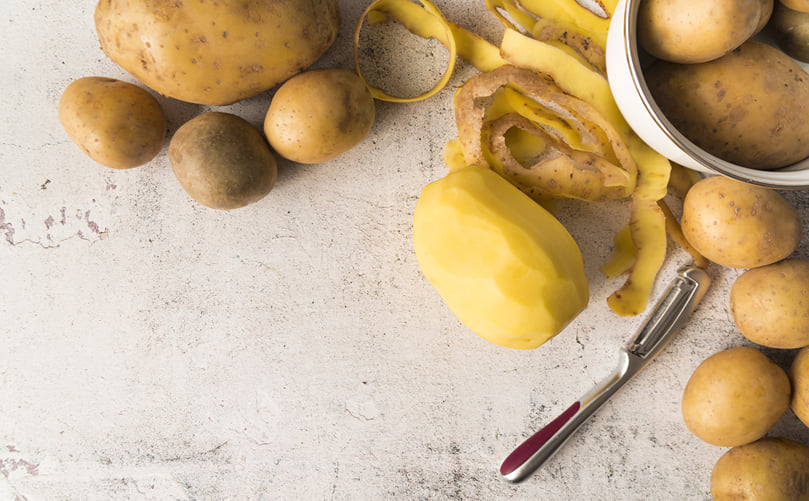
top-view-pile-raw-potatoes-with-raw-2400.jpg
Peeled Potato Formats: From Fresh Convenience to Long Life Solutions
The peeled potato category spans multiple formats, each optimized for specific end-use requirements such as shelf life, convenience and application. This diversity highlights the product’s adaptability across retail, foodservice and industrial segments.
Fresh peeled potatoes (raw, ready-to-cook): These are whole tubers that are washed, peeled and treated with anti-browning agents to preserve color. They are typically supplied in bulk (e.g., 20–30 lb boxes or tubs) for foodservice or in smaller retail packs. As they remain uncooked, they are suitable for boiling, mashing, roasting or further cutting on-site. Both organic and conventional options are available from regional processors.
Pre-cut peeled potatoes: This category includes a wide range of cuts such as French fries (in varying thicknesses), dices or cubes (typically 1–1.5 inch), slices, wedges, quarters and shoestring cuts. These products are available either fresh (never frozen) or sometimes par-boiled. They are designed for immediate use in restaurants, meal kits and institutional kitchens. Common varieties include Russet, Yukon Gold and red potatoes with optional seasoning in some offerings.
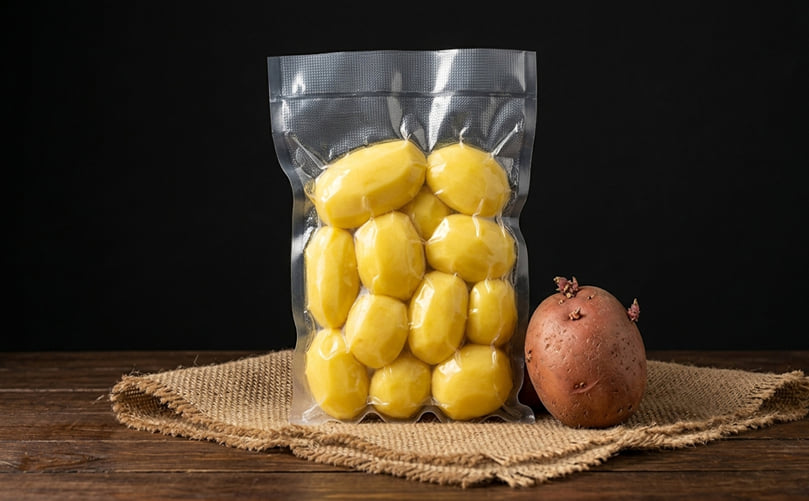
Vacuum packed peeled potatoes: These are whole or pre-cut potatoes sealed under vacuum to reduce oxygen exposure and slow down oxidation. This packaging format extends refrigerated shelf life and is widely used in both retail and foodservice sectors, particularly in Europe. Some products may also be pre-boiled for added convenience including microwaveable or boil-in-bag formats.
Modified Atmosphere Packaging (MAP) products: These products are packed using controlled gas mixtures typically higher carbon dioxide (CO₂), lower oxygen (O₂) and nitrogen (N₂) to slow respiration, enzymatic browning and microbial growth. Compared to vacuum packaging, MAP better preserves color, texture and freshness. It is commonly used for both whole and pre-cut peeled potatoes in retail and foodservice channels.
Frozen peeled potato products: These include Individually Quick Frozen (IQF) whole, diced, shredded or cut potatoes, often blanched before freezing. Examples include shredded potatoes for hash browns, diced potatoes for soups and stews and whole peeled potatoes for baking. Frozen formats offer the longest shelf life (several months), eliminate kitchen waste and ensure consistent quality. They are widely used in quick service restaurants (QSRs), institutional catering and export markets.
These formats enable processors to tailor products to different cold-chain capabilities and customer requirements ranging from high volume industrial use to premium retail convenience.
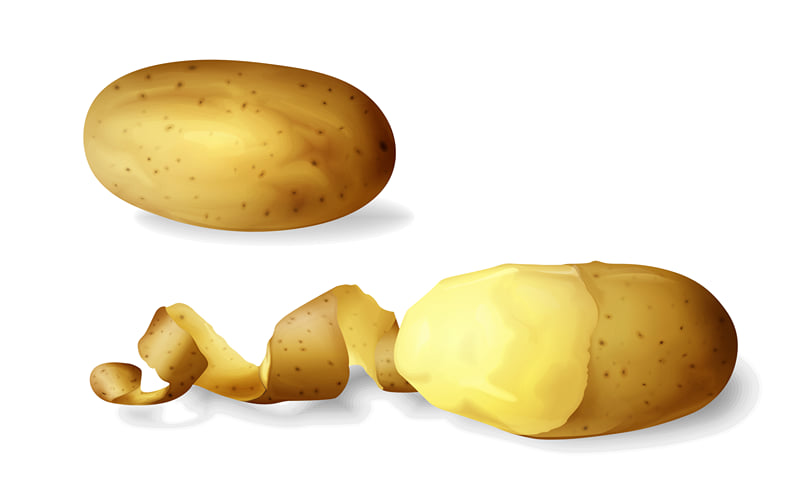
Precision in Every Peel: Transforming Raw Potatoes into Ready-to-Use Perfection
Raw Material Selection: The Foundation of Peeled Potato Quality
Raw material selection is the most critical upstream determinant in peeled potato processing. It directly influences peeling efficiency, peel loss, downstream yield, surface quality and final product performance. Poor raw material choice can increase peel loss by 5–15 percentage points, raise trimming requirements and negatively affect color, texture and shelf life issues that cannot be fully corrected later in the process. For this reason, processors apply strict agronomic and quality criteria before tubers enter the peeling line.
Variety Selection: Processors prioritize high dry matter (specific gravity) varieties for most peeled and processed applications. Ideal dry matter content ranges from 20–25% (specific gravity approximately 1.070–1.080 or higher), ensuring better texture, lower oil absorption during frying and lighter product color.
Common processing varieties include Lady Rosetta, Courage, Atlantic, Lamoka and the Kufri Chipsona series. These varieties are characterized by low reducing sugars (<0.15–0.20%), high starch content and good storage stability. In contrast, low dry matter (waxy) varieties with less than 18% dry matter are more suitable for boiling or salad applications but are generally less efficient for industrial peeling and processing.
Tuber Size and Uniformity: Uniformity in tuber size and shape is essential for efficient processing. Medium-to-large tubers typically 50–80 g for chips or above minimum processing grades with consistent oval or round shapes are preferred. Uniform lots enable even peeling, reduced trim losses and consistent cutting performance. Mixed size or irregular tubers can reduce processing efficiency by 10–16%, increase peel loss and disrupt line operations.
Skin Characteristics: Optimal tubers have thin, smooth skins with shallow eyes. Shallow eyes minimize flesh removal during peeling and reduce the need for manual trimming. Deep eyed varieties require more aggressive peeling, resulting in higher material loss and lower yield. Additionally, tubers must be properly matured and cured to ensure good skin set. Immature potatoes with poor skin adhesion are prone to “skin slip,” leading to excessive damage and inconsistent peeling performance.
Defects and Internal Quality: High quality raw potatoes must be free from external and internal defects including greening, sprouting, bruising, hollow heart, vascular discoloration and disease symptoms. Greening is particularly critical due to the accumulation of Solanine, which poses food safety concerns.
Processors also monitor reducing sugar levels to prevent excessive browning and acrylamide formation during frying. Standard quality checks include specific gravity measurement, fry color evaluation (e.g., Snack Food Association scale) and internal defect inspection. Baseline acceptance criteria are often aligned with United States Department of Agriculture processing grades such as U.S. No. 1 and No. 2. Impact on Processing Efficiency: When optimal raw material criteria are met, modern steam peeling systems can achieve peel losses below 6.5–10%, compared to 10–20% or higher in suboptimal conditions or with abrasive peeling methods. This improvement significantly enhances net yield, reduces waste and produces smoother, higher quality peeled surfaces suitable for further processing or packaging.
Overall Significance Raw material selection ultimately determines the efficiency, profitability and product quality of peeled potato operations. Investing in the right varieties and quality standards at the beginning of the value chain ensures consistent performance throughout processing and minimizes downstream losses.
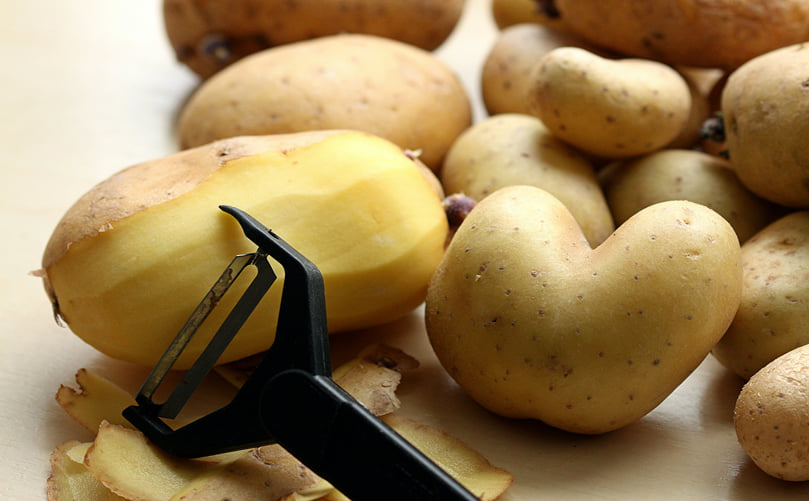
From Skin to Solution: The Art of Potato Peeling
Potato Peeling Technologies: Efficiency, Yield and Industrial Performance
Peeling is one of the most critical steps in potato processing, directly influencing yield, surface quality, production costs and downstream suitability. Industrial systems aim to achieve near complete skin removal while minimizing flesh loss. The dominant methods today are mechanical (abrasive) and steam peeling, with knife and lye (caustic) peeling used more selectively. Emerging technologies are increasingly focused on sustainability and precision.
Mechanical (Abrasive) Peeling: In this method, potatoes tumble against carborundum coated rollers or abrasive plates in batch or continuous systems. It is a relatively low cost and high throughput option, making it suitable for small to medium scale operations. However, abrasive peeling removes a portion of the flesh along with the skin, resulting in higher peel loss typically around 10–20% and occasionally up to 25% in the case of irregular or poorly stored tubers. The surface produced is relatively rough and may require additional brushing or trimming. While the initial investment is lower, this method can lead to higher material loss and increased starch content in wastewater.
Steam Peeling (Dominant Industrial Method): Steam peeling is widely regarded as the most efficient industrial method. Potatoes are exposed to high pressure steam (typically 6–12 bar at 180–200°C) for a short duration of about 10–30 seconds. The rapid heating causes the skin to separate due to thermal expansion and moisture flash. A sudden pressure release, followed by brushing or water sprays, removes the loosened peel. Modern systems can achieve peel loss as low as 6.5–10%, significantly improving yield compared to older methods. Steam peeling produces a smooth, uniform surface with minimal mechanical damage making it ideal for products such as French fries and potato chips. Although it requires higher capital investment, it offers better long-term efficiency and reduced waste.
Knife Peeling: Knife peeling uses rotating blades or drum mounted knives to remove the skin in a manner similar to manual peeling. This method offers high precision and minimal flesh loss making it suitable for premium products where appearance is important, such as whole peeled potatoes for retail. However, it operates at lower throughput and is more labor intensive compared to other methods. Its effectiveness depends on the uniformity and quality of the raw potatoes.
Lye (Caustic) Peeling: This process involves immersing potatoes in a hot sodium hydroxide solution, which softens the skin for easy removal through scrubbing. Although widely used in the past, particularly during the mid-20th century, its use in potato processing has declined significantly. The method poses environmental challenges due to high wastewater chemical oxygen demand (COD) and pH, along with regulatory and clean-label concerns. It remains more common in the processing of certain fruits rather than potatoes.
Key Comparisons (General Industry Trends): Steam peeling provides the lowest peel loss and best surface quality, while abrasive peeling is more economical but less efficient in terms of yield. Knife peeling offers the highest precision but is limited in scalability. Lye peeling, though effective, is largely obsolete in modern potato processing due to environmental constraints.
Additional Processing Steps: Before peeling, potatoes undergo thorough washing using high pressure systems to remove soil and debris. After peeling, sorting is carried out using optical systems, cameras or manual inspection to remove defects and residual skin. Modern processing lines equipped with automated controls can achieve peeling efficiencies exceeding 95%, although yield is heavily influenced by raw material quality. Irregular shapes or prolonged storage can increase peel losses by 10–16%.
Emerging Technologies: Innovations such as enzymatic peeling using enzymes like pectinases and cellulases offer the potential for highly selective skin removal with minimal waste and no thermal or chemical damage. Other technologies under exploration include infrared assisted peeling, ultrasound and laser-based methods, all aimed at reducing water and energy consumption. While promising, these technologies are still in the early stages of commercial adoption and have not yet replaced steam or abrasive methods in large scale operations.
Quality Parameters: Standards for Peeled Potato Performance
Quality parameters for peeled potatoes are defined through a combination of regulatory grading systems most notably those of the United States Department of Agriculture and strict processor specifications. These standards ensure consistency, safety and suitability for downstream applications across foodservice, retail and industrial processing.
Peel Loss and Processing Efficiency: Although peel loss is not directly used as a grading criterion for the final peeled product, it is a critical process control parameter. Modern steam peeling systems typically target peel losses below 6.5–10%, ensuring high yield and efficient raw material utilization. Excessive peel loss generally indicates poor raw material quality or suboptimal processing conditions.
Surface Smoothness and Finish: A high-quality peeled potato must exhibit a smooth, clean surface free from residual skin, rough patches or mechanical damage. Premium grade products require a uniform finish without “feathering” or torn tissue, which can occur during abrasive or knife peeling. Surface integrity is essential for both visual appeal and processing performance.
Color Retention and Appearance: Color is a key determinant of market acceptance. Peeled potatoes must display a uniform, natural color typical of freshly peeled tubers with no visible signs of enzymatic browning, greening or dark spots beyond minimal tolerances. Browning, primarily caused by Polyphenol Oxidase activity must be effectively controlled through post-peeling treatments and proper storage.
Texture and Structural Integrity: Texture standards require potatoes to be firm and intact, avoiding conditions such as excessive softness, sogginess, mealiness or fibrousness. Maintaining structural integrity during peeling, handling and storage is critical to ensure consistent cooking behavior and product quality in further processing.
Freedom from Defects: High-grade peeled potatoes must be practically free from defects including blemishes, bruises, disease symptoms, insect damage and foreign materials. Under USDA grading systems, U.S. Grade A represents the highest quality tier, requiring strict tolerances and an overall score of at least 85 points based on factors such as color, uniformity, defects and texture. U.S. Grade B allows slightly relaxed standards, while products falling below these thresholds are considered substandard.
Additional Commercial Quality Indicators: Beyond formal grading, processors and buyers often apply additional specifications. These include size uniformity for portion control, low levels of reducing sugars to prevent excessive browning during frying and controlled levels of glycoalkaloids such as Solanine, typically maintained below safe thresholds.
Microbial quality is also tightly monitored to ensure food safety and shelf life. Advanced technologies such as optical sorters and inline sensors are increasingly used to enforce these parameters in real time, enabling consistent compliance with the stringent requirements of modern supply chains.
Overall Perspective: Together, these quality parameters ensure that peeled potatoes meet the high expectations of QSRs, retailers and industrial processors, delivering reliable performance, safety and consumer acceptance across diverse applications.
Post-Peeling Handling: Preserving Quality and Preventing Browning in Potatoes
Post-peeling handling is the critical control point that determines the commercial viability of peeled potatoes. Once the protective periderm is removed, the exposed tissue undergoes rapid enzymatic browning, primarily driven by the enzyme Polyphenol Oxidase (PPO). This enzyme catalyzes the oxidation of phenolic compounds into quinones, which subsequently polymerize into dark melanin pigments. The reaction is accelerated by cell damage, oxygen exposure and tissue wounding, often leading to unacceptable discoloration within a few hours if no intervention is applied.
Anti-Browning Treatments: Industry practice prioritizes immediate chemical intervention after peeling. Immersion or spraying with organic acid solutions remains the most widely adopted method. Recent evaluations on Colombian potato varieties (Diacol Capiro, Sabanera, Nevada, Pastusa) indicate that Citric Acid at 1% concentration is the most effective treatment. It consistently achieves the lowest browning index during up to 15 days of refrigerated storage while preserving sensory quality with no perceptible off flavor after cooking.
Its effectiveness is based on two mechanisms: lowering pH below the PPO activity optimum and chelating copper ions at the enzyme’s active site. Ascorbic Acid (1%) is the next most effective option due to its reducing properties, whereas natural extracts such as garlic (0.5%) show comparatively limited efficacy.
Emerging and Natural Alternatives: Clean label solutions are increasingly being adopted. Tea polyphenols (optimal ~0.2 g/L) act by inhibiting both PPO and Phenylalanine Ammonia-Lyase (PAL), reducing the availability of phenolic substrates such as caffeic, p-coumaric and ferulic acids. These treatments also enhance antioxidant defense systems, including Superoxide Dismutase (SOD) and Catalase (CAT), helping maintain cellular redox balance.
Other promising approaches include plant extract, high oxygen pretreatments combined with peptides and short-duration water immersion. These methods function by improving antioxidant capacity and limiting substrate availability for browning reactions.
Physical Interventions: Physical treatments provide an additional layer of control. Short-term cold-water immersion (10–15 minutes) reduces oxygen exposure and removes surface starch, slowing discoloration. Hot-water dipping (around 55 °C for 10 minutes), followed by holding intact tubers at ~20 °C for 24 hours prior to peeling can partially inactivate surface PPO and reduce phenolic synthesis. These techniques are often used in combination with acid treatments for improved effectiveness.
Cold Storage and Handling: Immediately after treatment, peeled potatoes are stored at 2–5 °C, typically under water or in treated solutions to minimize oxygen exposure and microbial contamination. This step is essential for maintaining tissue firmness (turgor), delaying senescence and extending shelf life.
Under uncontrolled conditions browning becomes visible within 2–4 hours. With optimized post-peeling protocols, acceptable color and quality can be maintained for 10–15 days under refrigeration.
Final Post-Processing Steps: The final stage includes optical sorting to remove defective pieces and rapid dewatering to eliminate excess surface moisture, which otherwise accelerates microbial spoilage. Efficient execution of these steps ensures product uniformity, shelf stability and market acceptance.
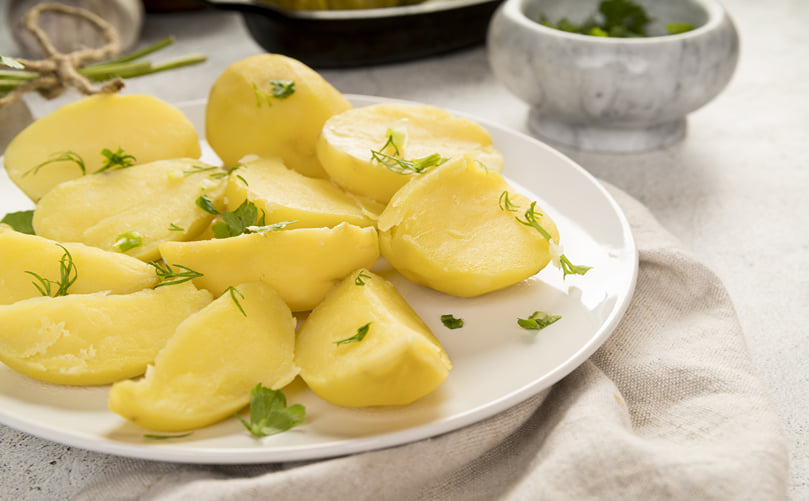
Beyond Peeling: Protecting Potato Quality
Packaging Technologies: Extending Shelf Life and Preserving Freshness
Packaging is the final protective barrier that converts post-peeling treatments into a stable, market ready product. The primary objective is to limit oxygen exposure, which drives both enzymatic browning and aerobic microbial growth, while simultaneously managing respiration rate and moisture retention.
Vacuum Packaging: Vacuum packaging removes nearly all headspace oxygen creating a low oxygen environment that significantly reduces enzymatic browning and oxidative reactions. It is widely used for whole and pre-cut peeled potatoes, particularly in convenience-oriented retail formats such as boil-in-bag or microwave ready packs. Under proper refrigeration, this method can extend shelf life to approximately 8–14 days. However, strict cold chain management is essential to mitigate the risk of anaerobic pathogens such as Botulism, which can develop under oxygen deprived conditions.
Modified Atmosphere Packaging (MAP): Modified Atmosphere Packaging (MAP) is considered the industry benchmark for fresh peeled and minimally processed potatoes. Gas compositions typically include elevated carbon dioxide (around 40–60%), low oxygen (below 5%) and nitrogen as a filler gas. This controlled atmosphere suppresses respiration, slows microbial growth and helps maintain color and texture. Commercial applications routinely achieve an additional 6–10 days of shelf life compared to conventional packaging. MAP systems are compatible with both rigid trays and flexible films, making them versatile across retail and foodservice segments.
Brining or Water Filled Packaging: Water or brine-based packaging is commonly used for diced or sliced potatoes intended for foodservice applications. The product is submerged in a mildly acidified solution, often containing citric or ascorbic acid within sealed pouches. This approach helps maintain hydration, reduces oxygen exposure and provides continued anti-browning protection. However, careful formulation is required to avoid undesirable flavor changes or excessive drip loss.
Bulk vs. Retail Packaging Formats: Packaging format varies based on the target market. Bulk systems, such as poly-lined cartons or large totes are designed for industrial users and foodservice operations where rapid downstream processing occurs. Retail packaging, in contrast, prioritizes convenience and visual appeal, featuring portion-controlled trays, resealable lids and transparent windows that highlight product quality. These packs are often combined with MAP to maximize shelf life and consumer acceptance.
Material and Barrier Technologies: Modern packaging systems incorporate high barrier films, including materials like ethylene vinyl alcohol (EVOH) and polyvinylidene chloride (PVDC), which significantly reduce gas permeability. When combined with gas flushing and proper sealing, these materials ensure optimal atmospheric stability within the package.
Overall, packaging technology plays a decisive role in quality preservation. Vacuum and MAP systems effectively reduce oxidation and moisture loss, while water-based packaging maintains firmness but requires balance to prevent excess liquid accumulation. Proper integration of packaging materials, gas composition and cold storage conditions is essential for achieving consistent product quality and extended shelf life.
Sealed for Stability: Vacuum Packaging in Peeled Potatoes
Shelf Life and Storage: Maximizing Stability of Peeled Potatoes
Shelf life of peeled potatoes is inherently limited because the protective periderm is removed, leaving metabolically active tissue exposed to oxygen, moisture loss and microbial contamination. However, with optimized anti-browning treatments and appropriate packaging, commercially viable shelf life can be significantly extended.
Typical Shelf-Life Ranges: Under standard industry conditions, untreated or minimally treated peeled potatoes generally last 5–7 days under refrigeration. When vacuum packaging is applied, shelf life can extend to 8–14 days, provided strict temperature control is maintained. The most effective systems combine acid dips with Modified Atmosphere Packaging (MAP), achieving 10–15 days or more of acceptable quality under continuous cold storage. For long-term preservation, frozen peeled or IQF (Individually Quick Frozen) formats extend shelf life to 6–12 months, although these are no longer considered fresh products.
Temperature and Humidity Control: Temperature is the most critical factor governing shelf life. Peeled potatoes must be stored consistently at 2–5 °C. Temperatures above 7 °C accelerate respiration, enzymatic browning and microbial proliferation, while temperatures approaching 0 °C can cause chilling injury and undesirable sugar accumulation. Maintaining relative humidity at 90–95% is equally important to prevent dehydration and surface shriveling, ensuring the product retains firmness and visual quality.
Microbial Stability and Safety: Due to high moisture content and a water activity of approximately 0.98, peeled potatoes are highly susceptible to microbial growth. Common spoilage organisms include Pseudomonas species and lactic acid bacteria. Under improper storage particularly in low-oxygen environments combined with temperature abuse there is also a risk of foodborne illness such as Botulism.
Strict sanitation during peeling and handling, along with an unbroken cold chain is essential. Even brief exposure to ambient conditions (for example, 30 minutes at room temperature) can significantly reduce the remaining shelf life.
Factors Influencing Spoilage: Several variables determine how quickly peeled potatoes deteriorate. The initial microbial load on raw tubers, the effectiveness of anti-browning treatments and the integrity of packaging (especially resistance to oxygen ingress) all play major roles. Variety selection is also important as high phenolic cultivars tend to brown more rapidly. In addition, exposure to light during retail display can induce greening and the accumulation of compounds like Solanine, particularly in transparent packaging.
Best Storage Practices: Optimal storage combines the use of vacuum or MAP systems with strict refrigeration at 2–5 °C and proper inventory management practices such as FIFO (First-In, First-Out). Processors often validate shelf life through accelerated studies conducted at slightly elevated temperatures (around 5–7 °C) to simulate real world distribution conditions and ensure product reliability.
Effective control of temperature, packaging atmosphere and hygiene throughout the supply chain ultimately determines whether peeled potatoes retain their quality, safety and marketability over the intended shelf life.
Nutritional Aspects: Impact of Peeling and Processing on Potato Quality
Potatoes are a nutrient dense staple, providing high biological value protein, vitamin C, potassium, vitamin B6 and dietary fiber at a relatively low cost. A medium sized (148 g) skin-on potato typically supplies about 27 mg of vitamin C (an excellent source), around 620 mg of potassium and approximately 2 g of dietary fiber. While peeling and subsequent processing introduce some nutrient losses, the overall nutritional value remains substantial.
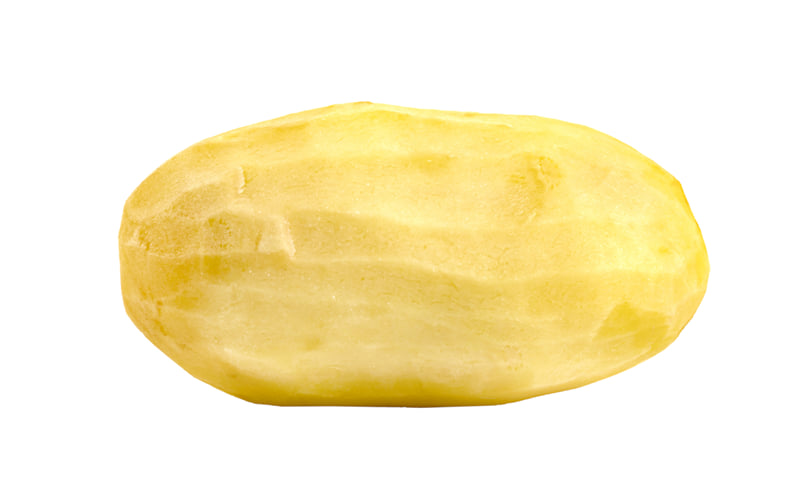
Impact of Peeling: The potato skin (periderm) contains a concentrated proportion of dietary fiber roughly 40–50% of the total as well as notable amounts of phenolic compounds, minerals such as iron and calcium and certain vitamins. Removing the skin therefore leads to a moderate reduction in fiber and some micronutrients.
However, the flesh retains the majority of key nutrients including more than 50–70% of potassium, vitamin C and B-complex vitamins. As a result, although peeling slightly reduces overall nutrient density, the core macronutrient and mineral profile remain largely intact, ensuring that peeled potatoes still contribute meaningfully to dietary intake.
Effects of Processing and Storage: Nutrient stability during processing and storage is primarily influenced by exposure to water, oxygen and temperature. Water soluble and oxidation sensitive nutrients, particularly Vitamin C are the most vulnerable. Losses of vitamin C can range from 20–40% during peeling, cutting, washing and refrigerated storage due to leaching and oxidative degradation. The use of antioxidant dips, such as ascorbic acid can help mitigate these losses by reducing oxidation.
Thermal treatments, including blanching or hot water dipping may cause additional leaching of water-soluble vitamins. In contrast, rapid freezing (IQF) preserves most nutrients by minimizing enzymatic activity and cellular damage. Phenolic compounds often associated with browning may decrease slightly following acid treatments, although overall antioxidant capacity is generally maintained and can even be enhanced when natural extracts (e.g., tea polyphenols) are used.
Role of Storage Conditions: Maintaining storage temperatures at 2–5 °C significantly slows nutrient degradation compared to higher temperatures. Controlled conditions reduce respiration rates and oxidative reactions helping preserve both vitamins and overall product quality throughout the shelf life.
Nutritional Retention and Industry Perspective: Despite processing related losses, peeled potatoes remain an excellent source of potassium and vitamin C with retention levels often higher than those observed in many other vegetables subjected to similar handling conditions. Furthermore, modern clean label treatments such as citric acid or plant-derived antioxidants not only control enzymatic browning but can also support the preservation or enhancement of antioxidant status.
Overall, while peeling and processing introduce some nutritional changes, they do not substantially diminish the value of potatoes as a key component of a balanced diet.
Peeling vs Nutrition: Understanding What Changes
Applications and End Uses: Market Integration of Peeled Potatoes
Peeled potatoes serve as a highly versatile, high-volume input across foodservice, retail and industrial sectors, effectively bridging primary agricultural production with modern convenience driven markets. Their core value lies in reducing preparation time while ensuring uniformity, efficiency and scalability across supply chains.
Foodservice (HoReCa: Restaurants, Hotels, Catering, QSRs): In professional kitchens, peeled and pre-cut potatoes are indispensable where manual peeling is impractical and labor intensive. Quick service restaurants (QSRs), institutional kitchens (such as hospitals and schools) and catering operations rely on them for products like French fries, hash browns, mashed potatoes, soups and side dishes.
These formats ensure consistent cooking performance, standardized portioning and reduced waste. Vacuum packed or Modified Atmosphere Packaging (MAP) treated whole peeled potatoes are widely used for boil-in-bag or microwave ready applications. Meanwhile, frozen IQF diced, sliced or shredded potatoes are particularly valuable in high-speed operations, offering convenience with minimal on-site processing.
Retail and Ready-to-Cook Segments: Retail markets increasingly offer peeled potatoes in consumer-friendly formats, including whole, diced, sliced or wedge cuts. These products cater to modern cooking trends, especially among urban consumers seeking convenience without compromising freshness.
Meal kit providers also incorporate peeled potatoes as a ready-to-use ingredient, reducing preparation time for end users. Both refrigerated fresh-cut and frozen variants are widely available in supermarkets. Ready-to-cook potato products such as pre-cut, blanched or frozen items now represent a substantial portion of the processed potato segment, driven by changing lifestyles and increased demand for convenience foods.
Industrial Processing: At the industrial level, peeled potatoes act as the primary raw material for large scale processing. They are used in the production of frozen French fries, potato chips, dehydrated flakes, granules, starch and a wide range of snack products. A significant share of global potato production is directed toward processing, where peeled tubers feed automated, high throughput manufacturing lines.
Specialized processors such as Pineland Farms Potato Company and Peka Kroef exemplify advanced supply systems, offering refrigerated, pasteurized, vacuum packed and gas flushed potato products tailored for further industrial use.
Household Convenience Use: For household consumers, peeled potatoes are marketed as time saving solutions that eliminate the need for washing and peeling. These are available in both fresh and frozen forms, often featuring specific varieties such as russet, yellow (Yukon-type) or red potatoes. Many retail packs are designed for direct cooking methods including boiling, roasting or mashing and may also include organic or specialty product lines.
Market Outlook and Industry Growth: Peeled potatoes play a crucial role in the expanding global potato processing industry. The market is currently valued in the range of approximately $38–43 billion with projections reaching $56–73 billion by 2030–2034, reflecting a compound annual growth rate (CAGR) of around 5–6%. Growth is primarily driven by increasing demand for frozen and ready-to-cook products in both developed and emerging markets.
Overall, peeled potatoes are a strategic intermediate product, enabling efficiency, consistency and scalability across diverse applications from household kitchens to large scale industrial food production.
Regional Market Insights: Global Dynamics of Peeled Potato Demand
Regional trends in peeled potatoes are shaped by differences in QSR penetration, retail convenience preferences, cold-chain infrastructure and processing capacity. Growth is strongest in markets where demand for convenience foods is rising faster than traditional raw potato consumption.
Europe: Europe remains a core hub for processed and fresh peeled potatoes, accounting for roughly 28–42% of the global potato processing market depending on the segment. Countries such as Netherlands, Germany and France lead in the production and consumption of vacuum packed and Modified Atmosphere Packaging (MAP) peeled potatoes, particularly for retail and foodservice sectors.
The region has a well-developed cold chain and strong consumer preference for fresh convenience products, supporting widespread adoption of peeled formats. However, fluctuations in production such as increased acreage in major EU-producing countries can create supply pressure and price volatility. European processors are increasingly focusing on premium, clean label peeled products and maintaining strong export positions in both seed potatoes and processed goods.
North America: North America contributes approximately 26–30% of global processed potato output, with demand heavily driven by quick service restaurants (QSRs) and frozen products. The United States, particularly states like Idaho and Washington, dominates large scale processing.
The market is centered around frozen peeled and pre-cut potatoes used for French fries, hash browns and similar products. Strong contract farming systems, advanced cold chain logistics and consistent demand from major QSR chains such as McDonald's ensure stable and high volume utilization. Growth in retail convenience products and institutional foodservice continues to support expansion in this region.
Asia-Pacific: Asia-Pacific is the fastest growing region for peeled potatoes, driven by rapid urbanization, rising incomes and expanding foodservice sectors. Major contributors include China and India with China being the world’s largest potato producer.
The expansion of international QSR chains such as KFC and McDonald's is accelerating demand for frozen and ready-to-cook peeled potato products. Urban consumers are increasingly adopting convenience formats including pre-cut, vacuum packed and frozen options. Government initiatives supporting cold storage infrastructure and value added agriculture are further boosting growth. In many urban markets, peeled potato segments are expanding at double digit growth rates, reflecting strong shifts toward convenience driven consumption.
Global Perspective: Regional differences shape how peeled potato products are positioned and distributed globally. Europe emphasizes fresh and premium MAP products, North America focuses on large scale frozen processing and Asia prioritize affordable, convenient formats for rapidly growing urban populations.
As a result, global trade is increasingly shifting toward higher value semi-processed and processed potato products with peeled potatoes playing a key role in connecting primary production to modern food systems.
Economic & Operational Benefits: Efficiency Gains in Peeled Potato Supply Chains
Peeled potatoes provide clear, measurable economic and operational advantages by shifting labor intensive, variable and waste generating steps upstream to specialized processors. This transition enables end users to achieve lower total costs, higher consistency and improved resource efficiency across foodservice and industrial operations.
Labor Cost Reduction: Manual peeling is eliminated when using pre-peeled potatoes, significantly reducing labor requirements. Industrial peeling systems particularly steam-based lines can process hundreds of kilograms per hour with minimal workforce involvement. For foodservice operators, this removes the need for routine peeling and trimming tasks, which typically require 10–20 minutes per 10 kg of raw potatoes. The result is a direct reduction in labor costs and the ability to reallocate staff toward higher value activities such as cooking and service.
Time Efficiency and Throughput: Pre-peeled potatoes enable immediate use in cutting, cooking or further processing. This reduces preparation time and shortens production cycles, particularly in high volume environments such as QSRs and institutional kitchens. Faster preparation translates into higher throughput without additional equipment or labor shifts, improving operational efficiency and responsiveness to demand.
Yield Consistency and Waste Reduction: Uniform peeled potatoes improve downstream processing efficiency by reducing trimming losses and ensuring consistent product quality. At the processing stage, optimized systems such as steam peeling combined with optical sorting typically maintain peel loss below 10% maximizing usable output.
A significant proportion of peel by-products is not wasted but instead converted into value added outputs such as animal feed, starch, fiber or biogas. In many facilities, up to 95% of peel waste is valorized, transforming what would otherwise be a disposal cost into a revenue stream. For end-users, this means receiving a nearly 100% usable product, eliminating kitchen waste and simplifying inventory management.
Cost Savings and Economic Impact: Efficiency gains at scale translate into substantial financial benefits. For example, modern steam peeling systems can save large volumes of raw material per hour on high-capacity lines resulting in significant annual cost savings depending on plant size and operating conditions.
By outsourcing peeling, anti-browning treatment and initial handling, foodservice and industrial buyers gain greater cost predictability and reduced operational variability. This is particularly valuable in large scale operations where consistency and margin control are critical.
Supply Chain and Market Value: The broader potato industry contributes billions of dollars to global economies and peeled potato formats enhance this value by enabling higher margin, convenience driven products. They also help reduce post-harvest losses, improve supply chain efficiency and support sustainable processing practices.
Overall Advantage: These combined benefits explain why peeled potatoes have become the preferred input in large scale foodservice and processing environments. By removing a major bottleneck in preparation, they transform a traditionally labor-intensive step into a streamlined, efficient and economically advantageous component of the modern food supply chain.
Advantages of Peeled Potatoes: Efficiency, Consistency and Sustainability
Peeled potatoes deliver measurable operational and economic gains by shifting labor intensive and wasteful steps upstream to specialized processors, resulting in higher efficiency and lower total costs for end-users.
Time saving and labor reduction: Manual peeling in kitchens or small operations is replaced by industrial scale peeling, which can process hundreds of kilograms per hour. Automated peeling machines reduce labor requirements dramatically fewer workers are needed for the same output, lowering payroll and improving hygiene in large scale cooking environments. Processors report significant man hour savings, allowing foodservice operators to reallocate staff to higher value tasks.
Standardization and yield consistency: Uniform size, shape and surface quality from peeled potatoes ensure predictable cooking performance, reduced trim loss and higher finished product yields downstream. This is critical in industrial lines for fries and chips, where variability in raw input directly impacts throughput and quality scores.
Reduced kitchen and end-user waste: By handling peeling centrally, processors convert what would be 15–40% peel waste (by initial tuber weight) into valorized by-products (animal feed, starch, etc.) while end users receive near-100% usable product. This eliminates on-site peel disposal, reduces food loss in the supply chain and improves inventory control. Facilities often sell the majority of process waste as cattle feed, turning a liability into revenue.
Additional benefits include enhanced food safety through centralized sanitation and anti-browning treatments, plus lower energy and water use per unit in optimized industrial peeling versus scattered manual operations. These advantages collectively support profitability in high volume settings while aligning with sustainability goals.
Sustainability Considerations: Circular Approaches in Peeled Potato Processing
Sustainability has become a central priority in the peeled potato value chain, particularly because peeling generates a substantial volume of by-products. Potato peels typically account for 10–20% of tuber weight and global peel waste is projected to reach nearly 8,000 kilotons by 2030 with significant greenhouse gas implications if improperly managed. To address this, processors are increasingly adopting circular bioeconomy strategies that convert waste into valuable resources while reducing water, energy and environmental footprints.
Peel Waste Utilization and Valorization: The most widely adopted use of potato peel waste remains animal feed, where dried peel meal or pulp serves as a high energy ingredient, especially in cattle diets when balanced with protein sources. Beyond this, higher value applications are gaining momentum.
Peels can be processed to extract starch for biodegradable materials and bioplastics including Polyhydroxyalkanoates (PHAs) through microbial fermentation. They also contain bioactive compounds such as polyphenols and antioxidants, which can be utilized in nutraceuticals and functional food ingredients.
Thermochemical processes like slow pyrolysis convert peel waste into biochar, which enhances soil structure, improves water retention and contributes to carbon sequestration. Additional valorization pathways include biogas production, enzyme extraction, organic fertilizers and biosorbents for removing heavy metals or dyes from wastewater.
Water Use and Management: Potato peeling and washing operations are inherently water intensive. However, modern processing systems have significantly improved efficiency. Technologies such as steam peeling and closed loop water recycling systems reduce overall consumption compared to traditional abrasive or chemical peeling methods. While exact water usage varies by facility size and operational scale, continuous improvements in water recovery and reuse are reducing the environmental burden.
Energy Consumption and Efficiency: Energy demand in peeled potato processing is primarily driven by refrigeration (2–5 °C storage) and steam generation for peeling. Innovations in equipment design are helping reduce this footprint. For example, advanced systems developed by TOMRA, such as eco-efficient steam peelers can lower steam and energy usage by approximately 25–28%, resulting in substantial cost savings depending on plant scale and local energy prices.
Further efficiencies are achieved through optimized packaging systems like vacuum and MAP, which reduce spoilage and product loss, as well as through automation technologies that minimize over processing and resource waste.
Environmental and Economic Impact: These sustainability practices align closely with circular economy principles by transforming what was traditionally considered waste into valuable co-products and revenue streams. At the same time, improvements in water and energy efficiency reduce the overall environmental footprint of the industry. By integrating waste valorization, resource optimization and innovative processing technologies, the peeled potato sector is progressively moving toward a more sustainable and resilient production model.
Challenges and Limitations: Constraints in Peeled Potato Utilization
While peeled potatoes offer significant convenience and efficiency, the removal of the protective skin exposes the tissue to physiological and microbial vulnerabilities making precise handling essential and limiting their broader adoption without strong infrastructure.
Short Shelf Life: Fresh peeled or minimally processed potatoes have a naturally limited shelf life, typically lasting about 5–7 days under refrigeration (around 4–5 °C). Advanced systems such as vacuum packaging or Modified Atmosphere Packaging (MAP) can extend this to approximately 8–14 days. However, quality attributes such as color, texture and flavor gradually decline over time.
Frozen formats (e.g., IQF) overcome this limitation by extending shelf life to several months, but they do not meet the demand for fresh like characteristics required in certain applications.
Enzymatic Browning: Browning remains the primary quality defect in peeled potatoes. The enzyme Polyphenol Oxidase (PPO) is activated upon tissue damage during peeling, initiating oxidation of phenolic compounds and resulting in discoloration. Without immediate treatment, visible browning can occur within hours. Even with anti-browning interventions, residual enzyme activity and available substrates can still limit visual shelf life, particularly under suboptimal storage conditions.
Microbial Contamination Risks: The exposed potato flesh has high water activity and abundant nutrients making it highly susceptible to microbial growth. Common spoilage organisms include Pseudomonas, lactic acid bacteria and Enterobacteriaceae. Under unfavorable conditions especially temperature abuse or low oxygen environments there is also a risk of foodborne illness such as Botulism.
Microbial activity can lead to off-odors, acid production and textural degradation, often causing product rejection before visible spoilage occurs. Maintaining a strict cold chain is therefore critical, as even short exposure to temperatures above 7 °C can significantly reduce remaining shelf life.
Cost Compared to Raw Potatoes: Peeled potatoes generally carry a higher cost than unprocessed tubers due to additional steps such as peeling, washing, anti-browning treatments, packaging and refrigerated storage. These processes can increase the final cost by approximately 20–50% or more, depending on scale and technology used. Furthermore, the capital investment required for peeling equipment, packaging systems and cold storage infrastructure can be a barrier, particularly for smaller operators.
Cold-Chain Dependency: The quality and safety of peeled potatoes depend heavily on maintaining a continuous 2–5 °C cold chain. Any disruption during transportation, storage or retail display accelerates respiration, enzymatic browning, moisture loss and microbial spoilage. This dependency makes distribution more complex, especially in regions with inconsistent refrigeration infrastructure, thereby limiting market expansion for fresh peeled products.
Overall Perspective: These challenges explain why peeled potatoes are most successful in controlled environments such as industrial processing and organized foodservice sectors. Expanding their use further will depend on continued advancements in clean label preservation methods, improved packaging technologies and more reliable cold chain monitoring systems.