

Gnocchi: Where Pasta Meets Dumpling
Gnocchi (pronounced “NYO-kee”) are a classic family of Italian dumplings that sit between pasta and traditional dumplings small, tender pieces of dough that are typically boiled until they float to the surface. While gnocchi exist in several regional variations, potato gnocchi (the most widely recognized modern form) are known for their soft, pillowy texture and are primarily made from mashed potatoes, wheat flour and sometimes egg or salt.
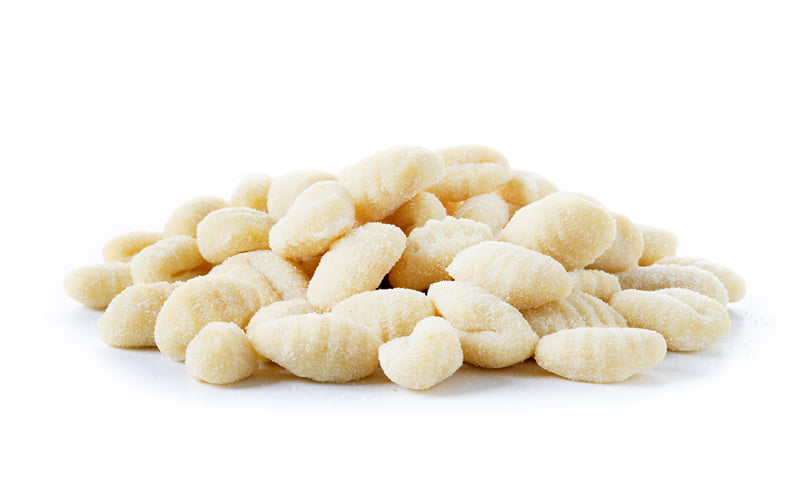
They are shaped into small, smooth or ridged pieces, allowing them to cook quickly and hold sauces effectively. In Italian cuisine, potato gnocchi are commonly served as a primo (first course), particularly in northern and central regions such as Lombardy, Veneto, Friuli-Venezia Giulia, Abruzzo and Lazio.
Gnocchi represent a cornerstone of everyday Italian comfort food simple, versatile and rooted in resourceful home cooking that transforms basic ingredients into refined, satisfying dishes.
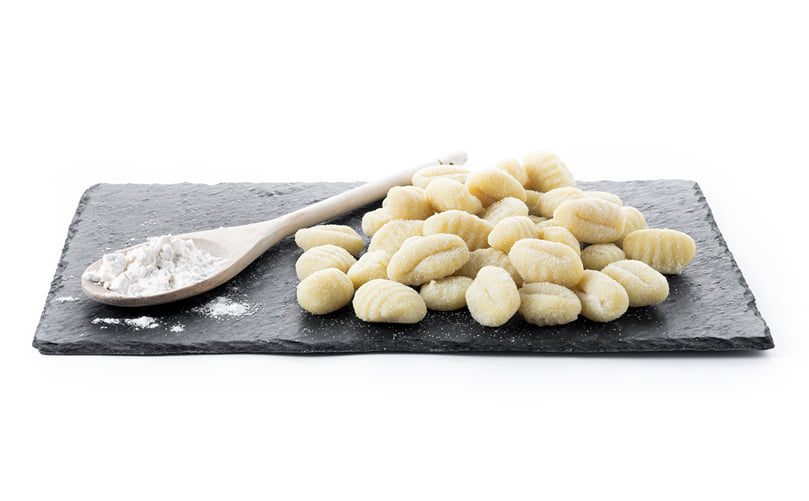
Gnocchi: A Timeless Italian Dumpling Tradition
Gnocchi Through Time: From Ancient Roots to Potato Staple
The history of gnocchi predates the introduction of potatoes by several centuries and reflects the evolution of Italian culinary traditions. The name gnocchi are believed to derive from the Italian words nocchio (“knot in wood”) or nocca (“knuckle”), both referring to the small, rounded shape of the dumplings. Early forms can be traced back to ancient Roman cuisine, where dishes resembling gnocchi were made from semolina porridge mixed with eggs similar to what is now known as gnocchi alla romana.
By the 15th century, particularly in Lombardy, early variations known as zanzarelli were prepared using breadcrumbs, ground almonds and milk. In 1570, the renowned Italian chef Bartolomeo Scappi documented a recipe for gnocchi made from flour, water and breadcrumbs, shaped by pressing the dough through a grater still without the use of potatoes. Later adaptations incorporated eggs and water, leading to preparations known as malfatti (“badly made”), a term that continues to describe spinach and ricotta dumplings in Tuscany.
Potatoes were introduced to Europe in the 16th century by Spanish explorers during the Columbian Exchange, reaching Italy around the 1570s. Initially regarded with skepticism, potatoes gradually gained acceptance, especially in northern regions where the climate favored their cultivation and wheat was becoming increasingly expensive for small farmers.
Potato-based gnocchi began to emerge in the late 16th or early 17th century and became widely established by the 18th and 19th centuries. The modern version of potato gnocchi was later standardized in the late 19th century by Pellegrino Artusi in his influential cookbook La Scienza in Cucina e l’Arte di Mangiar Bene. This method using boiled potatoes passed through a ricer, lightly combined with flour and shaped into soft dumplings helped define the gnocchi we recognize today. This development made the dish more affordable and accessible, solidifying its place as a staple of Italian regional cuisine.
Essential Ingredients for Perfect Potato Gnocchi
Traditional potato gnocchi recipes are built on simplicity and restraint, as minimal ingredients and gentle handling are essential to achieving a light, tender texture. Adding too many ingredients or overworking the dough can result in dense, heavy dumplings.
The core ingredients include potatoes, which form the foundation of the dough and typically account for about 70–80% of the total weight. They provide the necessary starch and moisture balance. Flour either all purpose or Italian “00” flour is added sparingly, usually around 100–200 g for every 500–900 g of potatoes, just enough to bind the dough without making it tough. Salt is used both to season the dough and the boiling water.
Egg is an optional ingredient. Some traditional and regional recipes omit it entirely to preserve a pure potato flavor and achieve a lighter texture. Others include one whole egg or just egg yolks to provide additional structure, richness and ease of handling.
Many authentic Italian home style recipes rely solely on potatoes, flour and salt. Variations may include small amounts of grated cheeses such as Parmesan or Pecorino for subtle depth of flavor or herbs for added aroma and visual appeal. However, these are considered enhancements rather than essential components.
The guiding principle in gnocchi preparation is restraint the dough should remain soft and slightly sticky and it must be handled gently to maintain the delicate structure of the potato starch.
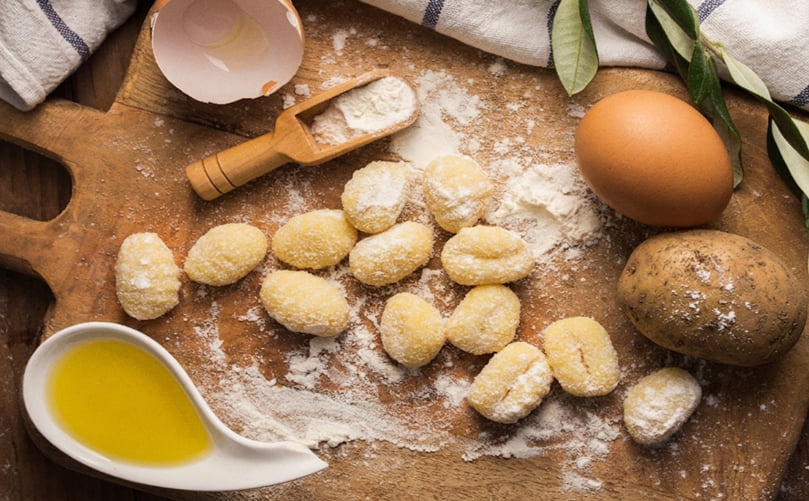
Key Ingredients Behind Perfect Gnocchi Texture
The Right Potato: The Secret to Light and Perfect Gnocchi
Selecting the right type of potato is the most critical factor in producing light, authentic gnocchi. The variety directly affects texture, as differences in starch content and moisture determine how the potatoes behave when cooked and mashed. Using the wrong type almost always results in dense or gummy dumplings.
Potatoes are generally classified into three categories based on their starch levels. Starchy (mealy or floury) potatoes are the ideal choice. With a high starch content (around 20–22%) and low moisture, they produce a dry, fluffy mash. This allows the dough to come together with minimal flour, resulting in soft, pillowy gnocchi. Common examples include Russet potato, Idaho potato, King Edward potato, Maris Piper and Desiree potato. These varieties create the signature light texture that defines high quality gnocchi.
Waxy potatoes on the other hand should be avoided. With lower starch content (around 16%) and higher moisture, they retain their structure during cooking and produce a dense, sticky mash. This forces the addition of more flour leading to heavy, chewy gnocchi with poor texture. Examples include red potatoes, fingerlings and most new or baby potatoes, which are better suited for boiling or salads rather than gnocchi.
Medium starch or all-purpose potatoes, such as Yukon Gold potato, can be used with careful adjustments. Techniques like baking instead of boiling or slightly increasing the flour can help, but they rarely achieve the same lightness as true starchy varieties.
From a food science perspective, high starch potatoes contain more amylose and amylopectin, which gelatinize and expand during cooking to create a light, airy structure. Low starch potatoes retain more water and maintain tighter cell structures, resulting in a gummy consistency. For best results, always use mature potatoes rather than new ones, cook them whole (preferably baked or boiled in their skins to limit water absorption) and pass them through a ricer while still warm.
Choosing the correct potato variety can reduce the need for added flour by 20–50%, significantly improving the final texture and ensuring the gnocchi remain soft, delicate and well structured.
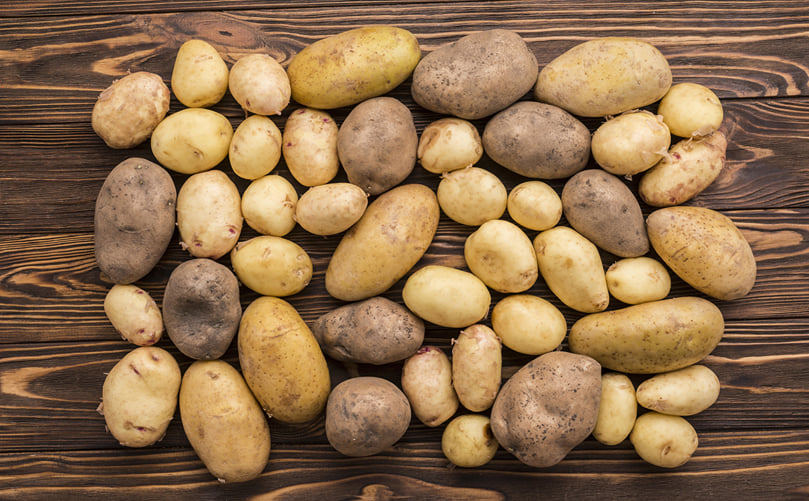
From Potato to Pillow: The Right Choice Matters
Mastering the Art of Gnocchi: From Potato to Pillow
Making authentic potato gnocchi is a technique driven process that emphasizes minimal handling, proper moisture control and the use of suitable tools to achieve a light, delicate texture. Begin by selecting 1–2 kg (2–4.5 lbs) of high starch potatoes, preferably Russet potato or similar types. Cook them whole with their skins intact either by boiling them in cold water until fork tender (approximately 20–45 minutes, depending on size, without piercing during cooking to prevent water absorption) or for drier results, baking them at 200–220°C for 45–60 minutes after lightly pricking and salting the skins. Baking or briefly drying boiled potatoes in a hot pan for 1–2 minutes, helps remove excess moisture, which is essential since excess water requires more flour and leads to heavier gnocchi.
Once cooked and still warm (but not too hot to handle), peel the skins they should slip off easily and immediately pass the potato flesh through a ricer or fine sieve onto a clean, lightly floured work surface. This step creates a light, airy texture without compressing the starch. Avoid using mashers, food processors or forks, as these can make the mixture dense and gluey. Allow the riced potatoes to cool for 5–10 minutes so that excess steam can evaporate.
Gather the potatoes into a mound and create a well in the center. Gradually add 150–300 g (about 1–2 cups) of all-purpose or “00” flour starting with a smaller amount and increasing only as needed along with a pinch of salt and optionally, one egg or just the yolk. Using your fingertips or a bench scraper, gently bring the dough together. Keep handling to an absolute minimum (about 10–20 seconds) until it forms a soft, slightly tacky but not sticky dough. Overworking the dough develops gluten and results in a tough texture.
Divide the dough into 4–6 portions. On a lightly floured surface, roll each portion into ropes approximately 1–2 cm thick. Cut these into small pieces about 1.5–2.5 cm in length to form the classic gnocchi shape. For traditional ridges that help sauces adhere better, lightly roll each piece over the back of a fork or a gnocchi board while gently pressing with your thumb.
Lightly dust the finished gnocchi with flour or semolina to prevent sticking. They can be cooked immediately refrigerated for up to 2–3 days or frozen on a tray before storing. Once familiar with the technique the entire shaping process typically takes 20–40 minutes.
The key to success lies in maintaining a soft dough, minimizing moisture and handling it as gently and briefly as possible to preserve the characteristic light and pillowy texture.
The Perfect Gnocchi Texture: Light, Pillowy and Tender
Ideal potato gnocchi are defined by a soft, pillowy, almost cloud like interior that feels light and tender while still holding its shape during cooking and when combined with sauces. They should never be dense, gummy, chewy or heavy. When eaten, gnocchi should yield gently, offering a delicate bite with a mild, creamy potato flavor and a slight resistance from the thin outer layer formed during boiling or light sautéing.
This signature texture comes from the use of high starch potatoes, whose amylose and amylopectin properly gelatinize during cooking and ricing. This process creates an airy structure that requires only minimal flour to bind the dough. As a result, well-made gnocchi remain light and tender rather than compact or doughy. From a food science perspective, properly prepared gnocchi exhibit low levels of hardness, gumminess and chewiness with a soft, fluffy interior that still retains a subtle granular potato structure without becoming pasty.
In contrast, poorly prepared gnocchi tend to become dense and heavy. This usually happens when too much flour is added, the dough is overworked or low starch (waxy) potatoes are used. These factors cause excess moisture retention and tighter cell structures, resulting in a sticky or gluey consistency.
High quality gnocchi should feel light on the fork yet substantial enough to carry sauces effectively. They may have a slight springiness when freshly cooked but should ultimately melt in the mouth. Their color is typically a pale creamy yellow, reflecting the natural color of the potatoes. The surface often features gentle ridges, traditionally made with a fork or gnocchi board, which help sauces adhere without compromising the delicate texture.
In sensory evaluation, well-made gnocchi are consistently described as “soft,” “fluffy” and “tender,” while undesirable qualities include “rubbery,” “starchy” or “overly firm.”
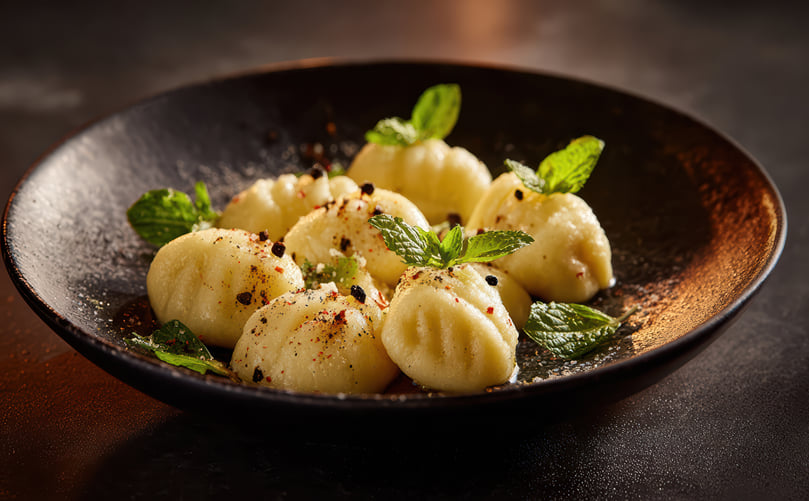
Classic Homemade Gnocchi Dish
Cooking Gnocchi to Perfection: Boil, Sauté or Bake
The most traditional and gentle method for cooking gnocchi is boiling. Bring a large pot of generously salted water to a rolling boil, then add the gnocchi in small batches to avoid overcrowding and prevent a drop in water temperature. They typically cook within 1–3 minutes and are ready once they float to the surface. This floating indicates that the starch has set and the gnocchi are properly cooked. They should be removed immediately using a slotted spoon, as overcooking can cause them to absorb excess water and become soft or waterlogged.
For a contrasting texture that is popular in modern preparations, gnocchi can be pan fried after boiling or even cooked directly in the pan, particularly in the case of firmer, store-bought varieties. Heat butter, oil or a combination in a skillet over medium heat, then add the drained gnocchi in a single layer. Cook for about 5–10 minutes turning occasionally until they develop a golden, crisp exterior while remaining soft inside. Some methods skip pre-boiling entirely especially for fresh or frozen gnocchi, adding a small amount of water midway through cooking to allow them to steam before crisping.
Baking is another method commonly used for casseroles or gratin style dishes. In this approach, pre-boiled gnocchi are combined with sauce and cheese, then baked at around 200°C until the dish becomes bubbly and develops a golden crust on top, usually within 15–25 minutes. This method enhances flavor integration and adds a pleasing textural contrast.
Hybrid techniques, such as finishing gnocchi in a skillet before transferring them to the oven, are also used for convenience and added flavor. While commercial or ready-to-cook versions may offer quicker preparation options, traditional methods particularly boiling followed by light sautéing or baking are preferred for achieving the best balance of softness, structure and flavor.
Regardless of the method cooking gnocchi in batches and avoiding overcrowding are essential to ensure even cooking and prevent sticking.
Perfect Pairings: Sauces That Elevate Gnocchi
Potato gnocchi have a mild, neutral flavor and a soft, slightly porous texture that allows them to absorb and hold sauces exceptionally well. Their ability to pair with a wide range of flavors is one of the reasons they are so versatile in Italian cuisine.
One of the most iconic pairings is burro e salvia (brown butter with sage). In this preparation, butter is gently browned until it develops a nutty aroma, then infused with fresh sage leaves. This simple yet elegant sauce enhances the natural earthiness of the potatoes and is often finished with grated Parmigiano-Reggiano.
Tomato-based sauces are among the most common everyday options. Light sauces such as pomodoro or more robust versions like marinara typically made with garlic, onion and basil provide a bright acidity that balances the starchiness of the gnocchi. A well-known baked variation is gnocchi alla sorrentina, which combines tomato sauce with melted mozzarella for a rich, comforting dish.
Pesto, particularly the classic basil-based version from Genoa, offers a fresh, herbaceous flavor with a smooth, oily texture that coats gnocchi evenly. Variations made with walnuts, sun dried tomatoes or other herbs can also be used to create different flavor profiles.
Cream-based sauces, such as Alfredo, Gorgonzola or Parmesan cream, add richness and depth, making them ideal for more indulgent preparations. Lighter alternatives like aglio e olio (garlic and olive oil) or mushroom-based sauces allow the delicate character of gnocchi to remain prominent. For heartier meals, meat-based sauces such as ragù or Bolognese provide a robust complement. Regional variations may also include pumpkin-based or ricotta-based sauces, adding seasonal and local character to the dish.
Gnocchi dishes are typically finished with freshly grated Pecorino Romano or Parmigiano-Reggiano to enhance flavor with a touch of saltiness and umami.
The key to successful pairing lies in balance lighter, herb forward sauces work best with delicate, homemade gnocchi, while richer, creamier or more robust sauces pair well with firmer or pan-fried versions.
Nutritional Profile of Potato Gnocchi: Energy, Balance and Moderation
Potato gnocchi are primarily a carbohydrate rich food, providing a quick and efficient source of energy derived from potato starch and wheat flour. A typical serving of plain, cooked potato gnocchi (approximately 140–188 g or about one cup) contains around 170–254 calories. This includes roughly 32–48 g of carbohydrates, mostly in the form of complex starches along with 4–6 g of protein and minimal fat generally 0.5–1.5 g in basic recipes without added egg or butter. In richer preparations, fat content can increase significantly depending on the ingredients used.
Dietary fiber content is modest, usually ranging from 1.9–2 g per serving, while natural sugars remain low at about 1.8–2 g. Gnocchi also provide certain micronutrients derived from potatoes, particularly potassium (approximately 210–261 mg per serving), which supports heart function and helps regulate blood pressure. Small amounts of vitamin C (around 3.6–5.6 mg) are also present. Sodium levels can vary considerably, typically ranging from 280–543 mg depending on the amount of salt added during preparation and cooking.
Compared to traditional wheat pasta, plain potato gnocchi may contain slightly fewer calories and carbohydrates per equal volume. However, they generally have a higher glycemic index (around 70), meaning they can raise blood sugar levels more rapidly. Pairing gnocchi with protein rich foods, vegetables or fiber rich sauces can help moderate this effect and improve overall nutritional balance.
While gnocchi themselves are relatively simple in composition, the overall nutritional value of a dish is heavily influenced by the accompanying sauce. Tomato-based sauces tend to keep the dish lighter, whereas cream, butter or cheese-based sauces can significantly increase calories, fat and sodium often raising the total energy content to 300–500 or more calories per serving.
In their basic form, gnocchi contain gluten due to the use of wheat flour although gluten free variations can be made using alternative flours. They can also be suitable for plant-based diets when prepared without eggs. Overall, potato gnocchi serve as a satisfying and versatile carbohydrate source that can be part of a balanced diet when consumed in moderation and paired thoughtfully.
Potato Gnocchi: Nutritional Comparison Across Serving Styles
Exploring Gnocchi Variations: From Ricotta to Semolina
While potato gnocchi are the most widely known today, Italian cuisine includes several traditional variations that reflect regional ingredients and culinary practices, many of which predate the introduction of potatoes.
Ricotta-based gnocchi, often referred to as gnudi (“naked ravioli”) are especially popular in regions like Tuscany and Piedmont. In this version, potatoes are replaced with well-drained fresh ricotta cheese, typically combined with a small amount of flour, egg and grated Parmesan. The result is a softer, creamier and more delicate dumpling with a light, airy texture. These gnocchi cook quickly and are best paired with simple sauces such as butter and sage or light tomato-based preparations.
Spinach gnocchi are another popular variation made by incorporating blanched and puréed spinach into either a potato or ricotta base. This adds a subtle earthy flavor a vibrant green color and additional nutritional value. They are commonly found in northern Italian cuisine and pair well with creamy or nutty sauces.
A notable pre-potato version is gnocchi alla romana, a specialty of Rome. Unlike other types, it is made from semolina flour (derived from durum wheat), cooked with milk, butter, eggs and cheese to form a thick porridge. This mixture is then spread, cooled, cut into shapes (usually rounds), and baked until golden. The result is a firmer, slightly crisp exterior with a soft interior more similar to baked polenta than traditional boiled gnocchi.
Other regional and modern variations include pumpkin gnocchi, which offer a slightly sweet, seasonal flavor, as well as bread-based versions found in Alpine regions. Contemporary adaptations also feature ingredients such as sweet potatoes or gluten free flours to accommodate dietary preferences.
Each variation preserves the fundamental concept of gnocchi as a soft dumpling while introducing differences in texture, flavor and preparation methods, reflecting the diversity and adaptability of Italian cuisine.
Avoiding Gnocchi Mistakes: Tips for Light and Perfect Results
Even experienced cooks can end up with dense or gummy gnocchi if a few critical steps are overlooked. One of the most common mistakes is using the wrong type of potatoes. Waxy or new potatoes, which are high in moisture and low in starch release excess water when mashed. This forces the addition of more flour to bind the dough, resulting in heavy, rubbery gnocchi. For best results, always use high starch, floury varieties such as Russet potato and whenever possible bake them instead of boiling to reduce moisture from the beginning.
Another frequent issue is adding too much flour. When the dough feels sticky, it is tempting to compensate by adding more flour but this leads to excess gluten development and produces tough, dense dumplings. The key is to use the minimum amount necessary adding flour gradually until the dough just comes together.
Overworking the dough is another major pitfall. Excess kneading develops gluten, which is undesirable in gnocchi. The dough should be handled as little as possible ideally for no more than 20–30 seconds just enough to form a soft, cohesive mass. Overhandling results in a chewy rather than light and pillowy texture.
Using improper tools can also affect the final outcome. A potato ricer or fine sieve is essential for achieving a light, airy texture. In contrast, tools such as potato mashers or food processors compress the starch and create a gluey consistency. Additionally, failing to allow the riced potatoes to cool and release excess steam can introduce unwanted moisture into the dough.
Other common mistakes include overcrowding the pot during boiling, which lowers the water temperature and causes gnocchi to stick together and working on an overly floured surface, which unintentionally incorporates excess flour into the dough.
Avoiding these errors through careful technique, proper ingredient selection and minimal handling will consistently produce light, tender and well-structured gnocchi.
Storing Gnocchi Properly: Freshness, Freezing and Shelf Life
Fresh homemade potato gnocchi are best enjoyed on the day they are prepared but proper storage can safely extend their usability. Uncooked gnocchi, lightly dusted with semolina or flour to prevent sticking can be stored in the refrigerator for 1–3 days. They should be kept in an airtight container or arranged in a single layer on a tray. Beyond this period, they may become sticky, lose their shape or develop off flavors. While the raw dough itself can technically be refrigerated for up to one week, it is best used within 24–48 hours to maintain optimal texture and quality.
For longer storage, freezing is the most effective method. Arrange the uncooked gnocchi in a single layer on a floured tray and freeze them for about one hour until firm. Once frozen, transfer them to airtight containers or freezer bags. Properly stored, they retain good quality for up to 1–3 months. When cooking, they can be added directly to boiling water from frozen with an additional 1–2 minutes added to the cooking time.
Cooked gnocchi can be stored in the refrigerator for up to 3 days in an airtight container. For best results, reheat them gently in a pan with sauce or in a skillet to avoid sogginess and preserve their texture.
Commercial shelf stable gnocchi, often produced using dehydrated potato flakes, can last for several months at room temperature when kept unopened. Their longer shelf life is due to reduced moisture content. Regardless of the type, it is important to check for signs of spoilage such as an off smell, mold or excessive stickiness before use.
Variations made with ingredients like ricotta or spinach generally have a shorter refrigerated shelf life due to their higher moisture and dairy content and should be consumed more quickly.
Proper storage practices help maintain the texture, flavor and safety of gnocchi, ensuring they remain enjoyable even beyond the day of preparation.
Gnocchi in Italian Culture: Tradition, Heritage and Regional Pride
Gnocchi hold a deeply rooted place in Italian culinary identity, serving both as everyday comfort food and as a symbol of resourceful regional cooking that dates back to ancient times. The name itself derived from the Italian words nocchio (“knot in wood”) or nocca (“knuckle”) reflects the small, rounded shape that has remained consistent over centuries.
In many parts of Italy, particularly in Rome and the Lazio region, gnocchi are traditionally eaten on Thursdays, a custom known as “giovedì gnocchi.” This practice originated in the late 19th century as a practical way for households to organize weekly meals and manage limited resources. The well-known saying “giovedì gnocchi, venerdì pesce, sabato trippa” (Thursday gnocchi, Friday fish, Saturday tripe) reflects both economic planning and the influence of Catholic dietary traditions, where meat consumption was limited on certain days. This ritual continues today as a meaningful expression of family tradition and home style cooking.
Regional variations of gnocchi highlight the diversity of Italian cuisine. In northern and central regions such as Lombardy, Veneto, Friuli-Venezia Giulia, Abruzzo and Lazio, potato gnocchi are most common and are typically served as a primo (first course) with simple sauces that enhance rather than overpower their flavor. In Verona, gnocchi are traditionally associated with Carnival celebrations and are often served with tomato-based sauces. In regions like Piedmont and Lombardy, they are frequently paired with butter, cheese or baked preparations, while in Liguria, pesto is a classic accompaniment.
Other regions offer distinct interpretations. Tuscany is known for gnudi, delicate ricotta and spinach dumplings, while Rome features gnocchi alla romana, made from semolina and baked rather than boiled. In southern Italy, dishes such as gnocchi alla sorrentina prepared with tomato, mozzarella and basil demonstrate how local ingredients shape regional specialties. In Sardinia, variations with hearty meat sauces reflect local culinary traditions.
Across Italy, gnocchi represent both humility and abundance. They transform simple, inexpensive ingredients into satisfying and shareable meals, making them central to family gatherings, festivals and celebrations. More broadly, they embody the philosophy of cucina povera a tradition of elevating basic ingredients through skill, creativity and regional pride.
Through their history, adaptability and cultural resonance, gnocchi remain a timeless expression of Italian culinary heritage.
From Factory to Plate: Industrial Production of Gnocchi
Industrial production of potato gnocchi has advanced significantly to meet modern demands for consistency, extended shelf life and large scale manufacturing, while still aiming to replicate the light, pillowy texture of traditional homemade versions. Two primary product formats dominate the market: fresh or refrigerated gnocchi, typically made from cooked whole potatoes and shelf-stable or frozen gnocchi, which often rely on dehydrated potato flakes. The flake-based method is widely used in mass production because it reduces moisture content, improves microbial stability, and ensures consistent starch performance throughout the process.
In flake-based production, high starch potatoes are first washed and peeled, usually through steam or abrasive methods. They are then sliced and steam cooked under controlled conditions to fully gelatinize the starch without excessively damaging the cell structure. The cooked potatoes are mashed into a smooth, uniform consistency, sometimes with small additions of water or emulsifiers to improve processing behavior. This mash is spread as a thin layer onto heated drum dryers, where rapid drying converts it into a dehydrated sheet. The sheet is then scraped off, milled and sieved into potato flakes with a final moisture content of around 6–8%.
These flakes are later rehydrated and combined with flour, salt and optional egg in automated mixing systems. The resulting dough is processed through extrusion or sheeting equipment, shaped into small pieces and often ridged using rollers or stamping mechanisms. The formed gnocchi are then either flash frozen, refrigerated or heat treated and packaged for shelf stability. Advanced production lines may include blanching, cooling and modified atmosphere packaging to extend shelf life typically several weeks for refrigerated products and several months for frozen ones.
Fresh potato production follows a similar shaping and forming process but begins with freshly cooked and riced potatoes instead of flakes. This method is often used for premium or “artisan style” products that more closely resemble homemade gnocchi.
Throughout industrial production, strict hygiene protocols including HACCP-based systems are maintained to ensure food safety and product consistency. Quality control measures focus on factors such as moisture levels, starch behavior and final texture to consistently achieve the desired soft and tender profile.
This industrial approach is closely connected to the broader potato processing industry, where potato flakes are also widely used in snacks, instant foods and ready-to-eat meals, highlighting the versatility and efficiency of modern processing technologies.
Global Gnocchi Market: Growth, Trends and Opportunities
The global gnocchi market is experiencing steady, convenience driven growth with an estimated value of around $7.01 billion in 2026 and projections reaching approximately $10.95 billion by 2035, reflecting a compound annual growth rate (CAGR) of about 3.83%. This growth is largely driven by increasing consumer demand for ready-to-cook Italian foods, busy lifestyles that favor quick and convenient meal options and the rising popularity of premium and plant forward comfort dishes.
Europe continues to dominate the market, accounting for roughly 40–50% of global consumption. This strong position is supported by long standing culinary traditions and a high preference for fresh and artisanal gnocchi products. North America holds an estimated 25–35% share, where growth is fueled by widespread interest in Italian cuisine, increased availability of refrigerated and frozen gnocchi in supermarkets and demand for versatile, easy-to-prepare meals.
The Asia Pacific region represents around 20% of the market and is currently the fastest-growing segment. Expansion in this region is driven by rapid urbanization, growing exposure to Western cuisines and the development of modern retail and foodservice sectors in countries increasingly adopting Italian style dining. Latin America also contributes to market growth, supported by localized traditions such as monthly gnocchi consumption in countries like Argentina and Brazil along with expanding retail and restaurant channels.
Across all regions, retail and private label brands are gaining momentum alongside foodservice demand. Refrigerated and frozen gnocchi segments are outperforming shelf stable products in premium categories, largely due to consumer perceptions of better freshness and texture.
Overall, the gnocchi market remains closely linked to the broader potato processing industry, benefiting from a stable supply of raw materials and ongoing innovation in convenience-oriented product formats.
Leading Players in the Gnocchi Industry: Brands, Innovation and Market Competition
The global gnocchi market features a competitive mix of established Italian food companies, premium fresh food specialists and private label manufacturers. These players compete across different segments by focusing on quality, convenience, pricing and product innovation.
Among the leading companies, Giovanni Rana (Rana Meal Solutions) stands out as a pioneer in fresh and skillet ready gnocchi. The brand is known for its emphasis on premium ingredients, quick preparation formats and restaurant quality texture. It maintains a strong presence across Europe and North America with a wide range of innovative and flavored gnocchi products.
Barilla Group is one of the largest pasta manufacturers globally and offers potato gnocchi alongside its extensive pasta portfolio. The company serves both mass market and premium segments, leveraging its global distribution network and consistent product quality.
De Cecco (F.lli De Cecco di Filippo S.p.A.) is recognized for its commitment to traditional Italian production methods and high-quality ingredients. Its gnocchi products are positioned around authenticity and are widely exported to international markets.
Buitoni, part of Nestlé, offers gnocchi in refrigerated and frozen formats. The brand focuses on accessibility and convenience, supported by strong supermarket distribution and competitive pricing.
In addition to branded manufacturers, private-label supermarket brands in Europe and North America account for a significant share of the market. These products often provide comparable quality to premium brands at lower prices making them highly attractive to cost conscious consumers.
Smaller regional and artisanal producers also play an important role, particularly in the fresh and organic segments. They cater to niche markets through specialty stores and foodservice channels, often emphasizing traditional methods and high-quality ingredients.
Overall, companies differentiate themselves through product format (fresh, refrigerated, frozen or shelf stable), ingredient quality (standard versus organic or clean label), level of convenience (traditional boiling versus skillet ready) and market positioning (premium versus value-oriented). While premium brands like Giovanni Rana lead in innovation and perception, large scale players such as Barilla and De Cecco dominate through heritage and global reach and private label brands continue to drive affordability and competitive pricing across the market.
Global Gnocchi Landscape: Regional Trends and Consumption Patterns
Gnocchi consumption and production vary significantly across regions, influenced by culinary traditions, migration patterns, lifestyle trends and retail development. These regional differences shape both demand and product formats in the global market.
Italy and the broader European region remain the core of the gnocchi market, accounting for approximately 40–50% of global consumption. Italy, in particular leads due to its deep-rooted culinary traditions including customs such as “giovedì gnocchi” in Rome and Lazio, as well as Carnival related dishes in Verona. Regional specialties such as gnocchi alla sorrentina from Campania and pesto-based preparations from Liguria highlight the diversity of Italian cuisine. Across Europe, production ranges from artisanal, small scale fresh gnocchi made in traditional pastifici to large scale industrial manufacturing in countries like Italy, Germany and France. High per capita consumption is supported by strong retail infrastructure, particularly refrigerated and fresh product sections, as well as widespread foodservice in trattorias and casual dining establishments. Both premium brands and private label products perform well due to strong cultural familiarity and demand for convenient, authentic meals.
North America represents roughly 25–35% of the global market and continues to grow steadily. This growth is driven by the popularity of Italian American cuisine, increasing demand for convenient meal solutions and the wide availability of frozen and skillet ready gnocchi in major retail chains. The United States leads the region, with Canada and Mexico showing rising adoption. Consumers in this region tend to favor convenience-oriented formats, such as microwaveable or pan fry options, often paired with premium sauces. Additionally, health-conscious trends are driving demand for gluten free and vegetable-based alternatives. Both retail private label brands and foodservice channels including Italian restaurant chains, play a significant role in market expansion.
The Asia Pacific region accounts for about 20% of the market and is currently the fastest growing segment. Growth is fueled by rapid urbanization, increasing disposable incomes and a growing interest in Western cuisines. Countries such as China, Japan, India, South Korea and Australia are witnessing increased availability of gnocchi through supermarkets, hypermarkets and online platforms. Although per-capita consumption remains lower than in Western markets, demand is rising rapidly, particularly among urban consumers seeking premium, quick preparation meals. In markets like Japan and Australia, imported premium brands are popular, while local manufacturers are introducing fusion flavors and gluten free options tailored to regional tastes.
Latin America presents a unique cultural dimension to the gnocchi market, particularly in countries such as Argentina, Brazil, Uruguay and Paraguay. Here, Italian immigrant heritage has led to the tradition of eating ñoquis on the 29th of each month, often referred to as “ñoquis del 29.” This custom is associated with Saint Pantaleon and reflects both cultural identity and economic practicality, as gnocchi are an affordable meal toward the end of the month. Families often prepare or purchase gnocchi served with simple tomato sauces and in some traditions, a coin is placed under the plate for good fortune. While the region contributes a smaller share to the global market, it maintains strong cultural relevance and steady growth in both retail and foodservice sectors.
Overall, regional patterns in the gnocchi market reflect a balance between tradition in established markets and convenience driven growth in emerging regions. Both retail channels such as supermarkets and hypermarkets and foodservice outlets remain essential drivers of consumption worldwide.
Modern Gnocchi Trends: Health, Convenience and Innovation
The gnocchi category is evolving rapidly, driven by shifting consumer preferences toward health, convenience and sustainability. These changes reflect broader global food trends and are reshaping both product development and market positioning.
One of the most significant developments is the rise of gluten free and plant-based formulations. In many markets, these account for a substantial share of new product launches. Manufacturers are replacing traditional wheat flour with alternatives such as rice, chickpea or corn flour to create products that are suitable for gluten sensitive and plant-based diets, while still maintaining a soft, pillowy texture.
Organic and clean label products are also gaining traction. Consumers increasingly prefer gnocchi made with minimal ingredients and free from additives, emulsifiers or preservatives. This has led to a growing emphasis on organic potato sourcing and transparent labeling, particularly in Europe and North America, where health-conscious purchasing decisions are more prominent.
Convenience remains a major driver of innovation. Ready-to-eat, microwaveable and skillet ready gnocchi formats are expanding rapidly across shelf-stable, refrigerated and frozen categories. These products are designed for quick preparation often within 5–10 minutes and are especially popular in regions such as North America and Asia Pacific, where time saving meal solutions are in high demand.
Another key trend is the use of alternative ingredients to enhance nutritional value and diversify flavor profiles. Variants made with sweet potato, cauliflower, pumpkin or other vegetable bases cater to consumers seeking lower carbohydrate, nutrient dense or flexitarian options. In many cases, these ingredients are blended with traditional potato to balance nutrition with familiar taste and texture.
Additional innovations include premium flavor enhancements, such as herb infused or cheese filled gnocchi, as well as improvements in sustainable packaging including recyclable materials and reduced plastic use. Some manufacturers are also exploring the use of upcycled potato by products, aligning with circular economy principles and reducing food waste.
Overall, these trends position gnocchi as a modern, adaptable comfort food that successfully bridges traditional Italian heritage with contemporary demands for healthier, more convenient and environmentally responsible products.