

Potato Vodka: Where Tradition Meets Texture in a Modern Premium Spirit
In a spirit category long defined by the pursuit of perfect neutrality, potato vodka stands apart as a premium, character driven alternative that challenges the notion of vodka as purely “tasteless.” While grain-based vodkas dominate global sales with their crisp, clean profiles ideal for mixing potato vodka accounting for roughly 3% of worldwide production, delivers a distinctly creamy, viscous texture and a subtle earthy sweetness that bartenders and connoisseurs prize for both sipping neat and elevating cocktails.
Originating from the resilient agricultural traditions of Eastern Europe, this spirit transforms one of the world’s most humble crops into a refined distillate that embodies heritage, craftsmanship and evolving consumer preferences for authenticity, gluten free options and traceable origins. Whether you are a home mixologist exploring its structured mouthfeel or a spirits professional seeking deeper market insights, this comprehensive guide examines every dimension of potato vodka from legal definitions and centuries old traditions to modern innovations and sustainability drawing on regulatory frameworks, historical records, industry analysis and production science to provide an authoritative and in-depth resource.
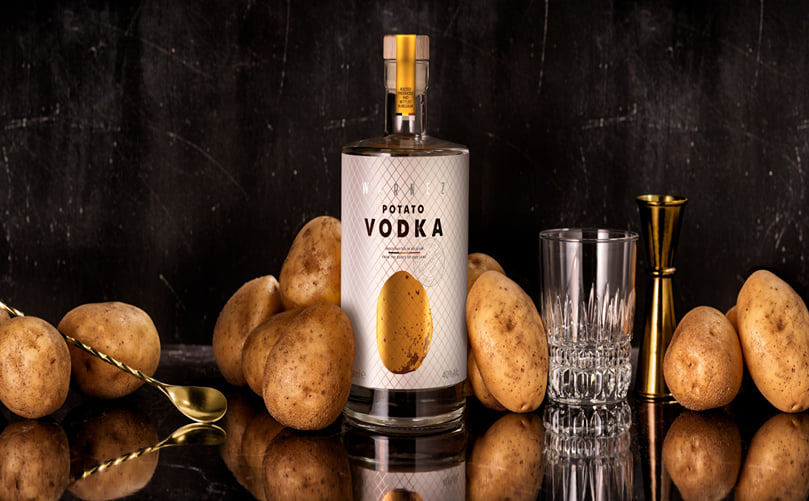
From Humble Potato to Premium Spirit
What is Potato Vodka?
Vodka, at its core, is a neutral spirit produced by distilling fermented ethyl alcohol of agricultural origin to a high level of purity followed by treatment or filtration to remove most distinctive character, aroma, taste and color. The result is a versatile, high proof spirit typically bottled at a minimum of 40% ABV (80 proof) valued for its mixability, although subtle differences in raw materials and processing can still influence texture and finish.
Potato vodka is specifically produced from high starch potatoes rather than the more common cereals (such as wheat, rye, corn or barley) used in grain-based vodkas. This potato base contributes unique compounds such as glycerol and certain fatty acid esters formed during starch conversion and fermentation which can persist through rectification and result in a fuller, denser and naturally creamier mouthfeel. It often carries faint earthy or subtly sweet notes reminiscent of root vegetables. In contrast, grain vodkas are generally lighter, crisper and may exhibit slightly peppery or dry characteristics. This difference in texture is why potato vodka is often described as “velvety” or “structured” on the palate, even after multiple distillations and filtrations.

Transforming Potatoes into Liquid Excellence
Legal definitions vary by region, reflecting a balance between tradition and production flexibility.
Under European Union law (Regulation (EU) 2019/787), vodka is defined as a spirit drink produced from ethyl alcohol of agricultural origin obtained through the fermentation of potatoes, cereals or other agricultural raw materials, followed by rectification or equivalent treatment to reduce the organoleptic characteristics of the base material. The minimum bottling strength is 37.5% ABV. Potatoes are explicitly recognized as a traditional raw material alongside cereals. If other agricultural sources (such as grapes or molasses) are used the label must clearly indicate the origin, ensure transparency while preserve traditional identity.
In the United States, according to the Alcohol and Tobacco Tax and Trade Bureau (TTB) Standards of Identity (27 CFR §5.22), vodka is defined as a neutral spirit distilled or treated after distillation so as to be without distinctive character, aroma, taste or color. It must be distilled to at least 190 proof (95% ABV) and bottled at no less than 40% ABV (80 proof). Producers are permitted to voluntarily state the base ingredient such as “distilled from potatoes” or “potato vodka” provided the final product meets neutrality standards. Limited additions, such as small amounts of sugar or citric acid are also allowed within specified limits.
Together, these regulatory frameworks ensure that potato vodka is globally recognized as true vodka, while still allowing its inherent textural richness and subtle character to differentiate it particularly in premium and craft segments.
From Royal Roots to Resilient Spirit: The History and Cultural Legacy of Potato Vodka
The story of potato vodka is deeply intertwined with the broader history of vodka itself a spirit whose origins are strongly associated with both Poland and Russia, with written records and cultural evolution spanning several centuries.
The earliest documented use of the word “wódka” dates back to 1405 in a Polish court record (Akta Grodzkie) from the Palatinate of Sandomierz. At that time, it referred to a distilled liquid used primarily for medicinal and cosmetic purposes rather than consumption as a beverage. This record places Poland at the forefront of vodka’s linguistic and early functional origins. In Russia, distillation practices resembling vodka production were present as early as the 9th century, often associated with monastic traditions. However, the term “vodka” derived from “voda,” meaning “little water” entered common usage later, around the 16th century, sometimes referring to imported Polish spirits. Early versions of vodka were relatively low in alcohol content (around 14% ABV) and were produced in simple pot stills using available agricultural materials such as grains or fermented wine.
Potatoes, native to the Andes region of South America and introduced to Europe by Spanish explorers in the 16th century, arrived in Poland between the late 17th and early 18th centuries. According to popular accounts, they were brought back by Jan III Sobieski following the Battle of Vienna. Initially cultivated as ornamental plants in royal estates such as Wilanów Palace, potatoes gradually gained acceptance as a food crop, particularly during the reign of Augustus III. By the early 19th century, they had become a staple across Eastern Europe, especially in regions with poor soils and challenging climates where grain cultivation was less reliable.
Their high starch content made potatoes especially suitable for distillation. Compared to early grain mashes, potatoes yielded a higher amount of fermentable sugars making them an efficient and economical raw material for alcohol production. Nineteenth century distillation manuals, including Praktyczne Gorzelnictwo (1841), highlighted their advantages contributing to a rapid expansion of potato-based vodka production. During this period, potato vodka became widely associated with affordability and accessibility particularly among rural populations.
Culturally, potato vodka evolved into a symbol of resilience and national identity in Poland. The crop’s ability to thrive under harsh conditions made it a vital resource and its transformation into vodka elevated it from a subsistence staple to a culturally significant product. Today, “Polish Vodka” is protected as a geographical indication requiring that it be produced entirely within Poland using specific approved raw materials including potatoes. It remains central to social customs, celebrations and traditional toasts such as “Na zdrowie!” reflecting hospitality and communal bonding.
In Russia, vodka production gradually shifted toward grain particularly rye and wheat due to higher yields and scalability. Nevertheless, potatoes played a role in traditional distillation practices and remain part of the broader heritage of vodka production. Over time, vodka transitioned from a medicinal preparation to a regulated and widely consumed social beverage. Under Catherine the Great, state control over vodka production was formalized in the 18th century and the spirit became deeply embedded in Russian culture, literature and economic systems appearing in the works of figures such as Fyodor Dostoevsky and Leo Tolstoy.
The 19th and 20th centuries marked a period of industrialization and technological advancement in vodka production. Distilleries such as J.A. Baczewski founded in 1782, introduced innovations like double rectification and expanded international exports. In Russia, charcoal filtration techniques were refined to enhance purity and consistency. Following World War II, global vodka production increasingly favored grain-based spirits due to efficiency and scale. However, potato vodka retained its artisanal and heritage value particularly in Poland.
Today, this rich historical and cultural legacy continues to support the premium positioning of potato vodka. Its narrative transforming a humble, resilient crop into a refined spirit resonates strongly with modern consumers seeking authenticity, tradition and craftsmanship.
Potatoes as the Foundation of Premium Vodka Production
Potatoes (Solanum tuberosum L.) are the defining raw material for potato vodka selected specifically for their high starch content rather than culinary qualities. Unlike table potatoes, which typically contain around 15–20% starch with higher water content distilling varieties is bred for significantly higher dry matter and starch levels. In commercial practice, total dry matter generally ranges from 20–25% with starch content contributing the majority of this fraction. Because potatoes consist of approximately 75–80% water, they are inherently less efficient as a спирит raw material compared to grains which can reach about 80% dry matter predominantly starch.
Small to medium sized tubers are often preferred in distillation not strictly because size alone determines starch concentration but uniform, dense tubers with higher dry matter tend to process more efficiently and consistently. Starch content remains the critical parameter as it directly determines fermentable sugar yield after enzymatic hydrolysis.
Common high starch varieties used in vodka production include Russet types (widely used in the United States for their floury texture and high dry matter), King Edward and Agata. However, it is important to clarify that varieties like Agata are typically medium starch table potatoes; in industrial distillation, specialized cultivars with consistently higher starch content are preferred. In traditional vodka producing regions such as Poland and Russia, locally adapted cultivars are selected not only for starch yield but also for disease resistance, storability and performance under cooler growing conditions.
Starch content directly influences alcohol yield: higher starch results in greater production of fermentable sugars during processing. Despite this, overall efficiency remains relatively low compared to grains. On average, it requires approximately 15–16 tonnes of potatoes to produce 1,000 litres of spirit at about 96% ABV, although this can vary depending on starch content, processing efficiency and distillation technology.
From an agronomic perspective, potatoes are a cool season crop. Optimal tuber development occurs at mean daily temperatures of 18–20 °C with night temperatures around 15–17 °C being ideal for starch accumulation. They require well drained sandy loam to loamy soils rich in organic matter with a slightly acidic pH range of 5.0–5.5. Soil compaction or excess moisture can significantly reduce yield and increase susceptibility to diseases.
Water management is critical with total water requirements typically ranging between 500–700 mm over a 100–130 day growing cycle (depending on cultivar and climate). Consistent moisture during tuber initiation and bulking stages is essential to prevent physiological disorders such as cracking and hollow heart as well as to maximize starch accumulation.
Crop rotation plays a key role in sustainable potato production. Potatoes are ideally grown after cereals and before legumes, while avoiding successive planting after other solanaceous crops to reduce the risk of soil borne diseases such as late blight and nematode infestations. In major producing regions like Poland and Russia, potatoes are harvested seasonally (late summer to autumn) but can be stored for several months under controlled conditions, ensuring a continuous supply for distillation.
Sustainability practices are increasingly being adopted in potato production for vodka including cover cropping, reduced tillage and precision nutrient management. These approaches aim to improve soil health, reduce input costs and support consistent, large scale raw material supply for the spirits industry.
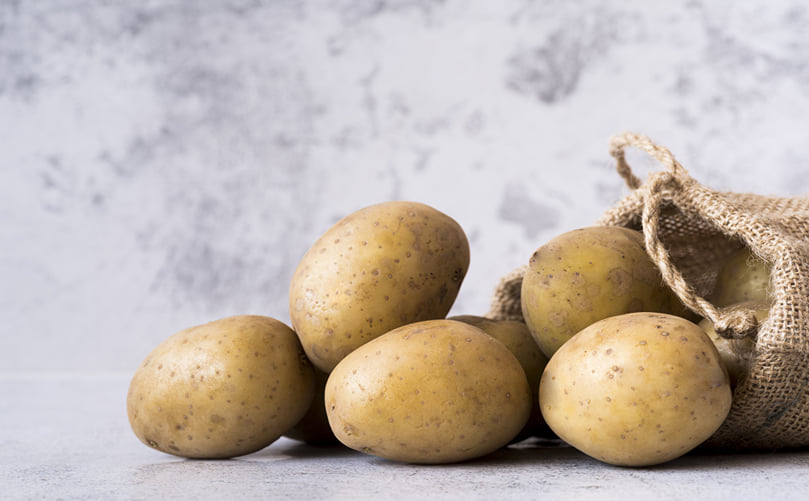
High Starch Potatoes: The Core Raw Material Behind Premium Vodka Production
From Tuber to Spirit: The Art and Science of Potato Vodka Production
Potato vodka production is generally more labor and energy intensive than grain-based processes, primarily due to the high moisture content and structural complexity of potatoes. The presence of cell wall materials (including pectin) and lower starch concentration per unit weight requires more intensive processing to achieve efficient sugar extraction and fermentation. The process typically involves the following stages:
Washing and Preparation: Fresh potatoes (Solanum tuberosum) are thoroughly washed to remove soil, stones and debris. Mechanical scrubbers are commonly used in industrial setups. Peeling is usually avoided in large scale production to minimize material loss, although excessive skin content may increase pectin related compounds. The cleaned tubers are then chopped or sliced to ensure uniform heat penetration during cooking.
Cooking and Mashing: The prepared potatoes are cooked either by steaming or pressure cooking to gelatinize the starch. This step disrupts cell walls and converts semi crystalline starch granules into an amorphous form making them accessible to enzymatic action. Industrial systems often use continuous steam cookers, while smaller producers may rely on batch boiling. The result is a thick, viscous mash.
Enzymatic Conversion (Saccharification): Once gelatinized, starch is broken down into fermentable sugars through enzymatic hydrolysis. Commercial distilleries typically add α-amylase for liquefaction and glucoamylase for saccharification. Some craft producers may incorporate malted barley as a natural enzyme source, although this introduces non-potato inputs.
Two process configurations are used: Separate Hydrolysis and Fermentation (SHF), where enzymatic breakdown and fermentation occur in distinct stages and Simultaneous Saccharification and Fermentation (SSF), where both occur together. SSF is increasingly preferred due to reduced contamination risk and improved energy efficiency. The resulting liquid, often referred to as wort or mash liquor, contains fermentable sugars such as glucose and smaller oligosaccharides.
Fermentation: The mash is cooled to around 24–30 °C and inoculated with yeast, typically strains of Saccharomyces cerevisiae selected for high ethanol tolerance and clean fermentation profiles. Commercial distilling strains are optimized to achieve high conversion efficiency, typically reaching 85–95% of theoretical ethanol yield under controlled conditions.
Fermentation generally completes within 48–72 hours producing a wash with approximately 8–12% alcohol by volume (ABV). During this stage, careful temperature control is essential to prevent yeast stress, which can lead to the formation of unwanted higher alcohols and off flavors. Potato-based mashes may produce slightly higher glycerol levels contributing to a smoother mouthfeel.
Distillation: The fermented wash is distilled to concentrate and purify ethanol. Most industrial producers use continuous column stills to achieve high rectification levels, typically reaching 95–96% ABV. Craft distillers may use pot stills or hybrid systems to retain more character followed by additional rectification steps.
Because potatoes contain pectin especially in the skin methanol formation can be slightly higher compared to grain-based spirits. Methanol, which has a lower boiling point than ethanol is separated during the initial distillation fractions (heads). Industrial facilities may use dedicated de-methanization columns, while smaller producers rely on precise fraction cuts to ensure safety and compliance with regulatory standards.
Filtration and Finishing: The distilled spirit is typically filtered using activated charcoal or other media to remove trace congeners and achieve a clean sensory profile. It is then diluted with high purity water to the desired bottling strength commonly at least 37.5% ABV in the European Union and 40% ABV in the United States.
Some premium producers apply minimal filtration to preserve subtle textural characteristics associated with potato-based spirits, such as a fuller mouthfeel and slight creaminess.
Overall, the production of potato vodka demands more input per litre of alcohol compared to grain-based vodka, both in terms of raw material and processing intensity. This contributes to its positioning as a premium spirit, often valued for its distinct texture and character rather than complete neutrality.
The Science Behind the Spirit: Chemistry of Potato Vodka
Potato vodka’s chemistry differs subtly from grain-based vodka due to the unique composition of its raw material particularly its starch structure, cell wall components (including pectin) and fermentation derived metabolites. Even after high rectification, where the spirit typically reaches ~95–96.4% ABV, trace levels of congeners remain and contribute to its characteristic texture and sensory profile. Like all neutral spirits, the final composition is still overwhelmingly ethanol and water but minor compounds influence mouthfeel and perception.
A key distinguishing component is glycerol (glycerine), a sugar alcohol formed during fermentation by yeast such as Saccharomyces cerevisiae. Slightly elevated glycerol levels in potato-based fermentations can contribute to a smoother, more viscous mouthfeel, although in well rectified vodka, concentrations remain relatively low compared to less refined spirits. The perception of “creaminess” is therefore a combination of glycerol, trace fatty acid esters and overall spirit structure rather than a single compound.
Methanol formation is linked to the breakdown of pectin present in potato cell walls, especially when skins are included. While potato mashes may generate somewhat higher methanol levels than grain mashes, modern distillation practices effectively remove it during the heads fraction or via de-methanization systems. Importantly, all commercially produced vodkas remain well within regulatory safety limits set by authorities in regions such as the EU and the US.
Other congeners present in trace amounts (typically measured at 100% ABV before dilution) include higher alcohols (fusel alcohols), carbonyl compounds, esters and organic acids. In potato vodka, higher alcohols such as iso-butanol and isoamyl alcohol are present in varying proportions depending on fermentation conditions and yeast strain. Their total concentration is generally low due to extensive rectification, but they can subtly influence aroma and palate structure.
Carbonyl compounds such as acetaldehyde and small amounts of ketones may be formed during fermentation, while esters like ethyl acetate contribute faint fruity or solvent like notes at low concentrations. Organic acidity is typically very low as most acids are either removed during distillation or remain below sensory thresholds.
Yeast strain selection plays a major role in determining the congener profile. Commercial distilling strains are optimized to maximize ethanol yield while minimizing off-flavor production. Process choices such as simultaneous saccharification and fermentation (SSF) versus separate hydrolysis and fermentation (SHF) can also influence the formation of volatile compounds with SSF often associated with more controlled and stable fermentation outcomes.
Water quality is another critical factor in the final composition. The mineral profile of dilution water can influence mouthfeel, perceived smoothness and finish, which is why many producers use demineralized or carefully balanced water sources.
Compared to grain vodka, potato vodka may retain a slightly fuller body due to trace levels of glycerol and fatty acid esters along with subtle earthy or vegetal nuances that can persist when filtration is minimal. However, it is important to emphasize that all legally defined vodkas must meet strict standards for neutrality, meaning these differences are typically delicate rather than pronounced.
Overall, potato vodka achieves a balance between chemical purity and subtle structural character maintaining compliance with international safety regulations while offering a distinctive, texturally richer profile.
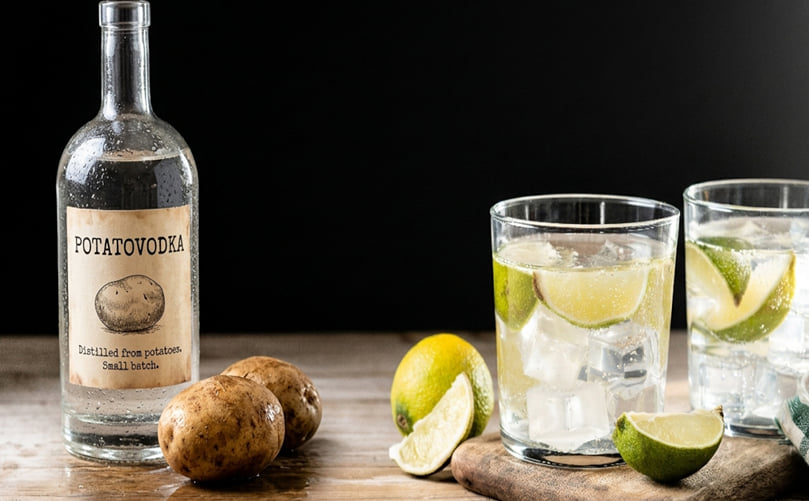
Inside the Spirit: The Chemistry That Defines Potato Vodka
Texture Over Taste: The Signature Sensory Experience of Potato Vodka
Potato vodka is widely recognized for offering a fuller and more textured sensory experience compared to the lighter, crisper profile of most grain-based vodkas. While all vodkas are legally defined as neutral spirits, subtle differences in composition particularly trace congeners and fermentation by-products create a distinctive perception on the palate.
The most notable characteristic is mouthfeel. Potato vodka is often described as creamy, smooth and slightly more viscous than grain vodka, giving it a rounded and structured presence. This perception is influenced by small amounts of glycerol and trace fatty acid esters formed during fermentation and distillation. Although glycerol levels in vodka are low due to rectification even minor differences can contribute to a softer, fuller texture compared to grain-based spirits.
On the nose, potato vodka tends to be delicate and restrained. Aromas are usually clean with faint earthy or subtly vegetal nuances, sometimes reminiscent of potato skin or mild root vegetables. These notes are typically very light especially in well rectified spirits and are far less pronounced than in less refined distillates. Ethanol sharpness is generally subdued in high quality examples, particularly when served chilled.
On the palate, potato vodka may present a slightly fuller body with a gentle softness and mild sweetness though it remains fundamentally neutral. Subtle undertones occasionally described as earthy, creamy or faintly nutty can appear but they are not dominant. The finish is typically smooth and lingering with a gradual fade rather than a sharp or astringent end.
Well known examples help illustrate these traits. Chopin Potato Vodka from Poland is often noted for its soft, rounded texture and subtle creamy character, while Luksusowa is recognized for a slightly fuller body with delicate earthy undertones. These differences, however, remain nuanced and within the expectations of vodka’s neutral style.
In comparison, grain-based vodkas typically made from wheat, rye or corn are often perceived as lighter, drier and more neutral, sometimes with faint peppery or crisp notes. Potato vodka by contrast is frequently described as having more “body” or “structure,” a term used by tasters to indicate a slightly richer mouthfeel without strong flavor intensity.
Overall, potato vodka maintains compliance with strict neutrality standards while offering a subtly enhanced textural experience making it particularly appealing to those who value smoothness and mouthfeel in a premium spirit.
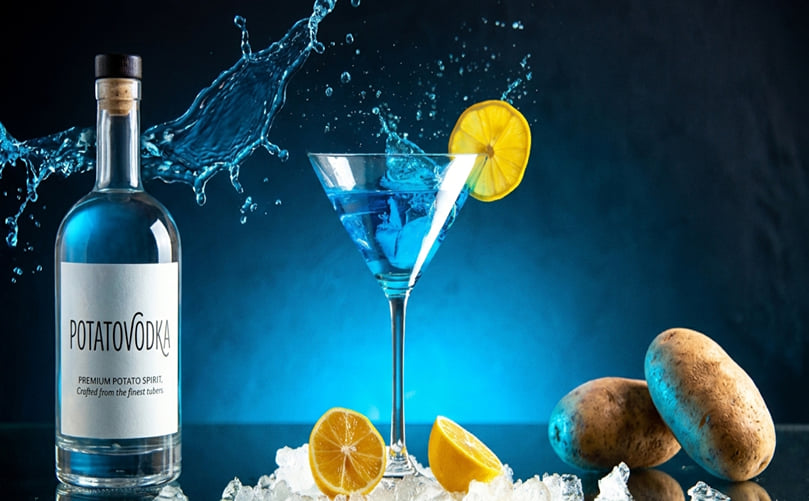
The Art of Mouthfeel: Exploring the Smooth and Creamy Texture of Potato Vodka
From Neat Sips to Crafted Cocktails: The Versatility of Potato Vodka
Potato vodka is valued for its slightly fuller body and smooth texture, making it versatile for both neat consumption and cocktail use. While differences from grain vodka remain subtle due to strict neutrality standards, its perceived roundness and softness can enhance certain drinking experiences, particularly in texture driven applications.
When consumed neat, potato vodka is often best served well chilled either from the freezer or over ice. Lower temperatures reduce ethanol volatility, resulting in a smoother perception with minimal burn. The texture may feel slightly richer and more rounded compared to grain-based vodkas. In traditional settings especially in regions like Poland and Russia vodka is commonly enjoyed neat during social toasts. Using small glasses or tulip-shaped tasting glasses can help concentrate subtle aromas while emphasizing mouthfeel.
In mixology, potato vodka performs particularly well in cocktails where a smoother less sharp profile is desirable. In a classic Martini, it can provide a slightly softer and more rounded base, complementing dry vermouth without introducing additional sharpness. In a Bloody Mary, its body integrates well with tomato juice, spices and savory elements helping create a balanced and cohesive drink.
It also works effectively in cocktails such as the Moscow Mule, where its smoothness can soften the intensity of ginger beer and in simple highballs with soda or tonic, where its neutrality allows other ingredients to remain prominent while contributing a subtle sense of weight.
Food pairings with potato vodka typically focus on rich, savory or umami driven dishes. Its smooth profile complements foods like smoked fish, roasted meats, creamy cheeses and pickled vegetables. It can also pair well with spicy cuisines, where its clean yet slightly rounded character helps balance heat without overpowering flavors. However, for very delicate dishes, its comparatively fuller mouthfeel may be more noticeable than lighter grain vodkas.
Overall, potato vodka appeals to both professional bartenders and casual drinkers seeking a smoother slightly more rounded vodka experience. Its versatility across neat consumption and cocktails along with its traditional heritage contributes to its reputation as a premium and adaptable spirit.
Scale vs Craft: How Production Methods Shape Potato Vodka Character
The divide between industrial and craft potato vodka production reflects fundamental differences in scale, technology, production philosophy and final organoleptic profile. While both approaches must comply with strict global standards for vodka neutrality, they differ significantly in how they balance efficiency, congener management and perceived character.
Industrial or large scale production is built around maximizing throughput, consistency and rectification efficiency. Facilities typically employ continuous multi column distillation systems operating 24/7, capable of producing highly rectified neutral spirit at approximately 95–96.4% ABV in a single integrated process. These systems are designed for optimal separation and congener stripping, ensuring minimal batch-to-batch variation.
Raw materials are sourced in bulk from large scale farms or cooperatives, prioritizing supply stability over varietal distinction. Processing is highly automated including steam or pressure cooking for rapid starch gelatinization, precise enzymatic hydrolysis and controlled continuous fermentation. The resulting wash is distilled and subjected to extensive rectification and multi-stage filtration often using activated charcoal or mineral media to achieve a clean, neutral profile.
Brands such as Luksusowa, widely produced in Poland, exemplify this model. The focus is on scalability, cost efficiency and global consistency, making these vodkas ideal for export markets and cocktail applications. However, this high level of purification intentionally minimizes any residual potato derived character aligning with the goal of near total neutrality.
In contrast, craft or artisanal production emphasizes smaller batch sizes, process control and selective congener retention. Distilleries often utilize pot stills, hybrid systems or smaller column stills with fewer plates, operating in discrete batches rather than continuous flow. This allows greater control over distillation cuts and a more nuanced approach to rectification.
Raw material selection is more deliberate, sometimes involving single farm sourcing or specific high starch potato varieties to enhance traceability and identity. Fermentation may employ carefully chosen yeast strains to influence glycerol formation and subtle congener development. Distillation is typically gentler and filtration is often reduced or selectively applied to avoid excessive stripping of compounds that contribute to mouthfeel.
A leading example is Chopin Potato Vodka which emphasizes small batch production, varietal focus and heritage driven storytelling. In this model, the objective is not to introduce strong flavors since vodka must remain neutral but to preserve a slightly fuller more structured mouthfeel and a softer, rounded finish.
The contrast between these two approaches can be understood through their core priorities. Industrial production prioritizes efficiency, uniformity and large-scale distribution, dominating global supply chains. Craft production prioritizes differentiation, perceived quality and authenticity, contributing to the premiumization of the vodka category and appealing to consumers interested in origin, process transparency and subtle sensory distinction.
In practice, some producers adopt hybrid strategies leveraging industrial efficiency for base spirit production while applying craft inspired techniques in finishing stages. However, fully craft produced potato vodka remains a niche segment, valued for its balance between technical neutrality and enhanced textural complexity as well as its connection to tradition and raw material identity.
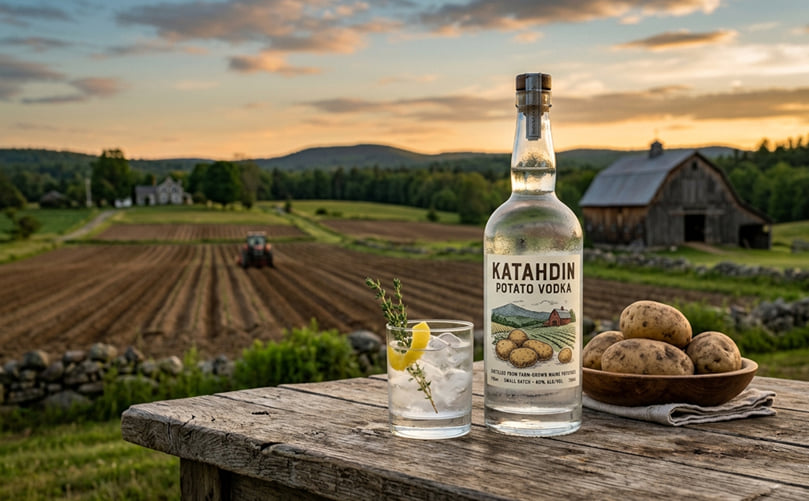
Elegance in a Glass: The Refined Look of Premium Vodka
Global Brands & Market Dynamics: The Rise of Premium Potato Vodka
Potato vodka occupies a relatively small but important niche within the global vodka category, generally estimated at a low single digit share of total production. Its positioning is strongly aligned with the premium and super premium segments, where differentiation is driven by raw material identity, texture and production philosophy rather than volume or price competitiveness.
Across global markets, potato vodka brands emphasize heritage particularly roots in Poland along with single ingredient sourcing, craftsmanship and a smoother, fuller mouthfeel. Marketing narratives often highlight gluten free origin (inherent to all vodkas after distillation but still a consumer-facing point), farm-to-bottle transparency and authenticity. This contrasts with mass market grain vodkas, which focus on scalability, neutrality and consistency.
Among leading brands, Chopin Potato Vodka is widely regarded as a pioneer of the premium potato vodka segment. Established in the early 1990s under the leadership of Tadeusz Dorda, the brand emphasizes small batch production using Polish potatoes and a strong connection to traditional distillation practices. Its portfolio includes a core potato vodka along with limited and specialty releases positioned at higher price tiers. The brand is frequently recognized in international spirits competitions and is often associated with a creamy, rounded texture and subtle fruit and nut notes. Its pricing places it firmly within the premium to super premium category.
Luksusowa, originally developed in the early 20th century, represents a more accessible interpretation of potato vodka. Now part of a large international spirits portfolio, it combines traditional Polish raw materials with modern industrial production methods. Positioned in the mid-tier premium range it offers a balance of heritage and affordability making it one of the most widely distributed potato vodkas globally.
Other notable brands contribute to the category’s diversity. Monopolowa with historical roots linked to Central European distilling traditions is positioned as a value-oriented option with recognizable potato character. Chase Original Potato Vodka from the United Kingdom follows a field-to-bottle approach using estate grown potatoes, reinforcing traceability and craft credentials.
In the United States, the category is shaped largely by craft distillers. Brands such as Boyd & Blair Potato Vodka, Woody Creek Potato Vodka, 44° North Potato Vodka, Blue Ice Vodka and Grand Teton Potato Vodka emphasize local sourcing, small batch production and minimal processing to retain subtle textural qualities. These brands typically target premium retail and on-trade segments, particularly cocktail focused bars and specialty liquor stores.
Regional Adoption Trends: Regional consumption patterns reflect both tradition and evolving premiumization trends. Poland and broader Eastern Europe remain the cultural heartland of potato vodka, where it is closely tied to heritage and often consumed neat. In these markets, potato vodka maintains a stable presence supported by strong domestic identity and long-standing production traditions.
In contrast, markets such as the United States and United Kingdom are driving growth in the premium and craft segments. Here, consumer interest is influenced by mixology culture, demand for artisanal products and perceived quality differences such as smoother mouthfeel. Potato vodka is particularly favored in high end bars and among consumers seeking differentiation within the vodka category.
Western Europe shows a similar pattern with increasing interest in premium imports and craft spirits, while traditional markets in Eastern Europe continue to provide a stable base for both industrial and heritage brands.
Although potato vodka represents a relatively small share of global production, its importance lies in its role as a premium differentiator within an otherwise highly standardized category. By combining heritage, raw material identity and subtle textural distinction, it continues to attract both traditional consumers and modern spirits enthusiasts seeking a more refined vodka experience.
Premium Momentum: Global Trends Shaping the Potato Vodka Industry
The potato vodka segment operates as a premium niche within the broader global vodka industry, which itself represents a significant share of the international spirit market. The global vodka market is commonly estimated in the range of USD 30–35 billion in the mid-2020s with projected growth toward approximately USD 48–54 billion by the early 2030s, reflecting a steady compound annual growth rate (CAGR) of roughly 4–6%. Within this context, potato vodka accounts for a relatively small share generally considered a low single digit percentage of total volume but is growing at a comparatively faster rate driven by premiumization and evolving consumer preferences.
Estimates suggest that the potato vodka segment is expanding at a higher CAGR than the overall category, supported by its alignment with key global trends. Rather than focusing on absolute figures which can vary significantly by source the more important insight is that potato vodka consistently outperforms the broader vodka market in value growth due to its premium positioning.
Core Market Drivers: One of the primary drivers is premiumization. Consumers are increasingly shifting toward higher value spirits, prioritizing quality, origin and production transparency over price. Potato vodka fits well within this trend due to its association with craftsmanship, heritage and a perceived smoother, fuller mouthfeel. Brands such as Chopin Potato Vodka exemplify this positioning, offering small batch production and strong storytelling around raw material and origin.
Health and lifestyle trends also play a role. While all vodkas are effectively gluten free after distillation, potato vodka is often marketed more explicitly in this space, appealing to consumers seeking perceived “cleaner” or alternative alcohol options. This aligns with the broader growth of gluten-free and specialty beverage segments, even if the technical distinction is minimal.
Another important factor is the demand for authenticity and provenance. Consumers increasingly value farm-to-bottle narratives, regional identity and transparency in sourcing. This has strengthened the appeal of traditional producing regions such as Poland as well as emerging craft producers in markets like the United States and United Kingdom.
The rise of mixology and experiential drinking further supports growth. Bartenders and consumers alike are exploring subtle differences in texture and structure, where potato vodka can offer a slightly fuller profile in cocktails such as the Martini and Bloody Mary. This has increased its presence in premium bars and cocktail focused environments.
Regional Dynamics: Regionally, Europe particularly Poland remains the historical and cultural center of potato vodka production with strong domestic consumption and established production infrastructure. Eastern European markets continue to support traditional consumption patterns, often favoring vodka served neat.
In contrast, the United States leads in premiumization and craft innovation. The growth of small distilleries and consumer interest in artisanal spirits has created a favorable environment for potato vodka, especially in urban markets and high-end hospitality sectors.
The United Kingdom reflects similar trends with increasing demand for premium and craft spirits supported by a strong cocktail culture. Other regions including parts of Asia Pacific and South America are emerging markets where interest in imported premium spirits is gradually increasing, though from a relatively small base.
Industry Structure: The industry is characterized by a mix of large-scale producers and smaller craft distilleries. Major global spirits companies provide scale, distribution and market access, often producing consistent widely available potato vodkas such as Luksusowa. At the same time, independent producers and craft distilleries drive innovation, differentiation and premium pricing through smaller batches and distinctive branding.
This dual structure allows the category to serve both mass market and niche premium segments simultaneously. However, challenges remain including higher production costs due to lower alcohol yield from potatoes compared to grains as well as relatively limited consumer awareness in some regions.
Although potato vodka represents a small share of the global vodka market its strategic importance lies in its alignment with long term industry trends premiumization, authenticity and experiential consumption. As consumers continue to seek higher quality and more differentiated spirits, potato vodka is well positioned to expand its influence within the premium segment, even if its overall volume share remains limited.
From Field to Bottle: Sustainability in Potato Vodka Production
Potato vodka production like all distilled spirits is resource intensive but it also presents meaningful opportunities for sustainability through circular-economy practices. Its environmental footprint is shaped by three main stages: potato cultivation, processing and distillation. While challenges exist particularly in water and energy use ongoing innovations are improving overall efficiency and environmental performance.
Potato cultivation requires moderate to high water input, typically around 500–700 mm over the growing cycle depending on climate, soil type and irrigation practices. In rain fed systems, this demand is partially met by natural precipitation but in irrigated systems, inefficient water management can contribute to runoff and nutrient leaching. As a crop, potatoes are sensitive to climate variability including drought and temperature extremes which can impact both yield and starch accumulation.
Energy use is a major contributor to the environmental impact of potato vodka. Processing stages such as cooking (for starch gelatinization), enzymatic conversion, fermentation temperature control and especially distillation require significant thermal and electrical energy. Distillation and rectification are typically the most energy intensive steps representing a substantial share of total production emissions in the broader spirits industry. Packaging and agriculture also contribute meaningfully to the overall life cycle footprint.
Water use extends beyond cultivation into processing including washing, handling, cooking and dilution of the final spirit. However, modern distilleries increasingly implement water efficient systems such as recycling loops, wastewater treatment and process optimization to reduce freshwater consumption and discharge.
One of the strongest sustainability advantages of potato vodka lies in by-product utilization. Processing generates residues such as peels, pulp and spent mash (stillage). Rather than being treated as waste, these materials are widely repurposed. Common applications include animal feed where they provide nutritional value and offset the need for other feed inputs and bioenergy production through anaerobic digestion, generating biogas. Additional uses include the production of organic fertilizers, bio-based materials and soil amendments such as biochar.
These circular approaches significantly reduce waste and can lower overall greenhouse gas emissions when compared to disposal methods like landfilling, which would otherwise generate methane. By integrating waste streams into productive uses the industry aligns with broader bioeconomy principles.
Sustainable agricultural practices are also gaining importance. Many producers are adopting crop rotation, precision nutrient management, reduced chemical inputs and soil health strategies such as cover cropping. Sourcing potatoes locally or regionally can further reduce transportation related emissions while supporting traceability and supply chain resilience.
Some producers are investing in renewable energy sources including solar, wind and biomass as well as heat recovery systems to improve energy efficiency during distillation. There is also growing interest in carbon management strategies and full supply chain transparency as part of sustainability commitments.
It is important to note that potato-based spirits generally require a larger volume of raw material per litre of alcohol compared to grain-based spirits, which can increase resource use at the agricultural level. However, when efficient farming practices and by-product valorization are applied the overall environmental impact can be significantly mitigated.
While potato vodka production presents environmental challenges particularly in terms of water and energy use it also offers strong potential for sustainable innovation. Through efficient resource management, circular use of by-products and improved agricultural practices, the sector is progressively aligning with sustainability goals. As the industry continues to evolve, potato vodka can become an increasingly responsible choice within the premium spirits category balancing quality with environmental consideration.
Potato Vodka vs Other Vodkas: Texture, Cost and Market Positioning Explained
Potato vodka distinguishes itself through texture, production economics and market perception, creating clear trade-offs compared to grain and sugar-based alternatives.
Taste & Mouthfeel: Potato vodka delivers a signature creamy, viscous and full-bodied mouthfeel, often described with subtle earthy, root vegetable or nutty notes such as parsnip, toasted almond and faint sweetness along with a longer, rounded finish. This profile is partly influenced by the retention of glycerol and fatty acid esters, although the final character depends heavily on distillation style and rectification level.
Grain-based vodkas (wheat, rye, corn, barley) are typically lighter, crisper and cleaner. Rye can introduce a mild peppery or spicy edge, while corn may lend a slightly sweet or buttery softness.
Sugar or molasses-based vodkas are generally the most neutral and linear with minimal body or distinctive flavor as they are often distilled to very high purity levels.
While some blind tastings and expert panels highlight potato vodka for its structured richness and velvety texture, this is not universal, since modern distillation can neutralize most base material differences.
Cost & Production Efficiency: Potato vodka is usually 15–30% more expensive at retail. Potatoes contain approximately 75–80% water and only 20–25% dry matter (mainly starch), requiring about 15–16 tonnes of raw material to produce 1,000 liters of high proof spirit. This is roughly three times the raw material requirement compared to grain, which has a much higher starch density and lower moisture content.
This lower efficiency increases costs across farming, transport, storage, mashing and energy consumption, which is why potato vodka is typically produced in smaller batches and positioned as a premium product.
Grain vodka scales far more efficiently making it dominant in large scale industrial production and more affordable price segments.
Sugar-based spirits are the cheapest to produce due to readily fermentable sugars, but they offer minimal differentiation within the vodka category.
Consumer Perception & Market Positioning: Potato vodka is widely perceived as premium, artisanal and heritage driven. It appeals to consumers seeking richer texture, authenticity, and a more character driven drinking experience. It is also naturally gluten free after distillation, although all properly distilled vodkas regardless of base are technically gluten free.
Grain vodka dominates global volume due to its neutrality and versatility, making it ideal for mixing. While corn or rye-based variants can offer slight character differences, they rarely match the creaminess associated with potato vodka.
Sugar-based vodka is often viewed as a neutral base spirit and is commonly positioned in entry level or highly purified categories.
Potato vodka trades efficiency and affordability for a richer mouthfeel and stronger narrative appeal. It stands out for its creamy texture and premium positioning, making it a preferred choice for connoisseurs and sipping applications, while grain vodka leads in scalability and mixability, and sugar-based vodka prioritizes cost efficiency and neutrality.
Global Vodka Regulations: EU, US and Key International Standards Explained
Potato vodka must comply with strict legal definitions and production standards that vary by jurisdiction. These frameworks are designed to protect consumers, ensure product authenticity and regulate how raw materials and characteristics are communicated in the market.
European Union – Regulation (EU) 2019/787: Under Regulation (EU) 2019/787, vodka is defined as a spirit produced from ethyl alcohol of agricultural origin obtained through the fermentation of potatoes, cereals or both. The spirit must then be distilled and/or rectified or otherwise treated to reduce the organoleptic characteristics of the raw materials and fermentation by-products, though not necessarily eliminate them entirely.
The minimum bottling strength is 37.5% ABV. Potatoes and cereals are recognized as traditional raw materials. If any other agricultural base is used (such as molasses, grapes or whey), the label must clearly state produced from followed by the raw material and this must appear in the same visual field as the product name. This rule is particularly important in traditional vodka producing regions, often referred to as the “Vodka Belt,” where consumer expectations around raw materials are strong.
Geographical indications provide an additional layer of protection. For example, Polska Wódka / Polish Vodka requires that production take place entirely within Poland using only locally grown rye, wheat, barley, oats, triticale or potatoes.
United States – TTB Standards (27 CFR Part 5): In the United States, vodka is regulated under 27 CFR Part 5, administered by the Alcohol and Tobacco Tax and Trade Bureau. Vodka is defined as a neutral spirit that is distilled or treated to be without distinctive character, aroma, taste or color.
It must be distilled to at least 190 proof (95% ABV) from any agricultural material and bottled at no less than 80 proof (40% ABV). Unlike the EU, the US does not restrict or prioritize specific raw materials, allowing full flexibility in base ingredients.
Following the 2020 modernization (T.D. TTB-176), producers are allowed to voluntarily disclose the base material on labels, such as “Distilled from Potatoes” or “Made from Potatoes,” as long as the final product still meets neutrality standards.
The regulations also permit small additions of sugar (up to 2 g/L) and citric acid (up to 1 g/L). Wood aging is generally not allowed, except in specific cases such as storage in paraffin lined containers that do not impart flavor. Unlike the EU, there is no equivalent geographical indication system specifically for potato vodka in the US.
Russia & Eastern Europe – Tradition Driven Standards: In Russia and other Eastern European countries, vodka holds strong cultural and historical significance. While modern legal frameworks allow flexibility in raw materials, there is a strong traditional preference for grain and potato-based vodkas.
Countries like Poland maintain stricter identity through geographical indications and national standards, reinforcing authenticity and origin-based quality. These regions often emphasize production heritage, raw material integrity and minimal processing to preserve character.
India – Regulatory & Taxation Focus: In India, vodka is regulated primarily for safety, labeling and taxation rather than detailed identity definitions. Oversight is handled by the Food Safety and Standards Authority of India along with state excise departments.
While general alcohol standards apply, there are fewer strict rules distinguishing vodka by raw material. This allows flexibility in production, though most commercial vodkas still follow global norms for neutrality and strength.
Globally, vodka regulations balance three key factors: neutrality, raw material transparency and cultural tradition. The EU emphasizes raw material disclosure and heritage, the US prioritize neutrality and flexibility, while Eastern Europe reinforces tradition and authenticity. India and similar markets focus more on safety and regulatory compliance.
Together, these frameworks ensure that potato vodka can be marketed internationally as an authentic product while allowing producers to highlight its origin, texture and premium positioning within different regulatory environments.
Potato Vodka Myths Debunked: Truth Behind Taste, Strength and Health Claims
Potato vodka, like vodka in general, is surrounded by persistent myths rooted in its historical reputation as a “neutral” spirit and oversimplifications in popular culture. These misconceptions can deter consumers from appreciating its unique qualities or lead to misguided purchasing decisions.
“All vodka is tasteless and odorless”: This is the most widespread myth. While legal definitions require vodka to be neutral under frameworks such as Regulation (EU) 2019/787 and 27 CFR Part 5 neutrality refers to the absence of distinctive character, not the complete elimination of all sensory traits.
Potato vodka can exhibit a subtle but measurable creamy, viscous, full-bodied mouthfeel with faint earthy, root-vegetable or nutty notes (parsnip, toasted almond, potato bread) and a longer, rounded finish. This is partly linked to glycerol and fatty acid esters retained after distillation, although the final profile depends heavily on rectification and filtration levels.
Sensory panels and expert tastings often find potato vodkas to have more “structured” richness compared to many grain vodkas. However, highly rectified vodkas regardless of base can approach near-total neutrality, so differences are typically subtle rather than dramatic.
“Potato vodka is stronger”: False. All vodka must meet identical minimum ABV standards regardless of raw material at least 37.5% ABV in the EU and 40% ABV in the US.
The perception of higher strength may arise from potato vodka’s denser mouthfeel or historical associations with stronger, unregulated spirits in parts of Eastern Europe. In reality, perceived “strength” or burn is influenced by distillation quality, congeners and filtration not the potato base itself.
“Gluten free potato vodka is healthier”: Potato vodka is naturally gluten-free and distillation removes proteins, making it suitable for individuals with celiac disease or gluten sensitivity. However, this does not provide broader health advantages.
All properly distilled vodkas including those made from wheat or rye are effectively gluten free unless additives are introduced after distillation. Potato vodka does not offer reduced calories, improved nutrition or fewer hangover effects. The “healthier” claim confuses dietary necessity with overall wellness.
Additional Common Myths: The belief that vodka must be made from potatoes is a historical stereotype originating from 19thcentury Eastern Europe. Today, potatoes account for only about 3% of global vodka production with grains dominating due to higher efficiency and scalability.
Another common misconception is that more distillations always produce better vodka. In reality, excessive rectification can strip desirable texture and congeners, resulting in a bland, overly neutral spirit. Many craft potato vodka producers intentionally use fewer distillation passes or selective filtration to preserve character and mouthfeel.
These myths persist in online discussions and casual conversation, but they are not supported by regulatory standards, sensory science or industry practice. In reality, potato vodka complies fully with global vodka definitions while offering a distinct textural profile and subtle character reinforcing its premium, craft-oriented appeal rather than contradicting the categoryes standards.
Innovation & Future Outlook of Potato Vodka: Growth Trends and Market Evolution
The potato vodka segment represents a high-growth niche within the broader spirits industry, valued at approximately USD 1.5 billion and projected to reach USD 2.5–USD 2.8 billion by 2033, expanding at a CAGR of 7.0–8.7%. This growth outpaces many traditional vodka categories and is driven by premiumization, craft revival and alignment with modern consumer preferences.
Key Innovations Driving the Category: Flavored and infused potato vodkas are expanding the category beyond traditional neutrality. Producers are introducing natural macerations using botanicals, fruits and spices such as citrus, berry, vanilla and cucumber mint. These offerings cater to cocktail culture and younger consumers while maintaining the creamy base associated with potato vodka. Limited edition and seasonal releases are increasingly prominent within craft segments.
Organic and clean label variants are gaining traction as demand rises for pesticide free potatoes, sustainable sourcing and transparent “no additives” labeling. Many brands emphasize regenerative agriculture, traceability and minimal intervention production, appealing strongly to environmentally conscious Millennials and Gen Z consumers.
Advancements in distillation and production technology are also shaping the category. Multi-stage distillation including quadruple and fivefold processes, is used to enhance smoothness and impurity removal while attempting to retain potato derived texture. At the same time, AI-driven process control, precision temperature and pressure systems, advanced filtration and water recycling technologies are improving both consistency and sustainability. Some producers are experimenting with hybrid stills and single variety potatoes to highlight terroir expression.
Sustainability and premiumization are increasingly interconnected. Practices such as carbon reduction initiatives, renewable energy use (including solar-powered facilities) and by-product circularity (biogas and animal feed) are becoming key differentiators. Ultra-premium positioning (typically above USD 30–USD 50) is supported by storytelling around single farm sourcing, heritage and craftsmanship.
Future Outlook (2030 and Beyond): Looking ahead, potato vodka is expected to benefit from continued growth in e-commerce, evolving mixology trends and increasing global demand for premium spirits. Emerging markets particularly in Asia-Pacific are likely to play a significant role in expanding its footprint beyond traditional strongholds in Eastern Europe and North America.
However, the category faces challenges including raw material price volatility (especially for potatoes) and rising competition from other craft-based spirits. Despite this, its strong positioning around authenticity, gluten free appeal, sustainability and experiential drinking supports continued expansion within the premium niche.
Overall, potato vodka is well positioned for sustained above average growth, with innovation in flavored and organic lines and expansion into new markets expected to further strengthen its global presence.
Target Consumers & Use Cases of Potato Vodka: Who Drinks It and Why
Potato vodka appeals to a discerning, premium oriented audience that values texture, heritage and authenticity over mass-market neutrality. Its positioning is shaped by both sensory appeal and storytelling, attracting consumers who prioritize quality and experience.
Core Consumer Segments: Premium and super-premium consumers typically affluent professionals aged 30–50+ seek elevated sipping experiences and high-quality gifting options. They appreciate the creamy mouthfeel and origin-driven narratives associated with brands such as Chopin Vodka and Luksusowa, often enjoying them neat or during special occasions.
Bartenders, professional mixologists and craft cocktail enthusiasts form another key segment. Potato vodkas viscous, structured body performs particularly well in spirit-forward cocktails such as Martinis and Bloody Marys, where it enhances balance, richness and mouthfeel without overpowering other ingredients. On-premise channels in major urban centers like London, New York and Berlin frequently favor it for savory or complex serves.
Gluten-sensitive and health-conscious consumers, including individuals with celiac conditions are also an important audience. Potato vodka is naturally gluten free, offering reassurance for those avoiding grain-based products. This segment often overlaps with consumers interested in clean-label and organic offerings, although the perceived health benefits should not be overstated.
Millennials and Gen Z consumers play a growing role in category expansion. They drive demand for flavored and craft variants through experiential drinking, ready-to-drink (RTD) influence and social media engagement. This group responds strongly to sustainability narratives, limited editions and versatility across both cocktails and neat consumption.
Use Cases and Consumption Occasions: Potato vodka is versatile across household consumption, commercial bars and restaurants, gifting and cocktail mixology. It performs particularly well when consumed neat typically chilled and served in appropriate glassware such as tulip glasses for a refined tasting experience as well as in premium cocktails where its texture enhances the overall profile.
It is especially suited for brunch pairings such as Bloody Marys, fine dining applications with savory dishes and creative home bartending. Its premium perception also makes it a strong choice for gifting and celebratory occasions.
Overall, potato vodka acts as a bridge between traditional Eastern European heritage and modern global craft culture. It targets consumers who are willing to pay more for authenticity, mouthfeel and storytelling rather than prioritizing volume or price driven neutrality.

Premium Moments: How Potato Vodka Fits Modern Lifestyles and Occasions