
Potato Starch: An Essential Functional Ingredient
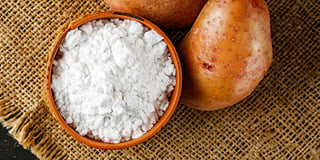
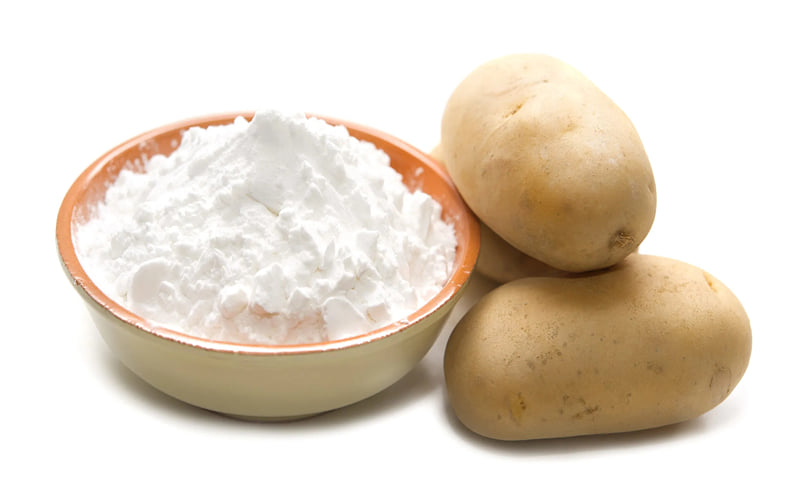
Potato starch is a fine, white powder extracted from the tubers of potatoes (Solanum tuberosum). It is primarily composed of carbohydrates, specifically amylose and amylopectin which are polysaccharides that form the energy storage in plants. Unlike other potato derived products, potato starch is isolated solely from the starchy portion of the potato, with minimal protein, fiber or fat content. It is gluten free, odorless and tasteless, making it versatile for various applications. Chemically, it consists of about 99% starch with trace amounts of moisture, ash and other minerals. Potato starch granules are large and oval shaped, contributing to its unique functional properties.
Potato starch holds substantial economic, functional and strategic importance worldwide, serving food, industrial and emerging sustainable applications. It accounts for approximately 10–15% of global starch production, with annual output exceeding 3 million metric tons, derived mainly from high starch potato varieties grown in temperate regions.
Europe dominates global production, contributing more than 70% of total output, supported by advanced agricultural and processing infrastructure in Germany, the Netherlands, Poland, France and Denmark. Other significant producing regions include China, Japan, Canada, India and Ukraine, where potato starch is often recovered as a value-added byproduct of potato processing for chips, fries and dehydrated products.
In the food industry, potato starch is used because it helps make soups, sauces, noodles, baked goods and gluten-free items better in terms of texture, thickness, and clarity. Besides food, it is also very important in making paper (for sizing and coating), in textiles (for warp sizing), in adhesives, in medicines (for tablet binding and breaking down) and in making bioplastics and materials that can break down naturally.
Potato starch is renewable, biodegradable, and made from plants, making it a good eco-friendly choice instead of materials made from petroleum.It helps support a circular economy, cuts down on the need for plastic and allows for new ideas like compostable packaging and products made from natural sources.
Market analyses indicate steady growth driven by rising demand for clean label, allergen free and sustainable ingredients. Market valuations generally range from USD 4.3 to 7.0 billion, depending on whether native and modified starches are included, with projections showing continued expansion in the coming years. Growth is supported by increased processed food consumption, industrial demand in Asia Pacific and North America and sustainability initiatives, despite challenges such as climate related variability in potato yields. This expanding sector supports rural employment, adds value to potato crops and contributes to global food and industrial sustainability.
Potato Starch: A Versatile Functional Ingredient
Historical Milestones in Potato Starch Manufacturing
Potato starch production traces back to the late 16th century, following the introduction of potatoes to Europe from the Americas by Spanish explorers around 1570. Early starch extraction methods were manual and small scale, primarily for household use.
Industrial scale production began in the 18th century, marking the transition from artisanal practices to factory-based processing. In 1804, advances in starch chemistry led to the production of dextrin, expanding industrial applications. In 1811, Gottlieb Kirchhoff demonstrated the conversion of starch into sugar (glucose), while in the same year, Samuel and Ezra Whiting established one of the earliest potato starch factories in New Hampshire, USA, contributing significantly to early American starch manufacturing.
By the 19th century, potato starch had become a common product in Europe, especially in Germany and the Netherlands, where it was commonly used for making laundry stiffeners, processing textiles and in food preparation. In the United States, specifically in Clinton County, New York, there was a big growth in potato starch mills during the 1870s.This happened because there were lots of potatoes being grown and the mills used water power to operate.
The 20th century brought major mechanization and technological improvements, enhancing extraction efficiency and product quality. During this period, Idaho emerged as a key region for potato starch production, largely as a byproduct of large scale potato processing industries such as frozen and dehydrated potato manufacturing.
Today, potato starch is produced globally as an important co-product of the modern potato industry, serving diverse applications in food, paper, textiles, pharmaceuticals and biodegradable materials. Archaeological evidence indicates the use of wild potatoes in North America around 10,900 years ago, while potato domestication in the Andes dates back approximately 7,000–10,000 years, highlighting the crop’s deep historical significance.
Source and Raw Material for Potato Starch Production
Potato Varieties Suitable for Starch Extraction
Potato varieties selected for starch extraction are characterized by high starch content, low reducing sugars (to minimize enzymatic browning and processing losses) and robust tuber structure capable of withstanding industrial handling. Ideal starch potatoes typically contain 15–25% starch on a fresh weight basis, with dry matter (DM) exceeding 20–25%, ensuring high extraction efficiency and economic viability.
In Europe, which dominates global potato starch production, widely cultivated starch specific varieties include Kuras (high yield and disease resistance) and Kardal (stable amylose amylopectin balance). The genetically modified variety Amflora was developed for near 100% amylopectin content for specialized industrial uses (paper and adhesives), though its cultivation is now highly restricted. Other high DM cultivars include Bellarosa (early maturing, nematode resistant), Captiva (good storability), Arizona (heat tolerance), Esmee (suitable for organic systems) and Santé (high resistance to late blight).
In North America, starch is largely obtained as a by-product of processing potatoes, particularly from Russet type cultivars used for fries. Additional varieties include Norchip (processing focused), Goldrush (high solids), Norkotah and Long White. While sweet potato (e.g., Jewel Yam) is occasionally used for starch, it represents a separate starch industry and is not directly comparable to potato starch systems.
Research trials in Central and Eastern Europe report varieties such as Stiletto with starch contents reaching 22–25% (fresh weight), while breeding lines like SL 13-25 show lower values (~15%). Reports of extremely high starch percentages (e.g., >70%) generally refer to dry matter basis, not fresh weight and should be interpreted accordingly. Lower grade or rejected table potatoes (e.g., Asterix) are also commonly diverted to starch extraction, improving supply chain efficiency.
Pigmented potatoes (purple and blue) typically exhibit moderate starch levels, comparable to yellow fleshed varieties but are rarely used for industrial starch due to their higher value in fresh and specialty markets. Modern breeding programs increasingly target resistant starch (RS) enhancement for health-oriented food applications, in addition to agronomic stability and processing performance.
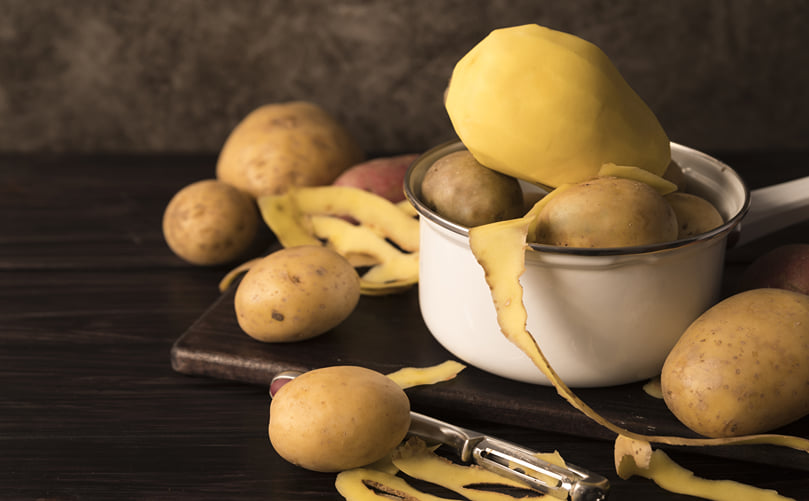
Potato Cultivars Optimized for Starch Extraction
Role of Dry Matter and Starch Content
Dry matter represents the non-water fraction of the tuber and is a primary determinant of starch yield, processing efficiency and transport economics. In starch potatoes, DM commonly ranges from 20–25%, with starch accounting for approximately 60–80% of total DM.
Higher DM levels are directly associated with greater starch recovery per tonnes of potatoes, lowering energy consumption and waste generation during processing. For example, dedicated starch varieties with 25% DM can yield 18–20% starch, whereas table potatoes with 18–20% DM produce significantly less. Adequate DM (>18%) also reduces bruising during harvest and handling, although excessively high DM may negatively affect culinary quality.
Starch content influences both functional properties (viscosity, gel strength, water binding) and nutritional attributes, serving as a major carbohydrate source. DM and starch are routinely estimated using specific gravity measurements or near infrared spectroscopy (NIRS) for rapid, non-destructive assessment.
Agronomic factors affecting DM and starch accumulation include:
- Nitrogen nutrition (excess N reduces DM and starch)
- Potassium and magnesium (generally enhance starch synthesis)
- Environmental conditions (temperature, soil moisture and genotype × environment interactions)
By-products from starch extraction, such as potato pulp, retain residual DM (fiber, protein and starch) and are widely utilized in animal feed or fermentation systems, contributing to circular bioeconomy models.
Geographic Distribution of Starch Potatoes
Starch potato production is concentrated in temperate regions with cool growing conditions that favor high DM and starch accumulation. Global potato production exceeds 370 million metric tons annually, cultivated on approximately 17 million hectares worldwide.
Europe is still the main place where potato starch is made around the world.It produces about 40 to 60 percent of all potato starch.The top countries in this industry are Germany, the Netherlands, Denmark, Poland, and France. In the Netherlands, the growing of starch potatoes is mainly done in the northern areas like Drenthe and Groningen.This is because there are special facilities and long-term farming agreements that support this type of farming.
The Asia Pacific region is growing the fastest, mainly because of China, which is the world's biggest potato producer and a big starch processor.India and Japan are also important, as they are seeing more demand for processed foods. North America mainly uses starch that is taken from waste materials during processing, especially in the United States and Canada, such as in Idaho and Maine.This is a market that has been around for a long time and remains steady.
Other contributors include Ukraine (a major potato producer in Eastern Europe), parts of Latin America (notably Peru with native germplasm) and emerging regions in Africa and the Middle East. Globally, the potato starch market was valued at approximately USD 3–4 billion in 2023 and is projected to reach USD 5–7 billion by 2030, driven by demand from food, paper, textile and biodegradable materials industries.
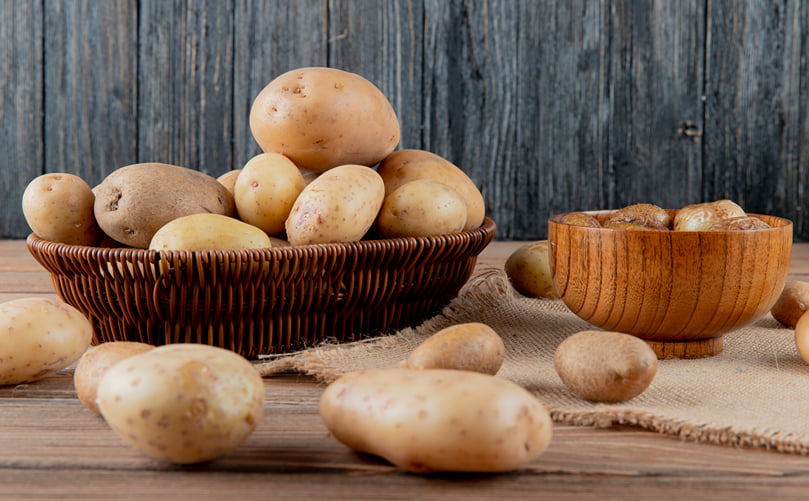
Potatoes Selected for Functional and Industrial Starch Use
From Tuber to Starch: The Complete Potato Starch Extraction Process
Cleaning, Rasping and Cell Rupture: The manufacturing process begins with the delivery of raw potatoes to the starch factory via trucks or conveyor systems, followed by unloading and initial quality inspection to remove damaged, diseased or foreign materials. Cleaning is carried out in two stages: dry cleaning (using vibrating screens or stone traps to remove soil, stones and metal debris) and wet washing, typically performed with drum washers or high pressure water jets to eliminate adhering soil and reduce microbial load.
After washing, potatoes are subjected to rasping, the critical operation for starch release. Rasping is performed using high speed rotating drums fitted with abrasive surfaces such as carborundum coated grates, operating at approximately 1,500–2,000 rpm. This process ruptures the parenchyma cells, liberating starch granules into an aqueous medium while minimizing granule damage. Process water is added to facilitate slurry formation, resulting in a pulp slurry containing approximately 20–25% total solids. Modern starch plants may employ enzyme assisted rasping (e.g., pectinases or cellulases) to improve cell wall breakdown, particularly when processing low grade or high fiber potatoes.
Starch Separation and Purification: The rasped slurry undergoes multi-stage separation and purification to isolate starch from fibers, proteins and soluble components. Initially, coarse fibers (pulp) are removed using centrifugal sieves, rotary screens or decanter centrifuges. The resulting starch rich suspension is then subjected to hydrocyclone separation, where centrifugal forces separate fine fibers and protein rich fractions from the starch milk.
High purity starch is obtained through counter current washing in multi-stage hydrocyclone systems, typically consisting of 10–12 stages, achieving starch purities exceeding 99%. During this process, soluble impurities, residual proteins and cell debris are removed efficiently. In some operations, mild bleaching agents such as sulfur dioxide or ozone are applied to improve starch whiteness and microbial stability, though their use is increasingly regulated. Final screening steps ensure the removal of agglomerates and foreign particles prior to dewatering.
Dewatering, Drying and Packaging: Following purification, the starch milk is subjected to dewatering to reduce moisture content from approximately 60% to 35–45%. This is achieved using peeler centrifuges, vacuum belt filters or screw presses, depending on plant capacity and design.
Drying is commonly performed using flash dryers or pneumatic drying systems, where hot air at 150–200 °C rapidly evaporates surface moisture, producing a free flowing starch powder with a final moisture content of approximately 18–20%, suitable for safe storage and transport. After drying, starch is sifted or air classified to remove oversized particles and ensure uniform granulation. Packaging is carried out in moisture-proof bags (typically 25–50 kg) or stored in bulk silos under controlled temperature and humidity conditions to prevent caking and microbial growth
By-Products and Their Utilization (Pulp, Protein Water and Effluents):
By-products account for approximately 20–30% of the original potato input, and their efficient utilization is central to the sustainability of potato starch manufacturing.
- Potato pulp, the fibrous residue remaining after starch separation, is dewatered and widely used as cattle feed, owing to its high fiber content and residual starch. It is also utilized as a substrate for anaerobic digestion to produce biogas or as a feedstock for bioethanol production.
- Protein water, generated during starch purification, contains soluble potato proteins. These proteins are recovered by thermal or acid coagulation, yielding approximately 5–8% protein (on a dry basis), rich in essential amino acids. Recovered potato protein is used in animal feed, food ingredients and agricultural fertilizers.
- Fruit water (process effluent), a dilute stream rich in soluble nutrients is commonly treated through anaerobic digestion for methane recovery or reused for irrigation after nutrient recovery, reducing wastewater discharge.
- Potato peels (when peeling is employed) can serve as an additional starch source. Enzyme assisted extraction (e.g., using pectinase) has been shown to recover significant starch fractions, making peels suitable for gluten free starch applications, bioplastics and bio-based materials.
Advanced valorization strategies increasingly focus on integrated biorefinery approaches, enabling the recovery of starch, proteins, fibers and bioenergy from a single raw material stream thereby minimizing waste and environmental impact.
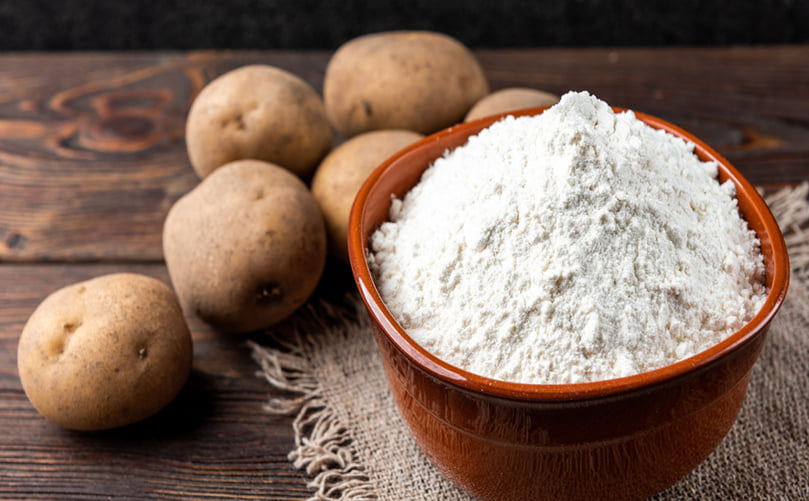
Industrial Potato Starch Production: From Tuber to Powder
Functional and Physicochemical Attributes of Potato Starch
Granule Size and Shape: Potato starch granules are distinguished by their relatively large size compared with other common starches, typically ranging from 5 to 100 µm in diameter with an average size of 15–40 µm. Some studies report means granule sizes closer to 15 µm which may increase slightly during post-harvest storage due to physiological and environmental factors.
Granules exhibit diverse morphologies, including oval, elliptical, spherical and pear-shaped forms, with generally smooth surfaces. Under scanning electron microscopy (SEM), striations, growth rings or minor surface fissures may be observed. Irregular or polygonal shapes are more common in high amylose potato varieties, where granule formation is structurally constrained.
The large granule size contributes directly to potato starch’s high swelling capacity and paste viscosity as larger granules absorb more water before rupture. Under polarized light microscopy, granules display a distinct Maltese cross birefringence pattern, confirming a semi crystalline organization with radially oriented amylopectin double helices.
Granule size and morphology vary with genotype, cultivation conditions (e.g., altitude, temperature), and storage duration. Potatoes grown at higher altitudes often produce smaller granules with altered crystallinity. Starches extracted from colored flesh potatoes (yellow, red, purple) generally show similar size distributions but differ in internal molecular architecture, influencing functional behavior. The large, smooth granules also enhance starch whiteness and purity, making potato starch suitable for applications requiring high clarity and brightness.
Amylose–Amylopectin Ratio: Potato starch typically contains 20–30% amylose and 70–80% amylopectin, though this ratio is strongly variety-dependent. Waxy cultivars such as Amflora approach nearly 100% amylopectin, whereas high amylose types may exceed 30–35% amylose.
Amylose consists of long, mostly linear α-(1→4)-linked glucose chains, promoting gel formation, retrogradation and enzymatic resistance. Amylopectin is a highly branched polymer with α-(1→6) linkages, responsible for granule swelling, paste viscosity and clarity. The amylose–amylopectin ratio significantly affects the thermal, rheological, mechanical and digestibility properties of potato starch.
A distinctive feature of potato starch is the presence of covalently bound phosphate monoesters (approximately 0.06–0.09% phosphorus), primarily attached to amylopectin chains. These phosphate groups impart a negative charge, enhancing water uptake, granule swelling and paste viscosity.
Molecular weight ranges are approximately 10⁴–10⁵ Da for amylose and 10⁷–10⁸ Da for amylopectin, influencing solubility and flow behavior. High amylose potato starches are valued for resistant starch formation, while high amylopectin (waxy) starches offer superior freeze thaw stability and paste clarity.
Gelatinization Temperature: Potato starch gelatinizes at a relatively low temperature range of 59–68°C, which is comparable to or slightly lower than cereal starches such as maize (62–72°C) and wheat (58–64°C). This low gelatinization temperature allows effective thickening under mild thermal processing conditions.
Gelatinization involves the loss of crystalline order, granule swelling, amylose leaching and viscosity development upon heating in the presence of water. Initial hydration typically begins around 50–55°C, followed by rapid and unrestricted swelling between 60 and 90°C, a characteristic feature of potato starch.
Factors influencing gelatinization include amylose content (higher amylose increases gelatinization temperature), phosphate ester content (lowers onset temperature due to electrostatic repulsion), granule size and chemical modifications such as hydroxy propylation. Differential scanning calorimetry (DSC) generally shows an endothermic peak at 60–65°C, with enthalpy values of 15–20 J/g, reflecting the energy required to melt crystalline regions.
Varietal and environmental differences can produce measurable shifts in gelatinization behavior, which directly affect processing performance and digestibility.
Swelling Power and Viscosity: Potato starch exhibits exceptionally high swelling power, with granules capable of absorbing up to 100 times their weight in water or increasing in volume by nearly 1000%. This behavior is attributed to large granule size, long amylopectin chains and phosphate ester groups that promote hydration.
Swelling power increases with temperature, remaining limited below 50°C and reaching a maximum between 70 and 90°C. Modified starches, such as hydroxy propylated potato starch, show even greater swelling and solubility. High amylose potato starches exhibit significantly lower swelling and viscosity due to restricted granule expansion and amylose lipid interactions.
Viscosity, measured using instruments such as the Brabender Viscoamylograph or Rapid Visco Analyzer (RVA), often reaches peak values of 3000–5000 cP, substantially higher than most cereal starches. Potato starch pastes display shear-thinning (pseudoplastic) behavior, with viscosity influenced by concentration (typically 1–5%), pH, ionic strength and mechanical shear. Alkaline conditions generally enhance swelling, while divalent cations reduce it. Chemical modifications such as OSA substitution improve emulsification and shear resistance.
Paste Clarity and Retrogradation Behavior: Potato starch forms highly transparent and glossy pastes upon gelatinization, with light transmittance values of 80–95%. This superior clarity results from low lipid and protein contents (<0.1%), minimal amylose lipid complex formation and extensive granule swelling.
Retrogradation the reassociation and recrystallization of amylose and amylopectin during cooling and storage is moderate in potato starch. Amylose retrogrades rapidly, while amylopectin recrystallization occurs more slowly, contributing to gel firming and syneresis, particularly during cold storage (4°C). Retrogradation is accelerated in high amylose starches and influenced by chain length distribution and storage conditions.
Differential scanning calorimetry typically shows retrogradation enthalpy values of 5–10 J/g. Chemical modifications such as cross linking or substitution reduce molecular mobility, thereby improving freeze thaw stability and limiting water separation. Overall, the balance between clarity and moderate retrogradation makes potato starch highly suitable for clear gels, sauces and frozen food systems.
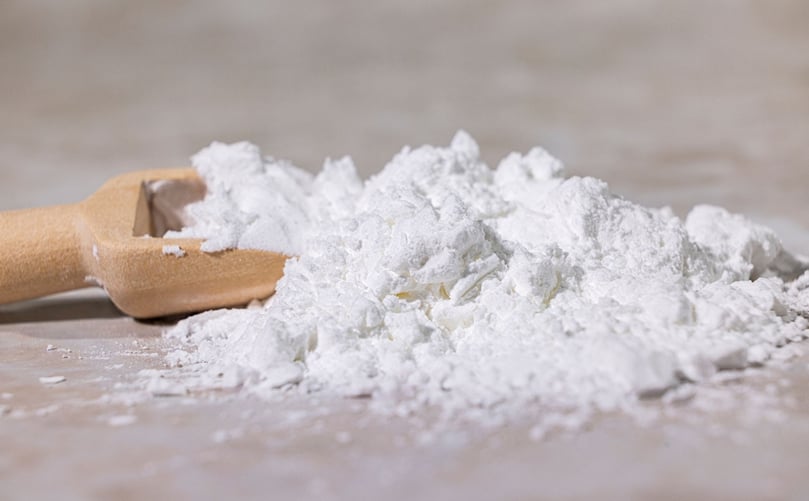
Granule Structure and Morphology of Potato Starch
Nutritional Insights into Potato Starch: From Energy Source to Functional Ingredient
Carbohydrate Profile: Potato starch is composed almost entirely of carbohydrates, accounting for approximately 98–99% of its dry weight, with the remaining fraction consisting of trace moisture, ash and minerals. The carbohydrate fraction is dominated by digestible starch, comprising amylose (20–30%) and amylopectin (70–80%), and provides a metabolizable energy value of approximately 4 kcal/g.
Unlike whole potatoes, potato starch contains negligible amounts of dietary fiber, protein (<0.1%) and fat, making it a purified carbohydrate ingredient. During digestion, starch polymers are enzymatically hydrolyzed into glucose units; however, a portion of the starch can escape digestion and function as resistant starch (RS), particularly after specific processing or cooling treatments.
The carbohydrate profile varies with potato cultivar and maturity. Early maturing potatoes typically contain 10–20% starch on a fresh weight basis, with total carbohydrate content strongly influenced by tuber dry matter. Additionally, naturally occurring phenolic compounds in potatoes may interact with starch granules, slightly reducing enzymatic accessibility and digestibility. Overall, native potato starch functions primarily as a rapidly digestible carbohydrate, unless structurally modified or retrograded.
Resistant Starch Content: Native (raw) potato starch contains a high proportion of resistant starch type 2 (RS2) due to its B-type crystalline structure which is inherently resistant to α-amylase digestion. RS2 content in raw potato starch can reach 60–80% of total starch, depending on cultivar and amylose content, with high amylose varieties exhibiting higher resistance.
Resistant starch works in the body like fiber. It stays in the colon and gets broken down by bacteria, which makes short chain fatty acids like butyrate, acetate and propionate. These metabolites help improve gut health, how the body handles fats, how well the body uses insulin and how blood sugar levels are controlled.
Thermal processing markedly alters RS content. When you cook or gelatinize RS2, most of it gets broken down, but when the food cools down after cooking, it can form a new type of starch called RS3.This RS3 usually makes up 1 to 5% of the total starch and the exact amount depends on how long and at what temperature the food is stored. Potato resistant starch has a low ability to swell, which is 1.49 grams per gram, and this is connected to its better resistance to enzymes.
Eating foods made from high RS potatoes has been linked to a lower rise in blood sugar levels after a meal. For example, baked or cooled potatoes from high resistant starch varieties can offer up to 3.0 to 3.6 grams of resistant starch per 100 grams of cooked food, which can help with plans for better metabolic health.
Glycemic Index Considerations: The glycemic index (GI) of potato starch varies widely depending on its physical state and processing history. Raw or resistant potato starch exhibits a low GI (<50) due to limited enzymatic hydrolysis, whereas cooked and fully gelatinized potato starch typically displays a high GI (70–90), reflecting rapid glucose release and absorption.
Key factors influencing GI include:
- Amylose content (higher amylose lowers GI)
- Processing method (boiling and mashing increase GI; cooling promotes RS formation and lowers GI)
- Granule swelling and gelatinization extent, with potato starch granules capable of swelling up to 100-fold in volume.
The glycemic load (GL) of potato-based foods depends on portion size and starch availability; for early potato products, GL values generally fall within the low to moderate range (≈10–20). Clinical studies indicate that RS supplementation from potato starch can lower fasting glucose and improve insulin sensitivity in individuals with type 2 diabetes.
Comparison with Cereal Starches: Compared with cereal starches such as corn, wheat and rice, potato starch exhibits several distinct nutritional and functional advantages. These include a higher phosphate monoester content, larger granule size and a substantially greater capacity to form resistant starch, particularly in its native state (up to 60–80% RS versus 1–2% in most cereal starches).
Cereal starches generally contain higher levels of associated lipids and proteins which promote amylose lipid complex formation, reduce paste clarity and often contribute to a higher glycemic response (corn GI: 60–80, wheat GI: similar range). In contrast, potato starch produces clearer pastes, supports greater RS formation and offers enhanced gut health benefits.
Some minor cereals, such as millets, exhibit hypoglycemic properties comparable to high RS potato starch; however, potato starch’s exceptional swelling behavior and digestibility modulation make it particularly suitable for the formulation of low GI and functional food products.
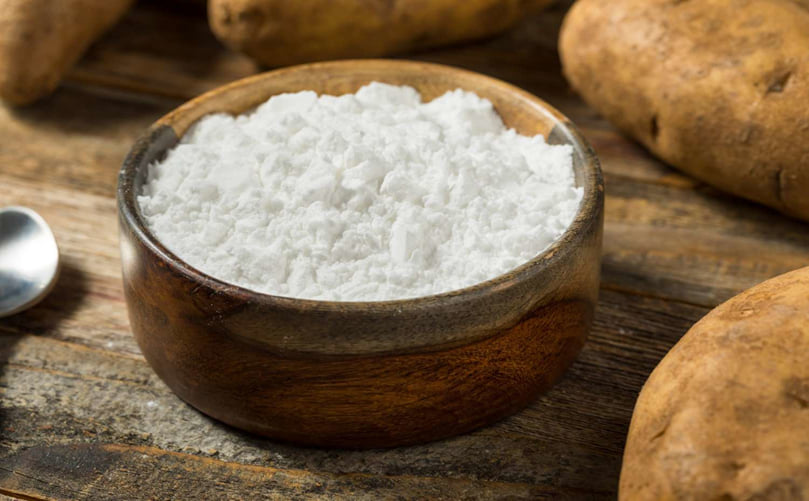
Potato Starch Granules: Nutritional and Functional Structure
Functional Properties of Potato Starch and Their Industrial Significance
Thickening Ability: Potato starch is widely recognized for its superior thickening ability, which arises from its large granule size, high amylopectin content and naturally occurring phosphate monoesters that promote rapid hydration and extensive swelling during gelatinization. When heated in water, potato starch can develop peak viscosities in the range of 3000–5000 cP, substantially higher than most cereal starches, allowing effective thickening at low usage levels (typically 1–2%) while producing smooth, lump free textures.
The thickening mechanism involves extensive granule swelling, often up to several hundred percent of the original volume, followed by amylose leaching that contributes to the formation of a continuous viscous matrix. Potato starch performs well in shear sensitive systems, maintaining viscosity under moderate mechanical stress better than many cereal starches.
Thickening performance is influenced by pH (optimal under neutral to mildly acidic conditions), temperature (gelatinization at approximately 59–68°C) and chemical modification. Cross linked potato starches show improved resistance to shear, acid and thermal breakdown, making them suitable for processed and acidic foods. Compared with corn starch, potato starch provides a higher final viscosity and smoother mouthfeel, making it desirable for premium sauces, soups and gravies. In practical formulations, effective thickening can be achieved at concentrations as low as 0.5–1% for light systems, with higher levels used for dense or gelled products.
Water Binding Capacity: Potato starch exhibits an exceptionally high water binding capacity (WBC), largely due to its hydrophilic phosphate ester groups and porous granule structure, which enable extensive hydration. This property allows potato starch to absorb and retain large amounts of water, contributing to reduced syneresis and improved texture stability in gels, emulsions and processed foods.
WBC is commonly expressed as grams of water bound per gram of starch, with reported values for native potato starch typically ranging from 0.88 to 0.95 g/g, higher than many cereal and tuber starches. Processing treatments such as heat moisture treatment (HMT) and chemical modification can further enhance WBC by altering crystalline regions and promoting stronger molecular interactions. Environmental factors, including cultivar and growing altitude, also influence water binding; starches from some Andean potato varieties demonstrate even higher WBC due to adaptive structural traits.
High water binding capacity is particularly valuable in low fat formulations, where it improves mouthfeel and moisture retention, as well as in meat and bakery products, where it reduces drip loss and preserves texture during storage. Potato starch also exhibits a notable oil absorption capacity (approximately 0.96–1.15 g/g), supporting its use in fried and emulsified products by enhancing fat retention and stability.
Film Forming Properties: Potato starch demonstrates strong film forming capability, producing flexible, transparent and edible films when gelatinized and cast, primarily due to its amylose fraction which facilitates intermolecular hydrogen bonding. These films possess good mechanical strength and barrier properties against oxygen and moisture, with tensile performance further enhanced by plasticizers such as glycerol or sorbitol.
The relatively large granule size of potato starch contributes to the formation of uniform film matrices, reducing brittleness compared with films derived from smaller granule starches. Chemical modifications, including acetylation or hydroxy propylation, improve hydrophobicity and flexibility, expanding the use of potato starch films in biodegradable packaging applications.
In food and medicine industries, potato starch films are often used to coat fruits, sweets, and pills.They give a shiny look and help keep things moist for longer. High clarity of the film and its ability to break down naturally also improve its usefulness and environmental benefits. Research shows that when potato starch is made into very small particles, it changes its structure in a way that might make the films made from it more even and stretchier. However, if the starch is made into too small particles, it can weaken the films.
Freeze thaw stability: Native potato starch has moderate freeze thaw stability, usually better than wheat and corn starches because it has phosphate groups that help keep water in place during freezing and thawing. Repeated freezing and thawing can cause the starch in food to change back into a more solid form, which makes the food release moisture and become less tender.
Modified potato starches, especially those that are cross linked or substituted, show much better freeze thaw stability. This is because these changes prevent the molecules from coming back together. Heat moisture treatment can also improve stability by making the structure more ordered, but if the material is micronized too much, it may become less able to withstand freezing and thawing. Things like the amount of amylose, how much moisture is present and the temperature at which they are stored have a big effect on how well they work.
Native potato starch can handle three to five times of freezing and thawing before it starts to leak water noticeably. These qualities make potato starch a good choice for frozen foods, as it usually works better than rice starch but not as well as tapioca starch. Its ability to keep oil from separating in water-based mixtures helps make it useful in frozen and refrigerated products.
Neutral Taste and High Clarity: One of the most valued attributes of potato starch is its neutral flavor profile, free from the cereal like notes often associated with wheat or corn starches. This sensory neutrality is attributed to its extremely low protein and lipid content (below 0.1%), making it ideal for delicate formulations where flavor preservation is critical.
Potato starch also produces highly transparent pastes and gels, with light transmittance values reaching up to 95%, resulting from minimal amylose lipid complex formation and extensive granule swelling. Paste clarity remains relatively stable during storage due to moderate retrogradation behavior. These properties make potato starch especially suitable for clear soups, sauces, beverages, jellies and confectionery products, where visual appeal and clean flavor are essential.
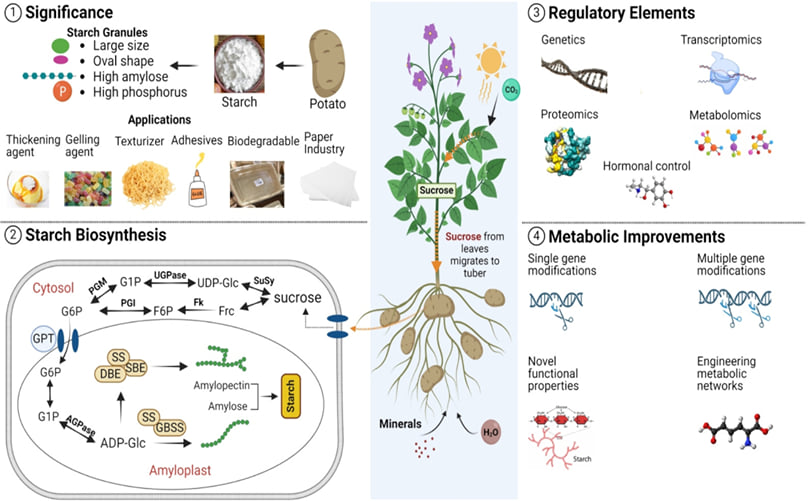
Understanding Potato Starch Pathways and Industrial Significance (Source: Science Direct)
Food Industry Applications of Potato Starch: Functionality and Versatility
Soups, Sauces and Gravies: Potato starch is widely used as a thickening agent in soups, sauces and gravies due to its ability to produce smooth, glossy textures and maintain stability during heating and agitation. Its low gelatinization temperature enables rapid viscosity development without prolonged cooking, while its high thickening efficiency allows effective use at low concentrations (approximately 1–3%).
In canned, retort processed or shelf stable soups, modified potato starches provide enhanced resistance to acid, heat and shear, preventing viscosity loss during processing and storage. In gravies, potato starch delivers a neutral flavor profile and high paste clarity, making it particularly suitable for gluten free and premium formulations. Pregelatinized potato starch is commonly used in instant soup and sauce mixes, where it allows rapid thickening in cold or lukewarm water.
Bakery and Confectionery: In bakery applications, potato starch improves moisture retention, crumb softness and shelf life in breads, cakes and pastries. It is frequently used as a partial flour replacement in gluten free formulations, where it enhances dough handling, loaf volume and texture while slowing staling through effective water binding.
In confectionery products, potato starch is valued for its ability to form clear, elastic gels, making it suitable for gummy candies, jellies, fruit fillings and pie glazes. Its binding and moisture retention properties also support egg replacement in baked goods, helping maintain structure and softness in cost effective and vegan formulations. In extruded snack products, potato starch contributes to expansion, light texture and crispiness.
Noodles and Processed Foods: Potato starch enhances the texture of noodles by improving elasticity, chewiness and cooking stability and is commonly blended with wheat flour or used alone in gluten free and instant noodle formulations. It reduces cooking loss and improves strand integrity during boiling.
In processed and convenience foods, potato starch functions as a binder, stabilizer and texture modifier, helping prevent oil separation and ensuring uniformity during extrusion, frying or reheating. Its neutral taste supports a wide range of flavor systems. In pet food formulations, it serves as an energy source while contributing to kibble structure. Additional uses include anti caking agents for shredded cheese and stabilization of frozen ready to eat meals through improved freeze thaw performance.
Meat and Seafood Products: In meat and seafood processing, potato starch plays a critical role in water and fat binding, improving yield, juiciness and slice ability in products such as sausages, patties, meatballs and surimi-based items. It reduces purge loss in packaged meats and enhances textural integrity in restructured and coated products such as nuggets.
Modified potato starches provide improved thermal and shear stability, making them suitable for cooked hams, canned meats and retorted products. In seafood applications, potato starch enhances gel strength and cohesiveness in fish balls, crab analogs and similar products, while contributing to moisture retention and extended shelf life.
Clean Label and Gluten Free Formulations: Potato starch, particularly in its native form, supports clean label positioning as a naturally derived ingredient that is free from gluten and common allergens and non-GMO in many commercial varieties. Its simple labeling and neutral sensory profile make it attractive for transparent ingredient declarations.
In gluten free products, potato starch effectively replaces wheat starch by providing structure, moisture retention and softness in breads, pastas and snack products without compromising taste or texture. Its functionality also extends to dairy alternatives, where it contributes creaminess and viscosity and to plant based and vegan foods, where it acts as a binder and stabilizer.
Non-Food and Industrial Applications of Potato Starch: From Paper to Pharmaceuticals
Paper and Packaging Industry: Potato starch is extensively used in the paper and packaging industry as a binder, sizing agent and coating material, where it enhances paper strength, surface smoothness and printability. In wet end processing, potato starch improves retention of fillers and fibers, reducing raw material loss and increasing machine efficiency. Surface sizing with potato starch provides improved ink holdout, gloss and resistance to ink penetration, making it suitable for high quality printing papers, corrugated boards and carton materials.
In packaging applications, modified potato starches are blended with other biopolymers to form biodegradable coatings and barrier layers, offering oxygen and grease resistance while supporting sustainable alternatives to petroleum-based films. This sector represents approximately 20–25% of global potato starch consumption, with Europe being a major consumer due to strict environmental regulations promoting bio-based materials. Advances such as nano modified potato starch have improved tensile strength and performance in recycled paper, supporting circular economy initiatives. The starch’s neutral pH and low ash content also reduce equipment corrosion and scaling during processing.
Textile Sizing and Finishing: In the textile industry, potato starch is widely used as a warp sizing agent, applied to yarns to improve weave ability by reducing friction, abrasion and yarn breakage during weaving. It imparts temporary stiffness and strength to cotton, polyester and blended yarns, contributing to improved loom efficiency and fabric quality.
For textile finishing, potato starch is incorporated into fabric softening and surface treatments, providing a smooth hand feel and improved fabric appearance. Modified potato starches, including oxidized and cationic forms, offer enhanced adhesion to synthetic fibers and allow efficient enzymatic desizing, reducing water and chemical consumption.
Textile applications account for roughly 15% of global potato starch usage, particularly in major textile producing regions such as Asia. Its biodegradability and renewability make potato starch an attractive alternative to synthetic sizing agents such as polyvinyl alcohol, aligning with sustainable textile processing trends.
Adhesives and Binders: Potato starch plays an important role in the production of eco-friendly adhesives and binders, used in plywood, particleboard, wallpaper pastes, paper bags and bookbinding. When gelatinized, it forms viscous pastes with good tack and shear strength, while chemically modified starches provide enhanced water resistance for humid environments.
In construction materials, potato starch is used as a binder for gypsum boards and as a rheology modifier in paints and coatings. Dextrinized potato starch, produced through partial hydrolysis, is particularly valued for re-moistenable adhesives used in envelopes, labels and stamps. Adhesive and binder applications account for approximately 10–15% of potato starch consumption, with growing demand driven by restrictions on volatile organic compounds and increased interest in renewable, compostable materials.
Bioplastics and Biodegradable Films: Potato starch is increasingly incorporated into bioplastics and biodegradable films, where it is blended with polymers such as polylactic acid (PLA) or polyhydroxyalkanoates (PHA) to produce compostable materials for packaging, agricultural mulch films and disposable items. Its thermoplastic behavior enables extrusion into films and molded products with acceptable mechanical strength and gas barrier properties.
Chemical modification improves hydrophobicity, flexibility and tensile strength, expanding the usability of starch-based plastics in moisture-sensitive applications. These materials typically biodegrade within a few months under industrial composting conditions, supporting waste reduction goals. Bioplastic applications account for approximately 5–10% of potato starch demand, with ongoing innovations including antimicrobial starch films and starch-based materials for additive manufacturing and prototyping.
Pharmaceutical Excipients: In the pharmaceutical industry, potato starch is widely used as a disintegrant, binder and filler in tablet and capsule formulations. Its high swelling capacity facilitates rapid tablet disintegration after ingestion, improving drug dissolution and bioavailability. Pregelatinized potato starch is commonly used in direct compression processes, reducing manufacturing steps and improving formulation consistency.
Potato starch is hypoallergenic, gluten free and pharmacopoeia compliant, making it suitable for sensitive patient populations. In topical products, it serves as a moisture absorbing agent in powders, creams and ointments. Pharmaceutical and nutraceutical applications account for approximately 5–8% of global potato starch usage, with modified starches also employed in controlled release and specialty drug formulations due to their inertness and stability.
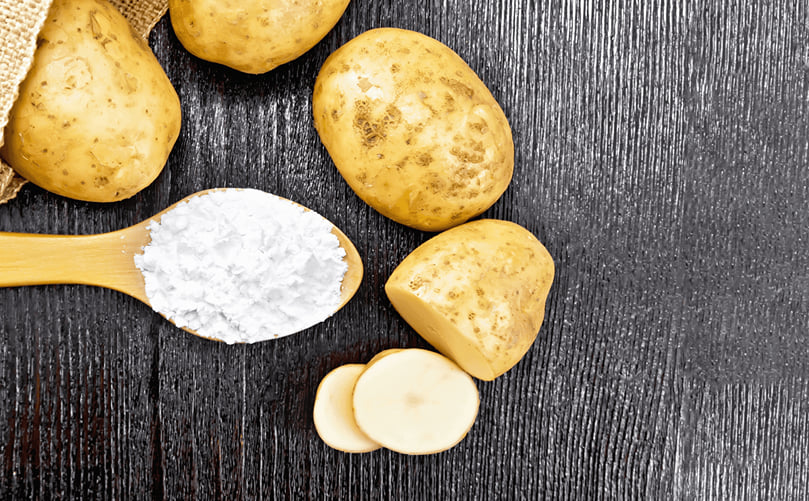
Potato Starch in Industrial Products
Global Market and Trade Overview of Potato Starch
Major Producing Countries
Europe remains the dominant region for potato starch production, contributing approximately 70–73% of global output. This leadership is supported by favorable climates, advanced agricultural practices and EU policies like subsidies for starch potatoes. Key European producers include:
- Netherlands – Leading producer with major companies like Avebe, cultivating extensively in provinces such as Drenthe and Groningen.
- Germany – Home to Emsland Group, a key starch exporter.
- France – Headquarters of Roquette, a major starch innovator.
- Poland and Denmark – Denmark hosts KMC a.m.b.a., another significant producer.
These countries collectively produce over 2 million tons annually (as of 2025), with the Netherlands and Germany accounting for a significant share of exports.
Outside Europe:
- China – Leverages its position as the world’s largest potato producer (over 90 million tons) to manufacture starch for domestic and Asian markets, largely from byproducts.
- United States – Focuses on byproduct starch from French fry processing, mainly in Idaho and Maine, which accounts for 83–88% of North American consumption.
- Canada – Supports starch production through similar byproduct recovery.
- Emerging Producers – Include India (rapid growth due to domestic demand), Ukraine (third in global potato output) and Russia (trade affected by geopolitical factors).
- GCC Region – Saudi Arabia leads with 68% of regional production, though volumes remain small globally.
As of 2026, total global potato starch production is estimated at 3–4 million metric tons, with trade flows predominantly from Europe to Asia and North America.
Leading Starch Companies
The potato starch industry is consolidated among a few major players, mostly headquartered in Europe due to regional dominance:
- Avebe U.A. (Netherlands) – Cooperative leader specializing in sustainable potato-based ingredients, including high amylopectin varieties like Amflora.
- Emsland Group (Germany) – Produces potato and pea starches with eco-friendly processes, exporting to over 80 countries.
- Roquette Frères (France) – Offers potato starch for food and pharmaceutical applications, investing in R&D for clean label products and bio-based innovations.
- Cargill, Incorporated (USA) – Provides diversified starch solutions for the North American market.
- Ingredion Incorporated (USA) – Global leader in modified starches for texture enhancement and specialty applications.
- Other Notables – KMC a.m.b.a. (Denmark), Südstärke GmbH (Germany) and AGRANA Beteiligungs-AG (Austria).
These companies collectively control over 50% of the market, with revenues driven by innovation, sustainability initiatives and export growth. As of 2026, mergers and bio-based investments continue to shape industry competition.
Demand Trends and Growth Drivers
Global demand for potato starch is steadily rising, projected to increase from 3–4 million tons in 2025 to higher volumes by 2030. Key trends include:
- Modified and Organic Starches – The modified starch segment is growing at up to 10% CAGR (2026–2033) due to enhanced functionality in processed foods.
- Processed and Convenience Foods – Potato starch improves texture and stability in ready to eat meals and snacks, representing 60–70% of food sector consumption.
- Gluten Free and Clean Label Boom – Specialty demand is strongest in Asia-Pacific (6–7% CAGR) and North America (4.4–4.56% CAGR).
- Sustainability and Industrial Uses – Adoption in bioplastics, textiles and pharmaceutical applications is increasing due to eco-friendly and binding properties.
- Economic Drivers – Urbanization in countries like India and China boosts processed food consumption.
- Health Awareness – Post-pandemic, demand for low GI, plant-based ingredients support growth.
Challenges include raw material price volatility, yet overall CAGR is expected to range between 3.5–5.77% through 2030.
Role of Potato Starch in Specialty Markets
Potato starch is increasingly important in specialty markets, valued for its high viscosity, clarity and neutral taste:
- Gluten Free and Clean Label Foods – Functions as a thickener and binder in bakery, snacks and dairy alternatives. Organic potato starch is particularly sought after, with over 6% CAGR growth through 2030.
- Pharmaceuticals – Used as an excipient in tablet disintegration and controlled release formulations due to hypoallergenic properties.
- Specialty Food Applications – Enhances crispness in fried coatings and improves chewiness in gummies and jellies.
- Industrial Applications – Phosphorylated potato starch provides high viscosity pastes for adhesives and coatings; used in bioplastics for biodegradable films.
- Pet Food and Vegan Products – Growing demand aligns with plant-based and sustainable trends.
As of 2026, specialty markets account for 20–30% of total demand, driven by innovation from companies like Ingredion in customized starch solutions.
Modified Potato Starch: Enhancing Functionality for Food and Industrial Applications
Why Modification Is Needed: Native potato starch exhibits several functional limitations, including poor stability under heat, shear and acidic conditions, pronounced retrogradation leading to syneresis and sensitivity to freeze thaw cycles. These characteristics restrict its performance in many processed food systems and industrial applications. Modification is therefore necessary to tailor functional properties such as viscosity, solubility, gel strength and processing tolerance, enabling potato starch to withstand rigorous manufacturing conditions, extend shelf life and meet application specific requirements.
For example, in frozen foods, native potato starch often undergoes texture breakdown and water separation upon thawing, whereas modified starches maintain structural integrity and consistency. In industrial applications, modification improves adhesion, stability and biodegradability, expanding usability in paper, textiles and adhesives. Modification also helps address market demand for high performance yet label conscious ingredients, balancing natural origin with enhanced functionality.
Physical, Chemical and Enzymatic Modifications
Physical Modifications: Physical modification methods alter starch structure without the use of chemical reagents, supporting clean label positioning. Common approaches include annealing which involves heating starch in excess water below its gelatinization temperature to increase crystallinity and thermal stability; heat moisture treatment (HMT), typically conducted at 100–120°C with 20–30% moisture, which improves paste stability, reduces swelling and enhances resistance to processing stresses; and micronization, where mechanical grinding reduces particle size to improve dispersibility and handling. These treatments modify functional behavior while preserving the starch’s chemical composition.
Chemical Modifications: Chemical modifications involve controlled reactions that introduce functional groups or inter chain bonds to enhance performance. Cross linking, using agents such as phosphorus oxychloride or adipic anhydride, increases resistance to heat, shear and acidic conditions. Acetylation, commonly performed with acetic anhydride, lowers gelatinization temperature, improves clarity and reduces retrogradation. Esterification, such as treatment with octenyl succinic anhydride, imparts emulsifying properties, while oxidation increases solubility and reduces molecular weight. Cationization introduces positive charges, improving fiber and filler retention in papermaking. These modifications significantly enhance functionality but are subject to regulatory labeling requirements in food applications.
Enzymatic Modifications: Enzymatic modification uses specific enzymes under mild conditions, offering precise structural control with minimal environmental impact. Amylases partially hydrolyze starch to reduce viscosity, branching enzymes increase amylopectin content to enhance paste stability and pullulanase selectively debranches amylopectin to increase amylose levels, supporting resistant starch formation. Enzymatic approaches are often compatible with clean label strategies and are increasingly combined with physical treatments to create multifunctional starches tailored to specific food and industrial applications.
Key Benefits Over Native Starch: Compared with native potato starch, modified forms offer markedly improved resistance to heat, acid, shear and freeze thaw stress, preventing viscosity loss and texture degradation during processing and storage. These improvements can extend product shelf life by approximately 20–50%, depending on application and formulation. Modified potato starches provide enhanced thickening efficiency, often achieving similar or greater viscosity at 10–20% lower usage levels, along with smoother gel textures and reduced syneresis.
In non-food applications, modification improves adhesion strength, durability and biodegradability, expanding industrial usability. From a nutritional perspective, certain modification strategies increase resistant starch content, contributing to lower glycemic response and improved gut health. Overall, modified potato starch enables innovation across food and industrial sectors while maintaining functional performance and formulation flexibility.
Regulatory Aspects (Food vs. Industrial Use): For food applications, modified potato starch is recognized as Generally Recognized as Safe (GRAS) by the U.S. Food and Drug Administration under 21 CFR 172.892. In the European Union, it is regulated under specific E-numbers, such as E1412 (distarch phosphate) and E1422 (acetylated distarch adipate) which must be declared on ingredient labels. Physical and enzymatic modifications that do not introduce chemical reagents may qualify for clean label positioning, depending on regional regulatory interpretations.
Safety evaluations impose strict limits on residual reagents and by products, ensuring consumer safety. Modified potato starch is generally halal and kosher compliant, provided processing adheres to certification requirements. For industrial applications, regulatory oversight focuses primarily on environmental performance, such as biodegradability and emissions compliance, rather than food labeling. In pharmaceutical applications, potato starch must meet USP/NF purity and performance standards. International trade is supported by Codex Alimentarius harmonization, facilitating global acceptance and regulatory consistency.
Sustainability and Environmental Aspects of Potato Starch
Renewable and Biodegradable Nature: Potato starch is derived from the tubers of the potato plant (Solanum tuberosum), an annually renewable crop that can be cultivated across diverse climatic regions. This makes it a more sustainable raw material than non-renewable, fossil-based resources. Potato cultivation is commonly integrated into crop rotations which can improve soil health by breaking pest and disease cycles and, when managed responsibly, enhance on farm biodiversity.
As a natural biopolymer, potato starch is fully biodegradable. Under composting or natural environmental conditions, it decomposes through microbial activity (bacteria, fungi and algae) into water, carbon dioxide and biomass without leaving toxic residues. Degradation typically occurs within weeks to a few months, compared to synthetic plastics that persist for centuries. For example, potato starch-based disposable plates can decompose completely within approximately four weeks. This rapid biodegradability reduces landfill burden, limits microplastic formation and positions potato starch as an environmentally friendly alternative for packaging and disposable products.
Life cycle assessments (LCAs) indicate that starch-based materials, including potato starch, generally have a lower carbon footprint than fossil-based counterparts, particularly in applications such as foams and lightweight packaging where carbon savings are most pronounced. Environmental benefits are further enhanced when starch is sourced from side streams of food processing rather than from purpose grown crops as this minimizes additional land use. In bioethanol production, potato starch also contributes to reduced greenhouse gas emissions compared to fossil fuels, supporting broader clean energy and decarbonization goals.
Waste Valorization: Potato starch production generates several byproducts, including pulp (fibrous residue), protein rich wastewater and peels which together may account for approximately 20–30% of the original potato weight. Instead of being treated as waste, these streams are increasingly valorized to reduce environmental impact and improve process economics.
Potato pulp is commonly used as animal feed as a substrate for biogas production via anaerobic digestion (yielding methane for renewable energy) or as a raw material for bioethanol. Proteins recovered from process water can be utilized in food applications, feed or as organic fertilizers. Potato peels which contain residual starch and bioactive compounds such as antioxidants are processed into gluten free flours, bioplastics or natural colorants.
In regions such as Europe, where potato starch production is highly developed, integrated biorefineries have achieved near zero waste operations. Effluents are fermented to biogas, nutrients are recovered and returned to agriculture and valuable bioactive compounds (e.g., phenolics) are extracted for pharmaceutical or nutraceutical uses. These practices reduce methane emissions from landfills, prevent eutrophication caused by untreated wastewater and support local circular economies.
Water and Energy Use in Processing: Potato starch extraction is relatively water intensive, typically requiring 10–20 m³ of water per ton of starch for washing, separation and purification. Without proper management, this can strain local water resources. However, modern starch factories increasingly operate closed loop water systems, recycling up to 80–90% of process water after treatment, which significantly reduces net water consumption.
Energy demand is another key environmental consideration, particularly for rasping and drying operations. Drying alone may consume 2–3 GJ per ton of starch, contributing substantially to the overall carbon footprint. LCAs show that energy use is one of the dominant impact categories, especially when potatoes are grown specifically for starch. In contrast, starch recovered as a side stream from food processing (e.g., French fry production) benefits from shared energy inputs, resulting in a lower overall environmental burden.
At the agricultural level, potato cultivation can contribute to soil erosion and nutrient runoff if poorly managed. Sustainable practices such as precision fertilization, optimized irrigation, and reduced chemical inputs can significantly mitigate these impacts, with studies indicating reductions in environmental burden of up to 36% while maintaining yields. Compared with other starch crops, potato starch has moderate water requirement, but relatively higher drying energy needs due to its large granule size. Integration of renewable energy sources, including biogas generated from processing wastes, further improves overall sustainability.
Role in the Circular Economy: Potato starch is well aligned with circular economy principles by enabling efficient resource loops and value recovery across the supply chain. Byproducts from starch extraction are reintegrated into agriculture as animal feed or fertilizers or converted into bioenergy, thereby closing nutrient and energy cycles and reducing reliance on fossil fuels.
In biorefinery models, potatoes serve as a multipurpose feedstock yielding food products, starch, proteins, fibers and biofuels in a cascading process that maximizes resource efficiency and minimizes waste. Starch-based bioplastics exemplify circularity, as they are compostable and return organic matter to the soil, unlike conventional linear plastic systems. Sustainable farming practices further enhance circularity by reducing inputs, lowering environmental costs and maintaining economic viability.
At a global scale, the widespread availability of potatoes supports scalable circular applications, including bioethanol production and biodegradable materials. Together, these attributes position potato starch as a key contributor to the transition from extractive, linear systems toward regenerative and circular bio-based economies.
Comparative Analysis of Potato Starch and Other Major Starches
Comparison with Corn, Wheat and Tapioca Starch: Potato starch differs significantly from corn (maize), wheat and tapioca (cassava) starches in terms of botanical origin, granule structure, composition, nutritional value and environmental profile.
Corn starch, the most widely produced starch globally, contains relatively small granules (5–25 μm) and a higher amylose content (approximately 25–28%). These characteristics result in opaque pastes with moderate viscosity and good shear stability, making corn starch suitable for large scale, cost sensitive applications. Wheat starch has irregular granules (2–35 μm) with 20–25% amylose and contains residual proteins (gluten traces) which can influence purity and functionality but provide synergistic effects in bakery systems.
Tapioca starch, derived from cassava grown mainly in tropical regions has medium sized granules (5–35 μm), low amylose content (17–20%) and excellent paste clarity. It produces elastic textures but generally has lower resistance to heat and shear compared to potato starch. Potato starch itself has large granules (5–100 μm) and naturally occurring phosphate monoesters which enhance swelling power, clarity and viscosity.
From a nutritional perspective, potato starch contains higher levels of potassium, vitamin B6 and trace iron compared with corn starch (which is nutritionally minimal after processing) and tapioca starch (which provides limited minerals such as calcium). Wheat starch contains trace proteins but fewer micronutrients.
In sustainability terms, tapioca starch often shows a lower environmental footprint due to less resource intensive tropical farming systems, while corn and potato cultivation typically require higher water and fertilizer inputs which may increase erosion and nutrient runoff if not well managed. Despite this, corn starch dominates global markets due to its versatility and consistent supply, whereas potato starch is preferred in premium and specialized applications.
Performance Differences: Functional performance varies widely due to structural differences among starches. Potato starch’s large granules and phosphate groups result in exceptional swelling capacity (up to ~1000%), very high peak viscosity (approximately 3,000–5,000 cP) and clear, glossy pastes. These properties often outperform corn starch, which shows medium viscosity and opacity and wheat starch which offers moderate stability.
Tapioca starch forms elastic, smooth gels and generally exhibits better freeze thaw stability than native potato starch, although it can produce stringy textures. Modified potato starches, however, surpass both native potato and tapioca starch in freeze thaw and shear stability. Under acidulants such as glucono-δ-lactone, potato starch pastes tend to become more shear thinning (lower flow index), while tapioca starch pastes may show increased flow behavior.
In film and coating applications, potato starch provides good preservation performance (e.g., moisture control in fresh produce such as cherry tomatoes), comparable to corn and wheat starches, while offering superior biodegradability. Potato starch generally resists heat induced viscosity breakdown better than tapioca starch, whereas corn starch performs well under high shear conditions.
Cost and Availability: Corn starch is the most cost effective and widely available starch, typically priced at USD 300–500 per metric ton, supported by large scale production in the United States and China. This cost advantage makes it dominant in bulk industrial applications.
Potato starch is more expensive, generally USD 500–700 per metric ton, reflecting seasonal supply, higher processing energy requirements and concentration of production in Europe. Organic potato starch is also widely available, catering to premium and clean label markets. Wheat starch occupies a mid-range price point (USD 400–600 per metric ton) and is closely linked to global grain markets. Tapioca starch, produced mainly in Asia and South America, also ranges from USD 400–600 per metric ton, with stable year-round availability, although transportation costs can influence final pricing.
Availability favors corn starch due to continuous production, while potato starch is more harvest dependent. However, increasing use of side stream starch from potato processing helps stabilize supply.
Application Based Suitability: Potato starch is particularly well suited for applications requiring high clarity, smooth texture and stability, such as clear sauces, soups, frozen foods and gluten free bakery products. For example, in cream-based sauces like Alfredo, modified potato starch can rival or outperform corn starch in rheological behavior while providing superior mouthfeel.
Corn starch is ideal for canned foods, extrusion and large volume applications where cost efficiency and shear stability are critical. Wheat starch is preferred in bakery products due to its interaction with proteins, enhancing dough structure. Tapioca starch excels in noodles, desserts and confectionery, where elasticity and chewiness are desired.
In gluten free bread formulations, all four starches improve product quality, but potato starch is particularly effective in enhancing crumb softness and moisture retention. In industrial applications, potato starch’s unique functional properties enable higher value uses, such as biodegradable films and bioplastics, often delivering better margins despite higher raw material costs.
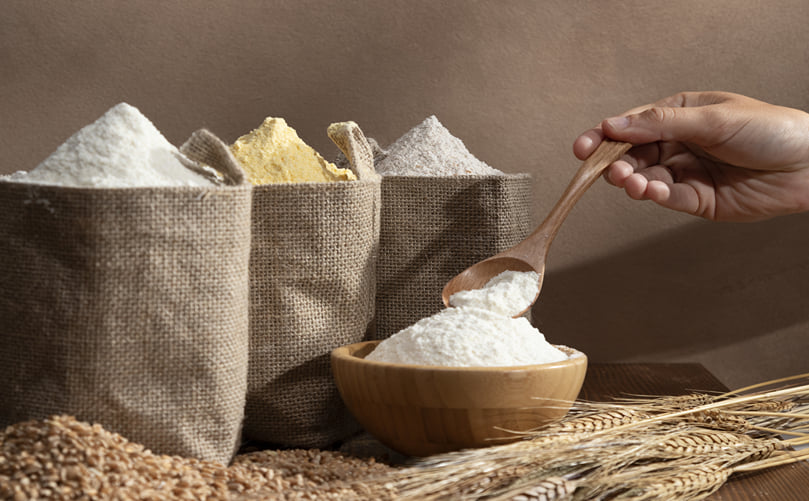
Common Starches Used in Global Food Systems
Quality Parameters and Standards of Potato Starch
Moisture Content: Moisture content is a critical quality attribute for potato starch because it directly affects shelf life, flowability and susceptibility to microbial growth. Commercial potato starch typically maintains a moisture level between 12 and 20 percent, with food and pharmaceutical grades usually specified at 12 to 18 percent to ensure stability during storage and transport.
Moisture levels above 14 to 20 percent can lead to caking, hydrolysis or mold formation, whereas levels below 10 percent may result in brittleness and excessive dustiness. Moisture determination is commonly carried out using oven drying methods at 105°C until a constant weight is reached, while rapid assessment can be done with infrared moisture analyzers.
In pharmaceutical applications, stricter limits, often ranging from 8 to 13 percent are enforced to prevent degradation of active ingredients according to USP/NF standards. Variations in moisture content may also occur due to the potato variety and processing conditions; for example, native starch derived from high Andean potatoes may have slightly lower inherent moisture. Proper packaging using moisture barrier bags ensures the maintenance of these levels and precision techniques like Karl Fischer titration are used in high value applications to monitor moisture content accurately.
Purity and Whiteness: Purity and whiteness are essential parameters that define the functional and aesthetic quality of potato starch. High-quality starch is characterized by a dry starch content exceeding 99 percent and minimal impurities, with residual protein typically below 0.3–0.5 percent, ash less than 0.2 percent and sulfur dioxide under 10 ppm.
Whiteness, measured by reflectance using a colorimeter, usually exceeds 90–95 percent, indicating minimal discoloration due to processing residues or oxidation. High purity ensures optimal functional properties, including viscosity, solubility and swelling power. For pharmaceutical-grade starch, iron content is limited to 10 ppm and total heavy metals to less than 20 ppm.
Analytical methods to assess purity include ash determination by ignition at 550°C, protein content via the Kjeldahl method and spectrophotometric evaluation for whiteness. Native potato starch obtained through mechanical extraction is especially valued for its exceptional purity, making it suitable for organic certifications and applications where chemical additives are undesirable.
Microbial Quality: Microbial quality is paramount to prevent spoilage and ensure safety in food and pharmaceutical applications. Food grade potato starch is expected to have a total aerobic plate count below 5,000–10,000 CFU per gram, yeasts and molds under 100–500 CFU per gram and no detectable pathogens such as Salmonella, Escherichia coli, Staphylococcus aureus or Clostridium perfringens in a 25-gram sample.
Pharmaceutical grades enforce stricter limits, with total plate counts below 1,000 CFU per gram and complete absence of pathogens, in line with USP and microbial enumeration standards. High moisture content or poor hygiene during processing can increase microbial load, so steps such as pasteurization, UV treatment and adherence to HACCP protocols are implemented to maintain microbiological safety.
Properly handled starch stored in cool, dry conditions can maintain low microbial levels and remain stable for 24–36 months.
International Standards: International quality standards ensure consistency, safety and market acceptance. For food grade starch, Codex Alimentarius CXS 176-1989 specifies a maximum moisture content of 20 percent, ash below 0.5 percent, protein below 0.6 percent and a pH range of 4.5 to 7.0, without added colors or preservatives.
European regulations under Regulation (EU) No 231/2012 classify potato starch as E1404 for native starch or assign appropriate identifiers for modified variants, requiring purity greater than 98 percent and heavy metals below 10 ppm. In the United States, potato starch is recognized as GRAS by the FDA under 21 CFR 182.1, with specifications aligned to Codex standards.
Pharmaceutical grade starch must comply with USP/NF, BP, EP and JP monographs, with pH values ranging from 5.0 to 8.0, iron limited to 10 ppm, oxidizing substances under 0.002 percent, microbial counts within strict limits and moisture content below 20 percent. Industrial or technical grades are governed by ISO 22000 or equivalent process safety standards. Certifications such as Halal, Kosher and Organic further enhance market value. Functional properties such as gelatinization temperature (60–65°C) and pasting behavior are also used for quality assurance and analytical techniques such as HPLC and RVA are employed to evaluate impurities and rheological performance.
Challenges and Limitations in Potato Starch Production and Utilization
Supply Dependency on Potato Harvest: Potato starch is made from potatoes, and since potatoes are harvested in seasons, the supply of starch depends on how much potatoes are available each year.This makes it easy for problems like bad weather, insects or plant diseases to affect the amount of potatoes grown.For example, a disease called late blight can damage potato crops and cut down the harvest by as much as 20 to 50 percent in areas where it occurs. Potatoes are not available all year round in most places, unlike corn or tapioca, which means people often have to store them for longer periods and there could be a shortage when they are not in season.
Climate change makes things worse by causing unpredictable rain and temperature changes, which affect the quality of tubers and their starch levels. Having too much focus in Europe makes it more dangerous if something bad happens in one area and problems with worldwide trade, like shipping delays, make things worse because everything depends on each other. Solutions involve getting materials from different places, growing crops through agreements with farmers and using CRISPR to improve plant genes for better resistance, but all of these need money to start and maintain.
Price Fluctuations: Price volatility stems from harvest uncertainties, with poor yields driving up costs by 20-30% due to raw material scarcity. Factors include energy prices for processing, transportation and global demand shifts (e.g., increased use in bioplastics). In 2022, prices spiked due to supply chain issues, affecting small processors.
Currency fluctuations and trade policies (e.g., EU quotas) add instability. Mitigation involves futures contracts, vertical integration and alternative sourcing, but small enterprises struggle, leading to market consolidation.
Processing Costs: Processing is cost intensive, with high energy (2-3 GJ/ton for drying) and water (10-20 m³/ton) demands, plus equipment for rasping and separation. Wastewater treatment adds expenses, as untreated effluents cause pollution; small plants often lack infrastructure, leading to environmental fines.
Foaming during extraction requires antifoams, increasing costs. Low extraction rates (due to browning or inefficient separation) reduce efficiency. Innovations like enzyme assisted extraction and biogas recovery from wastes help, but upfront investments are barriers for rural processors.
Storage and Retrogradation Issues: Native potato starch is prone to retrogradation, causing gel firming, syneresis and texture loss in products, exacerbated by high amylose and freeze thaw cycles. Storage requires cool (below 25°C), dry conditions to prevent moisture absorption, caking or microbial growth, with shelf life limited to 12-24 months.
Browning during processing (enzymatic or Maillard) affects quality, solved by rapid handling or inhibitors. Low resistance to heat, shear and pH limits native use, necessitating modifications. Plant specific issues like equipment fouling add operational challenges. Solutions include modified starches and advanced packaging but these increase costs.
Emerging Trends and Innovations in Potato Starch
Clean Label Starches: The demand for clean label starches is rising rapidly as consumers increasingly prefer natural, minimally processed ingredients free from chemical additives and E-numbers. Potato starch, inherently gluten free and plant based, aligns perfectly with this trend.
Physical modifications such as annealing or heat moisture treatment (HMT) are gaining traction to enhance functional properties like paste stability and reduced retrogradation while maintaining a “natural” status, appealing to the organic and non-GMO markets. By 2026, clean label potato starch is expected to drive significant growth in the food sector, particularly in bakery and snack applications, replacing synthetic thickeners.
Innovations include enzyme assisted modifications using natural amylases, enabling claims such as “no artificial ingredients.” Regulatory pressures in Europe and North America for transparency further support this trend. Companies like Roquette are developing HMT-based potato starches specifically for clean label sauces and dressings. Future projections indicate a 5–7% CAGR for clean label variants through 2030. Challenges remain in scaling enzyme technologies cost effectively but advancements in biotechnology are addressing these barriers.
Resistant and Functional Starches: Resistant potato starch (RS) is at the forefront of functional starch innovations, valued for its prebiotic benefits, low glycemic index and positive effects on gut health, blood sugar management and weight control.
By 2026, the market for resistant potato starch is expected to grow at a 9% annual rate, reaching $1.46 billion by 2034, due to increasing demand for healthy food options like low-carb baked goods and dietary supplements. Functional improvements include breeding plants that have more amylose or using enzymes to break down certain starch parts, which increases the resistant starch content.This can go up to 70% in specially modified versions, making it good for making products that are safe for people with diabetes.
Startups like Ohalo Genetics are working on improving genetics to create potatoes that have better RS profiles, making them less easy to digest and giving them more fiber-like benefits. RS is being used more in drinks, yogurts, and nutrition bars to help with feelings of fullness and support gut health.Studies have shown that it can improve how the body handles insulin.
Future advances might combine RS with probiotics to make special mixtures that can be used in health supplements. This part of the global potato starch market is expected to grow at a rate of 1.71% each year until 2035, showing that RS has the ability to make its products stand out, especially in areas where people care a lot about health, like Asia. Using byproducts for sustainable production helps cut down on waste and improves the environmental benefits.
Biodegradable Packaging Applications: Potato starch is increasingly applied in biodegradable packaging, often blended with polymers like polylactic acid (PLA) to produce compostable films, trays and foams that degrade within 3–6 months, offering an eco-friendly alternative to plastics.
By 2026, this application is likely to grow because of the ban on single-use plastics and the increasing demand from consumers for eco-friendly packaging. New developments in starch that has been modified with nanoparticles are helping food stay fresher longer by better blocking moisture and air. New trends are showing that 3D-printed packaging made from starch is being used to make custom shapes, and some coatings include essential oils to help kill bacteria.
The growth of the market is because of the need for sustainable packaging in online shopping, and using potato starch helps reduce carbon emissions compared to materials made from fossil fuels. In North America, the market for biodegradable packaging is expected to grow by 4.56% each year until 2034. Future improvements could involve smart packaging that uses sensors to check how fresh food is, using starch's ability to be reused along with technology connected to the internet. Problems like the tendency of potato starch to absorb water are being solved with chemical changes, making it an important part of circular economy systems.
Technological Advancements in Extraction: Technological innovations are revolutionizing potato starch extraction by focusing on efficiency, sustainability and product quality.
By 2026, using digital tools and smart maintenance systems will likely cut down on factory stoppages by 15 to 20 percent and help make better use of resources. Advanced robots help make rasping and separating things faster and easier, which means less need for people to do the work and less waste is created. Also, systems that control emissions help make the environment cleaner. Using enzymes in the extraction process helps get more starch, up to 95%, and uses less water, cutting it by 20 to 30%.Smart biorefineries with AI check the amount and quality of starch as it's being made, right away.
Membrane filtration is becoming more common than traditional hydro cyclones, helping to save energy, while genetic tools like CRISPR are being used to create potato types that are easier to get starch from. The market for potato starch production lines is likely to grow steadily until 2033, thanks to new technologies that improve product performance and lower production costs.
In India, adoption of these innovations is projected to grow at a 5% CAGR through 2030. Future trends also include blockchain for full traceability and zero waste systems that valorize all byproducts, strengthening sustainability and circular economy integration.
Common Misconceptions About Potato Starch
Potato Starch ≠ Potato Flour: A frequent misunderstanding is that potato starch and potato flour are interchangeable, but they differ significantly. Potato starch is extracted solely from the starchy endosperm, yielding a pure, white, flavorless powder primarily used as a thickener or binder.
In contrast, potato flour is made from whole dehydrated potatoes, including skin and flesh, producing a beige, potato flavored product rich in fiber, protein and vitamins. Potato flour is better suited for baking to add moisture and structure. Confusing the two can lead to recipe failures, such as overly dense baked goods when using starch or insufficient thickening when using flour. In gluten free cooking, this distinction is particularly critical starch provides lightness, while flour contributes nutrition.
Potato Starch Is Not Oily or High in Fat: Many assume potato starch contains significant fat due to associations with fried potato products, but it is virtually fat-free (<0.1%), as lipids are removed during extraction. This myth arises from conflating starch with whole potatoes, which themselves contain minimal fat (0.1g per 100g raw).
In reality, potato starch is a low-calorie carbohydrate (350 kcal/100g) suitable for low fat formulations. Its high water binding capacity even helps reduce oil absorption in frying applications, contradicting assumptions about greasiness.
Potato Starch Is Not Nutritionally Equivalent to Cooked Potatoes:Another common misconception is that potato starch retains the full nutritional profile of potatoes. In truth, it lacks most vitamins (e.g., vitamin C, B6), minerals (potassium, iron), fiber and protein found in whole or cooked potatoes.
Potato starch is essentially pure carbohydrates (98–99%), providing energy but minimal micronutrients. While resistant starch variants offer gut health benefits, they cannot substitute for the broader nutritional value of whole potatoes.
Clarification on Glycemic Impact: A widespread belief is that potato starch always causes rapid blood sugar spikes. Its glycemic index (GI), however, varies based on form and preparation. Raw or resistant starch has a low GI (<50) due to undigested granules fermenting in the gut, while cooked starch can have a high GI (70–90).
Cooling cooked potatoes forms retrograded resistant starch (RS), lowering the GI (as in cold potato salad). Preparation methods and combinations with fats or proteins also moderate glucose release. Potato starch is not inherently harmful and can support stable blood sugar when used appropriately.
Additional Misconceptions
- Modified Potato Starch Is Genetically Modified: “Modified” refers to physical or chemical treatments that enhance functionality, not genetic modification. GMOs are separately labeled if present.
- Potatoes Are Unhealthy: Potatoes as a vegetable are nutritious. Misconceptions about starch arise from overprocessing, not the natural food itself. In whole form, they provide energy, fiber and essential nutrients.