

From Tradition to Trend: The Global Journey of Potato Salad
Potato salad is a versatile and comforting dish made primarily from cooked potatoes combined with a flavorful dressing and a variety of mix-ins. It is widely enjoyed across the world due to its simplicity, affordability and adaptability to different cuisines, occasions and dietary preferences. Whether served as a side dish or a light meal, potato salad remains a staple in both home kitchens and foodservice settings.
Historically, potato salad dates back to post-Columbian Europe following the introduction of potatoes from South America by Spanish explorers in the 16th century. Early preparations were relatively simple, often involving boiled potatoes dressed with wine, vinegar, oil and herbs. Over time, the dish evolved significantly in Central Europe particularly in Germany, where Kartoffelsalat became a defining regional specialty. Traditional German versions are typically served warm and feature vinegar-based dressings, often enhanced with bacon and onions emphasizing a tangy and savory flavor profile.
As European culinary traditions spread, potato salad diversified across regions. In the 19th century, German immigrants brought their recipes to the United States, where the dish underwent a major transformation. With the rise and commercialization of mayonnaise in the late 19th century, the creamy American style potato salad emerged. This variation commonly includes ingredients such as boiled eggs, celery and pickles, creating a richer and more textured dish that became synonymous with picnics, barbecues and family gatherings.
Globally, potato salad has continued to evolve into numerous regional variations. French versions often use a light vinaigrette with fresh herbs, while the Russian Olivier salad incorporates ingredients like peas, carrots and sometimes meat. In Asia and other regions localized adaptations reflect regional flavors and ingredients, further demonstrating the dish’s versatility.
In modern times, potato salad remains highly relevant across multiple consumption channels. It is a popular homemade dish a common offering in casual dining restaurants and delis and a key product in the ready-to-eat (RTE) food segment. Its convenience ease of preparation and ability to be prepared in large quantities make it especially suitable for retail and foodservice environments.
From a market perspective the global refrigerated potato salad market was valued at approximately USD 1.49 billion in 2024 and is projected to grow steadily at a compound annual growth rate (CAGR) of around 4.7% through 2033. This growth is driven by increasing consumer demand for convenient, chilled, ready-to-eat foods that align with busy lifestyles. Additionally, innovation in flavors including vegan, health-focused and globally inspired variants continue to expand its appeal.
Overall, potato salad endures as a culturally significant dish that represents comfort, tradition and communal dining. Its adaptability, cost effectiveness and universal appeal ensure its continued popularity across generations and geographies.
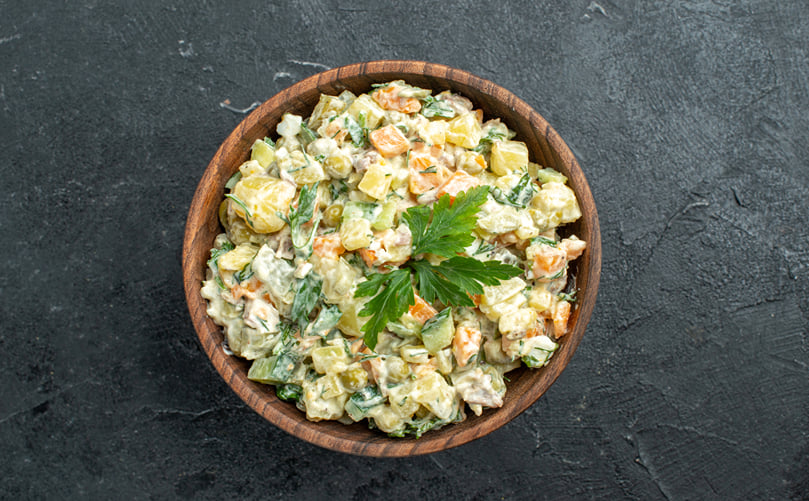
Traditional Homemade Potato Salad Bowl
Understanding Potato Salad: Definition and Core Concept
Potato salad is a classic salad dish primarily composed of boiled or steamed potatoes, which are cut into cubes, slices or chunks and combined with a dressing and a variety of complementary ingredients. It is generally served cold or at room temperature, although some regional variations are enjoyed warm. The dish typically includes a binding element such as mayonnaise, vinaigrette, yogurt or a vinegar-based dressing along with seasonings, herbs and mix-ins like vegetables, eggs or proteins. The result is a well-balanced preparation that can range from creamy and rich to light and tangy, depending on the ingredients used.
At its core, potato salad is both simple and highly adaptable. Potatoes act as a starchy satisfying base that readily absorbs flavors while the dressing brings cohesion to the dish by adding creaminess, acidity or emulsification. Additional ingredients enhance the overall profile by contributing texture and taste crunch from celery or onions, depth from mustard or bacon and freshness from herbs such as dill or parsley.
Unlike leafy salads potato salad emphasizes the texture and versatility of potatoes, which hold their structure well during mixing and chilling. It is most commonly consumed cold or at ambient temperature allowing the flavors to meld effectively. However, warm variations such as traditional German styles highlight the ability of potatoes to absorb hot, flavorful dressings.
This fundamental structure allows for endless customization making potato salad one of the most versatile dishes in global cuisine. It can be prepared for everyday home meals, festive gatherings or refined restaurant menus adapting easily to different culinary traditions and preferences.
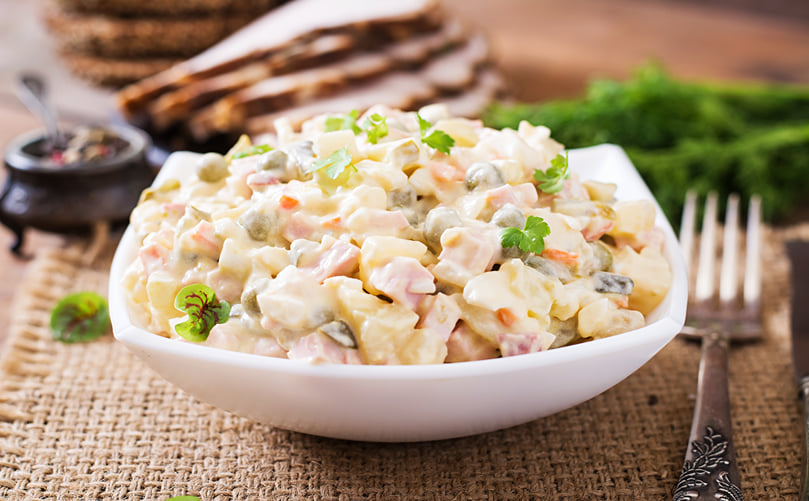
Simple and Versatile Potato Salad Dish
Raw Material Selection: Choosing the Right Potatoes for Perfect Potato Salad
Potato selection is one of the most critical factors in determining the quality of potato salad as it directly influences texture, flavor absorption and overall mouthfeel. Potatoes are generally classified into three categories based on starch content and moisture levels: waxy (low starch), starchy (high starch) and all purpose (medium starch). Understanding these categories helps ensure the salad retains well-defined pieces rather than becoming mushy or overly grainy.
Waxy potatoes, which are low in starch (typically around 16–18% solids) and high in moisture are considered the best choice for potato salad. Varieties such as Red Bliss, new potatoes, fingerlings, baby reds and round whites have thin skins and a higher proportion of amylopectin starch. This composition allows them to maintain their structure during cooking, resulting in a firm yet creamy texture that holds up well when mixed with dressing. Their mild, slightly sweet flavor also complements both tangy and savory ingredients making them ideal for both cold and warm salad preparations.
Starchy potatoes, such as russet or Idaho varieties contain higher levels of starch (often exceeding 20% solids) and more amylose. When cooked they tend to swell, break apart and develop a fluffy or mealy texture. While this makes them excellent for applications like mashing, baking or frying, it is less suitable for potato salad. In salads, they can absorb dressing unevenly and lose their structure leading to a heavy or disintegrated consistency. Therefore, they are generally not recommended unless a deliberately soft, mashed style salad is desired.
All-purpose potatoes, including varieties like Yukon Gold or German Butterball offer a balanced option. With moderate starch content (approximately 18–20% solids), they provide a creamy interior while still retaining enough structure to hold their shape. This makes them a versatile choice for potato salad particularly when a slightly richer texture is preferred without compromising integrity.
In addition to variety, freshness is equally important. Potatoes should be firm, smooth and free from sprouts, green discoloration or bruises. Green patches indicate the presence of solanine, a naturally occurring compound that can be harmful if consumed in large amounts. Selecting potatoes of uniform size ensures even cooking and leaving the skin on especially for waxy types can enhance both texture and nutritional value.
These differences in potato behavior are rooted in their cellular structure and starch composition. Waxy potatoes maintain their integrity due to stronger cell walls and lower amylose content, which directly contributes to a superior texture in potato salad. Careful selection at this stage lays the foundation for a well-balanced and high-quality final dish.
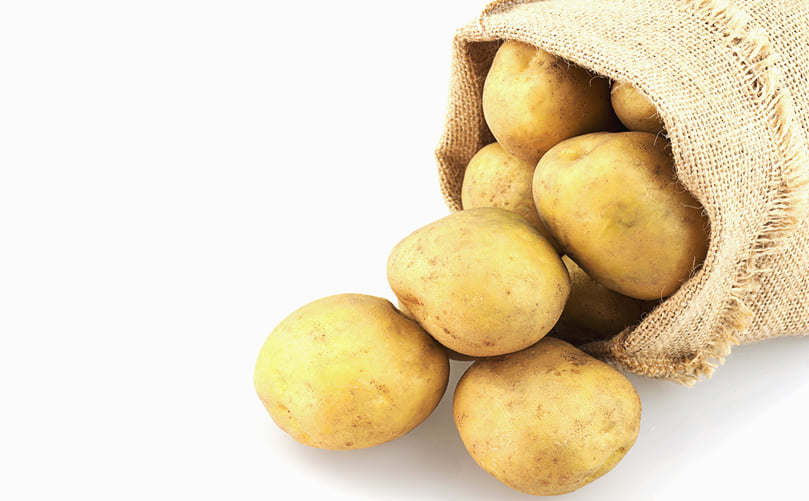
Best Potato Varieties for Perfect Potato Salad Texture
Exploring Potato Salad: Global Styles and Flavorful Variations
Potato salad is one of the most adaptable dishes in global cuisine with variations shaped by dressing styles, regional traditions and ingredient choices. These differences reflect cultural preferences, local availability of ingredients and historical influences particularly the spread of European potato preparations after the crop was introduced from the Americas in the 16th century.
By Dressing Style: Potato salad is commonly categorized based on the type of dressing used, which significantly influences its flavor, texture and serving style.
- Mayonnaise-based versions are the most widely recognized, especially in American, Northern European and Asian cuisines. These salads are creamy, rich and typically served cold.
- Vinaigrette based styles are lighter and tangier, using oil, vinegar (or sometimes broth), mustard and herbs. These are common in Southern Germany, France and Mediterranean regions and are often served warm or at room temperature.
- Yogurt, sour cream or hybrid dressings represent modern adaptations, offering a lighter alternative with added tanginess and nutritional appeal. These are increasingly popular in health-conscious recipes.
By Regional Variations: Different regions have developed distinct potato salad traditions, each with unique ingredients and preparation styles.
- American potato salad is typically creamy and mayonnaise-based, often including hard boiled eggs, celery, pickles or relish, onions and mustard. It is served cold and is a staple at barbecues and social gatherings.
- German Kartoffelsalat varies significantly by region. Southern styles (such as Bavarian or Swabian) are usually served warm with a vinegar-broth dressing, bacon, onions and herbs without mayonnaise. Northern versions are closer to the American style featuring mayonnaise along with eggs or other additions.
- French potato salad emphasizes simplicity and freshness, using olive oil, vinegar or mustard-based vinaigrette and herbs like parsley or tarragon. It is typically served at room temperature and does not include mayonnaise.
- Russian Olivier salad is a hearty, festive dish made with potatoes, peas, carrots, pickles, eggs and often ham or chicken, all bound together with mayonnaise.
- Japanese potato salad (potesara) has a softer, slightly mashed texture and a mildly sweet flavor. It often includes mayonnaise, rice vinegar, vegetables like cucumber and carrot and additions such as ham, corn or apple.
- Korean potato salad (gamja salad) is similar in texture to the Japanese version but often incorporates a sweet savory balance with ingredients like eggs, vegetables and sometimes fruit or imitation crab.
- Austrian Erdäpfelsalat uses a light vinegar and mustard dressing with onions and sometimes broth, creating a moist texture enhanced by the natural starch of the potatoes. It can be served warm or cold.
- Other notable variations include Mediterranean styles with olives, tomatoes and herbs; British versions with mayonnaise and fresh onions or chives; and Brazilian maionese de batata, which often includes peas and olives.
By Ingredient Composition: Potato salad can also be classified based on the ingredients used, allowing for further customization.
- Vegetarian and vegan versions exclude meat and eggs, often using plant-based mayonnaise and a variety of vegetables and herbs for flavor.
- Egg-based variations are common in many regions, adding richness, protein and texture.
- Meat-inclusive versions may feature bacon, ham, sausage or chicken, contributing a savory depth and making the dish more substantial.
- Overall, the diversity of potato salad reflects its global journey and culinary flexibility. From creamy and indulgent to light and herbaceous, it continues to evolve while remaining a universally loved dish.
Essential Ingredients for the Perfect Potato Salad
The key ingredients in potato salad work together to create a balance of starch, creaminess or acidity, crunch and aroma. Careful selection and proportioning of these components are essential for achieving the right texture and flavor harmony.
Potatoes (Base Ingredient): Potatoes form the foundation of the dish. For optimal texture, waxy varieties such as red potatoes, new potatoes or fingerlings as well as all-purpose types like Yukon Gold are preferred because they hold their shape well after cooking. Typically, about 2–3 lbs of potatoes are used for 6–8 servings. Their starchy nature allows them to absorb the dressing effectively while maintaining structure.
Dressing Base: The dressing binds the salad and defines its overall flavor profile. Common options include mayonnaise for a creamy and rich texture, vinaigrette (oil combined with vinegar, mustard or broth) for a lighter and tangier taste and yogurt or sour cream for a balanced, slightly tangy alternative. Mustard (about 1–2 tablespoons) enhances sharpness and helps with emulsification while vinegar or lemon juice (2–3 tablespoons) adds acidity to balance richness and improve shelf life.
Vegetables for Texture and Freshness: Vegetables contribute crunch, color and freshness to the salad. Common additions include diced celery for crispness, finely chopped red or sweet onions or shallots for mild pungency and pickles or relish for a briny contrast. Ingredients such as scallions or chives add a mild onion flavor. Optional vegetables like carrots, peas or green beans can be included for additional sweetness and visual appeal. In total, about 1–1½ cups of vegetables are typically used.
Flavoring Agents and Seasonings: Herbs and seasonings enhance the aroma and overall taste. Fresh herbs such as dill, parsley or tarragon (2–4 tablespoons, chopped) add brightness. Salt and black pepper are essential for seasoning usually adjusted to taste. Additional ingredients like paprika or celery seed can provide depth, while a small amount of sugar or honey is sometimes added in certain regional styles to balance acidity.
Protein Add-ins (Optional): Protein ingredients are optional but commonly included to increase richness and make the dish more filling. Hard-boiled eggs (about 3–4, chopped) are frequently used in American, Japanese and Russian variations contributing a creamy texture. Meat options such as bacon or ham (typically 4–6 slices or equivalent) add a savory, umami rich dimension particularly in some European styles.
Overall Ingredient Balance: Each component plays a specific role: potatoes provide substance the dressing binds and flavors, vegetables and herbs introduce contrast and optional proteins enhance heartiness. Using fresh, high-quality ingredients such as crisp celery and mild, non-bitter onions is crucial to avoid off-flavors and ensure a well-balanced final dish.
Step-by-Step Guide to Making Perfect Potato Salad
A well-structured, science-based preparation method ensures potato salad achieves the ideal balance of firm texture and deep flavor absorption. The total process typically takes about 45–60 minutes of active preparation followed by additional chilling time.
Selecting and Preparing Potatoes: Begin by washing 2–3 lbs of waxy or all-purpose potatoes, preferably of similar size to ensure even cooking. You may leave the skins on for added color and nutrients or peel them based on preference. Cut larger potatoes into uniform pieces (approximately ¾-inch) to promote consistent cooking.
Cooking the Potatoes: Place the potatoes in a large pot and cover them with cold water by about 1–2 inches. Add 1–2 teaspoons of salt and 1–2 tablespoons of vinegar. Starting with cold water ensures even heat distribution, while vinegar helps maintain the potatoes’ structure. Bring the water to a boil, then reduce to a gentle simmer and cook for 8–12 minutes or until the potatoes are fork-tender but not overly soft. Avoid overcooking, as this can break down starch cells and result in a mushy texture. Drain immediately once done.
Seasoning While Warm: Transfer the hot potatoes to a bowl or tray and lightly drizzle with a portion of vinegar or other acidic component. Toss gently. This step is crucial because warm potatoes absorb flavors more effectively due to their expanded starch structure allowing better seasoning penetration.
Cooling: Allow the potatoes to cool for 10–15 minutes at room temperature or refrigerate briefly if preparing a cold salad. If not pre-cut, slice them into bite sized pieces once they are cool enough to handle.
Preparing the Dressing: In a separate bowl prepare the dressing by combining mayonnaise, vinaigrette or another base with mustard, remaining acid, herbs, salt, pepper and optional sweeteners. Whisk until smooth and well-balanced adjusting flavors as needed.
Combining Ingredients: Add chopped vegetables, herbs and any optional protein ingredients such as eggs or meat to the potatoes. Gently fold in the dressing, ensuring even coating without breaking the potato pieces. Careful mixing preserves texture and prevents a mashed consistency.
Chilling and Finishing: Refrigerate the salad for at least 1–2 hours or up to overnight to allow flavors to meld. Before serving, taste and adjust seasoning as chilling can slightly dull flavors. Serve cold at room temperature or warm depending on the style. Garnish with paprika, fresh herbs or bacon if desired.
Key Tips for Success: Starting potatoes in cold water ensures even cooking while seasoning them when warm enhances flavor absorption. Gentle handling during mixing maintains structure and proper chilling improves overall taste. These steps, grounded in food science principles such as starch gelatinization and pectin stability help prevent common issues like blandness or overly soft texture.
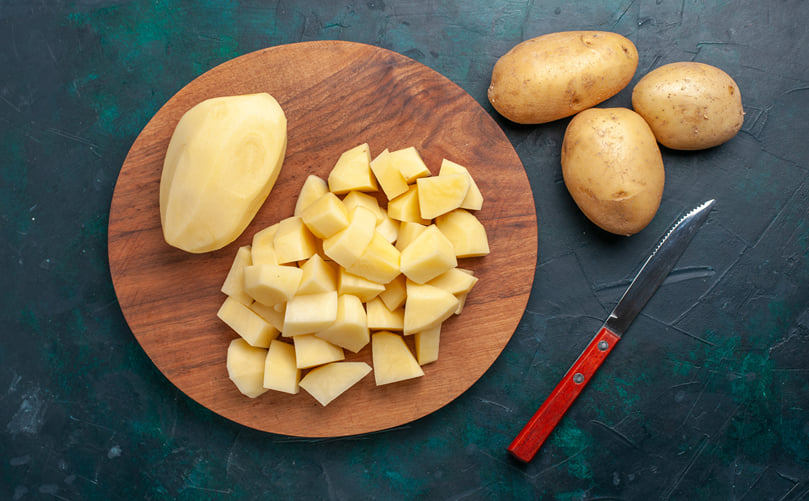
Uniform Potato Cutting for Even Cooking and Perfect Texture
Texture & Flavor Factors: What Makes the Perfect Potato Salad
An exceptional potato salad is defined by the balance between texture and flavor, both of which are grounded in food science principles such as starch behavior, pectin stability and sensory perception. The ideal texture should be firm yet tender with clearly defined potato pieces that offer a creamy bite never overly mushy or undercooked.
Waxy potato varieties, such as Red Bliss or new potatoes are best suited for this purpose because of their lower starch content (higher amylopectin) and stronger cell structure, which helps them retain shape during cooking. In contrast, starchy potatoes like russets tend to break down more easily becoming mealy and creating a pasty or gluey consistency as their cells rupture and release excess starch. Overcooking further weakens the pectin in cell walls causing the potatoes to disintegrate while undercooking leaves them too firm and less capable of absorbing flavors. The ideal doneness is achieved when potatoes are fork-tender with edges just beginning to soften providing a natural creaminess without losing structure.
Temperature also plays a critical role in flavor absorption. Dressing the potatoes while they are still warm though not excessively hot allows their expanded cells to absorb seasonings more effectively. If the potatoes are cooled completely before dressing the surface starch begins to gelatinize, reducing flavor penetration and resulting in a less cohesive taste. However, adding dressing when the potatoes are too hot can lead to over absorption making the salad overly soft or watery.
Flavor balance is equally important in elevating potato salad from simple to exceptional. A well-crafted salad achieves harmony between creamy richness, bright acidity, savory saltiness and subtle sweetness. Creamy components such as mayonnaise, yogurt or emulsified dressings provide body and help carry flavors across the palate. Acidity from vinegar, mustard, lemon juice or pickles adds brightness and prevents the dish from tasting heavy or flat. Salt enhances all other flavors improving depth and masking undesirable notes, while also contributing to perceived richness.
A small amount of sugar can be used to balance acidity and mellow sharper ingredients like onions without making the dish noticeably sweet. Fresh herbs such as dill or parsley contribute aromatic freshness, while mustard not only adds sharpness but also acts as a natural emulsifier helping to bind the dressing.
Ultimately, the success of potato salad lies in achieving contrast and cohesion at the same time creamy yet structured, tangy yet savory. Proper seasoning especially when the potatoes are warm ensures that flavors are well integrated and continue to develop as the salad rests and chills. Poor balance on the other hand can result in a dish that feels either too heavy or bland lacking the complexity that defines a truly great potato salad.
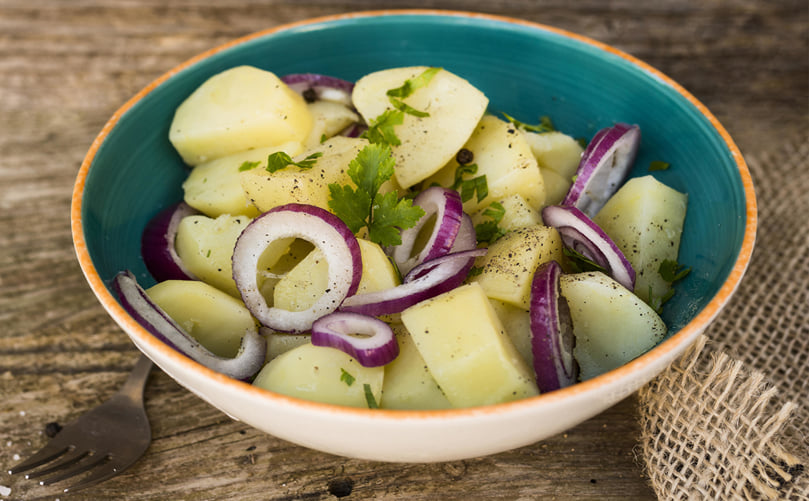
Precision in Every Bite: The Perfect Potato Salad
Common Potato Salad Mistakes and How to Avoid Them
Even experienced cooks can compromise the quality of potato salad by making a few common mistakes that affect texture, flavor absorption and overall balance. Understanding these pitfalls and the science behind them helps ensure consistently excellent results.
Using the Wrong Type of Potato: Choosing the wrong variety is one of the most common errors. Starchy potatoes, such as russets contain higher amylose content and tend to break down easily during cooking resulting in a mushy or pasty texture. Waxy varieties like red potatoes, new potatoes or fingerlings and all-purpose types like Yukon Gold are better suited because they hold their shape and provide a smooth, firm texture.
Starting with Hot Water: Adding potatoes directly to boiling water leads to uneven cooking. The outer layers soften too quickly while the interior remains undercooked. Starting potatoes in cold, salted water ensures gradual and even heat penetration allowing uniform cooking and better internal seasoning. A small amount of vinegar can also help maintain structural integrity.
Overcooking or Undercooking: Overcooked potatoes lose their structure as pectin in the cell walls breaks down excessively, causing them to fall apart. Undercooked potatoes on the other hand remain too firm and do not absorb dressing effectively. The ideal point is when potatoes are fork-tender with edges just beginning to soften. Draining them promptly and if needed, briefly cooling prevents further cooking.
Dressing Potatoes at the Wrong Temperature: Applying dressing to fully cooled potatoes reduces flavor absorption because the surface starch becomes gelatinized and less permeable. For best results, potatoes should be dressed while still warm allowing them to absorb seasonings more effectively. However, extremely hot potatoes should be avoided as they may over absorb liquid and become overly soft.
Inadequate Seasoning: Potatoes naturally have a mild flavor, which can result in a bland dish if not properly seasoned. Since cold temperatures tend to mute flavors, it is important to season generously during preparation. This includes salting the cooking water incorporating sufficient acidity and adjusting seasoning before chilling to maintain a well-balanced taste.
Uneven Cutting and Overmixing: Inconsistent potato sizes lead to uneven cooking with some pieces becoming too soft while others remain firm. Cutting potatoes into uniform, bite sized pieces ensure consistency. Additionally, excessive mixing can break down the potatoes resulting in a mashed texture rather than a structured salad. Gentle folding is essential.
Using Poor Quality Ingredients or Improper Cooling: Old or low-quality potatoes can negatively impact both flavor and texture. Similarly, skipping proper cooling steps can affect food safety and the final mouthfeel of the dish. Ensuring fresh ingredients and controlled cooling enhances both quality and safety.
Avoiding these common mistakes results in a potato salad with well-defined yet tender pieces, balanced flavors and a professional finish. Most issues arise from misunderstanding starch behavior and temperature control key factors in achieving the perfect dish.
Nutritional Value of Potato Salad: Calories, Benefits and Healthier Choices
The nutritional value of potato salad varies significantly depending on the recipe, portion size (typically around 1 cup or 250 g) and the type of dressing used. However, potatoes themselves provide a nutrient dense base contributing essential carbohydrates, vitamins and minerals.
A standard homemade mayonnaise-based potato salad contains approximately 350–360 calories per cup. It typically provides around 28 g of carbohydrates, primarily in the form of complex starches that supply sustained energy. Fat content is relatively high about 20 g per serving mainly derived from mayonnaise which contributes a significant portion of total calories. Protein content averages around 6–7 g, while dietary fiber is approximately 3 g, depending on whether the potato skins are included.
In terms of micronutrients, potato salad offers notable health benefits. A single serving can provide roughly 600–650 mg of potassium supporting heart health and blood pressure regulation. It also supplies about 25 mg of vitamin C along with smaller amounts of B vitamins, iron and magnesium. However, sodium levels can be high sometimes reaching up to 1,200–1,300 mg per cup due to added salt, pickles and processed dressings.
Fat content is the most variable factor across different styles. Traditional mayonnaise-based versions are higher in total and saturated fats, whereas vinaigrette-based salads are significantly lighter, often containing less than 10 g of fat per serving. This makes them a preferable option for those seeking lower calorie meals.
Health-conscious variations can further improve the nutritional profile without compromising taste. Substituting mayonnaise with Greek yogurt or plant-based yogurt can reduce fat content by 30–50% while increasing protein levels and adding beneficial probiotics. Vegan alternatives, such as those made with oil free mayonnaise, silken tofu or ingredients like white miso can achieve a creamy texture with reduced calories and minimal saturated fat. These versions often range between 200–250 calories per cup and may include more vegetables increasing fiber content.
Vinaigrette-based or herb forward potato salads highlight the natural benefits of potatoes including antioxidants and resistant starch which supports gut health. Additional vegetables like celery and onions contribute crunch, fiber and micronutrients, enhancing overall nutritional value.
Overall, potato salad can be part of a balanced diet when consumed in moderation and prepared thoughtfully. By adjusting ingredients and portion sizes, it can deliver a combination of complex carbohydrates, essential nutrients and satisfying flavors, while also being adaptable for low fat, vegan or calorie conscious diets.
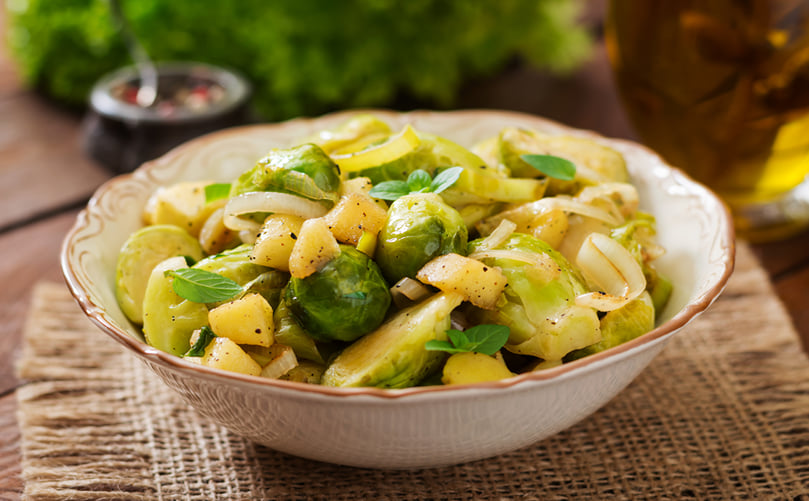
Potato Salad: Comfort Food with Nutritional Value
Potato Salad Packaging: Ensuring Freshness, Safety and Shelf Life
Commercial potato salad packaging is designed to ensure food safety, extend shelf life and provide convenience while meeting consumer expectations for quality and sustainability. The most widely used formats include rigid plastic tubs or bowls made from materials such as polypropylene (PP) or polyethylene terephthalate (PET), typically fitted with secure snap-on or heat-sealed lids. These containers are ideal for retail and deli environments, offering durability, ease of handling and effective protection against moisture loss and oxygen exposure.
To further enhance shelf life many manufacturer, use Modified Atmosphere Packaging (MAP). In this method the air inside the package is replaced with a controlled gas mixture commonly around 35–40% carbon dioxide (CO₂), very low oxygen (≤2%) and nitrogen (N₂) as a filler gas. This environment slows down the growth of spoilage microorganisms and helps maintain product freshness. When combined with strict refrigeration below 4°C, MAP can extend the shelf life of mayonnaise-based potato salad from approximately 7 days to around 10 days while preserving sensory quality.
Additional packaging technologies are also used in commercial production. Vacuum skin packaging removes air completely creating a tight seal around the product, while multi-layer high barrier films often incorporating materials like EVOH or nylon laminates provide superior protection against oxygen and moisture. Rigid trays with anti-fog film lids are commonly used for retail display allowing clear product visibility without condensation buildup.
Premium and foodservice packaging may include tamper evident features to ensure product integrity and safety. At the same time, there is a growing shift toward sustainable solutions, such as recyclable mono-material plastics and reduced packaging weight in response to environmental concerns.
Labeling plays a critical role in consumer safety and compliance. Packages must clearly indicate storage instructions such as “Keep Refrigerated,” along with use-by dates and allergen information.
Overall, modern packaging systems combined with an unbroken cold chain during storage and distribution help maintain the quality, safety and shelf life of potato salad ensuring it reaches consumers in optimal condition without compromising taste or texture.
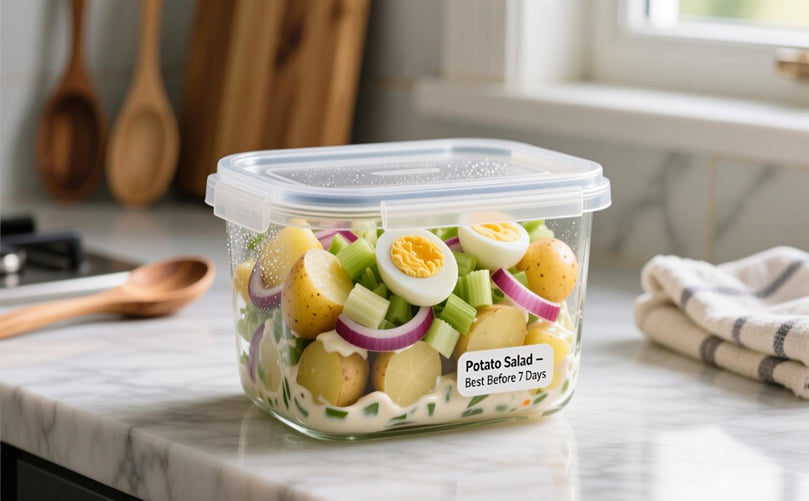
Packaging That Preserves Freshness and Flavor
Food Safety & Storage Tips for Potato Salad
Potato salad is classified as a Time/Temperature Control for Safety (TCS) food because of its moisture content, nutrient availability and relatively neutral pH, which can support the growth of harmful bacteria such as Staphylococcus aureus and Salmonella. Proper handling and storage are therefore essential to ensure safety and maintain quality.
Refrigeration is critical. Potato salad should be stored promptly at or below 5°C. It must not be left in the temperature “danger zone” (4°C to 60°C) for more than 2 hours in total or more than 1 hour if the ambient temperature exceeds 32°C as bacterial growth accelerates rapidly under these conditions.
During preparation, cooked potatoes and mixed ingredients should be cooled quickly. Ideally, the temperature should drop to about 21°C within 2 hours and then further down to 5°C within the next 4 hours, following standard food safety guidelines. Rapid cooling helps prevent bacterial proliferation and preserves the salad’s texture.
Once refrigerated, homemade or opened ready-to-eat potato salad should be consumed within 3–5 days and stored in an airtight container. Commercially packaged potato salads can last until their stated use-by date if unopened and continuously refrigerated, but once opened they follow the same 3–5 days guideline.
Although mayonnaise-based potato salads are often considered risky commercially produced mayonnaise is typically acidic (pH around 4.0–4.6), which inhibits many pathogens. In most cases, the real risks arise from added ingredients like cooked potatoes, eggs or improper handling and cooling. Vinaigrette or mustard-based versions tend to have a lower pH and may offer slightly better natural preservation.
It is important to monitor for signs of spoilage before consumption. Indicators include sour or unpleasant odors, discoloration, slimy texture or visible mold. If any of these are present the salad should be discarded immediately.
Freezing potato salad is not recommended as it negatively affects texture potatoes can become watery and grainy upon thawing and dressings may separate.
In commercial foodservice environments, strict temperature control, cold-chain management and HACCP (Hazard Analysis and Critical Control Points) protocols are followed to ensure safety. By adhering to these practices, the risk of foodborne illness can be minimized while maintaining the quality and freshness of potato salad.
Market Trends in Potato Salad: Growth, Innovation & Consumer Demand
The refrigerated potato salad segment continues to grow as part of the broader convenience driven deli and prepared salads market. As of 2024, the global refrigerated potato salad market is estimated to be valued between USD 1.41 billion and USD 1.49 billion with projections indicating growth to approximately USD 2.16–USD 2.26 billion by 2033. This represents a steady compound annual growth rate (CAGR) of around 4.7% to 5.1%, driven by increasing demand for ready-to-eat (RTE) foods and convenient meal solutions.
Regionally, North America holds the largest market share accounting for about 38% of the global market (approximately USD 540–USD 566 million in 2024), followed by Europe. The Asia-Pacific region is the fastest growing market with a projected CAGR of around 6.1%. This growth is fueled by rapid urbanization, rising disposable incomes and increasing acceptance of Western style convenience foods in countries such as China, Japan and Australia.
The wider refrigerated deli salads category which includes potato salad alongside products like coleslaw and pasta salads is also experiencing strong growth with forecasts suggesting a CAGR of approximately 5.9% through 2035. This expansion is closely linked to changing consumer lifestyles, particularly the need for quick, convenient and ready-to-serve food options.
Several key trends are shaping the potato salad market. There is a growing demand for healthier and more transparent food choices leading to increased popularity of vegan and plant-based formulations, often made with plant-based mayonnaise or yogurt alternatives. Clean label products free from artificial additives and preservatives are also gaining traction along with gluten free and protein enriched variants. Consumers, especially flexitarians are increasingly favoring simple recognizable ingredients over highly processed formulations.
Innovation in flavors is another major driver. Manufacturers are introducing globally inspired variations, such as Korean style spicy profiles or Mediterranean herb-based recipes to appeal to evolving tastes. Premiumization is also evident with high quality deli style offerings and gourmet ingredients becoming more common.
Retailers such as Aldi, Lidl, Sainsbury's and Carrefour are actively expanding their prepared salad ranges. At the same time, major brands are focusing on convenience through grab and go packaging and integration with online grocery delivery platforms.
Overall, potato salad remains well-positioned within the expanding RTE and health-focused convenience food landscape benefiting from its versatility, affordability and ability to adapt to changing consumer preferences.
Commercial Production & Market Role of Potato Salad
In the ready-to-eat (RTE) and foodservice sectors, potato salad is a high-volume deli staple widely available in supermarket deli counters, convenience stores, catering operations and online grocery platforms. Its popularity in commercial settings is driven by convenience, consistent quality and strong consumer demand for fresh, prepared foods.
Commercial production is highly standardized and automated to ensure efficiency, food safety and product consistency while maintaining a homemade-like appeal. The process begins with bulk procurement of raw potatoes typically waxy or all-purpose varieties selected for their ability to retain structure. These potatoes are sorted, mechanically washed, peeled (or sometimes left skin-on for premium variants) and cut into uniform shapes.
Cooking is carried out in large-scale industrial systems, using controlled boiling or steaming to achieve even tenderness without overcooking. Once cooked, the potatoes are rapidly cooled using blast chillers or similar technologies to quickly bring temperatures below 5°C, minimizing microbial growth and preserving texture.
After cooling, the potatoes are transferred to high capacity, sanitary mixing systems where they are combined with pasteurized dressings such as mayonnaise, vinaigrette or yogurt-based formulations along with pre-chilled ingredients like vegetables, eggs or meat. Seasonings are added in precise quantities to ensure consistent flavor across batches.
Food safety is managed through strict Hazard Analysis and Critical Control Points (HACCP) systems. Key control points include temperature monitoring during receiving, cooking, cooling and storage; sanitation protocols to prevent cross contamination; and metal detection systems to eliminate physical hazards. These measures are essential for maintaining product safety in large scale operations.
Advanced preservation techniques, such as high-pressure processing (HPP) or mild thermal pasteurization are increasingly used in some facilities to extend shelf life while maintaining texture and sensory quality. Once prepared, the product is immediately packaged and enters a controlled cold chain, including refrigerated transport, storage and retail display at or below 5°C.
Leading manufacturers including companies like Reser's Fine Foods and various private label producers, focus on traceability, allergen management and compliance with regulatory standards. These practices ensure product reliability and consumer safety across markets.
Overall, the industrial production of potato salad supports the growing RTE food segment by offering scalable, safe and customizable products. With increasing demand for convenient, ready-made meals, potato salad continues to play a significant role in the global refrigerated deli category.
Global Adoption of Potato Salad: Regional Traditions & Cultural Influence
Potato salad has achieved widespread global adoption since potatoes were introduced to Europe from the Andes (South America) by Spanish explorers in the 16th century. Early versions were simple often involving boiled potatoes dressed with wine, vinegar, or spices. Over time, the dish evolved most significantly in Germany, where Kartoffelsalat became a defining preparation. From there, it spread across Europe, North America, Asia and beyond through migration and cultural exchange, adapting to local ingredients, tastes and culinary traditions.
Germany is considered the foundation of many modern potato salad styles with a clear regional divide. Southern German variations (such as those from Bavaria and Swabia) are typically served warm or at room temperature and use a vinegar, broth and mustard-based dressing with onions, bacon and herbs without mayonnaise. Northern German versions, in contrast are usually served cold and are mayonnaise-based, often including eggs, pickles or sausage. These styles strongly influenced both European and American adaptations.
In the United States, potato salad became a staple dish particularly at barbecues, picnics and potlucks. The American version is typically creamy and mayonnaise-based, incorporating ingredients such as hard-boiled eggs, celery, pickles or relish, onions and mustard. Its development is closely linked to German immigrant traditions from the 19th century with regional variations adding local touches such as sweet relish or specific types of mayonnaise.
French potato salad is known for its lighter and more refined approach. It uses a vinaigrette made from olive oil, vinegar and mustard, combined with ingredients like shallots and fresh herbs such as parsley or tarragon. Served at room temperature, it emphasizes freshness and balance rather than richness.
In Russia and across Eastern Europe, potato salad appears as Olivier salad, a hearty and festive dish made with potatoes, peas, carrots, pickles, eggs and often meat such as ham or chicken. It is widely consumed during celebrations and has influenced similar dishes in Central Asia and parts of Latin America.
Japanese potato salad known as potesara has a softer, partially mashed texture and a slightly sweet flavor profile. It typically includes mayonnaise, rice vinegar and ingredients like cucumber, carrot, ham, corn or apple, making it popular in-home meals and bento boxes.
Korean gamja salad shares similarities with the Japanese version but often leans toward a sweet-savory balance. It may include eggs, vegetables and sometimes fruit or imitation crab and is commonly served as a side dish (banchan) or picnic food.
Other regions have developed their own unique interpretations. Austrian potato salad features a light broth vinegar mustard dressing with onions and can be served warm or cold. Mediterranean versions from Italy, Spain and Sicily highlight olive oil, garlic, herbs and vegetables such as tomatoes, green beans and olives, resulting in a fresh, vibrant dish. In Latin America variations such as Brazilian maionese de batata include ingredients like peas and olives, while Peruvian causa uses layered spiced mashed potatoes with various fillings.
Across Asia and other regions, local adaptations incorporate regional spices and ingredients while maintaining the core concept of potatoes combined with a dressing. This adaptability along with affordability and scalability has made potato salad a universal comfort food.
Today, potato salad is enjoyed worldwide at family gatherings, festive occasions, casual meals and in restaurants. Its evolution from a simple European preparation to a globally diverse dish highlights the potato’s transformation from a New World crop into a staple ingredient across cultures.