

Potatoes: The Culinary Titan That Conquered the World
The potato, Solanum tuberosum is a culinary titan that has shaped diets, economies and cultures for millennia. From the crispy, golden French fries that dominate fast-food menus to soulful specialties like France’s stretchy aligot, India fiery aloo tikki and Peru’s vibrant causa the potatoes versatility is unmatched. Originating over 8,000 years ago in the Andes this tuber fuels a multi billion dollar industry from Mumbai street stalls to Pariss Michelin starred bistros.
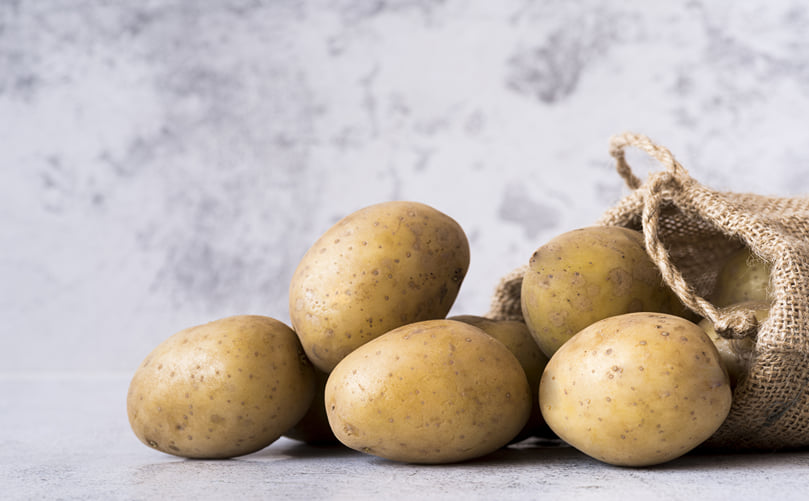
From Andes to Plate: The Potatoes Global Journey
A Storied Past: The Origins and Global Journey of French Fries
The potatoes epic begins in the Andean highlands of Peru and Bolivia, where indigenous communities domesticated over 4,000 varieties more than 8,000 years ago, sustaining empires like the Inca. At altitudes up to 15,000 feet, farmers developed freeze drying to create chuno, a preserved potato that lasted years and fueled long journeys. Spanish conquistadors introduced the potato to Europe in the 1570s but its nightshade family ties (related to toxic belladonna) sparked suspicion some labeled it cursed or linked it to leprosy.
By the 17th century, its resilience in poor soils and high caloric yield (160 calories, 3–4g fiber, 620mg potassium per medium potato) made it a lifeline across northern Europe, powering populations through wars and famines, including the Irish Potato Famine (1845–1852), which killed 1 million and drove millions to emigrate, reshaping nations like the U.S. and Canada. French fries likely emerged in Belgium’s Meuse Valley, where locals, skilled at frying small river fish in beef tallow, substituted sliced potatoes during winter shortages when rivers froze, possibly in the late 1600s.
By the early 1700s, vendors in Namur and Dinant sold these frites in paper cones with creamy mayonnaise, andalouse or samurai sauce, a tradition thriving in Belgium’s 3,500+ friteries, many with drive thru windows or 24/7 hours. Belgian historian Pierre Leclercq cites 1700s municipal records, though France claims a rival origin during the 1789 French Revolution, Paris vendors near the Pont-Neuf bridge fried potato strips as affordable street food, dubbed pommes Pont-Neuf. The term “French fries” arose during World War I, when American soldiers in French-speaking Belgium mistook the dish for French.
Thomas Jefferson, a culinary pioneer, popularized fries in America, serving “potatoes in the French manner” at a 1802 White House dinner, captivating guests. The 20th century transformed fries into a global phenomenon. In the 1940s, J.R. Simplot pioneered frozen fry technology, enabling mass production. McDonald’s standardized fries as a menu cornerstone, perfecting their golden crunch with Russet Burbank potatoes and precise frying protocols. Today, over 20 million tons of frozen fries are produced annually, gracing tables from Belgian friteries to Mumbai’s chaat stalls, Dubai’s luxury restaurants, Tokyo’s fusion eateries and Nairobi’s street markets, embodying comfort and culinary innovation.
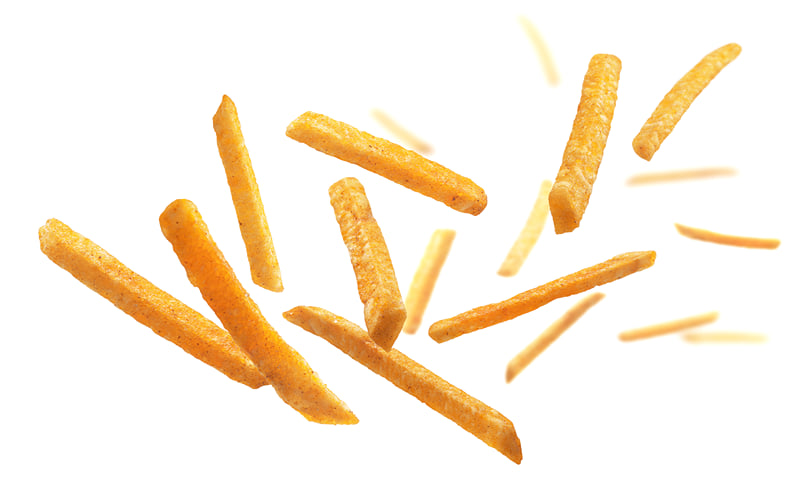
French Fries: A Golden Icon with a Global Legacy
The Potato Empire: Global Market Dynamics and Economic Impact
French fries and potato specialties drive a massive industry, fueled by fast-food culture, convenience dining and demand in emerging markets like Asia, Africa and the Middle East. The global French fries market is valued at over USD 15 billion, driven by urbanization (e.g., 55% of India’s population is urban), rising incomes (up 3–5% annually in China and India) and the expansion of quick-service restaurants (QSRs) like McDonald’s, KFC and local chains like Indonesia’s HokBen.
The frozen potato products market, including fries, tots, hash browns, wedges and croquettes, exceeds USD 20 billion, while the broader processed potato market (frozen and non-frozen, like mashed mixes, chips and dehydrated products) surpasses USD 40 billion. North America and Europe hold over 60% market share, with Americans consuming approximately 30 lbs of fries per person annually and Belgians topping 100 lbs, supported by a fritery culture vying for UNESCO intangible heritage status.
Asia-Pacific is the fastest-growing region, propelled by Westernized diets, with China and India doubling processing capacities to millions of tons. Latin America and Africa are emerging markets, with Brazil and South Africa seeing steady growth due to urban sprawl and QSR penetration. Challenges include raw potato price volatility recent oversupplies in Europe and Latin America cut prices by 20–30%, impacting farmers but lowering processor costs.
Health trends boost demand for low-fat, air-fried or organic fries, with 40% of consumers favoring eco-friendly products. Sustainability drives innovations like biodegradable packaging (used by 30% of European producers), water efficient farming (saving 20–30% in arid regions) and upcycled byproducts like peel-based snacks or biogas, ensuring the potatoes economic dominance from Idaho’s fields to global factories.
Titans of the Trade: Leading Manufacturers and Their Global Reach
Multinational giants dominate the French fries and frozen potato specialties market, leveraging vast supply chains, cutting-edge technology and partnerships with fast-food chains to produce billions of pounds annually. These companies shape the industry with innovations in health, sustainability and flavor. Here’s an exhaustive overview
McCain Foods Limited (Canada): The world’s largest fry producer, McCain generates over USD 10 billion in revenue, operating 50+ plants across six continents and supplying approximately 33% of global fast-food fries to McDonald’s, Burger King, Wendy’s and KFC. Its portfolio includes straight cut, crinkle-cut, wedges, sweet potato fries organic lines and specialties like hash browns and potato bites. McCain prioritizes sustainability, recycling 95% of wastewater and converting peels into biogas (powering 15% of plant energy). Its AI-driven sorting and Pulsed Electric Field (PEF) technology reduce oil use by 20%.
Lamb Weston Holdings (USA, Idaho): North America’s top producer, with over USD 6 billion in revenue, Lamb Weston excels in innovative cuts like crinkle cut, steak fries, sweet potato fries and lattice fries. A key McDonald’s supplier, it serves QSRs, retailers and schools, using FarmWise AI to optimize yields by 12%.
J.R. Simplot Company (USA, Idaho): A frozen fry pioneer since the 1940s, Simplot supplies approximately 50% of McDonald’s U.S. fries. Its farm to factory model ensures quality for fries, tots, hash browns and wedges, serving QSRs, supermarkets and institutions like hospitals. Simplot’s Innate biotech potatoes cut acrylamide by 50%.
Aviko (Royal Cosun, Netherlands): Europe’s fry leader, processing 1.5 million tons annually, Aviko specializes in premium frites, organic lines and low-acrylamide products. Its AI sorting (99.9% accuracy) and energy efficient frying save 10% energy with exports to 80+ countries.
Farm Frites (Netherlands):Handling 800,000 tons yearly, Farm Frites leads exports to the Middle East with halal-certified fries, wedges and bites, operating in 40+ countries. Its spiced fries cater to Asian and African palates, with solar-powered plants cutting emissions by 15%.
Emerging Players: India’s Pepizo Foods and Chillfill produce masala-seasoned fries and frozen aloo tikki for local QSRs and street vendors, with exports to Southeast Asia growing steadily.
These titans produce over 80% of global frozen fries, with McCain and Lamb Weston commanding approximately 40% market share. Smaller players drive regional innovation, while sustainability and health-focused products shape the industry.
The Perfect Potato: Varieties and Exhaustive Selection Criteria
Not all potatoes are destined for the fryer. The ideal varieties for French fries and potato specialties balance high starch content, low reducing sugars and uniform shape to produce crispy, golden fries with a fluffy interior while minimizing health risks like acrylamide, a carcinogen formed during high heat frying at 177–191 °C. The International Potato Center (CIP) and global industry standards, developed through decades of agronomic research and processing trials, identify top-performing varieties tailored for specific culinary, industrial and market needs.
These potatoes are selected not only for their frying performance but also for their adaptability to diverse climates, resistance to diseases and alignment with sustainability goals, ensuring a steady supply for the multi billion dollar potato industry.
Russet Burbank (USA): The gold standard for French fries, Russet Burbank boasts 20–22% dry matter (starch) and 0.1–0.3% reducing sugars, delivering a fluffy interior, crispy exterior and minimal browning for the iconic McDonald’s fry. Its long, oval tubers (10–15 cm) yield uniform 6–10mm strips, ideal for high volume cutting lines but its susceptibility to late blight requires careful pest management and storage at 8–10°C with 95% humidity to prevent sugar buildup. Revered in Idaho’s volcanic soils, this varieties reliability has made it a cornerstone of the U.S. potato industry, producing millions of tons annually for fast-food giants and retail frozen fries.
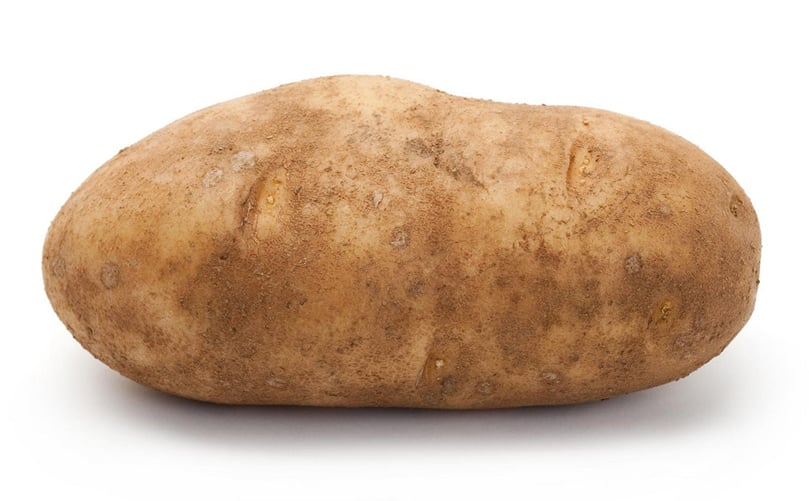
Russet Burbank: The Gold Standard for French Fries
Innovator (Netherlands): Specifically bred for frozen fry production, Innovatores low sugar content (<0.2%) and bruise resistance reduce acrylamide formation by 30%, catering to health conscious European markets. Its high yields (40–50 tons/hectare) and adaptability to automated processing lines make it a favorite for industrial processors like Aviko, while its consistent texture ensures a premium fry experience. Innovator’s development by HZPC reflects decades of Dutch expertise in potato breeding, optimizing for both agronomic efficiency and consumer safety.
Ranger Russet (USA): A fast growing variety (90–100 days), Ranger Russet offers size consistency and resistance to potato virus Y, making it a versatile choice for fries, tots and hash browns in North American markets. Its robust disease resistance reduces pesticide use by up to 30%, supporting sustainable farming, while its uniform tubers streamline high-speed cutting for QSRs like Wendy’s. Grown extensively in the Pacific Northwest, Ranger Russet’s reliability ensures a steady supply for both fresh and frozen applications.
Bintje (Belgium/Netherlands): With medium starch (18–20%) and a creamy texture, Bintje is the heart of European frites, delivering rich flavor and golden color through traditional double-frying. Its storage sensitivity (prone to sprouting below 6°C) makes it ideal for fresh cut friteries in Belgium’s 3,500+ fry shops, where it is paired with sauces like andalouse or mayonnaise. A cultural icon in the Low Countries, Bintje’s legacy dates back to 1905, embodying the region’s devotion to perfect fries.
Maris Piper (UK): Starchy (20–22%) and favored for thick “chip shop” fries, Maris Piper yields 35–45 tons/hectare and is a staple in UK and Irish pubs for its crisp crust and fluffy center. Its versatility extends to roasting and mashing, but its frying prowess shines in traditional fish and chip shops across Britain. Maris Piper’s widespread cultivation reflects its adaptability to the UK’s temperate climate, ensuring consistent quality for both home cooks and commercial kitchens.
Agria (Germany): Boasting high dry matter (22–24%) and vibrant yellow flesh, Agria produces flavorful, crispy fries for premium European markets, with minimal waste (3–5%) in automated lines. Its rich potato forward taste makes it a chef favorite for upscale restaurants, while its high yields support large scale processing for frozen products. Agria’s rise in Germany underscores the countries focus on quality driven potato innovation.
Sweet Potato (e.g., Beauregard, USA): With lower starch (15–18%) and high beta-carotene (8,000–10,000 µg/100g), Beauregard requires thin cuts (4–6mm) to combat its 75–80% moisture content, ensuring crispiness for health focused consumers. Grown in the U.S. South, its yields of 25–35 tons/hectare and nutrient density make it a retail favorite, often air fried for lower fat content. Sweet potatoes vibrant orange hue and natural sweetness have fueled their global popularity, from American diners to Asian fusion eateries.
Kennebec (USA): Low-sugar (<0.2%) and creamy, Kennebec delivers restaurant quality fries with excellent golden color, yielding 30–40 tons/hectare for diners and small scale processors. Its smooth texture suits fresh cut applications but careful handling is needed to prevent bruising during transport. A favorite in New England, Kennebec’s versatility extends to baking and boiling, making it a multi purpose gem.
Yukon Gold (Canada/USA): Waxy (16–18% starch) with a buttery flavor, Yukon Gold is best for baking or short fries, as its lower starch risks crumbling in high speed fry lines. Its golden flesh and rich taste make it a premium choice for home cooks and restaurants, particularly in Canada, where it was developed in the 1980s. Yukon Gold’s popularity in North America highlights its appeal for rustic, skin on potato dishes.
Fontane (Netherlands): A high yield variety (45–55 tons/hectare), Fontane’s low sugar and bruise resistant traits make it a rising star for frozen fries in Europe industrial plants. Its durability in mechanical processing ensures consistent quality for global brands like Farm Frites, while its adaptability to sandy soils boosts Dutch agricultural efficiency.
Lady Rosetta (Netherlands): High-starch (22–24%) and firm, Lady Rosetta is versatile for fries and chips, with low oil uptake (8–10%) and yields of 40–50 tons/hectare. Its ability to maintain texture under high heat frying makes it ideal for crispy snacks, popular in both European and Asian markets. Lady Rosetta’s robust agronomic traits support sustainable farming practices, reducing resource inputs.
Asterix (Netherlands): Red skinned with high dry matter (20–22%), Asterix produces vibrant specialty fries, resistant to scab and nematodes for lower pesticide use. Its striking appearance appeals to gourmet markets, while its processing durability suits frozen fry production for export. Asterix’s development underscores the Netherlands focus on visually appealing, high performance potato varieties.
Exhaustive Selection Criteria for Potatoes in French Fry Production
Selecting the right potato varieties for French fry production is a complex, multidisciplinary process that balances agronomic performance, processing efficiency, sensory quality, food safety, economics and environmental sustainability. Ideal tubers must deliver consistent performance in texture, color, flavor and safety while optimizing industrial throughput and minimizing environmental impact.
High Dry Matter Content (20–25%): Dry matter largely composed of starch is fundamental to achieving a crispy, light French fry with oil absorption limited to 8–12%. High dry matter promotes a dry, fluffy interior that contrasts with a crunchy exterior by forming a gel-like starch network during frying, which traps steam and enhances crispness.
- Low dry matter (<18%) results in soggy fries due to excessive moisture retention.
- Excessively high dry matter (>25%) produces dense, heavy textures unsuitable for fast-food standards, often yielding overly mealy interiors.
Studies published in journals such as the Journal of Food Engineering demonstrate that the 20–25% range optimizes frying efficiency, reducing energy consumption by 10–15% through improved heat transfer and reduced oil uptake, while aligning with consumer texture preferences. Although potatoes at 25% dry matter are often preferred for premium fries, a minimum threshold of 15% is required to avoid processing failures.
Dry matter is influenced by variety (e.g., Russet Burbank typically 20–22%), soil type and irrigation management, with over-irrigation capable of reducing dry matter by 5–10%. In practice, specific gravity testing (target range 1.077–1.085 g/cm³) provides a reliable field indicator, correlating directly with fry yield and quality.
Low Reducing Sugars (<0.3%) and Asparagine Management: Reducing sugars primarily glucose and fructose along with free asparagine, are the main precursors of the Maillard reaction during frying at 175–190°C. While this reaction creates desirable golden coloration, it also leads to acrylamide formation, a compound classified by the International Agency for Research on Cancer (IARC) as a potential carcinogen.
To ensure acceptable fry color and food safety, reducing sugar levels must remain below 0.3%, and ideally below 0.2% for premium processing. This aligns with EU regulations limiting acrylamide to <500 µg/kg in finished fries. Improper storage below 6°C induces cold-induced sweetening (CIS), which can elevate sugar levels to 0.5–1%, potentially doubling acrylamide formation.
Recent research emphasizes the asparagine to reducing sugars ratio (2.257) as a critical determinant of acrylamide risk. When sugars are sufficiently low, asparagine becomes the limiting factor, prompting breeding programs to develop low-asparagine varieties, capable of reducing acrylamide formation by 20–50%. For example, Innovator potatoes inherently maintain reducing sugars below 0.2%.
Mitigation strategies such as blanching or enzyme treatments (e.g., asparaginase) can further reduce acrylamide formation by 30–63%, but varietal selection remains the most effective foundational control. Regulatory bodies including the FDA and WHO recommend continuous monitoring of both precursors throughout storage and processing.
Uniform Shape and Size: Long, oval tubers measuring 10–15 cm (e.g., Russet Burbank) are preferred for French fry production, as they minimize cutting waste to below 5% and ensure uniform heat transfer during frying. Consistency in size and shape is critical for fast-food operations producing millions of servings daily.
Irregular or round tubers can increase off-cuts by up to 20%, diverting material into lower-value products such as mash or tots and increasing processing costs. Overall, uniformity reduces processing expenses by 5–10% and enhances fry presentation an attribute influencing up to 30% of consumer purchasing decisions in QSR and retail environments.
Breeding programs increasingly target genetic markers for shape stability, ensuring consistency across varying growing conditions. High-speed cutting systems operating at 10,000 cuts per minute benefit directly from elongated tubers, achieving 80–90% recovery rates in accordance with USDA grading standards (e.g., 6–8 oz size classes).
Low Defect Rate: Modern processing relies on AI-enabled optical sorters with 99.9% accuracy to eliminate tubers exhibiting green discoloration (associated with solanine levels >20 mg/100 g), surface blemishes, deformities or internal defects. Effective sorting reduces raw material losses by 10–15%.
Bruise-resistant varieties such as Innovator further enhance usable yields by minimizing mechanical damage during harvesting and transport. In contrast, defects can increase processing costs by 5–7%. Common quality issues include hollow heart and blackspot bruising, affecting 5–15% of production depending on handling practices.
Adoption of integrated pest management (IPM) and gentle harvesting technologies including cushioned conveyors can reduce defect incidence by approximately 20%. Solanine safety thresholds are regulated at <200 mg/kg and proper light-excluding storage prevents greening.
Optimal Storage Characteristics: For French fry processing, potatoes should be stored at 7–10°C with 95% relative humidity, combined with ethylene inhibitors such as 1-methylcyclopropene (1-MCP at 1 ppm). Under these conditions, low sugar levels can be maintained for 9–12 months, preserving fry color and minimizing acrylamide risk.
Storage below 6°C common for table potatoes induces CIS and significantly increases reducing sugar accumulation. When CIS occurs, reconditioning at 18–22°C for 1–3 weeks can reduce sugar levels by 40–60%, restoring acceptable fry color.
Proper ventilation (1–2 air changes per hour) prevents CO₂ buildup above 0.5%, which can stress tubers. Sprout suppression traditionally relies on chlorpropham (CIPC), though natural alternatives such as spearmint oil are increasingly adopted, particularly in organic and export markets.
Disease Resistance and Yield: High-performing fry varieties such as Ranger Russet exhibit resistance to potato virus Y (PVY), late blight (Phytophthora infestans) and nematodes, reducing pesticide use by approximately 30% while increasing yields by around 20%. Typical yields range from 40–55 tons per hectare under optimal conditions.
These improvements support global demand exceeding 20 million tons of French fries annually while reducing land and water requirements by 15–20%. Other notable resistant varieties include Sarpo Mira (exceptional blight resistance) and Agria (scab resistance). Yield averages vary widely 30–40 t/ha in developing regions versus 50+ t/ha in countries like the Netherlands utilizing precision agriculture.
Flavor and Texture Suitability: Sensory performance remains critical. Varieties such as Agria and Bintje provide rich, potato-forward flavors favored in premium segments. Sweet potatoes, due to higher moisture content (75–80%), require thinner cuts (4–6 mm) to achieve crispness.
Kennebec potatoes deliver a creamy interior ideal for diner-style fries. Sensory panels assess attributes such as sweetness, earthiness, and mouthfeel, with high-starch varieties yielding fluffy textures and waxy types posing sogginess risks. Biofortified and pigmented potatoes such as purple varieties rich in anthocyanins add functional flavor and nutritional appeal.
Processing Durability: Firm-textured tubers like Russet Burbank withstand intensive industrial operations, including mechanical peeling at 50–100 bar, high-speed cutting, and frying at 177–191°C, without excessive breakage. In contrast, waxy varieties such as Yukon Gold are prone to disintegration and are typically restricted to fresh-cut or artisanal applications.
Emerging technologies such as Pulsed Electric Field (PEF) treatment can soften cell walls prior to cutting, reducing breakage by approximately 20%. Processing durability is often quantified using shear force measurements, with optimal values ranging between 10–15 N.
Environmental Adaptability: Adaptable varieties such as Innovator perform reliably across diverse agro-climatic zones, from Idaho’s volcanic soils to the Netherlands’ heavy clay. Drought-tolerant hybrids reduce irrigation requirements by 15–20%, supporting production in water-limited regions of India and Africa.
Climate-resilient breeding increasingly incorporates heat tolerance (up to 30°C) and flood resistance, mitigating yield losses under projected +2°C global warming scenarios. These traits are critical as climate change intensifies pest pressures, including Colorado potato beetle infestations.
Market-Specific Traits: Market preferences strongly influence varietal choice. European premium segments favor yellow-fleshed Agria for color and flavor, while global fast-food chains prioritize cost-efficient Russet varieties for scalability. Health-conscious consumers drive demand for sweet potatoes rich in beta-carotene (8,000–10,000 µg/100 g) and purple potatoes with antioxidant properties.
Organic potato markets are expanding at 10–15% annually, favoring low-input varieties, while Asian markets increasingly demand flavored and fusion-style fry products.
Sustainability Metrics: Disease-resistant varieties such as Asterix reduce pesticide runoff by approximately 25%, protecting water systems, while high-yield cultivars like Fontane reduce land use by 15%. These benefits align with regenerative farming practices, including cover cropping and crop rotation, which improve soil health by 13–63% and sequester 0.5–1 ton of carbon per hectare per year.
Life-cycle assessments indicate that 18% of total greenhouse gas emissions in fry production originate from frying oil, highlighting the importance of upstream efficiency. Organic systems can reduce synthetic input use by up to 50%, with certification frameworks such as the Potato Sustainability Alliance tracking performance metrics.
Cost Efficiency: High-yield varieties like Fontane reduce raw material costs by 10–12%, a critical advantage in volatile global potato markets. Bruise resistance further cuts processing losses by 5–7%. Overall, optimized varietal selection can increase net returns by 15–38% through higher yields, reduced inputs, and lower waste.
The integration of digital tools, including AI-based yield forecasting and storage monitoring, delivers additional cost reductions of around 10%.
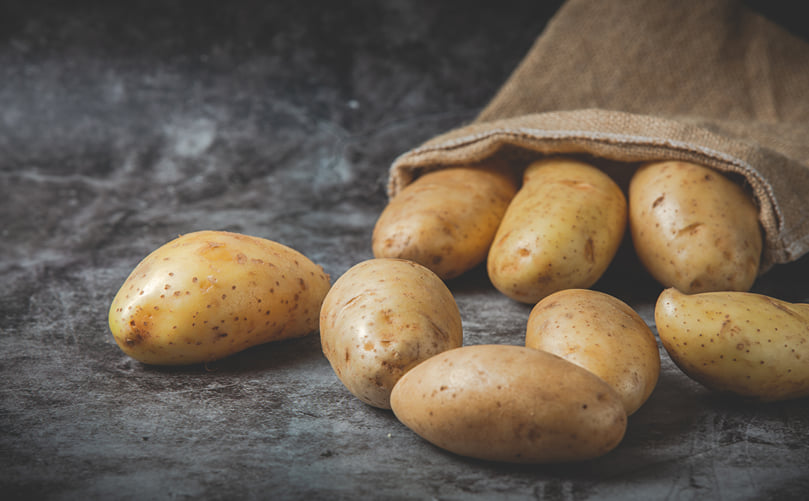
Choosing the Ideal Potato for High Quality French Fry Production
Crafting Frozen French Fries: A High-Tech Culinary Art
Producing frozen French fries is a sophisticated, high-efficiency process that transforms raw potatoes into shelf-stable, restaurant ready products in under 24 hours. Facilities operated by companies like McCain, Lamb Weston or Simplot process 100,000–500,000 tons annually, using automation to ensure consistency, safety and minimal waste.
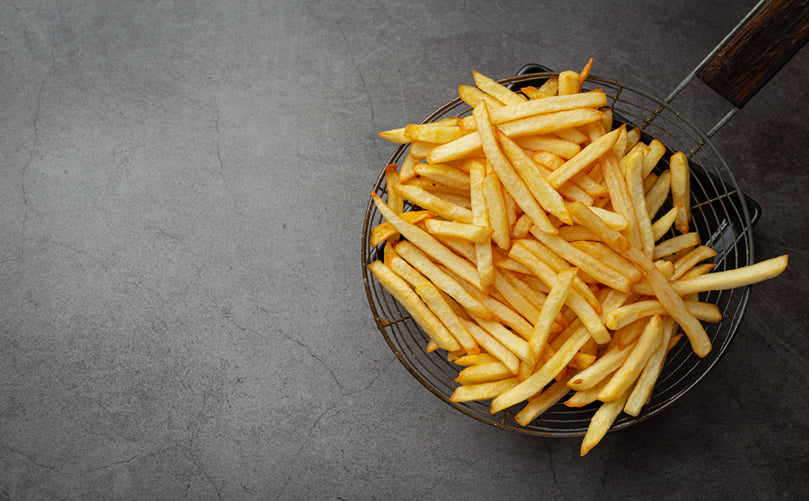
The Science Behind the Perfect French Fry
Harvesting and Receiving: Potatoes are mechanically harvested in fall (September–October ) using combine harvesters (e.g., Grimme or Dewulf models) that gently dig and sort tubers to minimize bruising (impact force <50N). Delivered to plants via conveyor systems, AI-powered optical scanners (e.g., TOMRA 5B or Key Technology sorters, 99.9% accuracy using infrared, X-ray, and machine vision) inspect for defects like green spots (indicating solanine toxicity >20 mg/100g), blemishes or irregular shapes (<7 cm or deformed).
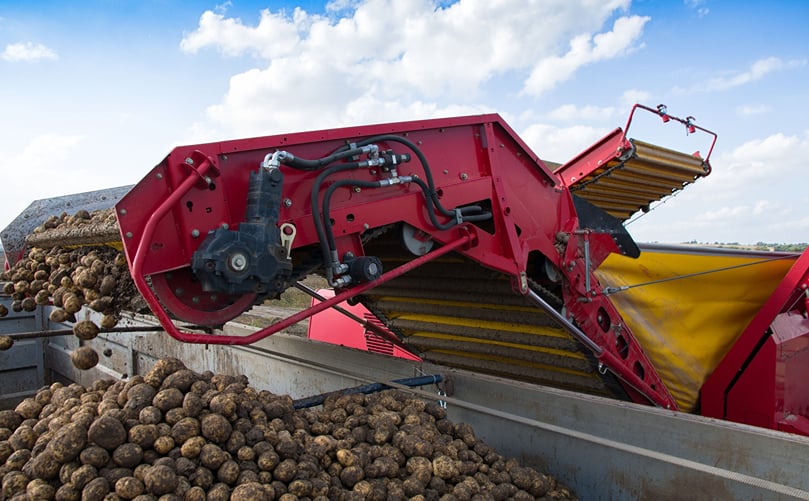
Harvesting and Receiving Potatoes for Frozen French Fry Production
Rejected tubers (typically 5–10%) are diverted to animal feed or compost, while accepted ones are stored in climate controlled warehouses at 8–10°C with 95% humidity to prevent sprouting and sugar accumulation (which can increase acrylamide risk by 50%). Ethylene inhibitors like 1-MCP (1 ppm) extend storage life to 9–12 months, ensuring year round supply despite seasonal harvests. This stage is crucial for quality control, as improper harvesting can lead to 15–20% loss in yield.
Washing and Peeling: High pressure water jets (50–100 bar, 1,000–2,000 liters/minute) blast off dirt, stones and debris, often using recycled water to save 20–30% on usage. Peeling follows with steam peelers (120–140°C for 30–60 seconds to loosen skins via thermal expansion) or abrasive rollers (carborundum-coated, rotating at 100–200 RPM), removing 10–20% of the potato as peel. These peels are upcycled into animal feed, starch for food additives (e.g., thickeners in sauces or soups) or biogas for plant energy (generating 200–300 kWh/ton, powering 10–20% of operations). This step minimizes microbial contamination (reducing E. coli risk by 90%) and prepares tubers for cutting, with efficiency rates of 95% in modern plants.
Cutting and Sorting: Precision blades (e.g., Urschel CC or FAM cutters, operating at 10,000–15,000 cuts/minute) slice potatoes into uniform strips 6mm for shoestrings (maximum crunch), 10mm for standard (balanced texture) or 12mm for steak fries (hearty bite). Computer vision systems (integrated with AI software like Cognex or Key Technology) sort for size, shape and defects, detecting imperfections at 0.5mm resolution and diverting irregular pieces (e.g., short ends or curved cuts) for tots, hash browns or mashed products, keeping overall waste below 5% (industry benchmark from Potato Sustainability Alliance). This stage ensures even cooking and aesthetic consistency, as uneven cuts can lead to overcooked or undercooked fries, affecting consumer satisfaction by 20–30%.
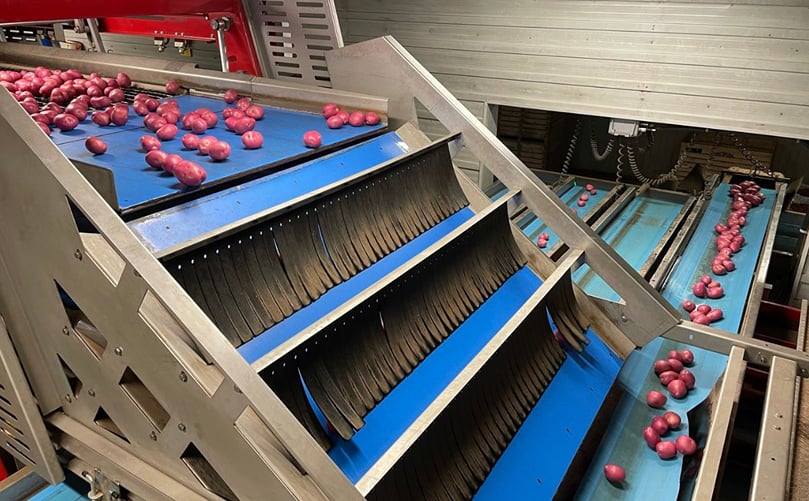
AI Powered Fry Sorting and Quality Control in Processing Plants
Blanching: Strips are submerged in hot water (70–90°C, pH 6–7) for 1–2 minutes to inactivate polyphenol oxidase enzymes (preventing enzymatic browning), remove surface sugars (reducing Maillard reaction and acrylamide formation by 30%) and partially cook the interior for a fluffy texture. Additives like dextrose (0.1–0.5% for golden color) or sodium acid pyrophosphate (0.2% to prevent graying from iron oxidation) are common, as per USDA guidelines. The water is recirculated and filtered to save 15–25% on usage. This step is vital for food safety, killing 99% of surface bacteria and improving fry shelf life.
Drying: Forced air blowers (e.g., Key Technology dryers, 50–60 m/s airflow) or infrared systems (wavelength 2–4 µm) remove surface moisture at 50–60°C, cutting oil uptake by 10–15% and enhancing crispiness by creating a drier surface for better heat transfer during frying. This reduces frying energy costs by 12% and prevents sogginess, as excess moisture can increase fry weight by 5–8%,
Par-Frying: Fries are dipped in vegetable oil (palm, canola, sunflower or blends, filtered continuously to maintain freshness) at 160–180°C for 45–90 seconds to form a crisp outer crust while keeping the interior soft, with oil content controlled to 8–12% for balanced flavor and health. Plant-based coatings (e.g., rice starch or cellulose) can reduce oil absorption by 5%. This step seals the fry, extending shelf life and preparing for final cooking.
Cooling and Freezing: Rapid cooling to 10°C (using chilled air tunnels at 0–5°C) halts cooking and preserves texture, followed by flash-freezing at -40°C in Individual Quick Freezing (IQF) tunnels (e.g., OctoFrost systems, vibration belts at 50–100 Hz to prevent clumping). Nitrogen-flushed packaging (polyethylene bags or bulk totes) ensures a shelf life of 24–36 months at -18°C, maintaining flavor and crunch without large ice crystals (which can damage cell structure by 10–15%).
Quality Control and Safety: Automated systems test for acrylamide (<500 µg/kg, per EU/FDA), oil content (8–12%, via Soxhlet extraction), color (Agtron meters for 60–70 golden hue) and texture (shear force 10–15 N for crispness). Microbial tests (e.g., ATP swabbing for bacteria levels <10 RLU) and sensory panels (trained tasters scoring 1–9 for flavor) ensure quality. Blockchain traceability tracks potatoes from farm to package. HACCP protocols and USDA/FDA inspections ensure zero E. coli or Salmonella, with rejection rates <1%.
Video: How French Fries are made!
(Click picture to watch video)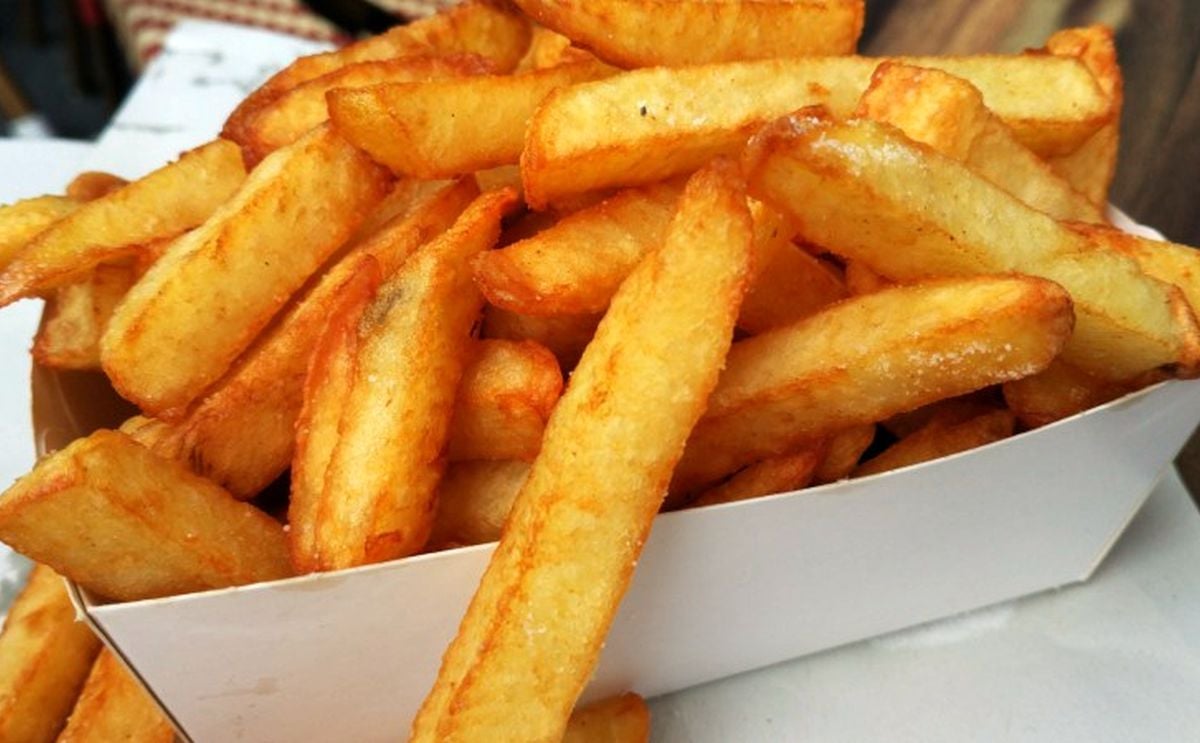
Video from the Washington State Potato Commission explaining how french fries are made.
A World of Fries: Varieties, Styles and Cultural Twists
French fries are a global canvas for culinary creativity, with diverse cuts, textures and flavor profiles reflecting cultural preferences and dining trends. From thin shoestrings to hearty steak fries, each style has unique preparation methods and pairings, driving a USD 15 billion market. Here’s an expanded exploration of fry varieties, their preparation, cultural significance and global adaptations:
Shoestring Fries: Thin (2–3mm), high surface area ensures maximum crunch when fried (191°C, 2–3 minutes, 8% oil absorption). Made from Russet Burbank for high starch (20–22%), they are favored in gourmet settings like Shake Shack, paired with truffle aioli or herb dust. Popular in North America and Europe, they are also street food in Southeast Asia, dusted with chili powder. Low yield (30% waste from small cuts) makes them premium.
Standard Cut Fries: 1/4-inch (6mm), fried (191°C, 3–5 minutes), offer balanced texture (crisp outside, fluffy inside). McDonald’s uses Russet Burbank, par fried with a dextrose coating for golden color. Served with ketchup in the U.S., mayo in Belgium or curry sauce in Germany. These dominate QSRs globally (50% market share) due to versatility and low waste (10%).
Crinkle-Cut Fries: Wavy ridges increase surface area, fried (191°C, 4–6 minutes), ideal for holding spices like Cajun or garlic. Ore-Ida’s 25% U.S. retail share reflects their popularity in home freezers. Common in U.S. diners and Southern BBQ joints, paired with ranch or gravy. The ridges trap 20% more sauce, enhancing flavor.
Steak Fries: Thick (12–25mm), fried (177°C, 5–7 minutes) for a hearty bite, often skin-on for rustic appeal. Made from Kennebec or Yukon Gold, they are staples in UK pubs and U.S. steakhouses, served with ranch or aioli. High yield (5–8% waste) makes them cost-effective for foodservice.
Waffle Fries: Lattice cut (5–7mm), fried (177°C, 4–5 minutes), maximize sauce retention due to crisscross pattern. Chick-fil-as signature fry, made from Russets is dipped in polynesian sauce. Popular in the U.S. and Australia, they are also served with cheese sauce in Canada. Complex cutting raises costs by 10%.
Curly Fries: Spiraled using Urschel spiral cutters, seasoned with paprika or onion powder, fried (180°C, 3–4 minutes). Arby’s U.S. staple, they are also popular in Middle Eastern fast food with tahini. High consumer appeal (30% preference in U.S. surveys) due to fun shape and flavor.
Sweet Potato Fries: Thin (4–6mm) to combat moisture (75–80%), air-fried (200°C, 8–10 minutes) for health appeal (50% less fat). Made from Beauregard, rich in beta-carotene (8,000–10,000 µg/100g), they are a hit in North America and Australia, paired with honey mustard or cinnamon sugar. Growing 15% annually due to health trends.
Potato Tornado Fries: Whole potatoes spiraled on skewers, fried (190°C, 5–6 minutes), dusted with chili or cheese powder. A Korean street food staple, sold at night markets with gochujang dip they are also popular in Taiwan and Thailand.
Poutine Fries: Standard 6–10mm fries topped with cheese curds and hot gravy (2 tbsp flour/cup stock), prepared in 10 minutes. A Quebec icon, poutine is a USD 1 billion market in Canada, with variations like smoked meat or foie gras in upscale bistros. Frozen versions simplify home preparation.
Masala Fries: Standard fries tossed with cumin, chili or chaat masala, fried (182°C, 3–5 minutes), served with tamarind chutney. Popular in India, the UK and Canada’s South Asian communities, they reflect fusion cuisine’s 20% growth. Street vendors in Mumbai add mango powder for tang.
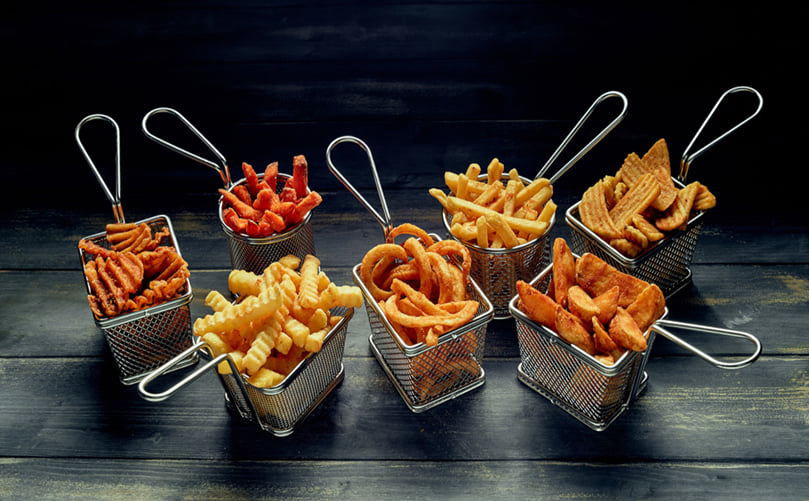
French Fries Around the World: Styles, Shapes and Signatures
Preparation Techniques:
Double-Frying: Initial fry at 162°C (5–7 minutes) cooks the interior, followed by 190°C (2–3 minutes) for a crisp crust, reducing oil absorption by 10% vs single frying. Used in Belgian friteries and high end QSRs.
Air-Frying: Reduces fat by 50–70% (200°C, 8–12 minutes), popular in 60% of U.S. households with air fryers. Thin cuts (4–6mm) optimize crispiness.
Seasoning: Global flavors like rosemary (Europe), truffle oil (gourmet), zaatar (Middle East) or togarashi (Japan) are applied post-frying or pre-freezing. Spray systems ensure even coating, reducing waste by 5%. Microencapsulated spices (used in 10% of premium fries) release flavor during cooking.
Frozen Potato Specialties: A World of Flavors and Convenience
Frozen potato specialties, encompassing products like hash browns, tots, wedges and croquettes, account for 30–40% of the USD 20 billion frozen potato market, offering versatile options for breakfast, appetizers, snacks and sides. These products cater to diverse consumer needs quick meals for households, bulk options for foodservice and innovative flavors for global markets. Produced with similar high-tech processes as fries, they emphasize convenience (ready in 5–15 minutes), flavor customization and nutritional appeal. For more detailed insights on frozen potato specialties, you can explore PotatoPro Potato Specialties.
Opportunities for Farmers, Processors, and Startups: Navigating the Potato Value Chain
The potato industrys robust growth driven by rising global demand for convenient and nutritious foods presents extensive opportunities across the entire value chain. With global production exceeding 380 million tons annually and processed segments such as frozen fries and specialty products expanding at a 5–6% CAGR, stakeholders from farm to factory can capitalize on sustainability, technology adoption and market diversification.
Farmers can leverage climate-resilient varieties and export-linked supply chains, processors can drive efficiency and product innovation and startups can disrupt the ecosystem through agritech and foodtech solutions. Together, these avenues enhance profitability while addressing key challenges such as climate variability, resource efficiency, and food waste ensuring long-term viability in a market projected to exceed USD 100 billion in processed potato products.
Opportunities for Farmers: From Field Innovation to Global Markets
As a cornerstone of food security for over a billion people, potato farming offers pathways to higher yields, premium pricing, and resilient operations amid changing climates and consumer preferences. Through modern practices, farmers can increase incomes by 20–30% while reducing environmental impact.
Sustainable and Tech-Enabled Practices: The integration of precision agriculture tools such as soil sensors, drone surveillance, and AI-driven irrigation can reduce water use by 20–30% and pesticide application by up to 40%, aligning production with sustainability-focused buyers. Conservation tillage and cover cropping, already adopted by nearly 50% of U.S. growers, improve soil health and unlock access to carbon credit programs, generating USD 10–50 per hectare in supplemental income. In regions like the Pacific Northwest, these practices have boosted yields by 15% while reducing erosion by 25%.
High-Yield and Climate-Resilient Varieties: Breeding programs led by institutions such as the International Potato Center emphasize early-maturing and disease-resistant varieties, increasing productivity for smallholders by 25–40 tons per hectare. Biofortified potatoes enriched with iron, zinc or protein command 10–20% price premiums in health-focused markets, supporting over 7 million farmers globally. As rising CO₂ levels may increase yields by 10–17%, adaptive varieties like drought-tolerant Ranger Russet enable cultivation expansion in arid regions of India and Africa.
Emerging Market Expansion and Export Opportunities: Urbanization across Asia and Latin America is driving demand, with countries such as India, China and Brazil recording 5–7% annual cultivation growth. Farmers can access export markets through cooperatives and digital platforms; for example, U.S. exports to Mexico have increased farm revenues by 15%. Premium segments including organic and colored potatoes such as antioxidant-rich purple varieties fetch 30–50% higher prices in Europe and North America.
Value-Added On-Farm Processing: Direct-to-consumer initiatives such as branded fresh packs or small-scale freezing units help farmers bypass intermediaries and improve margins by up to 20%. Strategic partnerships with local QSRs for specialty varieties, including sweet potatoes for health-conscious consumers, provide stable contracts and reduce exposure to price volatility.
Collectively, these strategies stabilize farm incomes averaging USD 5,000–15,000 per hectare globally while positioning farmers as integral contributors to sustainable supply chains.
Opportunities for Processors: Scaling Efficiency and Innovation
The frozen potato processing sector, valued at over USD 40 billion and growing at 4–5% annually, rewards processors who prioritize automation, waste reduction and product diversification. While global leaders dominate market share, mid-sized processors can compete effectively by targeting specialized niches.
Technological Advancements in Processing: AI-powered sorting systems and Pulsed Electric Field (PEF) technology reduce oil uptake by 20% and acrylamide formation by 30%, cutting costs by 10–15% while ensuring regulatory compliance. IoT-enabled cold chain logistics extend shelf life by 20–30%, facilitating exports to regions such as the Middle East and Southeast Asia. Investments in automated lines capable of processing 500 tons per day typically achieve ROI within 2–3 years through enhanced throughput.
Product Diversification and Health-Oriented Innovation: Beyond traditional fries, processors are expanding into low-fat, air-fryer-ready products, veggie-infused snacks and protein-enriched wedges segments growing at 15–20% annually. Upcycling byproducts such as peels into snacks, animal feed or biogas can recover 10–15% of lost value, generating USD 1–2 million annually for large facilities. Organic and non-GMO offerings, now accounting for 20% of new product launches, attract premium pricing in retail channels.
Market Penetration in High-Growth Regions: Asia-Pacific leads growth with a 7% CAGR, supported by localized flavors such as masala wedges in India and rapidly expanding processing capacity in China. Foodservice accounts for nearly 40% of total demand, driven by QSR partnerships, while retail e-commerce is growing at 25% annually. Improved blanching and freezing protocols reduce processing losses by 5–10%, strengthening margins amid raw material price volatility.
Sustainability Certifications and Strategic Partnerships: Certifications such as Rainforest Alliance enhance access to European markets, which account for 60% of global imports. Long-term sourcing partnerships with farmers improve traceability and reduce supply risks by 20%, while circular-economy product lines derived from upcycled inputs attract sustainability-focused consumers and investors.
Processors adopting these strategies can sustain 10–12% annual growth, transforming cost pressures into competitive advantages.
Opportunities for Startups: Disrupting the Potato Ecosystem through Agritech and Foodtech
With a value exceeding USD 100 billion, the potato ecosystem offers fertile ground for startups integrating biology, data science, and engineering. Annual global agtech venture funding surpasses USD 10 billion, enabling rapid scaling through partnerships and pilot programs.
Agritech Solutions for Precision and Transparency: AI-driven platforms optimize production and processing efficiency, predicting defects with up to 95% accuracy and reducing downtime by 20%. Blockchain-based traceability systems improve compliance and pricing transparency, cutting export-chain fraud by 30%. Drone and satellite analytics improve yield forecasting by 15%, with many startups securing USD 5–10 million in early-stage funding.
Foodtech Innovation in Potato-Based Products: Startups are developing protein-rich potatoes and extracting patatin as a plant-based egg alternative, targeting the USD 20 billion alternative protein market with margins approaching 50%. CRISPR-enabled breeding shortens development cycles by 50%, accelerating commercialization of nutrient-dense and low-acrylamide varieties. Fusion products such as potato-based meat analogs and functional flours align with wellness trends and global market expansion.
Sustainability and Waste-Tech Solutions: Innovators are converting processing waste into bioplastics, animal feed and bioenergy, recovering up to 25% of material value and accessing green financing. Controlled-environment seed potato production reduces land use by 90%, supporting urban and peri-urban farming in Asia. AI-powered demand forecasting tools reduce overproduction by 15–20%, improving supply chain efficiency.
Funding, Accelerators and Market Access: Accelerators such as Gulfood Startups and TechCrunch Disrupt spotlight potato-focused ventures, with over 40 agtech startups annually raising USD 1–5 million. Strategic investments from established processors accelerate scaling, while B2B models in emerging markets like Brazil deliver 3–5x investor returns.
Startups in this space achieve 20–30% year-on-year growth while driving systemic improvements in efficiency, sustainability, and ethics.