

Frozen French Fries: The Global Crispy Revolution
Frozen French fries are pre-cut, blanched, partially fried and quick-frozen potato strips designed for convenient final cooking at home or in foodservice operations. They emerged through industrial innovations in the mid-20th century, transforming fresh potatoes into a shelf-stable product that maintains much of their fresh cooked appeal. Their popularity comes from unmatched convenience, enabling consumers to enjoy crispy, golden fries in minutes without the need for peeling, cutting or lengthy preparation.
Global demand has surged with the rise of fast-food culture and increasingly busy lifestyles, with more than 80% of the world’s French fry consumption now coming from frozen products. The market continues to grow due to the versatility of frozen fries, which pair easily with burgers, snacks and gourmet dips, making them a staple in both households and restaurants.
Worldwide consumption exceeds 20 million tons annually, driven by urbanization and the spread of Western dietary habits in emerging markets such as Asia and Latin America. Convenience remains a major driver: frozen fries reduce preparation time by nearly 90% compared to fresh-cut potatoes, appealing strongly to time-pressed millennials and Gen Z consumers.
Modern variants such as air-fryer-ready fries support healthier choices by reducing oil usage by up to 70%. Economically, frozen fries represent a multi-billion-dollar global industry with strong, steady growth projections. Overall, frozen French fries perfectly blend tradition with modern innovation, sustaining a demand as enduring as the potato itself.
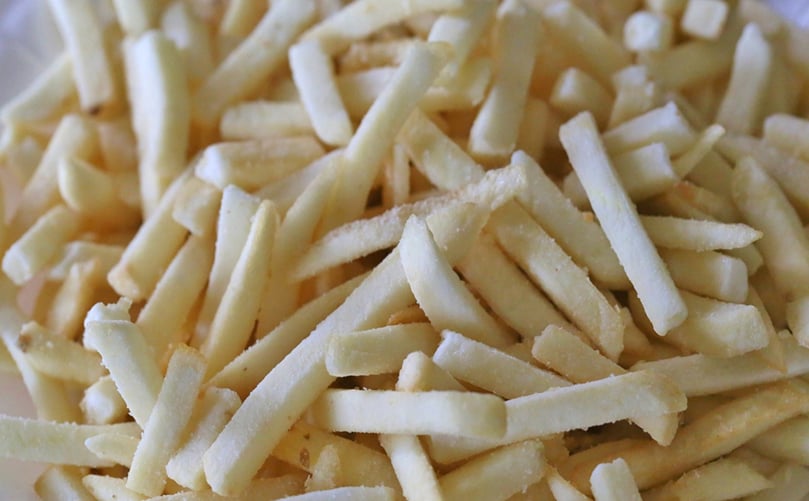
A Global Favorite: The Iconic Frozen French Fry
From Field to Fry: Selecting the Ideal Potato Variety
The foundation of The best potato varieties for frozen French fries include Russet types such as Russet Burbank and Ranger Russet, both prized for their high starch, low moisture content and excellent frying performance. Other leading processing varieties include Shepody, Innovator, Markies and emerging hybrids like Fontane, all of which produce long, uniform tubers ideal for cutting into premium fry strips.
Dry matter content plays a critical role in fry quality, with processors typically requiring 20–25%. Levels below this range result in soggy, oily fries, while values above 26% may lead to excessively dry or mealy textures. Equally important is reducing sugar concentration it must be maintained below 0.3% to prevent dark coloring through Maillard browning during par-frying and final cooking. Varieties such as Diamant and Messi perform exceptionally well in this regard, with Messi achieving 25.27% dry matter alongside naturally low sugar levels.
Ideal processing potatoes have long, oval tubers (8–12 cm) to maximize cutting efficiency and reduce waste. Uniformity in size typically 70–90 g per tuber ensures consistent strip length and minimizes defects during processing. Growing environment also influences fry quality; cooler regions like Idaho, Alberta and Northern Europe produce potatoes with naturally lower sugars and better storage stability.
Breeding programs continue to advance genetics for improved disease resistance, yield, storage life and climate resilience. Newer hybrids such as Fontane combine high dry matter (22–24%), strong processing attributes and robust field performance. After harvest, potatoes undergo curing at 10–15°C for 10–14 days, a practice that stabilizes skins and helps reduce sugar accumulation before storage.
In North America, Russet Burbank dominates, comprising over 70% of processed potatoes due to its high starch (20-22% dry matter), oblong shape ideal for 5-7 cm strips and reliable yields of 30-35 tons per hectare. Variants like Ranger Russet offer higher yields (up to 40 tons/ha) and resistance to Potato Virus Y, while Umatilla Russet delivers pale fry color and sustainable yields of 35-40 tons/ha with minimal inputs. Clearwater Russet excels in bruise resistance and storage stability at 7-10°C for up to 9 months, ensuring year-round supply.
In Europe, Shepody is prized for its light fry color, high yields (45 tons/ha) and suitability for long QSR fries (up to 10 cm), while Markies supports fries, crisps and fresh markets with robust disease resistance. Other starchy cultivars include Kennebec for crispiness (18-20% dry matter), Yukon Gold for rich flavor despite lower starch (16-18%) and specialized varieties like Alturas, Defender, Frontier Russet, Goldrush and Norchip, tailored for specific fry styles or climates.
In Asia, hybrids like Kufri Frysona (India) and Innovator (China) are bred for tropical disease resistance, high dry matter (19-21%) and shorter growing seasons, fueling processing hubs. USDA standards prioritize large, oblong tubers (over 6 inches), specific gravity of 1.080-1.100 for low sugars, and storage at 7-10°C with 95% humidity to prevent sugar buildup, which causes dark fries. Waxy varieties like Red Pontiac or fingerlings are avoided due to high moisture (80-85%) and poor frying performance.
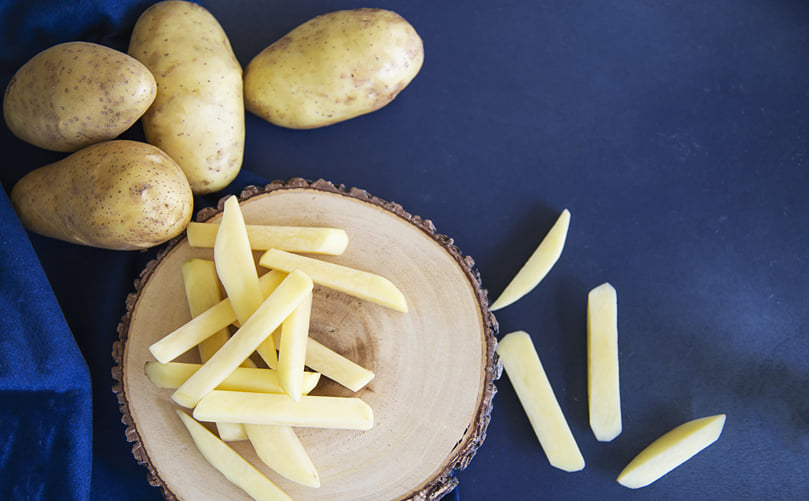
Choosing the Perfect Potato for Perfect Fries
Nutritional Profile of Frozen French Fries
A 100g oven-baked serving of frozen French fries provides approximately 224 calories, including 15g of fat (2g saturated), 295mg sodium, 20g carbohydrates (2.5g fiber, 1g sugars), and 2.5g protein. It also delivers 410mg potassium (9% DV), 6mg vitamin C (7% DV), and trace amounts of vitamin B6 and antioxidants like carotenoids. Freezing enhances the resistant starch content to 9.13%, which supports gut health.
A 71g serving provides roughly 222 calories and 13% of daily vitamin C. Nutritionally enhanced options include fiber-enriched coatings (3–4g fiber) and low-oil versions (10–12g fat), while some markets offer fortified products with added iron.
Health Impacts
When consumed in moderation, frozen fries contribute beneficial nutrients like potassium and dietary fiber. However, excessive consumption—such as three servings per week—can increase the risk of diabetes by approximately 20%, largely due to acrylamide formation during frying.
Studies have shown that moderate intake, such as 300 kcal/day over 30 days in 180 adult participants, did not significantly affect body weight or blood sugar levels. Processing and cooking methods can mitigate risks: freezing at –10°C reduces acrylamide levels by 20–30%, and air-frying lowers oil content by 25%.
Additional strategies for healthier fries include low-sodium formulations (150–200mg per serving) and herb-infused variants using ingredients like rosemary or turmeric, which add antioxidants. Portion control and pairing fries with vegetables further minimize potential health risks such as hypertension.
How Frozen French Fries Are Made
Producing frozen French fries is a marvel of food engineering, a multi-stage, automated process handling 100-3,000 kg/hour and delivering products stable for 12-18 months at -18°C. Advanced technologies ensure efficiency, sustainability and quality. Below is a detailed breakdown, with highlighted production methods showcasing global innovations.
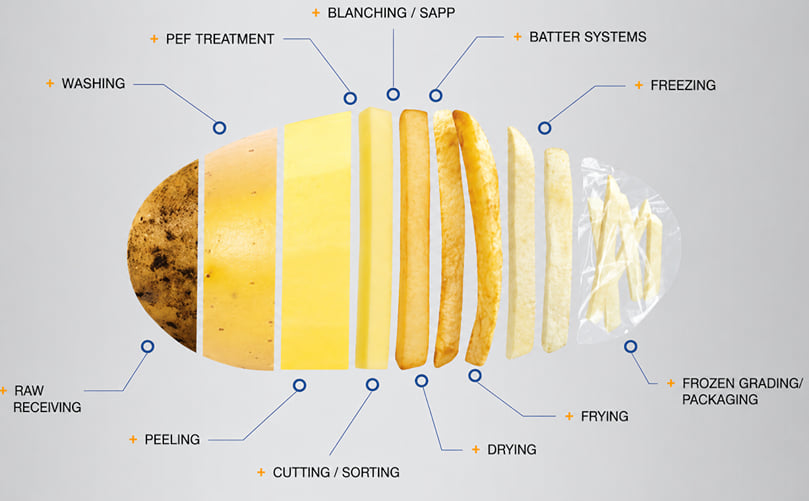
Farm to Freezer: How Frozen French Fries Are Made
Pre-Processing: The First Step to Superior Frozen Fries
Sorting and grading begin with optical and mechanical sorters, separating potatoes by size, shape and defects such as greening or rot. Automated lines reject undersized tubers (<50 g) or oversized ones (>120 g) to ensure uniformity. Washing is done using high-pressure sprays or immersion tanks to remove soil, often with recycled water for efficiency.
Peeling methods include steam peeling, which uses 90-second bursts at around 100°C for about 95% peel removal with minimal waste, and abrasive dry peeling for tougher skins. Steam peeling preserves more flesh, reducing yield loss to under 15%.
Blanching: The Science Behind Perfect Fry Texture
Blanching serves to inactivate enzymes such as polyphenol oxidase, preventing oxidative browning and off-flavors in frozen fries. It also gelatinizes surface starches to improve structure and reduces surface sugars to control color during frying. Typical blanching times range from 60–90 seconds, with an initial short dip at 60–70°C, followed by a longer stage at 85–95°C for complete enzyme inactivation. Temperatures below 70°C risk incomplete enzyme kill, while temperatures above 100°C can cause cell rupture and mushiness.
Enzyme inactivation reaches nearly 99% at 90°C for 1–2 minutes, preserving natural potato inhibitors. Color control is enhanced by adding sodium acid pyrophosphate (0.5%) to the blanch water, stabilizing pigments and producing a light golden color. Blanching also leaches excess sugars, reducing levels by 20–30% and minimizing acrylamide formation during frying.
Texture is improved by firming pectin, which lowers oil uptake during par-frying by about 15%. Dual-tank systems are commonly used—the first tank focuses on sugar removal, and the second ensures full enzyme inactivation. Post-blanch cooling in ice water stops cooking and helps maintain internal structure.
Drying & De-Watering: Shaping the Perfect Fry Crunch
Drying removes surface moisture after blanching using centrifugal spinners or air blowers, reducing water content by 50–70% to prevent splattering in fryers. This step minimizes hydrolytic fat breakdown, extending oil life by about 20%. Its impact on texture is significant: proper de-watering creates a crispier exterior by enabling even crust formation during par-frying. Insufficient drying leads to higher oil absorption, increasing final fat content by 5–10%.
Air drying at 40–60°C for 2–5 minutes evaporates free surface water without over-drying the core, preserving internal fluffiness. Centrifugal drying methods spin at 800–1,200 RPM for about 30 seconds, achieving uniform moisture reduction. This process lowers the frying load, cutting energy usage by roughly 15% and improving line throughput.
Texture improvements include reduced sogginess, with shear-force tests showing up to 25% greater crispness. Oil absorption drops as surface pores seal more quickly, reducing fat uptake. However, over-drying can cause cracking, so processors maintain a target post-drying moisture of 65–75%. Overall, this efficient stage bridges blanching and frying, optimizing both quality and cost.
Par-Frying: The Secret Step That Makes Fries Irresistibly Crispy:
Par-frying partially cooks French fries in hot oil at 160–190°C for 30–90 seconds, forming a thin crust that locks in moisture. This temperature range ensures proper starch gelatinization without over-browning, with 175°C considered ideal for developing a uniform golden color.
The exact frying duration depends on the cut size. Shoestring fries require a shorter exposure, typically around 20–40 seconds, while thicker cuts like wedges need closer to 60–90 seconds to achieve the desired crust and an oil uptake of about 5–8%. This early crust forms a protective barrier, reducing final oil absorption by up to 40% during finish-frying.
Oil quality plays a major role in this stage. Filtration every 4 hours and maintaining free fatty acids below 0.5% help prevent rancidity, while stable oils such as palm or sunflower oil are preferred for high-temperature processing. Continuous fryers equipped with vibratory feeders ensure even exposure to heat, preventing hotspots that can cause uneven coloring.
After par-frying, the fries are cooled to around 40°C to stop further cooking and avoid clumping. Light Maillard reactions during this step enhance flavor and contribute subtle umami notes. With nearly 60% of the final texture developed during par-frying, this stage is crucial in delivering the signature crispiness consumers expect.
IQF Freezing: The Technology That Locks in Freshness, Texture & Shelf Life
IQF (Individual Quick Freezing) is the gold-standard technology for preserving frozen French fries with maximum quality. In this process, fries are rapidly frozen at –30 to –40°C using fluidized-bed tunnels where powerful jets of cold air suspend and separate each piece. This ultra-fast freezing forms microscopic ice crystals that protect potato cell walls, unlike slow freezing which creates large crystals that rupture cells and make fries soggy after cooking.
During IQF freezing, fries travel on high-speed conveyor belts (200–300 m/min) and reach a core temperature of –18°C within just 5–10 minutes. This ensures uniform freezing from the outside to the center. IQF is far superior to block freezing because each fry remains separate it prevents clumping, allows precise portioning, improves product handling and reduces wastage by nearly 10%.
The technology also preserves nutritional quality. Because freezing is so rapid, up to 90% of vitamin C and other heat-sensitive nutrients are retained, compared to around 70% with conventional freezing. For premium or specialty products, cryogenic freezing with liquid nitrogen (–196°C) is used, achieving extremely fast freezing rates and even better texture retention.
Moisture control is a key objective in IQF. The process maintains internal moisture at 65–70%, which ensures a soft, fluffy interior when cooked while preserving the integrity of the outer crust. Modern IQF systems also incorporate energy-efficient features such as heat-recovery modules, reducing overall power consumption by up to 20%.
After freezing, fries pass through vibration separators, optical sorters and metal detectors to ensure uniformity, remove defects and maintain safety. The final product achieves a shelf life of up to 24 months without loss of quality, flavor or crispness.
By locking in freshness at lightning speed, IQF ensures that frozen French fries deliver consistent, restaurant-style crispiness every time they’re cooked whether in deep fryers, air fryers or ovens.
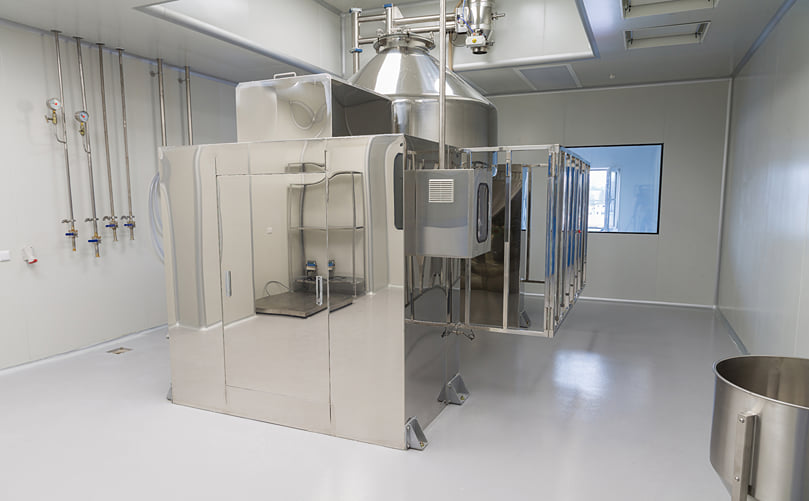
IQF Freezer: Precision Freezing Technology
Smart Packaging: The Final Shield Protecting Frozen Fries
Packaging materials for frozen fries rely on multi-layer polyethylene films integrated with EVOH barrier layers to control oxygen and moisture transmission. These high-barrier structures, typically 12–15 mil thick, play a critical role in preventing freezer burn by blocking sublimation and minimizing dehydration. Many manufacturers use metallized layers to reflect radiant heat and strengthen thermal protection.
To extend freshness, MAP (Modified Atmosphere Packaging) is widely adopted, often using a blend of 70% nitrogen and 30% carbon dioxide. This controlled atmosphere slows oxidation and microbial growth, boosting shelf life by nearly 20%. Vacuum packaging is another option, sealing packs at 50–100 mbar to remove trapped air and produce compact, burn-resistant packs ideal for bulk or export use.
Seal strength is essential for long-term stability. Heat-sealing is performed at 140–160°C, ensuring hermetic closure. Manufacturers routinely perform leak detection and seal-integrity tests to eliminate weak seams or micro-leaks. For retail convenience, 1–5 lb portion packs use resealable zippers, while large-scale operations and food service rely on 50 lb corrugated cartons with inner liners.
Sustainability is becoming a major focus, with bio-based films such as PLA reducing overall plastic usage by up to 30%. Some brands are adopting partially recyclable laminates and recycled-content cartons to meet environmental standards.
All packaging steps are automated through high-efficiency form-fill-seal (FFS) lines, delivering up to 99% uptime for continuous production. Labels follow FDA guidelines, including nutrition facts, allergen statements, storage instructions, and cooking methods.
In the end, smart packaging ensures frozen fries remain fresh, crisp, safe and high-quality from factory to the consumer freezer.
Cold Storage and Distribution of Frozen French Fries
The ideal storage temperature for frozen French fries is –18°C or below, which halts microbial growth and preserves texture. Temperature fluctuations above –15°C can accelerate ice recrystallization, reducing crispiness by up to 15%.
Maintaining an unbroken cold chain is critical. Refrigerated trucks operating at –20°C with GPS-monitored shipments ensure product integrity during transport. Distribution hubs utilize automated racking systems and FIFO (First In, First Out) inventory management to minimize dwell time and prevent stock degradation.
At a constant –18°C, the shelf life of frozen fries ranges from 12 to 24 months, but it drops to around 6 months if the cold chain is disrupted. Humidity control at 85–90% RH prevents desiccation, while quality inspections every three months monitor off-odors, clumping or texture changes.
For global logistics, sea freight in reefer containers allows shipments of 20 tons per load, ensuring efficient bulk distribution. Proper training of handlers prevents over-stacking and product damage, maintaining up to 95% integrity of fries from factory to consumer.
These measures ensure that frozen fries reach retailers and homes in optimum quality, preserving flavor, texture, and nutritional value.
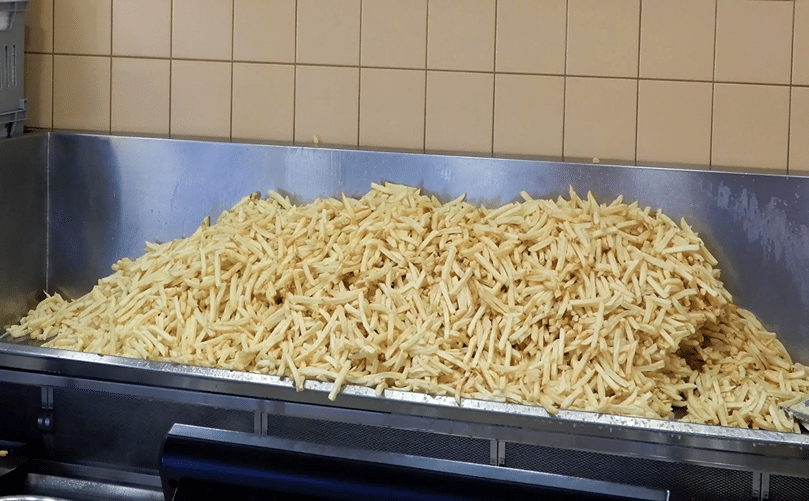
Ensuring Quality Through Proper Frozen Fry Storage
Final Cooking Methods: Bringing Frozen Fries to Their Best
Deep frying at 175–190°C for 2–4 minutes delivers the crispiest and most flavorful fries, as full oil immersion ensures uniform browning and rapid crust formation. This method produces the highest texture scores shear force readings can be up to twice that of other methods but it also increases final oil content by about 15%.
Air frying at 200°C for 10–15 minutes uses only a teaspoon of oil, reducing calories by nearly 70% while still achieving around 80% of the crunch of deep-fried fries. It also preserves nutrients better, with 48% less moisture loss, resulting in lighter, fluffier interiors.
Oven baking at 220°C for 20–25 minutes, especially on a wire rack, improves airflow and promotes more even crisping, though the interior tends to stay softer than in fried options. This method works well for larger batches but can produce uneven browning without periodic flipping.
Pan frying offers a middle ground, mimicking deep frying with far less oil. It typically takes 8–10 minutes over medium-high heat and produces a moderately crisp exterior without excessive greasiness.
Across all methods, shaking or flipping the fries midway improves uniformity. Coated fries perform especially well in air fryers and ovens, retaining crispness 30% longer due to their enhanced surface structure.
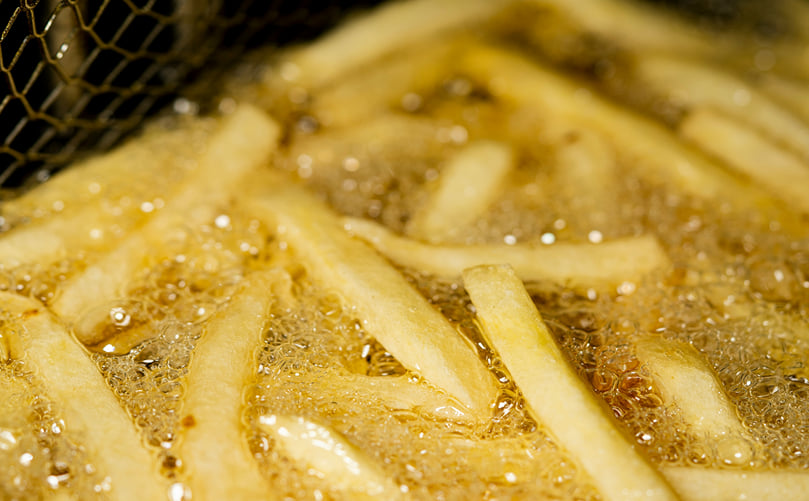
Final Frying Stage for French Fries
Ultimately, the ideal method depends on the eater’s priorities:
- Deep frying for maximum crunch and indulgence
- Air frying for a healthier, lower-fat option
- Oven baking for convenience and batch cooking
Quality Parameters: Ensuring the Perfect Frozen Fry
Color quality in frozen French fries is primarily assessed using the L* value (lightness), with an ideal range of 50–70 to achieve a uniform golden appearance. Values below this range suggest excessive browning caused by high reducing sugars. Texture evaluation focuses on both exterior crispiness measured through acoustic shear tests, where crisp fries show peak intensities above 10 dB and interior fluffiness, monitored through compression tests where a core yield above 60% indicates the desired soft interior.
Oil content is another critical parameter. After par-frying, fries should contain 4–8% oil, rising to below 12% after final cooking. This is typically monitored through solvent extraction methods. Moisture content should remain in the 60–70% range to maintain the balance between a crisp exterior and a tender interior; excess moisture causes steaminess, while too little leads to a dry texture.
Uniformity is vital for industrial-grade fries. Premium batches maintain less than 5% variation in length and under 2% visible defects, including bruises, black spots, or discoloration. For USDA Grade A, clusters must achieve 90% compliance in both color and cut consistency. Sensory panels further validate quality, with top-tier products scoring above 7 on a 9-point hedonic scale.
Defects such as hollow centers kept below 1% often result from inadequate blanching or poor raw material selection. Modern processing lines use inline NIR spectrometers to monitor sugar levels, moisture and color in real time, ensuring continuous control over product quality. Together, these parameters ensure consistent consumer satisfaction and support premium market pricing.
Safety & Regulatory Compliance in Frozen Fries
Ensuring the safety of frozen French fries begins with HACCP (Hazard Analysis and Critical Control Points), which identifies key stages such as peeling a CCP for potential contaminant entry and frying, critical for pathogen reduction. Acrylamide formation, a chemical concern, arises at temperatures above 120°C and is managed by using low-sugar potatoes and maintaining frying times under 3 minutes, targeting levels below 500 µg/kg.
Food safety during processing relies on strict Good Manufacturing Practices (GMPs), including audits to prevent allergen cross-contact. Compliance with regulations such as EU Regulation 2017/2158 mandates acrylamide mitigation, often through asparaginase enzyme treatments. Metal detectors installed at the cutting stage prevent foreign fragment contamination, while oil quality is continuously monitored to keep polar compounds below 25%, ensuring safe frying.
Employee training emphasizes hygiene practices to prevent microbial contamination, including Listeria control in freezers. Validation studies confirm that blanching achieves 5-log pathogen reductions, further safeguarding the product. Advanced traceability systems, including blockchain, allow for rapid recalls within hours if necessary.
Collectively, these safety and regulatory measures maintain a zero-tolerance approach to hazards, ensuring frozen French fries meet both legal standards and consumer expectations for quality and safety.
Global Consumer Demand for Frozen French Fries
The global consumer demand for frozen French fries, currently valued at approximately USD 18–19 billion, is projected to reach USD 30.2 billion by 2032, growing at a CAGR of 5.9%. In the United States, sales rose 14.6% between 2023 and 2024, driven by increased adoption of air fryers, now used in about 60% of households, highlighting the trend toward healthier, convenient cooking methods.
Asia-Pacific is a rapidly expanding market, fueled by urbanization and rising fast-food culture. China reported a 20% spike in consumption, while India’s quick-service restaurant (QSR) sector drives demand for frozen fry varieties in both retail and foodservice channels.
In Europe, consumers increasingly prefer sustainable and traceable fries, with demand for clean-label and organic options rising steadily. Latin America and Africa are also seeing strong growth, with annual increases of 15–18%, supported by the proliferation of QSRs and expanding urban populations.
Flavor innovation is shaping consumer preferences globally, with ethnic-inspired varieties like tikka masala and kimchi fries gaining popularity. Meanwhile, organic and clean-label options cater to health-conscious buyers. Growth in food delivery services and e-commerce channels sustains a 4.2–5.26% CAGR, while snack-size packs appeal to diverse consumer groups, including millennials and Gen Z.
Overall, global consumer demand is being driven by convenience, health trends, flavor diversity, and sustainable sourcing, ensuring continued market expansion for frozen French fries.
Product Types & Variants of Frozen Fries
Uncoated fries offer the pure potato flavor, making them ideal for classic seasoning after cooking. Coated or batter-coated fries use starch-based slurries to enhance crunch and help the fries retain their shape up to 20% longer under heat lamps, making them suitable for foodservice display.
Spicy and flavored varieties incorporate seasonings such as paprika, garlic or truffle, applied through post-fry dusting or marinades to deliver unique taste experiences. Cut styles cater to different textures and preferences: thick-cut fries (around ½ inch) provide a soft, mealy interior, while shoestring fries (1/8 inch) maximize exterior crispiness. Specialty shapes like waffle cuts increase surface area for dipping and curly or spiral fries offer fun, visually appealing textures.
Sweet potato fries address health-conscious trends with lower glycemic indices and gluten-free batters expand accessibility for those with dietary restrictions. Premium lines, such as herb or seasoning-infused variants, target clean-label and gourmet consumers.
Overall, each product type is designed to meet specific market niches, from quick-service restaurants (QSRs) to retail frozen food shelves, offering options for taste, texture and dietary preference.
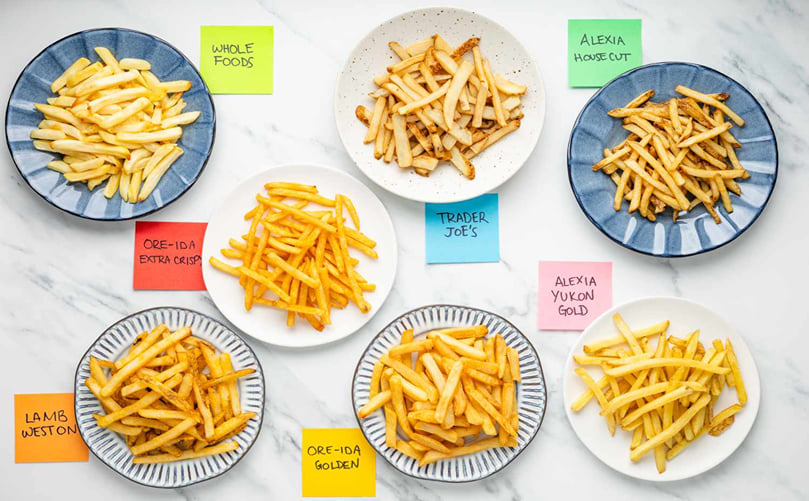
A Visual Guide to French Fry Varieties
Common Processing Challenges in Frozen French Fries
Frozen French fry production faces several technical and quality-related challenges that must be carefully managed to ensure consistent output and consumer satisfaction. One key issue is cold-induced sweetening, which occurs when potatoes are stored at around 4°C, leading to elevated reducing sugar levels. This can cause excessive browning during frying, producing dark, unappealing fries. The problem is typically mitigated by reconditioning the potatoes at 10–15°C for 2 weeks, allowing sugars to balance before processing.
Browning caused by residual enzymes is another common concern. Inadequate blanching can leave polyphenol oxidase or other enzymes active, resulting in discoloration and off-flavors. Remedies include properly timed blanching or ascorbic acid dips, which stabilize color and maintain visual appeal.
Oil degradation is a persistent issue in continuous frying systems. Oxidation and polymerization shorten oil life, affect fry flavor, and create off-odors. Incorporating antioxidants such as TBHQ can extend oil stability by up to 50%, while regular filtration and monitoring of free fatty acids maintain consistent quality.
Texture inconsistencies, like soggy or unevenly cooked fries, often arise from over-blanching or poor moisture control. Precise process timing, optimal blanch temperatures and effective drying/de-watering steps help preserve the signature crisp exterior and fluffy interior. Similarly, clumping in frozen fries is caused by moisture bridging during storage or handling. IQF technology combined with anti-caking agents ensures individual fry separation and reduces wastage.
Variability in raw potato lots differences in size, shape, sugar content and dry matter can lead to uneven cutting and inconsistent fry quality. Automated sorting, grading and optical inspection address this issue, ensuring uniformity in industrial batches. High-sugar batches may also produce acrylamide spikes, which are managed through enzyme treatments (asparaginase) or optimized blanching regimes.
Finally, energy efficiency in fryers can present operational challenges. Poor heat recovery or inadequate insulation can cause spikes in energy consumption, affecting both costs and fry consistency. Upgrading insulation and implementing energy recovery systems helps maintain temperature stability and reduces operational expenses.
By proactively addressing these challenges through careful raw material selection, process control and equipment optimization manufacturers can ensure consistent, high-quality fries that meet both sensory and safety standards.
Sustainability & By-Product Utilization in Frozen Fries
Sustainability in frozen French fry production focuses on resource efficiency, waste reduction and circular economy practices. Water usage is optimized by recycling up to 80% of wash water through closed-loop systems, reducing consumption to 2–3 liters per kilogram of potato. Energy-efficient steam peelers incorporate heat recovery systems, saving around 30% energy, which can power auxiliary operations or biomass plants.
Potato peels and other processing by-products normally 15–20% of raw material are transformed into valuable resources. Peels are used in biogas generation, supplying electricity for processing plants or incorporated into animal feed, decreasing landfill contributions by up to 90%. Innovative upcycling further converts peel fibers into eco-friendly packaging materials, moving toward a near-zero-waste goal.
Solar-powered freezers and energy-efficient storage reduce the carbon footprint by approximately 25%, while closed-loop frying oil systems extend oil life by three times through continuous filtration and regeneration. On the sourcing side, certifications like Rainforest Alliance ensure that potatoes come from environmentally and socially responsible farms.
Together, these sustainability initiatives not only minimize environmental impact but also enhance operational efficiency, reinforce brand value and align frozen fry production with global green and circular economy initiatives.
Global Frozen French Fries Market Overview
The global frozen French fries market is valued at approximately USD 25.7 billion in 2025 and is slated to reach USD 39.9 billion by 2035, with a projected CAGR of 4.5%, indicating steady growth in the coming years. North America remains the largest market, holding about 40% share, driven by strong fast-food culture and high per-capita consumption. Europe follows closely, with a focus on premium, organic and specialty variants.
Emerging markets in Asia-Pacific are experiencing rapid expansion at over 6% CAGR, fueled by urbanization, increasing disposable income and growing adoption of fast-food culture. Consumer trends are shifting toward air-fryer compatible products, which have seen sales growth of up to 25% due to their lower oil content and perceived health benefits.
Flavored fries, including sriracha, cheese and herb-infused varieties, now capture roughly 15% of the market, reflecting demand for innovative taste profiles. Clean-label options, featuring non-GMO ingredients and minimal additives are growing at 8% annually, as consumers increasingly seek transparency and healthier choices. E-commerce platforms have boosted retail-pack sales by 20%, making frozen fries more accessible to home cooks. Sustainability-focused organic lines are also gaining traction, representing about 10% of market share.
Leading companies shaping the industry include:
- McCain Foods (Canada) – known for a global supply chain and innovative coatings
- Lamb Weston (USA) – leader in premium cuts serving major QSR chains
- J.R. Simplot (USA) – high-volume production with integrated potato farming
- Aviko (Europe) – specializes in diverse shapes and flavors
- Farm Frites (Netherlands) – excels in sustainable practices across international markets
These top players collectively control over 60% of production, setting quality benchmarks and driving R&D innovations. The sectors resilience is further supported by convenience demand, with quick-service restaurants accounting for around 50% of total consumption globally.
Future Innovations in Frozen French Fries
The frozen French fries industry is embracing technological and nutritional innovations to meet evolving consumer demands. Low-oil fries now utilize hydrocolloid-based coatings, reducing oil absorption by up to 50%, resulting in healthier products without compromising taste. Advanced coatings such as CMC gels improve crispness in air fryers and extend holding times under heat lamps by 40%, enhancing both quality and convenience.
Freezing technology is evolving with cryogenic hybrid systems capable of reaching –50°C rapidly, preserving up to 95% of nutrients and maintaining superior texture. Novel potato varieties, including gene-edited strains with ultra-low sugar content (<0.1%), help reduce acrylamide formation by up to 70%, improving both safety and consumer appeal.
AI-driven processing lines are being implemented to predict defects, optimize cutting and boost yield by 15%, while plant-based oils from algae offer greater oxidation resistance and longer frying life, aligning with sustainability goals.
Smart packaging equipped with QR codes and traceability systems engages consumers with product origin, nutritional data and cooking tips. Meanwhile, 3D-printed fries and custom shapes are emerging for novelty, premium and gourmet applications.
Collectively, these innovations point toward a future of frozen fries that is healthier, more sustainable and technologically advanced, promising superior quality and consumer satisfaction in the years ahead.