
Frozen Potato Specialties: A Global Staple Redefined
Frozen potato specialties are a cornerstone of global cuisine, transforming the humble potato into convenient, versatile and nutritious products that grace menus from fast-food chains to home kitchens. From classic French fries to innovative tater drums and lattice cuts, these products are crafted through advanced processing and rapid freezing to preserve texture, flavor and nutritional value.
As a staple driving economic growth and culinary innovation, frozen potatoes embody advancements in food science, sustainability and consumer trends. This comprehensive overview, drawing on industry reports, scholarly research and insights from key institutions, explores their journey from field to freezer, their diverse applications, cultural significance, technological advancements and promising future.
Explore the world of frozen potato specialties by clicking the links below to learn more about product varieties, processing, uses and industry trends.
The Journey of Potatoes: Innovation Meets Convenience
From Field to Freezer: The Life of Frozen Potatoes
Frozen potato specialties from classic straight-cut and crinkle fries to lattice cuts, curls and wedges begin their journey in carefully managed agricultural systems. High–dry-matter, low-sugar potato cultivars such as Russet Burbank are grown in nutrient-rich soils like Idahos volcanic loams or the sandy, well-drained fields of Belgiums Flanders region. These growing environments help achieve optimal dry matter (18–22%) and reducing sugars below 0.2%, preventing dark fry color and acrylamide formation. Sustainable farming practices such as precision irrigation, crop rotation and soil monitoring reduce water use by up to 30% and ensure healthy tuber development.
Modern potato processing plants use highly automated systems, AI-driven inspection, energy-efficient machinery and strict food safety standards (HACCP, ISO 22000) to convert raw potatoes into consistent, safe and high-quality frozen products consumed worldwide.
The production proces is a marvel of precision and technology, involving the following key steps:
Harvesting and Selection: Harvest timing is crucial. Potatoes are harvested too early contain excess sugars that lead to dark coloration during frying, while late harvest increases the risk of storage rot. After harvesting, tubers are cured in ventilated sheds for 2–4 weeks to heal superficial injuries and stabilize moisture.
Once delivered to the factory, advanced optical sorting technologies including hyperspectral imaging are used to detect both external and internal defects such as hollow heart with up to 99% accuracy, ensuring that only premium, structurally sound tubers proceed to the next stage.
Washing and Peeling: Potatoes are washed thoroughly using high-pressure water flumes to remove soil and debris. Most factories use closed-loop water recycling systems, reducing water consumption to about 1–2 liters per kilogram, supporting sustainability commitments. Steam peeling is the preferred method due to its high peel-removal efficiency and minimal nutrient loss. It is faster, cleaner and avoids the effluent issues associated with chemical lye peeling.
Cutting and Shaping: Peeled potatoes are cut into standard or specialty shapes using water-jet knives or high-speed blades. Crinkle cuts use corrugated blades that increase surface area for improved oil absorption and crispiness. During this stage, the rinse water from cutting contains significant starch, which is recovered and repurposed. Many processors convert this starch into biofuel or industrial starch, reducing waste and lowering the carbon footprint of production.
Blanching: Blanching is a critical heat-treatment step. A dual-stage blanch for example, an initial 60°C phase followed by a 90°C phase ensures complete enzyme inactivation, preventing browning and improving color stability. Calcium salts such as calcium chloride (CaCl₂) may be added to strengthen cell walls. This enhances firmness and improves the crispiness and structural integrity of the final fried product.
Par-Frying (Optional): Par-frying is common for products such as straight-cut, crinkle and shoestring fries. It involves a short frying step at 160–180°C for 30–90 seconds, forming a thin crust that improves color, flavor and final crispiness. However, some products such as wedges or oven-ready lines skip par-frying. Oil quality is continuously checked using peroxide value (PV) and free fatty acid (FFA) tests to ensure freshness, stability, and compliance with food safety standards.
Cooling and Drying: After blanching or par-frying, fries are quickly cooled with high-velocity air to stabilize structure and prevent overcooking. Vibratory conveyors are used to prevent breakage, ensuring gentle movement of the fragile, partially cooked pieces. For par-fried products, de-oiling centrifuges remove excess surface oil, reducing total fat content and creating healthier options.
Individual Quick Freezing (IQF): The cooled pieces are frozen individually using fluidized-bed or cryogenic IQF systems. Cryogenic freezers using liquid nitrogen can reach –50°C core temperature in less than 3 minutes, preserving product shape, nutrients and cellular structure. IQF is typically the most energy-intensive step in the entire line, prompting many large processors to adopt solar arrays, heat-recovery systems or high-efficiency compressors to reduce energy consumption.
Packaging: Frozen fries are weighed, inspected and packed in multilayer moisture and oxygen-barrier packaging. Nitrogen flushing and vacuum sealing are used to prevent oxidation, freezer burn and textural degradation. Smart packaging with QR codes allows consumers and retailers to track the batch, farm origin and recommended cooking instructions. This enhances transparency and supports traceability systems required by global food safety regulations.
Sustainability efforts, such as wastewater starch recovery and peel to biofuel conversion, promoted by the American Frozen Food Institute (AFFI), reduce environmental impact. In China, the worlds largest potato producer (93 million tons in 2023), frozen French fry output reached 1.27 million tons, driven by imported automation, reflecting global scalability.
Types of Frozen Potato Specialties
Frozen potato specialties are incredibly versatile, catering to diverse culinary needs across global menus:
Loop or Curly Fries: Spiraled for visual appeal and batter coated for crispiness, these fries are popular in premium kids’ menus and fast food settings. Their unique shape allows for extended hold times, maintaining quality in high volume environments.
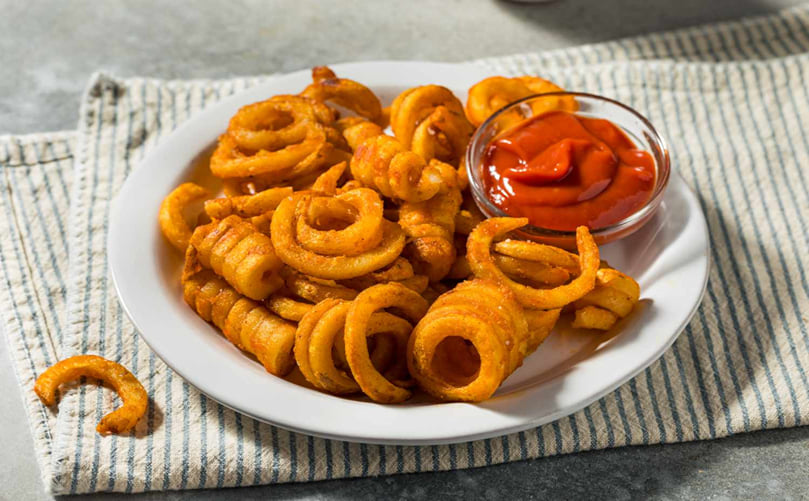
Curly or loop fries put a literal twist on frozen fries and their fun shape makes them a consumer favorite often commanding a premium price
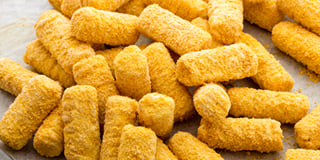
Tater Drums: Grated, cylindrical nuggets similar to tater tots, tater drums offer a crispy exterior and soft interior, ideal for kids meals and snacks. Their compact shape ensures versatility as a side dish or appetizer in family dining settings.
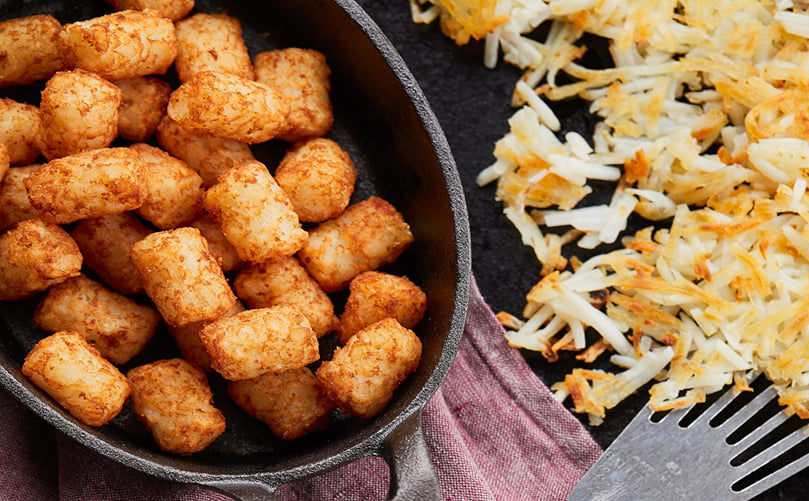
Tater tots, also called potato tots or potato puffs are grated potatoes shaped into cylinders, delivering a delightful blend of nostalgia and culinary creativity. Their crispy exterior paired with a fluffy potato interior creates a unique and irresistible texture contrast.
Crinkle-Cut Fries: Featuring a ridged design, these fries enhance texture and oil absorption, making them perfect for dipping sauces in casual dining. They consistently exceed USDA length standards, delivering a premium product for consumers.
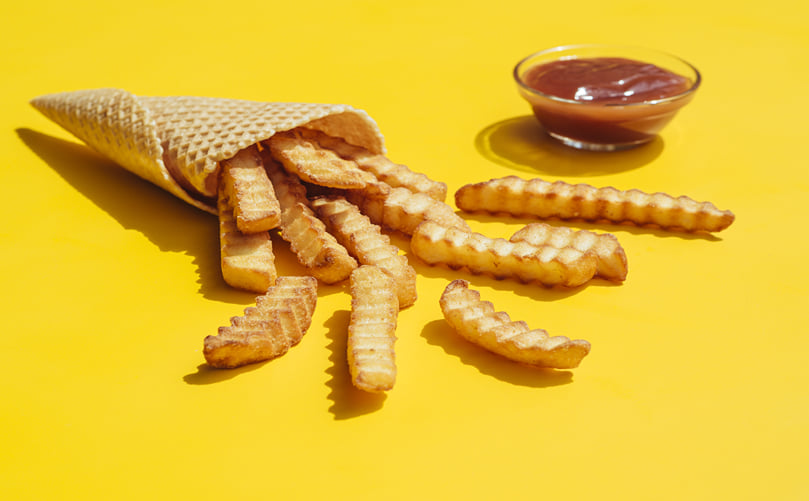
Crinkle fries bring a fresh twist to a classic favorite, with their wavy cut delivering extra crunch and an irresistible potato flavor
Frozen Straight-Cut Fries: These long uniform strips are a classic choice for burger sides and global cuisines, often available in coated, seasoned or plain varieties to suit diverse palates. They meet premium extra-long fancy grades, making them a favorite in fast-food chains and high end restaurants.
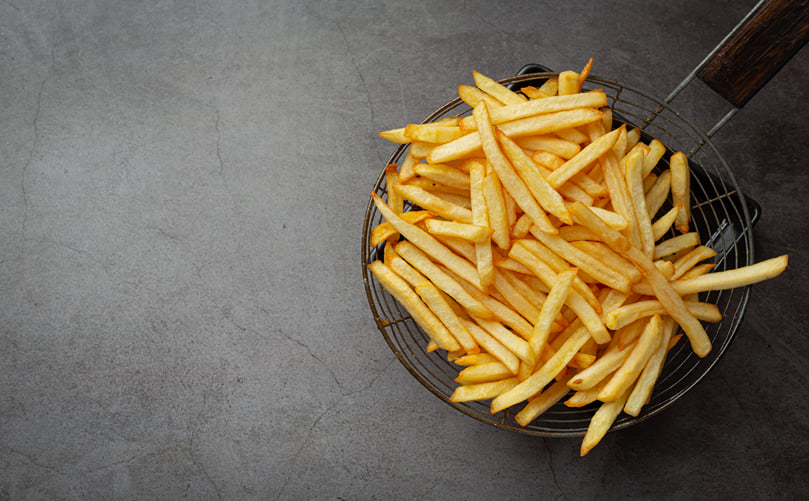
Frozen straight cut fries come in different coatings and seasonings that boost flavor and extend holding time. For the best yield per case, choose Extra Long or Extra Long Fancy fries.
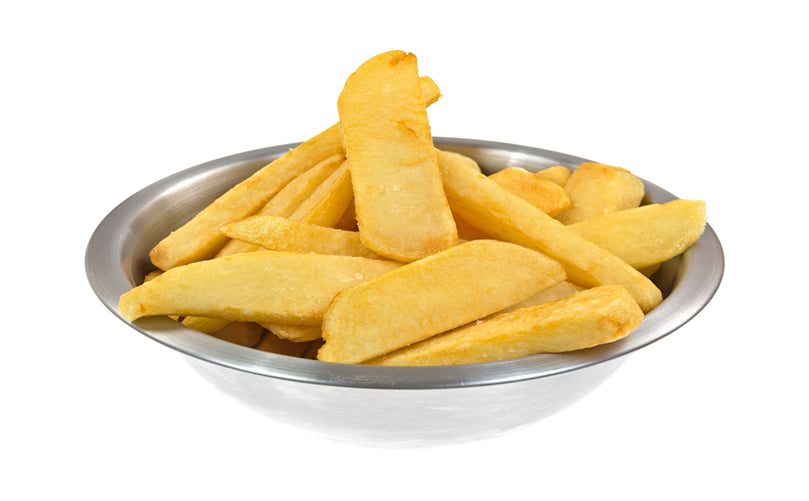
Frozen Wedges: Thick, triangular cuts deliver robust potato flavor, ideal for oven-baked meals or as pizza toppings. Often herb-seasoned, they are a popular choice for home delivery and hearty, rustic dishes.
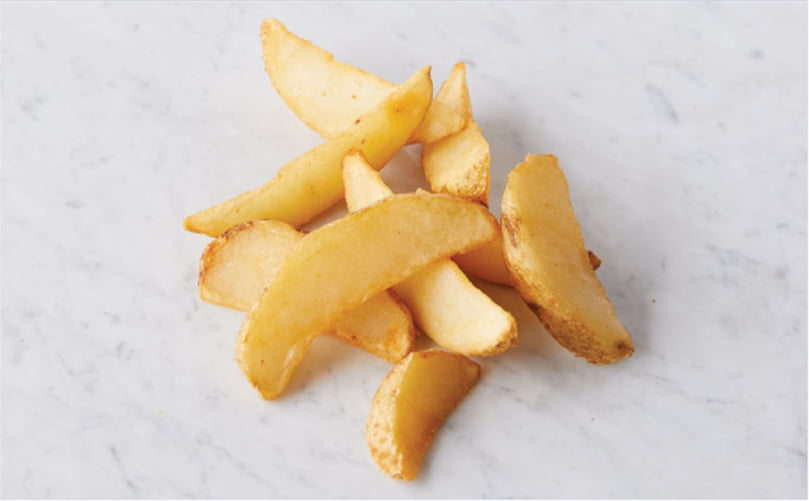
Want more potato in every bite? Frozen wedges bring a thicker cut, richer flavor and a natural match for all kinds of dipping sauces
Lattice or Basket-Weave Cuts: Criss-cross sliced rounds serve as appetizers with loaded toppings, sometimes cheese filled or spiced. Their intricate design adds a gourmet touch to restaurant menus and catering.
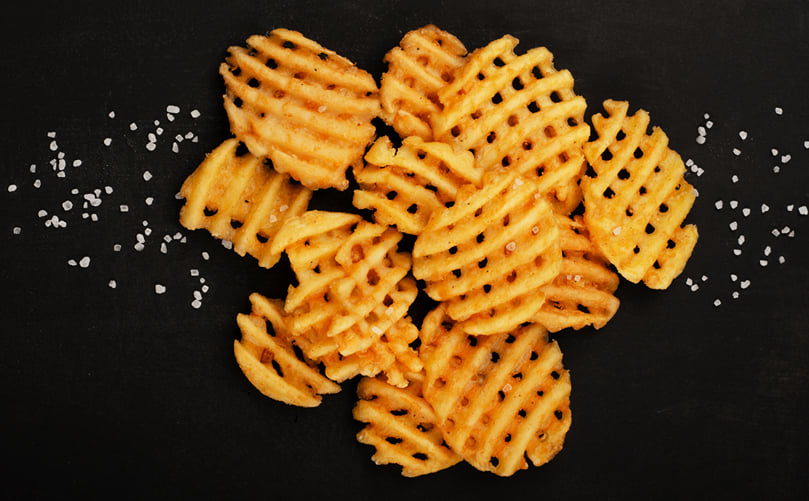
Criss cut fries also called waffle, lattice or basket weave are instantly recognizable for their distinctive crosshatch pattern. With tailored batters and seasonings, they become a one of a kind menu favorite.
Frozen Half Shells: Pre-baked and frozen potato halves are perfect for loaded toppings like cheese or bacon, offering convenience for restaurants. They provide a portion controlled base for hearty meals or appetizers.
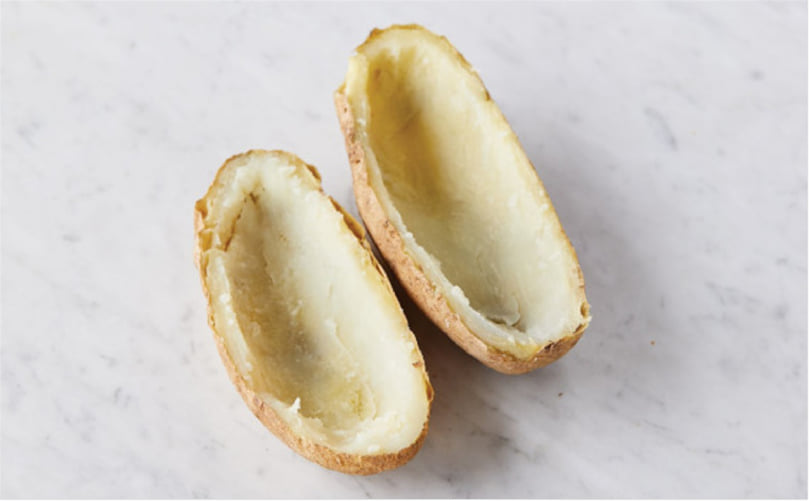
Frozen potato half shells are prebaked and quick frozen, offering a convenient, wholesome base for countless recipes. Their uniform size ensures reliable portion control every time.
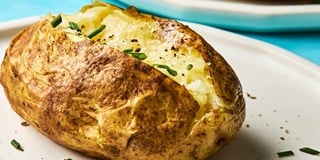
Whole Frozen Baked Potatoes: Pre-baked and frozen whole, these potatoes are ideal for quick preparation with toppings or as a meal base. They cater to both home cooks and foodservice providers seeking efficiency.
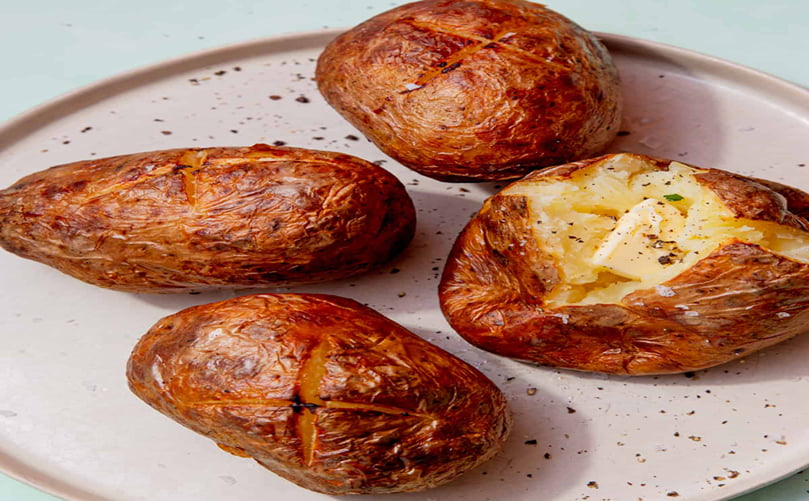
Frozen bakers offer the fresh potato taste customers love, paired with the convenience kitchens need. Choose from multiple sizes to match portions and plating styles
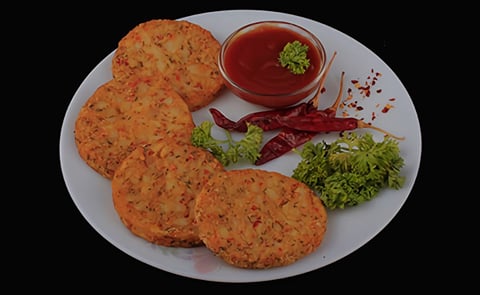
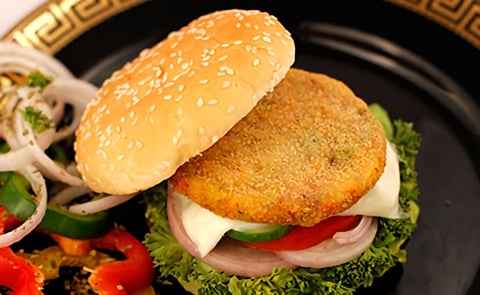
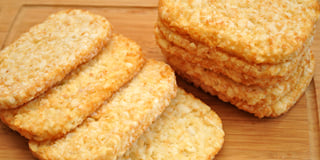
IQF Hash Brown Patties: Shredded and formed into patties, these are frozen individually for easy portioning and are staples in breakfast platters. Their golden brown exterior adds appeal to morning menus and casseroles.
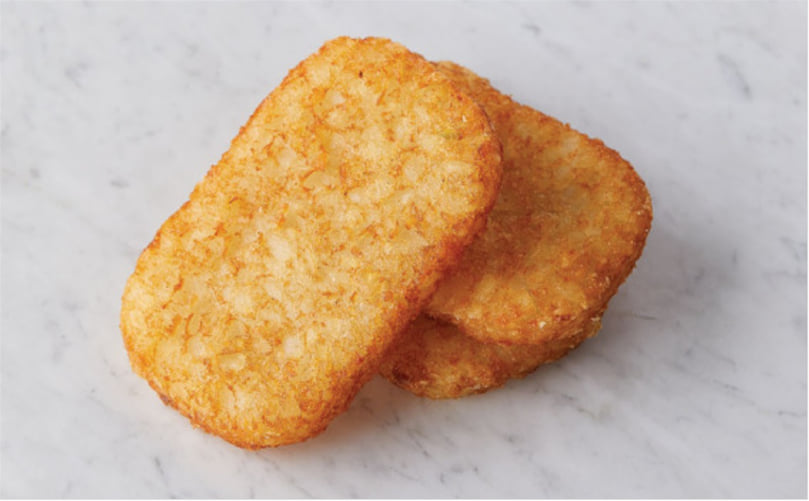
IQF hash brown patties transform shredded potatoes into a ready to use format that requires no thawing. The patty design simplifies prep and serving, while smaller versions like coins and rounds add versatility and inspire fresh menu creations.
Frozen Mashed Potatoes: Pre-cooked and portioned, these are convenient for soups, salads or dairy free instant sides. They meet consumer demand for quick, customizable meal solutions in home and professional kitchens.
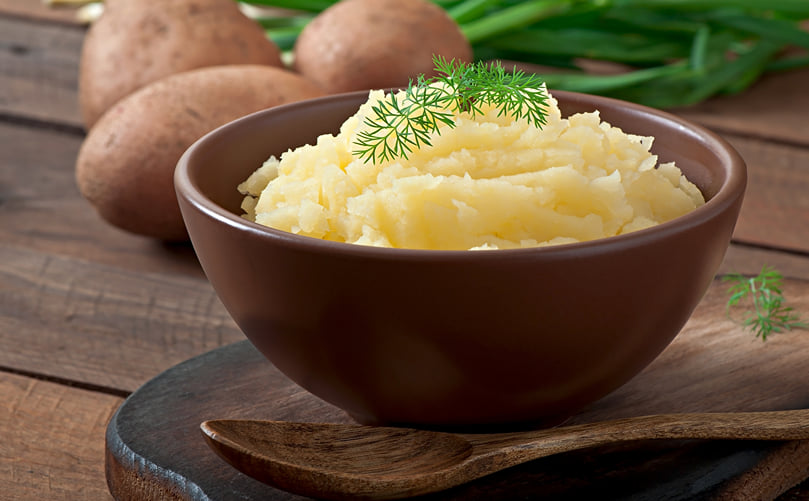
Frozen mashed potatoes deliver all the comfort of classic mash without the preparation no washing, peeling or mashing required. Nutritious and versatile, they are the perfect side for any entree and can be prepared quickly in any quantity.
Dehydrated Frozen Dices: Small uniform pieces are dehydrated and frozen for extended shelf life and quick use in dishes like stews or casseroles. Their compact form makes them a versatile ingredient for global cuisines.
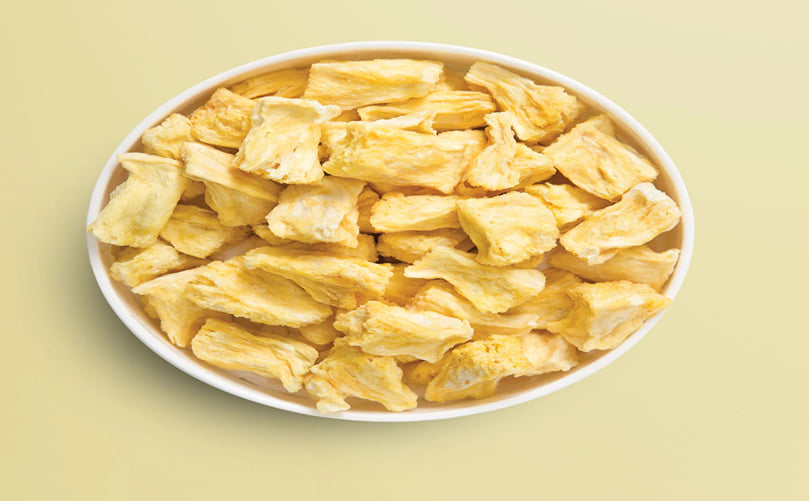
Partially dried and then quick frozen, potato dices offer concentrated weight and improved efficiency in both storage and transport.
IQF Shreds: Individually quick-frozen shredded potatoes are perfect for breakfast dishes or as a base for hash brown recipes. Their flexibility makes them popular in both home cooking and foodservice applications.
IQF Slices: Thin, uniform potato slices are frozen individually for use in gratins, casseroles or layered dishes. They offer convenience and consistency for professional chefs and home cooks.
IQF Dices: Small uniform cubes are pre-blanched and frozen for quick use in stews, stir-fries or gratins. Their versatility makes them a go-to ingredient in diverse culinary applications.
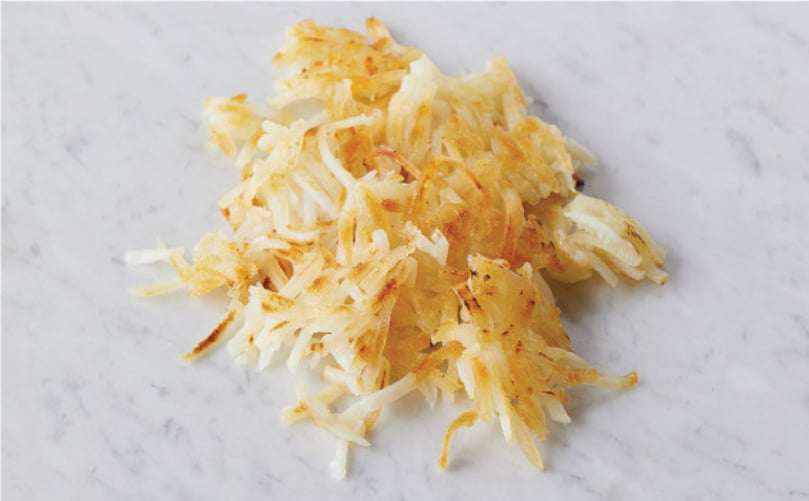
Whether shredded, sliced or diced, IQF potato products cut down on labor, cost and waste. With no need to store, wash, peel or cut fresh potatoes, they move straight from pack to preparation no thawing required. Quick-freezing locks in nutrition and flavor, while ensuring consistent quality year round.
These products, primarily derived from U.S. fresh potatoes, meet global demands for convenience and culinary creativity, enhancing menus worldwide.
Nutritional Aspects
Frozen potato specialties retain much of the fresh potato’s nutritional value, making them a healthy menu option when prepared thoughtfully. A medium (5.3 oz) skin-on potato offers 110 calories and no fat, making it suitable for low-calorie diets, while providing fiber to aid digestion, vitamin C and potassium for immune and heart health and vitamin B6 for energy metabolism.
Individual Quick Freezing (IQF) preserves over 90% of these nutrients, as confirmed by the Alliance for Potato Research and Education (APRE). Research shows oven-baked frozen fries contain less saturated fat (<1g/100g) than buttered mashed potatoes (2g/100g), debunking myths about their health impact.
Antioxidants like polyphenols are retained and studies on freeze-dried potatoes confirm structural stability and color retention during rehydration. However, par-frying can increase acrylamide levels, a potential carcinogen, prompting research into low-acrylamide potato varieties, such as those explored by institutions like the International Potato Center.
Biofortification enhances micronutrients like iron and zinc, while low levels of anti-nutritional factors like glycoalkaloids support heart health and weight management.
Cultural Significance and Global Appeal
Frozen potato specialties have transcended their humble origins to become a global culinary phenomenon, reflecting diverse cultural preferences
Fast-Food Staple: Frozen straight-cut and crinkle-cut fries are iconic in fast-food chains like McDonald’s, as noted in prior discussions, with their crispy texture and versatility making them a universal side dish. They are paired with everything from burgers in the U.S. to currywurst in Germany.
Regional Specialties: In Canada, frozen fries are the foundation of poutine, topped with cheese curds and gravy, while in Belgium, they are served with mayonnaise in traditional “frites” stands. These adaptations highlight the adaptability of frozen potatoes to local cuisines.
Home Cooking Innovation: Products like IQF dices and frozen mashed potatoes enable home cooks to create dishes like French aligot or Indian aloo tikki, blending convenience with cultural authenticity. Their global appeal lies in their ability to fit into diverse culinary traditions.
This cultural versatility, coupled with their convenience, has cemented frozen potato specialties as a beloved component of menus worldwide.
Market and Industry Overview
The global frozen potato market, valued at USD 67.27 billion in 2023, is projected to reach USD 89.51 billion by 2029, growing at a 4.9% compound annual growth rate, driven by
Quick-Service Restaurants: The rise of fast-food chains globally fuels demand for frozen fries and specialties, with brands like McDonald’s relying on consistent supply chains. This sector drives significant volume, particularly in urban markets worldwide.
E-commerce Platforms: Online retail of frozen potato products is expanding, catering to home cooks seeking convenience and variety in meal preparation. This trend has accelerated with the growth of grocery delivery services.
In the United States, 44% of potatoes are processed into frozen products, up from 27% in 1970, with exports growing 16% since 2014, reflecting strong international demand. Europe, particularly Belgium and the Netherlands, processes 80% of its potatoes into frozen products, leading global exports with advanced facilities.
China, the world’s largest potato producer, processes 15% of its harvest into frozen items, producing 1.27 million tons of frozen French fries in 2023 and emerging as a net exporter in 2022. Emerging markets like India, with only 7% of potatoes processed, are rapidly expanding production capacity to meet growing demand, as seen in your interest in emerging potato markets. Key industry players include
McCain Foods: The global leader in frozen fries, supplying major restaurant chains with innovative product lines. Its global reach ensures a steady supply for diverse markets.
Lamb Weston: A U.S.-focused leader known for specialty products, driving growth with health-conscious and organic offerings. Its focus on innovation strengthens its domestic market presence.
Simplot: A pioneer in frozen potato innovation, expanding with sustainable and premium product lines for global markets. Its legacy includes supplying major fast-food chains since the 1950s.
The Frozen Potato Products Institute, under the American Frozen Food Institute, supports advocacy efforts, while Potatoes USA promotes U.S. exports, strengthening the industry’s global presence.
Technological Advancements
The frozen potato industry leverages cutting-edge technology to enhance quality and efficiency
Optical Sorting and AI: Laser and camera-based sorting systems detect defects with precision, ensuring consistent quality in products like straight-cut fries and IQF dices. AI-driven analytics optimize production lines, reducing waste and energy use.
Pulsed Electric Fields (PEF): This technology improves blanching efficiency by up to 30%, preserving nutrients and reducing processing time. It is increasingly adopted in facilities producing frozen wedges and hash browns.
Ultrasound-Assisted Freezing: Ultrasound nucleation reduces drip loss by 20% during IQF, maintaining texture in products like tater drums and lattice cuts. This innovation enhances product quality and shelf life.
These advancements, supported by research from institutions like the International Potato Center, ensure frozen potato specialties meet evolving consumer and environmental demands.
The Future of Frozen Potatoes
The frozen potato industry is poised for transformation, with a projected market value of USD 113 billion by 2034. Emerging trends shaping its future include
Health-Focused Innovation: Plant-based coatings and air-fryer-ready products cater to consumer demand for healthier, low-fat options. These innovations align with growing preferences for convenient, nutritious meals.
Sustainability: Advances in waste-to-biofuel conversion from potato peels and water-efficient processing reduce environmental impact. These practices support circular economy principles and global sustainability goals.
Technology: AI-optimized processing and ultrasound-assisted freezing reduce energy use by up to 30%, as noted in a 2024 review. These advancements improve efficiency and maintain product quality.
Global Expansion: Emerging markets like India and Africa are adopting automation, boosting production capacity. This expansion meets rising demand in developing regions with growing fast-food sectors.
Challenges include mitigating acrylamide formation, managing supply chain volatility, and addressing water usage concerns. Research from the International Potato Center and APRE supports low-acrylamide varieties, like those explored in your interest in potato breeding, and nutritional enhancements, while technologies like pulsed electric fields improve processing efficiency.
Did You Know?
Global Export Leaders: Belgium and the Netherlands produce over 80% of the world’s frozen potato products, with Belgium’s advanced processing making it the top exporter of frozen fries. Its supply chain supports global chains like McDonald’s, ensuring consistent quality worldwide.
Nutrient Retention: Individual Quick Freezing (IQF) preserves over 90% of a potato’s nutrients, like vitamin C and potassium, making frozen specialties as nutritious as fresh potatoes when prepared healthily. This makes them a viable option for balanced diets.
Innovative Sustainability: Modern processing plants recover starch from wastewater and convert potato peels into biofuels, reducing environmental impact. These practices support circular economy initiatives and minimize waste in the industry.