Bringing Authentic Crispy Goodness to Every Meal: The World of Frozen Rösti & Hash Browns
Frozen rösti and hash browns are important segments within the global frozen potato products industry designed to deliver convenient, ready-to-cook solutions with consistent texture and taste. Frozen hash browns are typically produced from shredded or finely grated potatoes that are formed into loose portions or patties and then partially cooked before freezing, ensuring quick crisping and uniform texture during final preparation.
Frozen rösti, originating from Switzerland is a more traditional and artisanal preparation made from coarsely grated potatoes formed into compact cakes or patties, often with minimal seasoning to preserve the natural potato flavor and texture integrity.
Both products belong to the broader frozen potato category alongside fries, wedges and mashed potato products and are strongly associated with breakfast menus, café style dining and foodservice convenience. Their popularity is driven by the need for consistent quality, reduced kitchen preparation time and reliable performance across large scale foodservice operations.

From Freezer to Plate: Hash Browns Made Easy
A Taste of Tradition
Rosti has deep roots in 19th century Switzerland, where it originated as a simple, nourishing meal for farmers working long hours in the fields. The dish was typically prepared from leftover boiled potatoes that were chilled to firm up then coarsely grated and slowly fried in clarified butter or lard, resulting in a substantial pancake that provided sustained energy throughout the day.
This method not only maximized available ingredients but also created a delightful contrast of textures that became a hallmark of Swiss cuisine, particularly in the canton of Bern. Meanwhile, hash browns took shape in the United States during the late 1800s, coinciding with the invention of the potato ricer around 1887, which allowed for finer shredding of raw potatoes.
Immigrants from Europe adapted similar grated potato recipes evolving them into the crispy patties now synonymous with American diners, often enjoyed alongside eggs, bacon or pancakes. The first mention of hash browns appeared in U.S. cookbooks as early as 1887 with the dish gaining popularity on New York City hotel menus in the 1890s.
The mid-20th century brought frozen innovations, pioneered by companies like Ore-Ida in the 1950s, which sourced and processed potatoes domestically to make these dishes readily available year round. In contemporary times, nearly half of all potatoes grown in the U.S. are transformed into frozen products with hash browns anchoring breakfast culture and rosti expanding its presence in gourmet and international markets through creative variations
Rosti vs. Hash Browns: What Sets Them Apart?
At their core, both rosti and hash browns celebrate the potato's natural starchiness but their preparation techniques, shapes and culinary roles create clear distinctions that are carefully maintained in frozen iterations to honor their origins.
Rosti: This dish begins with potatoes boiled whole and cooled overnight for optimal firmness, then grated into coarse shreds (typically 4-6 mm wide) and pan-fried into a thick, cohesive pancake about 2-3 cm deep. The result is a soft, almost creamy interior enveloped by a shatteringly crisp exterior, often seasoned with just salt or lightly enhanced with ingredients like onions, cheese or herbs for added savouriness.
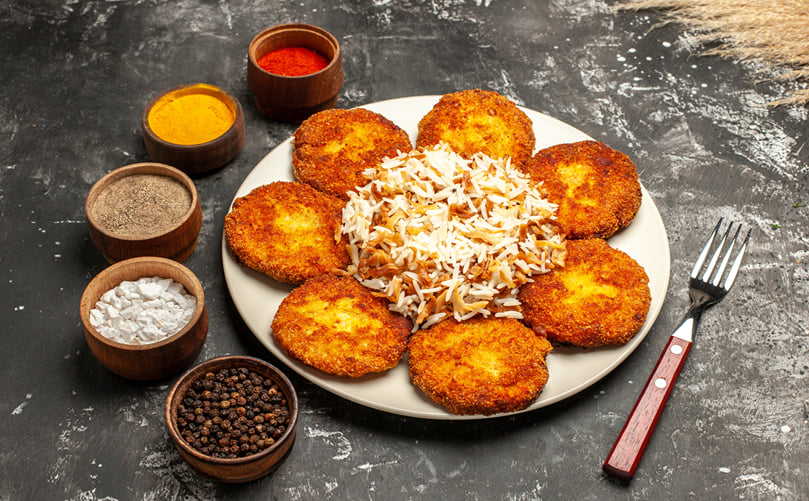
Authentic Swiss Rösti Made from Boiled Potatoes
In frozen form, products like McCain’s Original Rosti Hashbrowns Paillasson incorporate subtle onion notes and are pre-fried before freezing to replicate that homemade tenderness upon reheating making it ideal for serving in wedges as a flexible accompaniment to any meal from breakfast to dinner.
Hash Browns: Starting with uncooked potatoes shredded finely (1-2 mm strands) to promote even cooking, these are formed into slim patties, loose shreds or compact cubes and fried in oil for a uniformly crunchy bite throughout. This raw approach yields a lighter, flakier texture compared to rosti with modern recipes sometimes including minimal binders like flour for structure.
Frozen hash browns, such as Ore-Ida’s popular shredded patties are engineered to retain moisture during storage, ensuring they crisp up beautifully in ovens, skillets or air fryers and they shine primarily as a breakfast component but adapt well to snacks or sides.
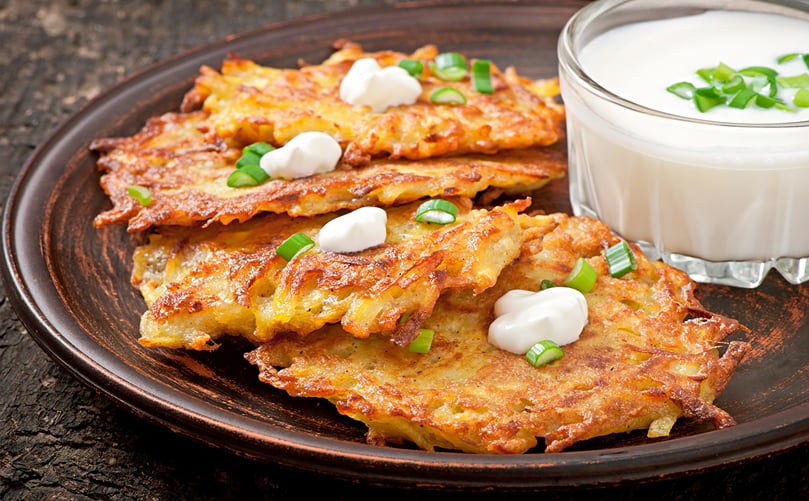
Classic Crispy Hash Browns
These differences not only reflect cultural preferences rosti's hearty Swiss style versus hash browns quick American flair but also guide manufacturers in tailoring freezing techniques to preserve each dishes unique qualities.
Production Methods: Crafting Quality at Scale
Producing frozen rosti and hash browns on an industrial level is a sophisticated blend of agricultural science, engineering and food safety protocols, designed to deliver consistent, high-quality products while minimizing waste and environmental impact.
Potato Selection and Sourcing: The process starts with carefully chosen potato varieties, such as the starchy Russet Burbank for hash browns, which offers 18-22% starch content for exceptional crispiness or the waxy Sebago for rosti to maintain a tender, non-mushy interior. Advanced optical sorting machines inspect and grade potatoes for uniform size, shape and absence of defects like bruises or sprouts, ensuring only premium tubers proceed.
Initial Preparation: Potatoes are thoroughly washed to remove soil and debris then steam peeled a gentle method that preserves more flesh and reduces water usage by up to 30% over traditional abrasive peeling contributing to sustainable practices.
Grating and Shredding: Industrial rasps handle the cutting with adjustable blades producing coarser shreds for rosti to mimic handmade texture or finer ones for hash browns to facilitate quick, even frying. This step is crucial for texture differentiation and is often automated for precision as seen in Ore-Ida's IQF shredding process.
Blanching: A brief immersion in hot water (80-90°C for 1-2 minutes) inactivates enzymes that could cause browning or off-flavors, while also leaching out excess sugars to prevent harmful acrylamide buildup during later heating stages as outlined in USDA food safety research.
Par-Frying: The shredded potatoes are partially cooked in high-quality vegetable oils like sunflower or canola at 175-180°C developing initial color and flavor through the Maillard reaction. Techniques such as nitrogen blanketing during this phase prevent oxidation, enhancing product longevity, particularly in McCain's patty production.
Freezing and Packaging: Individual Quick Freezing (IQF) rapidly chills the product at -35°C to -40°C forming small ice crystals that protect cellular structure and reduce moisture loss upon thawing vital for rosties plush center and hash browns flaky crunch.
Cryogenic systems using liquid nitrogen further accelerate this handling large volumes efficiently. Finally, items are sealed in moisture barrier packaging with real time quality controls like infrared spectroscopy verifying starch levels and ATP testing confirming sanitation under Hazard Analysis and Critical Control Points (HACCP) standards.
Environmental considerations are integral: blanching steam is repurposed for peeling and byproducts like peels are converted into biogas or animal feed, slashing overall waste by 20-25%. Scientific studies affirm that these methods yield low microbial growth (<10 CFU/g) and maintain sensory attributes for up to three months with extended shelf lives of 24 months at -18°C.
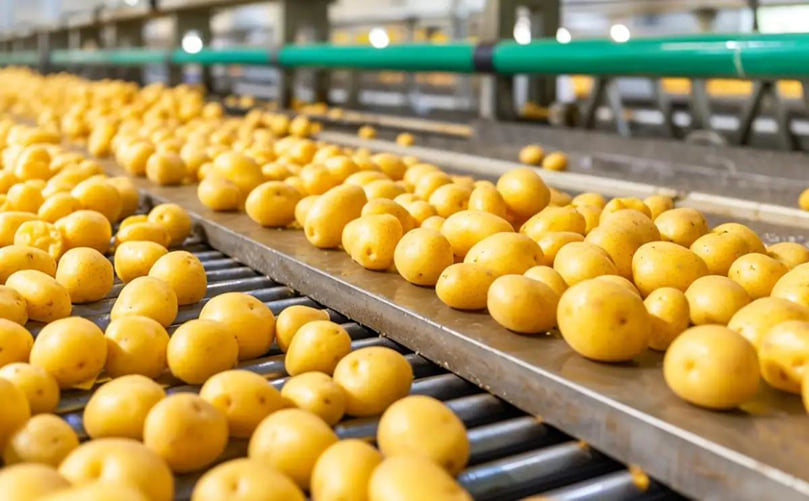
Industrial Processing of Frozen Rosti and Hash Browns
Foodservice Applications and Consumer Trends Shaping the Frozen Rösti and Hash Browns Market
Frozen hash browns play a major role in modern foodservice operations due to their convenience, rapid preparation and consistent cooking performance. They are widely used across quick-service restaurants, hotels, cafeterias, institutional kitchens and large-scale breakfast operations where speed, portion consistency and labor efficiency are critical. Their ability to deliver uniform crispness and appearance with minimal preparation makes them a dependable menu item in high volume commercial kitchens. Hash browns are especially popular in breakfast combinations served alongside eggs, meats, sandwiches and breakfast platters making them a staple product in global breakfast-focused foodservice systems.
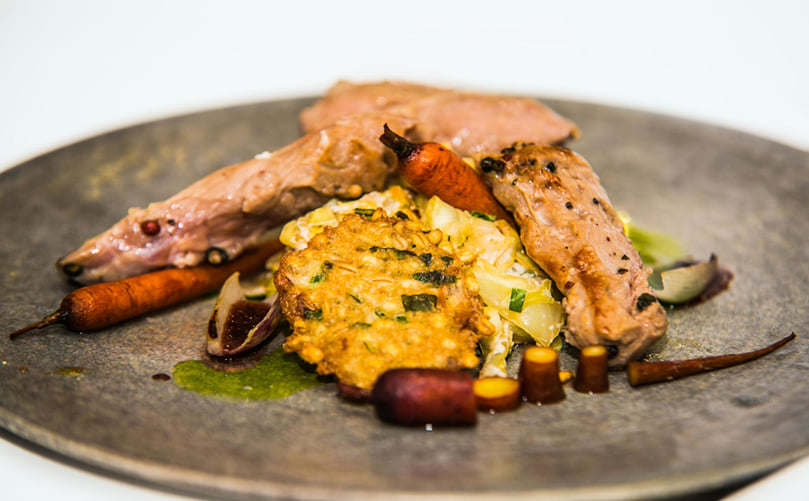
Rösti occupies a more premium position within the foodservice sector and is commonly featured in European style restaurants, brunch cafés, upscale hotels and gourmet dining concepts. Its rustic appearance, coarser texture and artisanal presentation provide greater culinary flexibility and visual appeal. Chefs frequently pair rösti with smoked salmon, cheese, roasted vegetables, cream-based toppings or specialty meats to create higher value menu offerings. This premium positioning has helped rösti gain popularity in contemporary brunch culture and modern café dining environments.
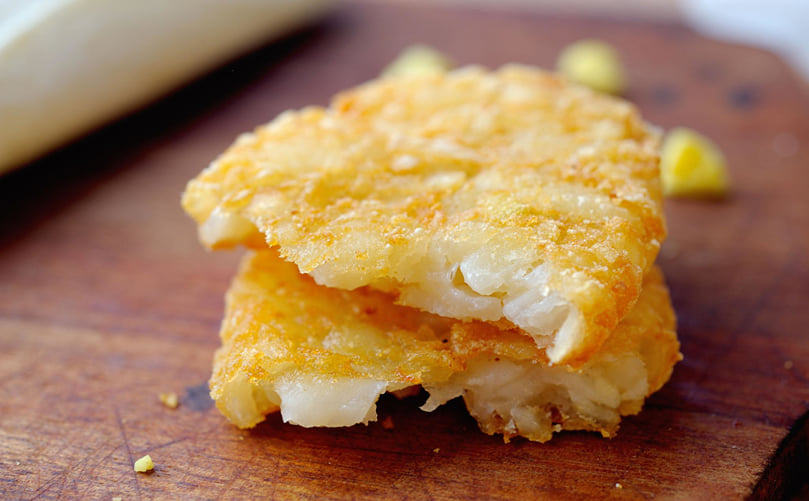
Frozen Rösti and Hash Browns in Modern Foodservice
Beyond traditional breakfast applications both frozen hash browns and rösti are increasingly incorporated into frozen ready meals, side dishes, snack products and home cooking solutions. Their compatibility with multiple preparation methods including frying, oven baking, grilling and air frying has expanded their usability across both commercial and residential kitchens. In retail markets, consumers value these products for their convenience, predictable cooking performance and ability to recreate restaurant-style meals at home with minimal effort.
The continued growth of frozen rösti and hash browns is closely connected to changing consumer lifestyles and evolving eating habits. Urbanization, busy work schedules and the expansion of global breakfast culture have significantly increased demand for convenient meal solutions that require limited preparation time. The growing influence of café style dining and international breakfast menus has further strengthened demand across foodservice channels, particularly in regions where Western style breakfast consumption is expanding rapidly.
Growth of Frozen Rösti and Hash Browns in Convenience Foods
Consumer expectations are also driving major changes in product formulation and innovation. There is increasing demand for frozen potato products with reduced oil content, cleaner ingredient labels and improved nutritional profiles. Air-fryer compatibility has become a particularly important selling point as consumers seek crisp texture with lower fat usage and healthier cooking methods. Manufacturers are additionally developing gluten free, allergen friendly and minimally processed formulations to address broader dietary preferences while maintaining taste and texture quality.
Sustainability considerations are also influencing purchasing behavior and operational decisions within the foodservice sector. Frozen potato products help reduce kitchen labor, minimize preparation waste and improve inventory management making them attractive for commercial kitchens focused on operational efficiency and waste reduction. Together, these consumer and industry trends continue to support strong global demand for frozen rösti and hash browns across both retail and foodservice markets.
Packaging, Shelf Life & Cold-Chain Essentials
Freezer Temperature: Maintain a temperature of 0°F (−18°C) or lower for optimal product quality, safety and long-term storage. This is the global industry benchmark for frozen foods, as it minimizes ice recrystallization prevents textural degradation and inhibits microbial activity.
Packaging (MAP / Barrier Films): Although Modified Atmosphere Packaging (MAP) is more commonly used for fresh produce, frozen potato products rely on high integrity, moisture barrier bags or laminated films that prevent freezer burn and protect against mechanical damage during handling. Proper sealing, low moisture transmission films and clear frozen storage labeling are essential to maintain quality throughout the distribution chain.
Shelf Life: When stored consistently at −18°C, frozen potato products such as rösti, hash browns and fries can retain excellent quality for 12–24 months, depending on formulation and packaging. Any temperature fluctuations above this range accelerate ice recrystallization leading to texture loss, sogginess and reduced crisping performance. Therefore, a strict uninterrupted cold chain from production to retail storage is critical for maintaining product integrity.
Storage, Shelf Life and Reheating of Frozen Rösti and Hash Browns
Frozen rösti and hash browns are widely appreciated for their long shelf life and convenience. When stored consistently at 0°F (−18°C) or below, they retain their texture, flavor and nutritional quality for an extended period, often ranging from twelve to twenty-four months depending on their formulation and the type of packaging used. This stable storage environment prevents freezer burn and limits the development of large ice crystals that can damage the product’s internal structure. Maintaining a reliable cold chain is essential as even brief temperature fluctuations can accelerate ice recrystallization and reduce crispness after cooking.
Once prepared, cooked rösti and hash browns can be safely stored in the refrigerator for up to three days. They reheat well in a microwave, skillet or air fryer with the latter two methods offering the best restoration of crispness. This combination of long frozen shelf life, short refrigerated holding time and easy reheating makes these products a versatile choice for both households and foodservice operations, offering convenience, reduced food waste and flexibility in day-to-day meal planning.
Sustainability, Clean-Label Trends and Product Innovation in Frozen Rösti and Hash Browns
The frozen potato industry is steadily transforming as consumers show a clear preference for healthier more sustainable and clean label foods. In response leading manufacturers are adopting environmentally responsible production practices such as water efficient processing systems, renewable energy use and waste reduction strategies that convert potato peel by-products into biofuel or animal feed. At the same time, packaging is becoming lighter, more recyclable and less dependent on traditional plastics allowing companies to lower their environmental impact while maintaining product integrity.
Clean-label development has become a major priority with producers simplifying ingredient lists and reducing the use of synthetic additives, artificial flavors and preservatives. This shift supports the growing demand for frozen foods that are natural, minimally processed and closer to homemade quality. Innovation is also reshaping product portfolios as companies introduce new flavor varieties, organic selections and vegetable-based blends that use ingredients like sweet potato, beetroot, carrot and mixed shredded vegetables. Many brands are expanding their offerings to meet dietary preferences, creating gluten free, vegan, reduced sodium and low oil options that cater to a wider range of consumers. Together, these advancements are driving a modern evolution of frozen rösti and hash browns, ensuring they remain relevant and appealing in an increasingly health-focused market.
Market Trends: A Booming Industry
The frozen potato sector including rosti and hash browns is experiencing dynamic growth in 2025, valued globally at USD 69.1 billion and on track to exceed USD 119.1 billion by 2035 with a steady 5.6% compound annual growth rate (CAGR). This expansion is fueled by several interconnected trends.
Health-Focused Innovations: There is a marked shift toward reduced sodium, low fat and gluten free variants with air fryer optimized hash brown bites seeing a 7% sales increase in premium categories as consumers seek lighter alternatives without sacrificing taste.
Sustainability Initiatives: Brands are adopting eco-certifications, such as Rainforest Alliance for sourced potatoes and implementing water-saving technologies in processing, resonating with environmentally aware buyers and helping to mitigate supply chain vulnerabilities.
Digital and E-Commerce Growth: Online platforms now represent 15% of sales (up from 10% in 2023), facilitated by apps and subscription services that deliver frozen goods directly expanding reach to urban and remote consumers alike.
QSR and Foodservice Dominance: Hash browns contribute to 40% of U.S. breakfast revenues in chains like McDonald’s and Starbucks, while rosti is gaining ground in European fine dining and casual eateries through versatile upscale offerings.
Sweet Potato Alternatives: The sweet potato segment deserves special attention for its impressive growth trajectory. Sweet potatoes are considered a healthy alternative to regular potatoes due to their high fiber and nutritional content making frozen sweet potato hash browns and tater shots popular options for health-conscious customers. These products appeal to consumers because sweet potatoes have a lower glycemic index than regular potatoes helping stabilize blood sugar levels.
Regional Expansions: The Asia-Pacific region led by India's burgeoning market valued at over INR 30,000 crore is growing at 7.2% CAGR due to rising urbanization and the integration of Western style fast foods though additive concerns prompt cleaner formulations.
Despite challenges like fluctuating potato yields from weather patterns, the industry counters with resilient strategies including pilot programs in vertical farming. Leading companies such as McCain, Simplot and Ore-Ida are at the forefront, introducing clean label and single serve products to align with modern lifestyles
Global Consumer Demand: Convenience Meets Quality
Worldwide demand for frozen rosti and hash browns continues to climb registering a 4-6% annual growth rate as consumers prioritize time saving options that do not compromise on quality or nutrition. In North America, hash browns propel a USD 3.2 billion market in 2025, expected to reach USD 4.8 billion by 2033, as economic pressures and hectic schedules favor cost effective, protein rich staples amid rising costs of alternatives like rice or canned goods.
European markets show a 5% increase in rosti popularity linked to the rise of plant-based eating and home cooking appliances like air fryers for example, McCain’s new Hash Brown Bites, priced at GBP 2.69 in UK stores cater to this by offering quick, healthier snacking.
In the Asia-Pacific particularly India the embrace of frozen foods is accelerating with Western influences in fast food chains though health-conscious shoppers push for reduced sodium and preservative free versions India consumes 2.7 million tons annually, second only to China in the region.
Overall, 62% of global consumers highlight "quick preparation" as a top factor according to market research firms like Circana, appreciating how frozen potatoes retain more nutrients than some fresh counterparts due to rapid processing. Feedback also notes enthusiasm for organic and premium lines, which have seen an 8% demand boost alongside steady sales for value-oriented brands like Great Value during times of financial caution.
Corporate transparency, especially regarding sourcing and additives, increasingly influences purchasing decisions with occasional concerns over large scale agriculture prompting shifts toward ethical brands.
Challenges in Frozen Rösti and Hash Browns Production and Quality Control
Moisture management is one of the most critical challenges in frozen rösti and hash browns production. Excess moisture leads to sogginess, large ice crystal formation and structural breakdown after cooking. This requires precise dewatering, controlled processing conditions and maintenance of an unbroken cold chain at -18°C or lower throughout storage and distribution.
Raw material variability is another key challenge as fluctuations in potato quality particularly dry matter content and reducing sugar levels directly affect color development, crispiness, yield and batch-to-batch consistency. Processors must carefully manage sourcing, storage conditions and sometimes pre-processing adjustments to stabilize raw material performance.
Oil quality and oxidation during par-frying can significantly impact product quality. Degraded oil leads to off-flavors, rancidity and higher production costs. This is managed through controlled oil turnover, filtration systems and the use of approved antioxidants where regulations allow.
Texture consistency during distribution and reheating is also a major concern. Temperature abuse during logistics or retail storage can result in freezer burn, moisture migration or a mushy texture after cooking, reducing consumer acceptance and product performance.
Regulatory and consumer pressures are increasingly shaping product development. Manufacturers are expected to reduce acrylamide formation during frying, develop clean label formulations without compromising texture or taste and improve sustainability in water usage, energy consumption and overall processing efficiency.
Future Outlook and Innovation in Frozen Rösti and Hash Browns
The frozen rösti and hash browns category is expected to grow steadily, driven by innovation focused on health, convenience and premiumization.
Air fried, oven ready and low oil formulations are gaining strong traction as consumers increasingly seek healthier alternatives without sacrificing crispiness or flavor. Clean label and functional variants are also expanding including reduced sodium products, added dietary fiber and gluten free or binder free formulations designed to maintain structure naturally.
Premium and artisanal rösti products are emerging as a key growth segment including flavored varieties, vegetable blended formats and filled or layered concepts. Convenience innovations such as rösti bites, mini patties and portion-controlled formats are also increasing in popularity across foodservice and retail channels.
Automation and sustainability are becoming central to manufacturing with advanced forming, frying and freezing systems improving efficiency, consistency and yield while reducing waste. Packaging innovation is also shifting toward recyclable and eco-friendly materials to meet environmental expectations.
Emerging markets are expected to contribute significantly to future growth as cold chain infrastructure expands and frozen food adoption increases. At the same time, major processors such as McCain Foods, Lamb Weston and Simplot continue to invest in product innovation, balancing tradition with health, convenience and sustainability. The category remains resilient due to the versatility of potatoes and their strong enduring role in global breakfast and comfort food consumption.