
Introduction: What Are Frozen Baked Potatoes?
Frozen baked potatoes are potatoes that have been fully or partially baked in industrial ovens and then rapidly frozen to preserve their flavor, texture and convenience. Available in formats ranging from whole jacket potatoes to stuffed and twice baked varieties, these products offer consumers and foodservice operators a quick and reliable alternative to freshly baked potatoes.
Unlike fresh baked potatoes, which require washing, piercing and baking times that can exceed an hour depending on size and cooking method, frozen baked potatoes are pre-cooked and designed for fast reheating in microwaves, ovens or other heating systems. This significantly reduces preparation time while helping maintain product consistency.
The freezing process plays a critical role in preserving quality by slowing microbial activity and minimizing enzymatic deterioration. When properly processed and stored, frozen baked potatoes can retain a soft, fluffy interior while preserving much of their original taste and texture after reheating. Depending on the product type and preparation method manufacturers may also optimize skin texture and moisture retention to improve eating quality.
Frozen baked potatoes form part of the broader convenience food and frozen potato category supported by growing demand from quick-service restaurants (QSRs), cafeterias, institutional kitchens, ready meal producers and increasingly time conscious households. The global frozen potato market, which includes French fries and specialty potato products, has experienced steady growth in recent years, driven by urbanization, changing lifestyles, rising demand for convenience foods and the continued expansion of foodservice channels.
Frozen Potatoes: Tradition Meets Innovation
History and Evolution of Frozen Baked Potatoes
Baked potatoes have long been regarded as a traditional comfort food in many regions, valued for their simplicity, versatility and filling nature. However, the rise of frozen convenience foods in the decades following the mid-20th century combined with advances in industrial freezing and food processing technologies created opportunities for new potato-based convenience products.
Initially, frozen potato offerings focused heavily on products such as French fries and hash browns, but manufacturers gradually expanded into baked potato formats including whole baked potatoes, potato skins and stuffed or twice baked products. Over time, frozen baked potatoes evolved from simple re-heat able staples into premium convenience foods featuring cheese blends, herbs, vegetables, meat toppings and gourmet flavor profiles.
Today, frozen baked potatoes serve both retail and foodservice markets, where consistency, reduced preparation time and portion control are increasingly valued. The wider potato processing industry has also expanded significantly with frozen potato products representing one of the most important segments of global potato utilization, particularly in developed foodservice markets.
Types of Frozen Baked Potatoes: From Classic Jackets to Premium Loaded Varieties
Frozen baked potatoes are available in diverse formats designed to meet the needs of retail, foodservice and convenience driven consumers. The category includes both plain and value-added products with stuffed and twice baked varieties forming an important premium segment in many markets.
Frozen Baked Potatoes: From Classic to Value-Added Formats
Frozen Jacket Potatoes (Whole Baked Potatoes): Frozen jacket potatoes, often referred to as ready baked potatoes are whole potatoes baked with the skin intact and then frozen for convenient reheating. These products are typically designed for microwave or oven preparation and are marketed as convenient meal bases or side dishes. In the United Kingdom, brands such as Bannisters Farm helped popularize frozen baked jacket potatoes in retail. Depending on the product formulation, these potatoes are often promoted as skin-on, high in fiber, naturally gluten free and lower in fat when served plain. Portion sizes commonly vary with medium to large formats used for individual meals or foodservice applications.
Microwave Ready Baked Potatoes: Microwave ready baked potatoes are pre-baked products specifically designed for rapid reheating, typically within a few minutes. Many feature pre-pierced skins or packaging engineered to improve steam circulation during microwave heating helping maintain internal softness while reducing preparation time for consumers.
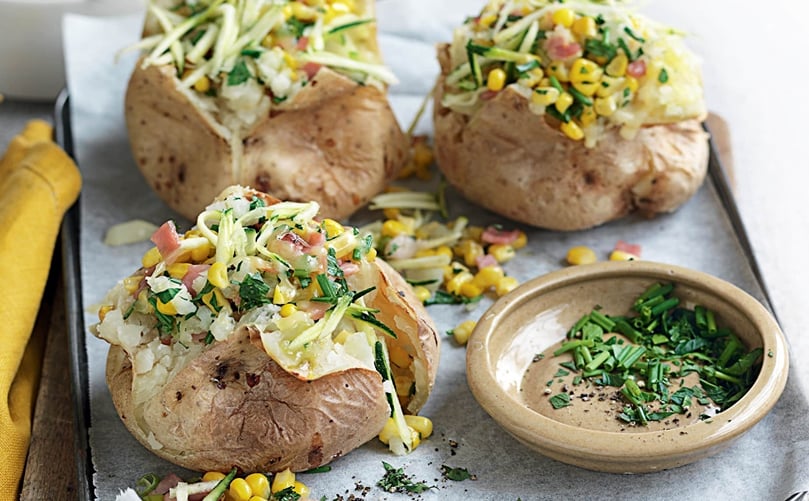
Stuffed or Loaded Frozen Baked Potatoes: Stuffed or loaded frozen baked potatoes are value added products pre-filled with toppings such as cheese, bacon, sour cream, chives, herbs, vegetables or meat-based ingredients. These products are especially popular in retail frozen meal categories and foodservice applications offering consumers a complete or semi-complete meal option. Product availability and topping combinations vary significantly by region and brand.
Twice-Baked Potatoes: Twice-baked potatoes are a premium frozen baked potato category. In this format, potatoes are initially baked after which the flesh is scooped out and blended with ingredients such as butter, cheese, sour cream, herbs and seasonings before being returned to the potato skin and baked again prior to freezing. Some products also include bacon or vegetable inclusions. Companies such as McCain Foods have marketed frozen twice baked potato products in selected markets including cheese-based variants. These products are valued for their rich flavor, convenience and premium positioning as side dishes or light entrées. However, protein levels and nutritional content vary considerably by formulation, so avoiding fixed nutritional claims unless tied to a specific product is advisable.
Seasoned or Flavored Baked Potatoes: Seasoned frozen baked potatoes include products coated or infused with flavorings such as garlic butter, herbs, cheese, barbecue seasoning, chili spices or other savory blends. These products target consumers seeking more indulgent or restaurant-style potato experiences.
Mini Baked Potatoes: Mini baked potatoes are smaller sized products intended for snacks, appetizers, buffet offerings or children's meals. They are commonly sold in multipacks or foodservice formats and may be served plain or pre-seasoned.
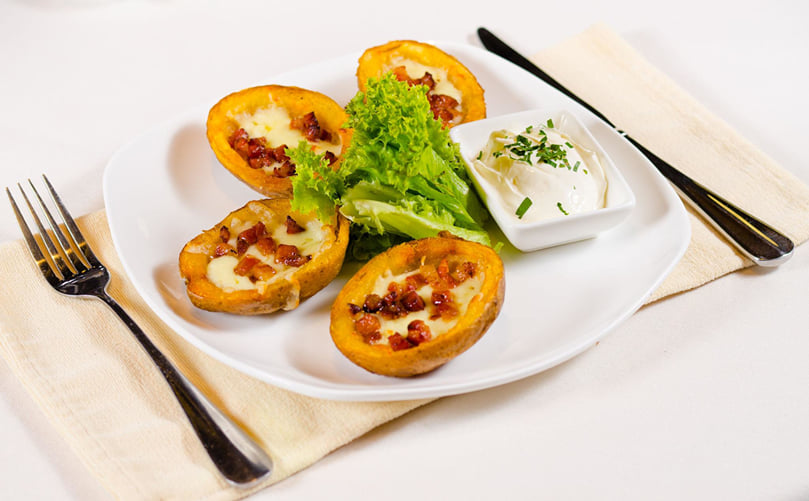
Baked Potato Skins: Frozen baked potato skins consist of halved potato shells that have been baked and partially hollowed for convenient filling and finishing. These products are widely used in restaurants and foodservice for appetizers and customized loaded potato preparations. Companies such as Lamb Weston supply frozen potato skin products for foodservice operations.
Foodservice and Bulk Frozen Baked Potatoes: Foodservice frozen baked potatoes are typically sold in bulk case packs for use in restaurants, hotels, institutional kitchens, hospitals, cafeterias and airline catering. These products emphasize portion consistency, labor reduction and faster service times. Depending on supplier specifications, they may be available as individually wrapped baked potatoes, tray packed products or ready-to-finish loaded formats.
In broader frozen potato market analysis, frozen stuffed potatoes and value-added baked potato products are sometimes categorized as distinct product segments due to their higher processing intensity and premium positioning.
Potato Varieties Best Suited for Frozen Baked Potatoes
Processors select potato varieties for frozen baked potatoes based on specific agronomic and culinary characteristics including high dry matter/specific gravity (for a fluffy, mealy texture), low reducing sugars, uniform size and shape, durable skin and strong storage and processing performance.
Russet varieties dominate the frozen baked potato segment globally due to their high starch content (typically 20–22% or higher), relatively low moisture and ability to produce a light, fluffy interior after baking. Their high starch levels allow potato cells to separate during cooking, creating the desirable mealy texture that pairs well with toppings while enabling the skin to crisp effectively.
Key Varieties:
Russet Burbank remains the classic choice for frozen baked potato production due to its long, oblong shape, excellent baking quality, high dry matter content and strong storability. It is widely used in North America for both fresh market baking and frozen baked potato products.
Russet Norkotah is valued for its earlier maturity, attractive skin finish and uniform tuber size making it suitable for both fresh and processed baker markets.
Other russet varieties, including Ranger Russet, Goldrush and Silverton are also selected depending on processor requirements for specific gravity, tuber yield, disease tolerance and processing performance.
Regional Alternatives
In the UK and parts of Europe, varieties such as King Edward and Maris Piper are commonly used for baked or jacket potatoes because of their favorable texture and flavor characteristics.
Processors generally prefer tubers weighing approximately 5–15 oz or more depending on the intended product type. Larger tubers are typically used for whole baked potatoes, while medium sized tubers are preferred for stuffed or value added frozen baked products.
Why Russets Excel for Frozen Baked Potatoes
Russet potatoes perform exceptionally well because their high specific gravity (often >1.080–1.090 for processing suitability) contributes to a dry, fluffy baked texture. In contrast, waxy potatoes, which contain less starch and more moisture tend to remain firm and hold their shape after cooking, while all-purpose varieties such as Yukon Gold produce a creamier but denser baked texture. These characteristics make russets the preferred option for both fresh market baking and frozen baked or stuffed potato products.
Uniform tuber size and shape are also critical in frozen baked potato processing, as they ensure consistent baking, freezing, reheating performance and product uniformity across batches.
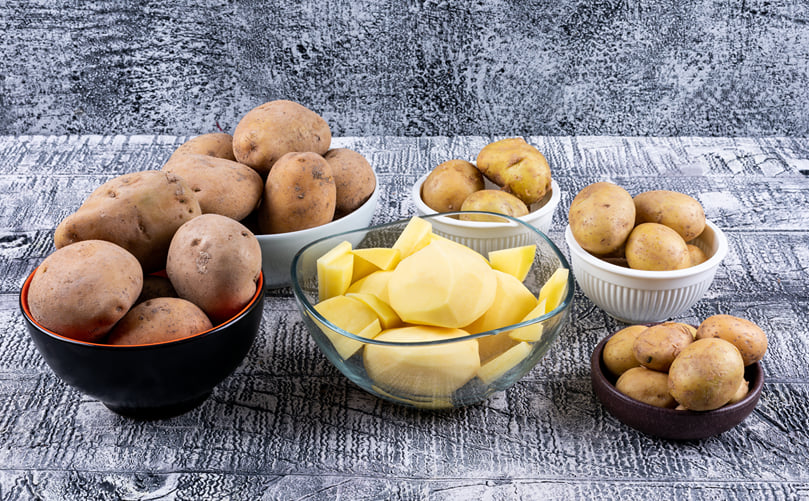
Potato Varieties Used for Frozen Baked Potatoes
The Art and Science Behind Frozen Baked Potato Production
The production of frozen baked potatoes is a sophisticated, multi-step process designed to preserve flavor, texture and nutritional quality while ensuring scalability for industrial demands and convenience for end users.
Selection and Preparation: Manufacturers prioritize high starch potato varieties, such as russet or Idaho for their fluffy, mealy texture when baked, ideal for achieving the classic baked potato experience. Potatoes undergo rigorous washing to remove dirt and debris, followed by sorting to ensure uniformity in size and quality, guaranteeing even cooking and consistent portioning.
They are baked whole in industrial ovens at 177-232°C for 45-60 minutes, a process that gelatinizes the starch to create a soft, fluffy interior while maintaining a crisp, edible skin. This step is critical to replicating the homemade baked potato texture on a commercial scale. Innovations like hydro-cutting systems, which use high pressure water streams for precise slicing have enhanced efficiency in this phase.
Cooling and Optional Stuffing: After baking, potatoes are rapidly cooled using air chillers to preserve structural integrity and prevent overcooking, which could lead to a gummy texture. For stuffed varieties, potatoes are carefully halved and a portion of the flesh is scooped out to create a cavity for fillings. Popular options include indulgent combinations like cheddar cheese, bacon bits and sour cream or healthier alternatives such as broccoli, Greek yogurt or plant-based fillings like hummus, roasted vegetables or vegan cheese.
The halves are then resealed often using the original skin to maintain authenticity and visual appeal. Some manufacturers employ patented techniques to subdivide baked potatoes into precise portions, ensuring consistency for foodservice applications like catering or QSRs.
Freezing: Flash freezing at temperatures as low as -29°C is used to lock in freshness and prevent the formation of large ice crystals that could damage the potato’s cellular structure leading to a mushy texture upon reheating. This rapid freezing, often completed within minutes, preserves the potato’s flavor and texture. Multistage processing combining baking, blanching (to deactivate enzymes) and rapid freezing optimizes yield and ensures a crispy skin and fluffy interior when reheated.
Emerging technologies, such as ultrasound or magnetic field assisted freezing are being explored particularly for sweet potato variants to enhance crispness and improve post-thaw quality for specialty markets. IQF tunnels and spiral freezers are also optimizing uniform freezing across various potato formats.
Quality Control: Stringent sanitation protocols are enforced to eliminate risks of bacterial contamination, particularly for stuffed products, which are more susceptible due to added ingredients. Quality assurance involves regular testing for texture, flavor and nutrient retention with manufacturers adhering to food safety standards like HACCP (Hazard Analysis and Critical Control Points).
Advanced technologies such as automated vision systems, weight sensors, optical sorting for defect removal and AI-driven monitoring are increasingly used to detect defects, ensure uniform filling distribution and maintain consistency across batches catering to both retail and foodservice expectations.
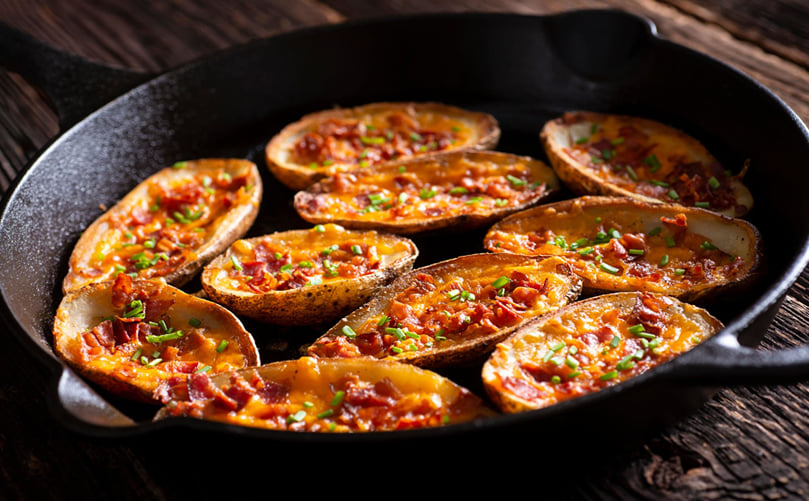
Ready-to-Eat Baked Potatoes
Packaging for Convenience and Shelf Life
Packaging is a critical component in maintaining the quality, convenience and market appeal of frozen baked potatoes, ensuring they meet the needs of diverse consumer segments and foodservice operations.
Individual Quick Freezing (IQF): Each potato is frozen individually to prevent clumping allowing consumers to retrieve only the desired quantity without thawing the entire package. This method is particularly valuable for households and QSRs as it supports portion control reduces food waste and simplifies inventory management in commercial kitchens.
Vacuum Sealing and Materials: Products are typically vacuum sealed in food grade plastic bags or oven safe foil trays to protect against freezer burn, oxidation and moisture loss, which could compromise flavor and texture. This ensures a shelf life of 12-18 months when stored at -18°C making frozen baked potatoes a reliable option for long-term storage. Foil trays are especially popular for stuffed varieties as they can go directly from freezer to oven streamlining preparation.
Retail and Foodservice Formats: Retail packaging is designed for convenience typically containing 4-6 potatoes per bag for household use with clear instructions for oven or microwave preparation. Foodservice formats cater to QSRs, cafeterias and catering services with bulk packs of 20-50 units, optimized for high volume operations. Brands like OH! Tatoes by Mart Produce offer pre-halved portions marketed as no-waste solutions for quick meal prep or single servings appealing to both eco-conscious consumers and busy professionals.
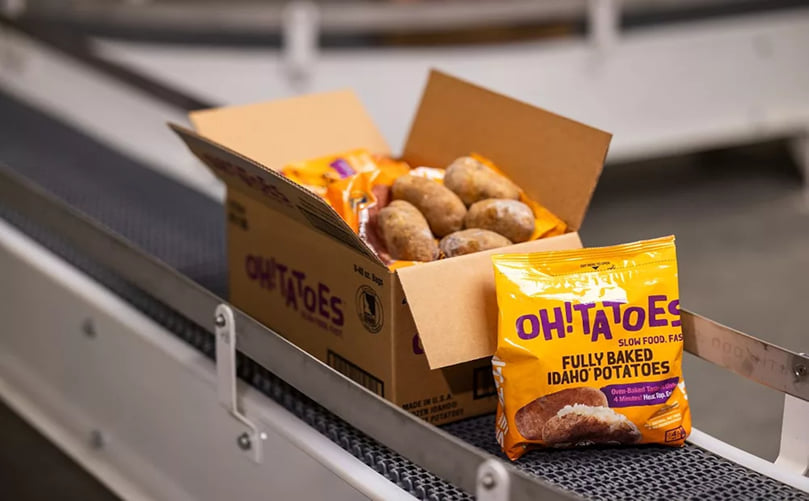
The Mart Group adds OH!Tatoes (Source: The Mart)
Sustainable Packaging Trends: In response to growing environmental awareness, some brands are experimenting with recyclable or biodegradable packaging, such as plant-based films, paperboard trays or compostable wraps derived from bio-renewable sources like used cooking oil. However, plastic remains dominant due to its cost effectiveness, durability and ability to withstand freezing temperatures.
Innovations like resealable bags and portion specific packaging are gaining popularity enhancing convenience and aligning with consumer demands for sustainability and ease of use.
Nutritional Profile and Health Benefits
Frozen baked potatoes retain the nutritional integrity of fresh potatoes, offering a convenient yet wholesome option for health conscious consumers and those seeking balanced meal solutions.
Nutrient Breakdown: A medium (173g) baked potato provides approximately 161 calories, 4g of protein, 37g of carbohydrates (including 4g of dietary fiber), negligible fat, 926mg of potassium (15% of Daily Value) and 27mg of vitamin C (28% DV). The freezing process is highly effective, preserving 80-95% of key nutrients like vitamins C and B6, debunking common misconceptions about nutrient loss in frozen foods. Potatoes also contain B vitamins, magnesium and antioxidants, contributing to overall health.
Health Benefits: A 2024 study from the University of Nevada, Las Vegas, demonstrated that baked potatoes can improve glycemic control in Type 2 diabetes patients thanks to their high potassium and fiber content which also supports cardiovascular health by helping regulate blood pressure and cholesterol levels.
Their high satiety index higher than rice, pasta or bread makes them an excellent choice for weight management as they promote fullness and reduce overeating. Potatoes are naturally gluten free making them suitable for those with celiac disease or gluten sensitivities.
Considerations: The high glycemic index of baked potatoes, which can cause rapid blood sugar spikes can be mitigated by pairing them with proteins (e.g., grilled chicken, beans) or healthy fats (e.g., avocado, olive oil) to slow digestion. Stuffed varieties with high calorie toppings like cheese, bacon or creamy sauces can significantly increase sodium and fat content so plain or low sodium options are recommended for health focused diets. Consumers are also advised to avoid overcooking as this can further elevate the glycemic index.
Did You Know?
Nutrient Retention: Freezing preserves up to 95% of a potato’s vitamin C making frozen baked potatoes nearly as nutritious as fresh ones, contrary to common myths.
Advantages of Frozen Baked Potatoes Across the Supply Chain
Frozen baked potatoes including whole baked, jacket, stuffed and twice baked formats, offer significant advantages across the supply chain due to their convenience, consistency, extended shelf life and operational efficiency. Their ability to reduce preparation time while maintaining reliable quality makes them valuable for consumers, foodservice operators, retailers and distributors alike.
Advantages for Consumers
Convenience and Time Savings: Frozen baked potatoes provide a convenient alternative to preparing fresh baked potatoes from scratch. Since they are pre-baked, consumers only need to reheat them using a microwave, oven or air fryer, significantly reducing meal preparation time compared with conventional baking.
Consistent Quality and Portion Control: Pre-processed frozen baked potatoes are designed to deliver consistent size, texture and eating quality across servings. Portion controlled formats also help reduce over preparation and minimize household food waste.
Extended Shelf Life and Year-Round Availability: When stored properly under frozen conditions, frozen baked potatoes offer a substantially longer shelf life than fresh potatoes and remain available regardless of seasonal fluctuations. This ensures a dependable supply for consumers throughout the year.
Nutritional Value Retention: Freezing after baking can help preserve much of the potato’s nutritional profile including fiber, potassium and certain vitamins, particularly in skin-on products. Plain baked potato products are naturally low in fat although nutritional composition varies depending on toppings, fillings and added ingredients.
Meal Versatility: Frozen baked potatoes serve as a flexible base for a wide range of meals and side dishes. Consumers can customize them with toppings, proteins, sauces, vegetables or seasonings making them suitable for both quick meals and comfort food applications.
Advantages for Foodservice Operators
Reduced Labor and Preparation Requirements: Frozen baked potatoes eliminate many labor-intensive preparation steps including washing, piercing, baking and in some cases filling or scooping. This improves kitchen efficiency particularly in high volume foodservice operations.
Faster Service and Improved Throughput: Quick reheating times support faster order fulfillment during peak service periods making frozen baked potatoes attractive for restaurants, quick service restaurants (QSRs), cafeterias, hotels, healthcare facilities and institutional catering.
Product Consistency: Frozen baked potatoes help maintain consistent size, texture and quality across multiple service locations and kitchen shifts, which is particularly important for restaurant chains and standardized menu systems.
Reduced Waste and Better Inventory Management: Compared with fresh potatoes, frozen products typically experience lower spoilage risks associated with sprouting, dehydration or storage losses. Their extended shelf life also supports better inventory planning and reduces unnecessary food waste.
Operational Flexibility and Cost Efficiency: Frozen baked potatoes can improve operational planning by simplifying inventory management and reducing preparation variability. Their versatility also allows operators to use them across multiple menu formats from side dishes to loaded meal options.
Advantages for Retailers and Distributors
Shelf Life and Distribution Efficiency: Frozen baked potatoes support efficient cold chain distribution and longer storage periods helping retailers reduce spoilage and maintain product availability.
Premium Product Opportunities: Value added formats such as stuffed, seasoned and twice baked potatoes can support premium positioning within frozen meal and side dish categories, appealing to convenience focused consumers seeking restaurant style options.
Reduced Food Waste and Sustainability Benefits: Portion controlled frozen products can contribute to lower food waste across retail, foodservice and household settings by reducing spoilage and improving usage efficiency.
Modern freezing technologies including blast freezing and other rapid freezing systems help preserve texture, flavor and product integrity, contributing to the consistent performance of frozen baked potatoes across retail and foodservice applications.
Market Positioning in a Convenience Driven World
Frozen baked potatoes are strategically positioned to capitalize on the demand for convenient, high quality meal solutions, appealing to a wide range of consumers and industries in a fast-paced market.
Target Audience: The "take and bake" format is a major draw for busy professionals, families and QSRs, offering a quick meal solution that requires minimal effort 20-35 minutes in an oven at 218°C or 5-7 minutes in a microwave. They are a staple in meal kits (e.g., HelloFresh, Blue Apron), food delivery services (e.g., Door Dash, Uber Eats) and institutional settings like school cafeterias, hospitals and corporate dining halls, where speed, consistency and scalability are critical.
Their versatility makes them suitable for breakfast, lunch, dinner or snacks, appealing to diverse demographics from students to retirees.
Market Growth: The global frozen potato market, valued at USD 67.27 billion in 2023 is projected to grow to USD 89.51 billion by 2029 and reach USD 112.7 billion by 2035 with a compound annual growth rate (CAGR) of 5-6%. In North America, consumption is expected to hit 3.8 million tons by 2035.
Driven by the expansion of QSRs (e.g., Wendy’s, Applebee’s) and the rise of e-commerce platforms like Amazon, Walmart and Instacart, which have made frozen products more accessible to consumers worldwide. Developing countries are boosting production and exports, reshaping global trade.
Health and Wellness Appeal: Brands are increasingly targeting health-conscious consumers by offering low fat, low sodium or nutrient fortified options, such as potatoes enriched with iron, zinc or vitamin D. Frozen baked potatoes are positioned as a wholesome alternative to less nutritious fast-food options like French fries or fried snacks, emphasizing their fiber, potassium and vitamin content.
Marketing campaigns highlight their role as a nutrient dense side dish or meal base suitable for balanced diets and dietary restrictions like gluten-free or vegetarian lifestyles.
Versatility and Customization: Products are marketed in multiple forms to cater to diverse preferences plain potatoes for home cooks who want to add their own toppings, stuffed varieties for instant gratification and pre-sliced or shredded options (e.g., potato crowns) for use in salads, hashes, casseroles or breakfast bowls.
Social media campaigns on platforms like Instagram, TikTok and Pinterest showcase creative recipes, such as vegan stuffed potatoes with avocado and salsa or meal prep bowls with grilled chicken and vegetables, driving consumer engagement and inspiring culinary experimentation.
Challenges and Opportunities: Fluctuating raw potato prices influenced by climate variability, labor costs and supply chain disruptions, pose challenges to profitability. Competition from fresh baked potatoes, which some consumers perceive as more authentic or flavorful is another hurdle.
However, global supply chains such as McCain’s operations spanning over 160 countries and the growth of e-commerce are mitigating these risks. Brands are leveraging digital marketing, influencer partnerships and targeted ads to emphasize the convenience, quality and versatility of frozen baked potatoes positioning them as a modern kitchen essential.
Did You Know?
Global Reach: McCain a leading frozen potato brand, supplies baked potatoes to over 160 countries making them a global comfort food in restaurants and homes alike.
Top Brands and Product Highlights
Several leading brands dominate the frozen baked potato market offering a range of products tailored to convenience, taste and diverse dietary preferences.
McCain Three Cheese Twice Baked: These indulgent potatoes are stuffed with a blend of cheddar, mozzarella and Monterey Jack cheeses, designed for oven ready preparation at 218°C and priced at USD4-6 per lb. They are celebrated for their crispy skin and rich, creamy filling, consistently earning high marks in consumer taste tests for their balance of flavor and texture.
Simplot 6oz Frozen Baked Potatoes: Available in plain or stuffed varieties, these 6oz potatoes are versatile for use as sides or mains, priced at USD3-5 per lb. Their consistent sizing and quality make them a favorite in both retail and foodservice markets from home kitchens to restaurant menus.
Lamb Weston Baked Potato Skins: Marketed as appetizer style shells, these skins are ideal for custom fillings like chili, guacamole or pulled pork, priced at USD5-7 per lb. Their sturdy texture holds up well during reheating making them a popular choice for casual dining and party platters.
Ore-Ida Crispy Crowns: These seasoned, shredded baked style potatoes offer a unique twist on the traditional baked potato, priced at USD2-4 per lb. They are particularly popular for breakfast dishes (e.g., hashbrown style sides) or as a crispy snack, appealing to budget conscious consumers.
OH! Tatoes (Mart Produce): These pre-halved potatoes are designed for quick cooking and minimal waste priced at USD4-5 per lb. Marketed as an eco-friendly and time saving option, they cater to consumers seeking sustainable and convenient meal solutions.
Amazon Bestsellers: Stouffer’s Cheddar Potato Bake and Bob Evans Loaded Mashed (a baked adjacent product) lead online sales, reflecting strong consumer demand for indulgent, ready-to-heat options that deliver comfort food flavors with minimal effort.
Future Outlook of Frozen Baked Potatoes
The future outlook for frozen baked potatoes appears promising supported by broader growth in the frozen potato and convenience food sectors. Rising demand for time saving meal solutions, expansion of quick service restaurants (QSRs), changing consumer lifestyles and continued product innovation are expected to support long-term market development. While frozen French fries remain the dominant segment of the frozen potato industry, baked potato products are increasingly benefiting from premiumization and value-added innovation.
Product Innovation and Premiumization: Manufacturers are expected to continue expanding product portfolios with premium loaded and gourmet baked potato options featuring cheese blends, herbs, vegetables, globally inspired flavors and premium toppings. Growth in plant-based, high protein, clean label and organic food trends may also influence future product development creating opportunities for healthier and more differentiated offerings.
Improved Texture and Processing Technologies: Advances in freezing, processing and packaging technologies are likely to improve product quality and reheating performance. Rapid freezing systems and improved moisture management techniques may help preserve texture more effectively, while microwave and oven optimized packaging could improve skin crispness and internal softness after reheating.
Health and Sustainability Priorities: As consumers become more health-conscious manufacturers may place greater emphasis on lower sodium, reduced fat and cleaner label formulations. Sustainability is also expected to remain an important focus area, encouraging greater adoption of responsible potato sourcing, recyclable packaging materials, reduced food waste strategies and energy efficient cold storage systems.
Evolution of Convenience Foods: Convenience will remain a major growth driver with increasing demand for air-fryer-ready, oven ready and ready-to-heat meal solutions. Frozen baked potatoes may also become more integrated into complete meal kits and premium convenience offerings aimed at busy households.
Market Expansion and Regional Growth: Emerging markets in parts of Asia and Africa may offer growth opportunities as urbanization, changing dietary habits and foodservice expansion continue. At the same time, mature markets in North America and Europe are likely to see further premiumization with consumers seeking higher quality and more customized frozen potato products.
Greater Customization and Flavor Diversity: Future frozen baked potato products may increasingly feature regional flavors, customizable toppings, snack sized portions and more diverse meal applications to appeal to evolving consumer preferences.