

Frozen Potato Croquettes: Crispy, Convenient and Globally Loved
Frozen potato croquettes are a crowd-pleasing convenience food, loved for their crunchy, golden breadcrumb coating and creamy mashed potato center making them a versatile appetizer, side or snack enjoyed worldwide. Originating in 18th century France as a clever way to turn leftover mashed potatoes into breaded, fried rolls, they became a popular frozen product by the 1950s with brands like Ore-Ida scaling up production to meet the demand for quick meals.
Their ready to serve appeal comes from fast preparation just 5-10 minutes in a fryer, oven or air fryer making them perfect for busy households, quick-service restaurants (QSRs) and caterers, while their pre-portioned format helps reduce food waste. This guide explores how frozen potato croquettes are made, packaged, marketed and innovated alongside their sustainability, nutrition and top brands, offering a deep dive into this beloved comfort food.
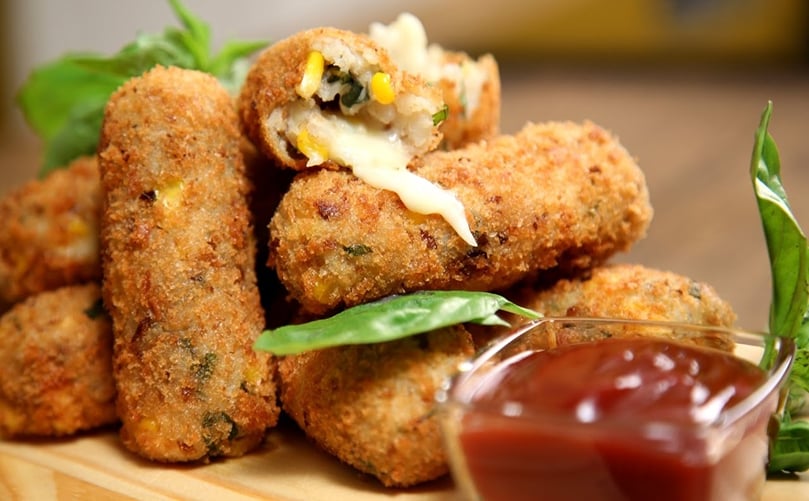
Ready to Serve Comfort: Stuffed Potato Croquettes
Origins & Global Journey of Potato Croquettes
The concept of croquettes traces back to 17th century France, where they were originally a method to transform leftover ingredients into a tasty, fried snack. Early recipes often combined meats, truffles, cheese or other leftover foods, bound with thick sauces or béchamel, then breaded and deep fried to create a crisp exterior and flavorful interior. This inventive approach not only reduced food waste but also became a mark of French culinary ingenuity.
Over time, mashed potatoes emerged as a preferred filling, offering a smooth, creamy texture that complemented the crispy coating. By the 19th century, potato croquettes gained popularity across Europe as a simple yet satisfying dish, often served in homes, taverns and later in cafés and restaurants. The flexibility of potatoes as a base allowed cooks to experiment with flavors, spices and additional fillings, solidifying the dish’s appeal.
As European influence spread globally, so did the croquette:
- Japan: During the Meiji era, Western cuisine inspired the creation of Korokke, a potato-based croquette often mixed with minced meat, seafood or vegetables. Panko breadcrumbs gave it a uniquely light and flaky crust and it quickly became a staple in Japanese home cooking, bento boxes and street food culture.
- Spain & Italy: Spanish croquetas and Italian crocchette di patate integrated local ingredients such as ham, cheese, herbs and regional spices. These croquettes appeared in home kitchens, tapas bars and restaurants, each region adding its own signature twist.
- Belgium, Netherlands & Eastern Europe: Croquettes became popular as street food, snacks and side dishes. Potato-based versions were often paired with meat, cheese or local vegetables, reflecting regional tastes and available produce.
- India and South Asia: Inspired by European style croquettes, potato-based snacks like aloo tikki and alu chop emerged. Spiced mashed potatoes, sometimes combined with peas or lentils were shaped and fried creating a distinctly local flavor profile while maintaining the core concept of a soft interior and crispy exterior.
Evolution to Modern Comfort Food: What began as a practical “leftover-rescue” dish has evolved into a global comfort food. Potato croquettes are now appreciated for their versatility, convenience and adaptability served as appetizers, sides or street food across continents with countless variations reflecting cultural tastes and culinary creativity.
Nutritional Profile and Health Benefits of Frozen Potato Croquettes
Frozen potato croquettes offer a balanced nutritional profile with freezing preserving most of the potato’s nutrients making them a wholesome, ready to serve option for quick meals or snacks.
Nutrient Breakdown: A 70g serving (about two croquettes) provides 100-110 calories, 3g protein, 15g carbohydrates (2g fiber), 4g fat, 300mg potassium (6% DV) and 5mg vitamin C (6% DV). Breading adds carbs and fat, while cheese filled versions increase calcium (8% DV) and protein (up to 5g). Freezing retains 80-90% of vitamins C and B6 with potatoes offering antioxidants like chlorogenic acid for health benefits. These qualities make croquettes a nutrient rich choice for fast meals.
Health Benefits: The 2g of fiber per serving supports digestion, while potassium helps regulate blood pressure for heart health. Croquettes’ high satiety index promotes fullness, aiding portion control compared to less filling snacks like chips. Gluten free coatings suit celiac or gluten sensitive diets, making them inclusive. Baking or air frying reduces fat aligning with healthy ready to serve meal options.
Considerations: Deep frying raises fat to 5-7g per serving so baking at 220°C or air frying at 200°C keeps calories below 100 per piece. Potatoes’ high glycemic index may spike blood sugar but pairing with proteins (e.g., yogurt dip) or healthy fats (e.g., olive oil) slows digestion. Sodium from breading or fillings (150-200mg per serving) calls for moderation with low sodium options available. Proper cooking preserves nutrients like vitamin C, keeping croquettes wholesome.
Global and Regional Variations of Potato Croquettes
Potato croquettes have been embraced and adapted by diverse cultures, each adding unique flavors, ingredients and cooking styles to suit local tastes:
Japan: Known as Korokke, Japanese croquettes typically combine mashed potatoes with minced meat, seafood or finely chopped vegetables. They are coated in light, flaky panko breadcrumbs and deep fried until golden and crisp. Introduced during the Meiji era, Korokke became a staple of Western influenced Japanese cuisine and is commonly served in bento boxes as street food or in family meals. Variants include curry Korokke, sweet potato Korokke and even seasonal vegetable versions.
Italy: Italian croquettes, often called crocchette di patate, blend mashed potatoes with cheese (like Parmesan or mozzarella), herbs or even small vegetables. These croquettes are usually shaped into small cylinders or ovals, then breaded and fried. They are commonly served as antipasti, side dishes or appetizers and regional differences may introduce ingredients such as prosciutto, spinach or ricotta, reflecting local culinary traditions.
Spain: Spanish croquettes (croquetas) are known for their creamy interior, often made with a bechamel sauce mixed with mashed potato or other bases. Popular fillings include jamón (ham), cheese, fish, chicken or mushrooms. These are lightly breaded and fried, served as tapas or party snacks. While potato is just one of the many bases, it provides a comforting texture that pairs well with Spain’s rich and savory fillings.
India and South Asia: While traditional European style croquettes are less common, potato-based snacks inspired by croquettes are widespread. Dishes such as aloo tikki, alu chop or potato cutlets feature spiced mashed potatoes, sometimes mixed with peas, lentils or herbs. These are shaped into patties or cylinders, then shallow fried or deep fried. Local spices like cumin, coriander, chili and garam masala give them a distinct regional flavor making them a popular street food, snack or accompaniment to chutneys and sauces.
Other Variations: Across Europe, croquettes are also adapted regionally in Belgium and the Netherlands, they often contain mashed potatoes with meat or cheese; in Eastern Europe, they may incorporate root vegetables or smoked meats. Latin American countries sometimes use potatoes combined with local cheeses or peppers creating unique twists on the classic croquette.
How Frozen Potato Croquettes Are Made: From Potato to Crispy Perfection
Making frozen potato croquettes is a precise process that balances a crispy exterior with a fluffy interior, ensuring they are easy to prepare and consistently delicious for home cooks and restaurant kitchens alike.
Selection and Preparation: High starch potatoes like russet or Bintje are selected for their fluffy texture, creating the creamy core that defines croquettes appeal. Harvested at peak quality the potatoes are washed with high pressure water to remove dirt and peeled using steam peelers to keep waste low, preserving about 90% of the potatoes flesh.
They are cut into uniform chunks and blanched at 95-100°C for 3-5 minutes to stop enzymes that could cause browning or flavor loss, ensuring the croquettes look and taste great after freezing. This step sets the stage for a high quality, ready to serve product that reheats quickly.
Mashing and Forming: Steamed at 100°C for 15-20 minutes, the potatoes are mashed in industrial mixers with butter, milk or plant-based alternatives to create a smooth, velvety texture without lumps. Seasonings like salt, pepper or nutmeg and sometimes fillings like mozzarella or herbs are mixed in to suit a range of tastes from classic to gourmet.
Cooled to 35-40°C for handling, the mash is shaped into uniform cylinders or ovals (50-70g each) using automated forming machines for consistent cooking results. Binders like egg yolk or potato starch keep the croquettes intact during frying or baking, ensuring they are ready to serve with ease.
Breading and Par-Frying: The croquettes are coated in a three-step process flour, egg wash and panko or breadcrumbs using tumbling drums for an even, crunchy layer that is key to their texture. They are par fried in vegetable oil at 175-185°C for 1-2 minutes to set the coating and boost flavor through Maillard browning, while keeping oil absorption low for final cooking.
This step ensures the interior stays creamy and the exterior crisps up fast making croquettes ready in 5-10 minutes. After frying, they are cooled to 10°C and checked for uniformity before freezing to maintain quality.
Quality Control: Strict HACCP standards prevent microbial contamination, especially from dairy or egg ingredients with regular testing for pathogens like Salmonella to ensure safety. Automated vision systems spot issues like uneven breading or irregular shapes, while texture analyzers verify the crispy coating, soft-core balance.
Sensory panels taste test for flavor and crunch, tweaking recipes to meet expectations for a ready to serve product. These checks guarantee croquettes deliver consistent quality, whether fried, baked or air fried.
Packaging for Convenience and Shelf Life
Packaging for frozen potato croquettes protects their texture, supports easy portioning and ensures quick preparation, while adopting sustainable practices to meet today’s environmental expectations.
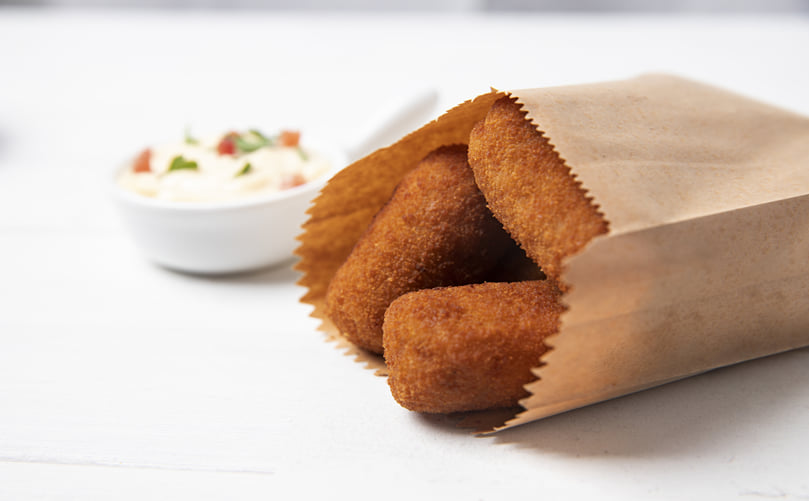
Protecting Freshness: Packaging Innovations for Potato Croquettes
Individual Quick Freezing (IQF): Croquettes are frozen at -30°C using IQF systems with vibration belts to keep them from sticking, letting users grab just what they need without thawing the whole package, which cuts waste. This method preserves the croquettes shape and crunchy coating, ensuring even reheating for a ready to serve meal or snack. IQF prevents ice crystal damage, keeping the potato core fluffy and extending shelf life to 18-24 months at -18°C. It’s a game changer for both home cooks and QSRs looking for efficiency.
Retail and Foodservice Formats: Retail packs hold 12-24 croquettes (300-500g) in resealable bags or trays with instructions for baking at 220°C for 10-12 minutes, frying at 175°C for 3-4 minutes or air frying at 200°C for 8-10 minutes, fitting various cooking styles. Foodservice packs (5-10kg) cater to restaurants and caterers, enabling fast prep for busy kitchens. Pre-portioned formats like Farm Frites croquettes help QSRs avoid waste and keep servings consistent. These designs make croquettes a convenient ready to serve option for any setting.
Sustainable Packaging Trends: Brands are switching to recyclable paperboard trays and bio based films made from potato starch or recycled cooking oil, cutting plastic use by 40% to appeal to eco-conscious buyers. These materials hold up during freezing and reheating, keeping croquettes intact. Resealable bags let consumers store leftovers, boosting convenience and reducing waste. Using potato byproducts for packaging supports a circular economy aligning with green priorities.
Market Positioning in a Convenience Driven World
Frozen potato croquettes are marketed as quick, crispy snacks or sides, perfectly suited for busy lifestyles appealing to a wide range of eaters and restaurant operators.
Target Audience: Busy families, young professionals and QSRs choose croquettes for their 5–10-minute preparation time, ideal for meal kits, kid's menus or casual dining appetizers. They are a staple in schools and catering, where their ready to serve nature simplifies high volume service with reliable results. Popular in Europe (e.g., Belgium, France) for their traditional roots, they are also catching on in Asia-Pacific with bold flavors for urban diners. Their flexibility served with dips or as sides makes them a hit across ages and dining occasions.
Market Growth: Croquettes contribute to the USD 67.27 billion frozen potato market in 2023 set to reach USD 89.51 billion by 2029 at a 5.1% CAGR, driven by demand for convenient snacks and sides. Online platforms like Amazon and Instacart have increased sales with frozen snack e-commerce growing 12% yearly making croquettes easier to find. North America leads consumption, but Asia Pacific is growing fast as QSRs like KFC add croquettes to menus, fueled by urbanization. Strong exports from Belgium and the Netherlands keep global supply chains robust, boosting market growth.
Health and Wellness Appeal: Brands highlight low fat, oven baked croquettes as healthier options, emphasizing potatoes 300mg potassium and 2g fiber per 70g serving for health-conscious eaters. Gluten-free coatings and vegan fillings broaden appeal for those with dietary restrictions. Marketing promotes portion-controlled servings (1-2 croquettes) to fit balanced diets, challenging fried food stereotypes. Air fryer friendly versions, cutting oil use by 70% make them a healthy, ready to serve choice.
Versatility and Customization: Croquettes pair with dips like aioli or serve as sides to proteins with variations like cheese filled in Europe or spicy vegetable filled in Asia. Social media sparks interest with recipes like truffle or kimchi croquettes, appealing to younger foodies. QSRs use them in value meals leveraging their quick prep for menu versatility. This flexibility drives repeat purchases solidifying their ready to serve appeal.
Challenges and Opportunities: Potato price swings due to weather and supply chain issues can pressure margins, especially for premium croquettes with fillings like cheese. Homemade versions compete in some markets seen as more authentic. E-commerce growth and air fryer friendly products open doors to urban and health focused consumers. Digital campaigns and premium imports are expanding reach in emerging markets driving demand.
Challenges in Frozen Potato Croquette Production
Frozen potato croquettes are popular convenience foods, but their production involves several technical, operational and economic challenges. Manufacturers must maintain consistent texture, coating quality, flavor and freeze stability while ensuring products withstand storage, transportation and reheating. Since croquettes combine a soft mashed interior with a crispy coating, preserving quality throughout the supply chain requires careful process control.
Coating Breakage During Freezing and Handling: Maintaining coating integrity is a major challenge in croquette production. Breadcrumb coatings may crack, separate or detach during freezing, packaging, transport or handling. Temperature fluctuations can weaken adhesion between the potato filling and outer coating affecting appearance and crispness. To reduce damage, manufacturers use improved batter systems, pre-dusting methods and multilayer coatings.
Texture Degradation After Reheating: Consumers expect croquettes to remain crispy outside and soft inside but freezing and reheating can compromise texture. Ice crystal formation may damage the potato structure leading to moisture release and sogginess during cooking. Oven heating can sometimes dry the interior, while uneven air frying may affect crispness. Manufacturers often optimize starch systems and moisture control to maintain texture.
Managing Oil Uptake: Excessive oil absorption is both a quality and nutritional concern. Since many croquettes are pre-fried before freezing and fried again during final preparation, high oil uptake can create greasy textures and increase calorie content. Improved coating technologies and optimized frying conditions help reduce oil absorption while preserving crispness.
Filling Leakage in Stuffed Croquettes: Stuffed croquettes, particularly cheese filled products, face additional challenges during frying or reheating. Fillings may leak due to poor sealing or internal pressure reducing product appeal and yield. Better forming technologies and controlled filling consistency help minimize leakage.
Freezer Burn and Moisture Loss: Extended frozen storage may lead to freezer burn, dehydration and moisture migration, affecting texture and flavor. Proper packaging and stable storage below −18°C are essential for preserving quality throughout shelf life.
Consistency and Raw Material Variability: Natural variations in potato moisture, starch content and quality can affect croquette texture, shape and cooking performance. Processors rely on standardized sourcing, automation and quality monitoring to maintain consistency across production batches.
Rising Costs and Cold Chain Dependence: Increasing costs for potatoes, edible oils, dairy ingredients and energy continue to pressure manufacturers. Frozen croquettes also depend on reliable cold chain logistics and temperature disruptions can compromise product quality and safety. In some developing regions limited refrigeration infrastructure remains a barrier to market expansion.
Despite these challenges, advances in freezing technology, coatings, automation and packaging continue to improve product performance and support growth in the frozen potato croquette market.
Did You Know?
Starting as 18th century French trick to use up mashed potatoes, croquettes now drive a USD 67 billion+ frozen food market with their quick prep appeal
Top Brands and Product Highlights
Leading brands offer frozen potato croquettes that deliver flavor, convenience and versatility, perfect for home cooks and foodservice professionals looking for ready to serve options.
Ore-Ida Potato Croquettes: Priced at USD3-5 per lb, these crispy croquettes cook in 8-10 minutes via air fryer or oven making them a go to for family meals or snacks. Their uniform shape ensures even cooking with a creamy core that is a consumer favorite. Shoppers love their crunch and value, ideal for pairing with dips. They are widely available in U.S. grocery stores.
Lamb Weston Croquettes: Premium herb breaded croquettes, USD4-6 per lb, cook in 3-4 minutes in a fryer, perfect for upscale QSRs and catering. Their sturdy coating holds up during reheating, offering restaurant quality texture. Customizable with fillings like cheddar, they add flair to menus. They are a staple in high volume foodservice.
Goya Frozen Croquettes: Latin style croquettes, USD2-4 per lb, ready in 10 minutes popular in ethnic markets for their authentic, savory flavor. They resonate with Hispanic consumers and work as appetizers or sides. Affordable and easy to prepare, they earn high praise for taste. They are a favorite for cultural dining.
El Sembrador Croquettes: Hand-formed, USD3-5 per lb, a South Florida staple, ready in 8-12 minutes via oven or fryer, delivering a homemade taste. Their crispy exterior and creamy center are loved by consumers. Perfect for gatherings or catering, they have strong regional demand. Shoppers value their quality and ease.
Tyson Potato Croquettes: Bulk packs, USD5-7 per lb, cook in 5-7 minutes, customizable for QSR menus, offering ready to serve efficiency. Their texture suits high volume operations like chain restaurants. Consistent quality makes them ideal for institutional settings. They meet strong foodservice demand.
Catalina Croquettes: Budget friendly at USD2-4 per lb, these retail croquettes cook in 8-10 minutes, offering a crispy, versatile option for freezer aisles. Their simple potato base pairs well with dips or mains. Consumers appreciate their ease and consistent texture. They are a popular choice for quick meals.
Applications of Frozen Potato Croquettes Across Foodservice and Retail
Frozen potato croquettes have evolved into versatile convenience products used across foodservice, institutional catering and retail channels. Their standardized quality, portion consistency and ease of preparation make them highly attractive for high volume operations where speed and reliability are essential. Since most frozen croquettes are pre-fried and individually quick frozen (IQF), they can move directly from freezer to cooking equipment with minimal labor requirements.
Restaurants and Quick Service Operations: Restaurants rely on frozen potato croquettes as appetizers, side dishes, tapas style snacks and premium menu additions. Their consistent shape, predictable cooking performance and minimal preparation time reduce kitchen labor while ensuring standardization. In quick service restaurants and casual dining chains, croquettes are commonly served alongside burgers, grilled meats, seafood or as loaded snacks paired with sauces and dips. Premium restaurants increasingly incorporate cheese filled or gourmet flavored croquettes to elevate menu appeal.
Hotels and Hospitality Sector: Hotels use frozen croquettes extensively in buffet systems, banquet catering, room service and à la carte dining because they can be prepared rapidly while maintaining uniform quality. Their premium appearance and broad consumer acceptance make them particularly suitable for breakfast buffets, brunches and event catering. Frozen formats help hospitality operators reduce food waste and maintain year-round consistency.
Cafeterias and Institutional Catering: Institutional kitchens including universities, corporate cafeterias, hospitals and government facilities favor frozen croquettes because they simplify meal preparation and portion control. Large scale operations benefit from their ease of handling, reduced labor intensity and reliable cooking performance. Since croquettes appeal to broad age groups, they fit effectively into standardized meal programs.
School Meal Programs: Frozen potato croquettes are increasingly included in school food systems due to their familiarity, mild flavor profile and kid-friendly texture. Manufacturers often produce smaller portion sizes and lower sodium versions tailored for institutional nutrition requirements. Vegetable enriched formulations are also emerging to improve nutritional appeal in school feeding programs.
Airline Catering and Travel Foodservice: Airline catering operations prioritize foods that maintain texture and eating quality after reheating. Frozen potato croquettes are well suited because they can tolerate reheating while retaining internal softness and external structure. Their compact size, controlled portions and compatibility with pre-plated meals support efficient large scale catering logistics.
Frozen Ready Meals and Meal Kits: Croquettes increasingly appear in frozen meal combinations paired with meat, vegetables, sauces or international cuisine formats. Their ability to freeze and regenerate effectively makes them ideal for premium ready meal categories, especially in convenience driven markets.
Retail Frozen Food Aisles: Retail demand for frozen croquettes continues to grow as consumers seek convenient side dishes and snack options. Retail packaging emphasizes ease of preparation, family consumption and compatibility with modern cooking appliances. Premium variants featuring cheese fillings, gourmet flavors and clean label positioning are becoming more common in supermarket frozen sections.
Home Cooking Convenience: At the household level, frozen croquettes appeal strongly to consumers seeking restaurant quality foods with minimal preparation time. Busy families increasingly prefer to ready-to-cook frozen snacks that require little effort while still delivering comfort food appeal. Growing ownership of air fryers has further accelerated household adoption of frozen potato specialties. Community discussions around frozen foods also show increasing preference for convenient, clean label and easy-to-cook frozen products.
Preparation Methods: Frozen potato croquettes are designed for multiple cooking systems. Deep frying remains the preferred method for achieving maximum crispness and golden color. Oven baking is increasingly promoted for lower oil preparation, especially in retail markets. Air frying has become one of the fastest growing preparation methods because it offers crisp texture with reduced oil usage and shorter preparation times aligning with healthier cooking preferences