- Learn
- Potato Supply Chain
- Potato Cultivation
- Crop Protection
- Potato Pest, Diseases...
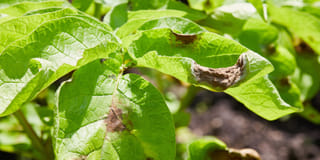
Potato Pests, Diseases and Physiological disorders
Potato production faces major challenges from pests, diseases, and physiological disorders that reduce yield and quality. Effective management through resistant varieties, clean seed, balanced nutrition, and integrated control ensures healthy, high-quality tubers.
Click here to expand and learn more!
Andean Potato Weevil 

Andean Potato Weevil
The Andean potato weevil severely threatens highland potato farming, causing up to 100% yield loss. Climate change, poor detection, limited IPM adoption and pesticide resistance worsen its impact, demanding sustainable, community-based management solutions.
Learn More about Andean Potato Weevil
Detecting Defects and Diseases 

Detecting Defects and Diseases
Any and all disorders and diseases of potato plants and tubers, whether caused by a biological agent (fungus, bacteria, virus, nemetode, insect, etc) or environmental (temperature, mechanical, oxygen availability, herbicide, etc)
Learn More about Detecting Defects and Diseases
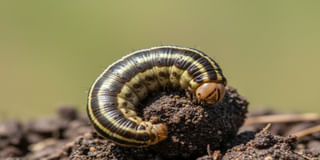
Armyworms 

Armyworms
The armyworm is a rapidly spreading, highly adaptive pest damaging potato foliage and tubers worldwide. Its resistance, migration and climate resilience cause severe yield losses, economic strain and management challenges for farmers.
Learn More about Armyworms
Bacterial Blackleg and Tuber Soft Rot / Pectobacterium 

Bacterial Blackleg and Tuber Soft Rot / Pectobacterium
Pectobacterium induced blackleg and soft rot severely impact global potato production, causing up to 50% yield loss. Latent infections, resistance, co-infections, climate change and poor seed certification complicate control, especially in smallholder systems.
Learn More about Bacterial Blackleg and Tuber Soft Rot / Pectobacterium
Brown Rot and Bacterial Wilt / Ralstonia 

Brown Rot and Bacterial Wilt / Ralstonia
Potato brown rot, caused by Ralstonia solanacearum is a devastating, soil-borne bacterial disease affecting potatoes and solanaceous crops worldwide. It spreads via soil, water and contaminated tubers, causing wilting, tuber decay, yield loss and major economic impact.
Learn More about Brown Rot and Bacterial Wilt / Ralstonia
Cutworms 

Cutworms
Cutworms (Agrotis spp.) are major nocturnal pests of potatoes, cutting stems and damaging tubers, causing 20–80% yield loss. Found globally, they thrive in weedy, moist soils. IPM with cultural, biological and chemical control is key to sustainable management.
Learn More about Cutworms
Flea Beetles 

Flea Beetles
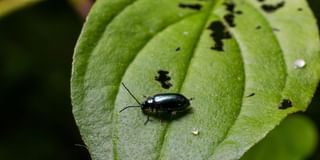
Potato flea beetles (Epitrix spp.) are global pests causing foliar shotholes and tuber damage, spreading rapidly via adults and trade. Climate change, resistance and cryptic larvae exacerbate yield losses, demanding integrated management combining cultural, biological and chemical strategies.
Learn More about Flea Beetles
Ladybird Beetles 

Ladybird Beetles
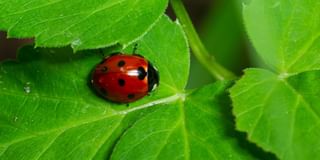
Potato ladybirds are polyphagous species feeding on a variety of plant species. However, most severe damage is usually reported for Solanaceae’s crops, including potato.
Learn More about Ladybird Beetles
Leaf Beetles 

Leaf Beetles
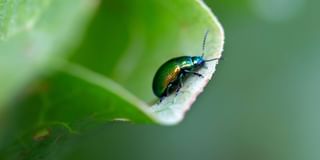
Discover information on potato leaf beetles at PotatoPro. Explore identification, damage they cause, and effective control methods for growers.
Learn More about Leaf Beetles
Mites 

Mites
Spider mites (Tetranychus urticae) threaten global potato yields by thriving in hot, dry climates, causing severe defoliation and losses. Integrated pest management combining monitoring, cultural, biological and chemical controls is vital for sustainable suppression.
Learn More about Mites
Pea Leafminer Fly 

Pea Leafminer Fly
The pea leafminer Liriomyza huidobrensis is an agricultural pest endemic to South America. Since the early 1980s, the pest has been also recorded in many other countries around the world, presumably associated with the global trade of ornamental plants.
Learn More about Pea Leafminer Fly
Potato Leafhoppers 

Potato Leafhoppers
The potato leafhopper E. fabae is a sucking insect that extracts sap directly from the vascular system of the leaflets, petioles and sometimes the stems.
Learn More about Potato Leafhoppers
Potato Ring Rot / Clavibacter 

Potato Ring Rot / Clavibacter
Clavibacter michiganensis subsp. sepedonicus is a Gram positive, coryneform, aerobic, non-spore-forming bacterium in the Microbacteriaceae family of the Actinobacteria. C. michiganensis is the only species currently recognized within the genus; all six of its subspecies (subspp. Insidiosus, michiganensis, nebraskensis, phaseoli, sepedonicus, and tesselarius) are plant pathogens.
Learn More about Potato Ring Rot / Clavibacter
Powdery Scab 

Powdery Scab
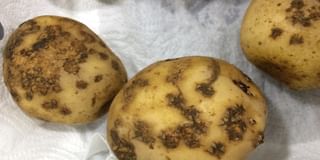
Spongospora subterranea can infect all underground organs of potato (i.e. stolons, tubers, and roots) where the pathogen stimulates the enlargement and division of host cells leading to the appearance of symptoms.
Learn More about Powdery Scab
Thrips 

Thrips
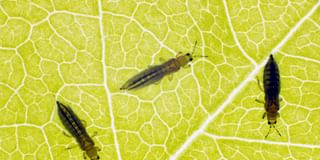
Thrips can cause major damage mainly during dry climatic conditions. Because of heavy feeding, potato leaves develop a silver or chlorotic dotting of the tissues and become deformed. The silver color is due to the emptying of the cells.
Learn More about Thrips
Tomato Tuber Moth

Tomato Tuber Moth
The tomato leaf miner, Tuta absoluta, was first identified in Peru by Meyrick in the year 1917 from samples collected in Huancayo.
Learn More about Tomato Tuber Moth
White Grubs 

White Grubs
White grubs are polyphagus and feed on over 1000 plant species including field crops such as potato, sweetpotato, maize, asparagus, and soybean; fruits such as apple, peach, grape, as well as trees and ornamentals. White grubs are found in many genera in the family Scarabaeidae.
Learn More about White Grubs
Whiteflies 

Whiteflies
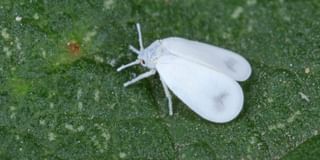
Adult whiteflies can be easily seen on the underside of the leaves. Sucking sap from plant tissue is associated with several physiological plant disorders, such as chlorosis of new foliage.
Learn More about Whiteflies
Aphids 

Aphids
Aphids, such as Myzus persicae and Macrosiphum euphorbiae, damage potato crops by feeding on sap and transmitting viruses like Potato Virus Y (PVY) and Potato Leafroll Virus (PLRV), potentially causing up to 80% yield losses. Integrated pest management (IPM), combining cultural practices, biological controls and chemical controls is essential for effective aphid control. Regular monitoring and understanding aphid biology and distribution further enhance protection of potato yield and quality.
Learn More about Aphids
Bud Midge

Bud Midge
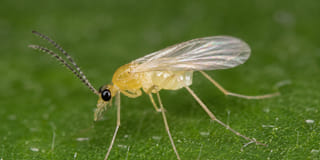
Prodiplosis longifila is a polyphagous species only in the Americas. Its origin is unknown. It occurs in North America (first reports from Florida in 1934 and from Virginia in 1990) and South America (Colombia, Peru, and Ecuador). Some publications mention its presence in the 'West Indies' but detailed records for individual countries in the Caribbean are not available and a previous record for Jamaica is now considered to be a misidentification.
Learn More about Bud Midge
Colorado Potato Beetle 

Colorado Potato Beetle
The Colorado potato beetle Leptinotarsa decemlineta is native to Mexico, but has spread to Central America, most of the United States (except Alaska, California, Hawaii, and Nevada), and to southern Canada. This pest has also been introduced into Europe and parts of Asia.
Learn More about Colorado Potato Beetle
Early Blight (Alternaria)

Early Blight (Alternaria)
Early blight is one of the most common tomato diseases, occurring nearly every season wherever tomatoes are grown. It affects leaves, fruits and stems and can be severely yield limiting when susceptible cultivars are used and weather is favorable. Severe defoliation can occur and result in sunscald on the fruit.
Learn More about Early Blight (Alternaria)
European Corn Borer

European Corn Borer
Ostrinia nubilalis is native to Europe and was introduced into North America near Boston (Massachusetts) in 1917. It gradually spread from there to other parts of the United States and Canada. It has also been reported in Asia (China, India, Georgia and Indonesia, middle East (Syria, Israel, Lebanon, Iran, Turkey) and North Africa (Algeria, Egypt, Libya, Morocco and Tunisia). Two races, E and Z that are morphologically indistinguishable exist in both USA and Europe.
Learn More about European Corn Borer
Pea Leafminer Fly

Pea Leafminer Fly
The pea leafminer Liriomyza huidobrensis is an agricultural pest endemic to South America.
Learn More about Pea Leafminer Fly
Potato Tuber Moth

Potato Tuber Moth
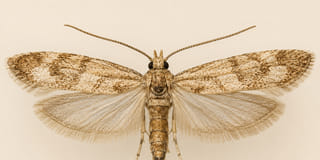
The potato tuber moth (PTM), Phthorimaea operculella, originated in the tropical mountainous regions of South America. Today it has a worldwide distribution and is considered the most damaging potato pest in the developing world.
Learn More about Potato Tuber Moth
Potato Wart Disease

Potato Wart Disease
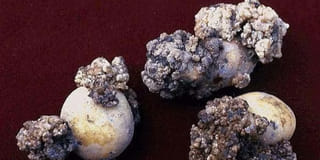
Potato wart disease, also known as black wart, cauliflower disease, warty disease, potato tumor, potato cancer, black cancer, or black scab is caused by the pathogen Synchytrium endobioticum.
Learn More about Potato Wart Disease
Wireworms

Wireworms
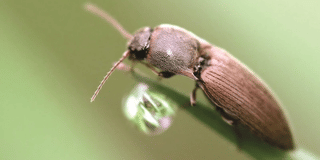
Wireworms are the larvae of click beetles. Over 39 species in 21 genera of wireworms have been reported to attack potato. Wireworms are found throughout the world, and species vary greatly among regions.
Learn More about Wireworms
Dickeya / Blackleg

Dickeya / Blackleg
Various species of Dickeya are responsible for diseases of potatoes, but they are distinct in symptoms and severity. All are covered in this section. Blackleg is covered here as well, no matter the microorganism causing it.
Learn More about Dickeya / Blackleg
Common Scab 

Common Scab
First described by Thaxter (1890), common scab affects potatoes globally, causing cosmetic tuber damage and USD 100–500/ha losses. Disease severity is influenced by soil pH, moisture, and microbiome biostimulants and resistant varieties offer eco-friendly management amid rising climate risks.
Learn More about Common Scab
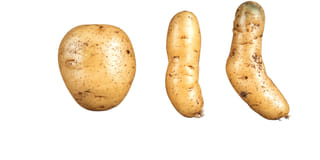
Glassy potatoes / Secondary growth

Glassy potatoes / Secondary growth
Learn about glassy potatoes and secondary growth with PotatoPro. Explore potato defects, diseases, and resources for the potato industry.
Learn More about Glassy potatoes / Secondary growth
Phytophthora (Late Blight)

Phytophthora (Late Blight)
Late blight is a potentially devastating potato pest caused by the oomycete Phytophthora Infestans. This pathogen caused the Irish Potato Famine and nowadays causes potato farmers to spray large amounts of fungicides.
Learn More about Phytophthora (Late Blight)
Potato Rot Nematode

Potato Rot Nematode
Ditylenchus destructor is a plant pathogenic nematode commonly known as the potato rot nematode. Other common names include the iris nematode, the potato tuber eelworm, and the potato tuber nematode. It is an endoparasitic, migratory nematode commonly found in areas such as the United States, Europe, Central Asia, and Southern Africa.
Learn More about Potato Rot Nematode
Potato Bruising

Potato Bruising
Bruising or blackspot bruising is caused when the tuber is impacted. The skin doesn’t break, but internal tissues are damaged leading to the formation of the pigment melanin, which will make the damaged area appear black, or dark to light grey. This can be anywhere on the tuber, but is more prevalent at the stolon end, and where the tuber is more curved.
Learn More about Potato Bruising
Potato Cyst Nematodes

Potato Cyst Nematodes
Potato Cyst Nematodes (PCN) are 1 mm long invertebrate roundworms that can cause extensive damage to the roots of host crops such including potatoes. Examples of this potato pest are Golden Nematode (Globodera rostochiensis) and Pale Potato Cyst Nematode (Globodera pallida).
Learn More about Potato Cyst Nematodes
Potato Psyllid

Potato Psyllid
The potato psyllid Bactericera cockerelli is native to North America and occurs mainly in the Great Plains region of the United States, from Colorado, New Mexico, Arizona, and Nevada, north to Utah.
Learn More about Potato Psyllid
Potato Viruses

Potato Viruses
Understand the impact of potato viruses with PotatoPro’s resources on detection, prevention, and managing crop health across the supply chain.
Learn More about Potato Viruses
Zebra Chip disease

Zebra Chip disease
Zebra chip disease is named after the dark stripes it forms inside afflicted potato tubers when cut and fried to make chips.
Learn More about Zebra Chip disease