
Potato News from Colombia

Sponsor of the month (Learn more)
Glifosato: ¿un veneno necesario?
December 10, 2018
Glifosato: ¿un veneno necesario?
Los campesinos colombianos llevan años usando este compuesto junto con otros productos con el fin de combatir las plagas. El glifosato se ha convertido en uno de los químicos que necesitan los agricultores para ser competitivos.
Telefónica Colombia y FAO presentan piloto ‘Smart Agro’
November 02, 2018
Telefónica Colombia y FAO presentan piloto ‘Smart Agro’
Se trata de un proceso de innovación, digitalización y análisis de datos que transformaría la agricultura del territorio nacional y brindaría mejores condiciones a la seguridad alimentaria.
From the archive
Colombia is proceeding with anti-dumping duties on the import of frozen potatoes that enter the country from companies in Belgium, the Netherlands and Germany.
November 02, 2018
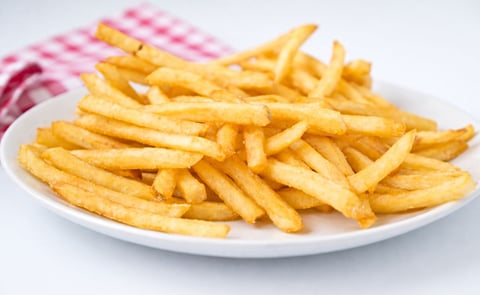
Colombia moves ahead with anti-dumping tax on the import of frozen french fries
According to a news release of the Colombian government an anti-dumping duty is recommended on the import of frozen potatoes from companies in Belgium, the Netherlands and Germany.
From the archive
Medidas ‘antidumping’ a la importación de papa congelada
November 01, 2018
Medidas ‘antidumping’ a la importación de papa congelada
El Ministerio de Comercio, Industria y Turismo de Colombia, recomendó imponer, en forma definitiva, derechos antidumping a las importaciones de este tipo de papa procedente de Bélgica, Holanda y Alemania.
From the archive
Polilla Guatemalteca (Tecia solanivora)
September 16, 2018
Desarrollan bioplaguicida que ataca la polilla guatemalteca
Es un virus que las larvas de la polilla adquieren al alimentarse de la papa tratada. Para conocer mas sobre el bioplaguicida, escuche la entrevista que Caracol Radio de Colombia realizó a la ingeniera Paola Cuartas de Agrosavia.
From the archive
Identifican cultivos ilegales de papa en los cerros de Bogotá
September 11, 2018
Identifican cultivos ilegales de papa en los cerros de Bogotá
Los cultivos fueron sembrados hace tres meses, aproximadamente. Y aunque la CAR reconoce que en la zona históricamente se ha desarrollado la agricultura, hace un llamado para que no se toquen zonas protegidas.
From the archive
Sponsored Content
Sponsored Content
Sponsored Content
La papa, el segundo alimento de los colombianos
August 29, 2018
La papa, el segundo alimento de los colombianos
En el país hay 2.02 millones de hectáreas aptas para cultivar papa y más de 110.000 productores dedicados a este cultivo.
From the archive
Tres variedades de papa resistentes a la polilla guatemalteca
August 29, 2018
Tres variedades de papa resistentes a la polilla guatemalteca
El estudio realizado por la Universidad Nacional de Colombia analizó 31 genotipos obtenidos del cruzamiento de variedades nativas y comerciales. Su objetivo fue el de seleccionar los materiales que mayor resistencia presentaron a la plaga.
From the archive
La distancia de siembra de papas criollas incide en su calidad
August 27, 2018
La distancia de siembra de papas criollas incide en su calidad
En los cultivos donde las plantas fueron sembradas a una distancia de 40 cm entre si, se produjo el mayor número de tubérculos calibre cero, que son considerados como los de mejor calidad en el mercado.
From the archive
Las grandes empresas que apoyan a los pequeños productores
August 22, 2018
Las grandes empresas que apoyan a los pequeños productores
Pequeñas asociaciones de las que dependen cientos de familias son parte de las cadenas de valor de las compañías más importantes de Colombia. Por ejemplo, en Pepsico, el 100% de los proveedores de papa y plátano son nacionales.
From the archive
Cortesía María Angélica Leal
August 10, 2018
Papa en desiertos gracias a microorganismos de la Antártida
Estas bacterias, recolectadas durante la II expedición colombiana a la Antártida, en la isla Media Luna, entre enero y febrero de 2016, podrían tener la clave para cultivar papa en zonas áridas.
From the archive
OIEA apoyará proyecto de papa criolla en Colombia
July 25, 2018
OIEA apoyará proyecto de papa criolla en Colombia
El Organismo Internacional de Energía Atómica (OIEA) financiará con US$500.000 un estudio de la Universidad Distrital Francisco José de Caldas sobre mejoramiento. La ayuda estaría representada en becas, visitas científicas, visitas de expertos internacionales y equipos.
From the archive
Sponsored Content

Current Selection 258 items. Refine:

You May Also Like

El 80% de los paperos colombianos son pequeños agricultores
July 11, 2018
El 80% de los paperos colombianos son pequeños agricultores
Entrevista a Germán Palacio, presidente de la Federación Colombiana de Productores de Papa (Fedepapa).
From the archive
Colombia: La mayor amenaza para los páramos es la papa
July 04, 2018
Colombia: La mayor amenaza para los páramos es la papa
Este tipo de cultivos es nocivo para el suelo por los químicos que utiliza.
From the archive
Colombia: La papa creció en el segmento industrial
June 27, 2018
Colombia: La papa creció en el segmento industrial
Cerca de 15% de la producción total va al sector de la papa procesada congelada.
From the archive
Papas ancestrales, una joya que los colombianos poco conocen
June 24, 2018
Papas ancestrales, una joya que los colombianos poco conocen
El afán comercial ha dejado de lado unas variedades que son muy nutritivas y deberíamos recuperar. Sobre el tema habla Olga Janeth Pérez, investigadora de Agrosavia (antes Corpoica).
From the archive
Colombia: Lanzan política pública de agricultura campesina
June 09, 2018
Colombia: Lanzan política pública de agricultura campesina
El Ministerio de Agricultura lanzó la Política Pública de Agricultura Campesina, Familiar y Comunitaria (ACFC), con la que se espera mejorar las condiciones sociales y económicas de esta población en el país.
From the archive
El sub-sector de las papas es uno de los más importantes dentro del renglón económico de la agricultura en el país.
May 23, 2018
Congreso mundial acepta estudio sobre fertilizantes en papa criolla
Investigadores de la universidad colombiana Jorge Tadeo Lozano analizaron el comportamiento de las emisiones de Gases de Efecto Invernadero (GEI), comparando el fertilizante tradicional con uno recubierto con un bio-polimeto.
From the archive

Frequently Asked Questions

Will PotatoPro edit my article?

Yes. We edit almost all submitted articles for style and layout. If you notice a change you are not happy with, contact us and we will find a solution. If you submit news before its official publication date, you can review the item privately before it goes live.

How can I get more visibility for my company’s news?

Besides free news publishing, companies can list in the PotatoPro directories, become PotatoPro sponsors, or use targeted email blasts, the Event Promotion Package and social media exposure with analytics. Find out why companies advertise on PotatoPro.

Does PotatoPro delete old news? Can I add older news?

No, we do not delete old news. News on PotatoPro goes back to 2006, and we consider it a valuable historical record of developments in the industry. If we missed a key development in the history of your company, we can still add it.

What can I do after my news is published?

Share the article with your colleagues and on the social media channels where you are active, and add it to the “Company in the news” section of your website if you have one. You are also welcome to point other media to the PotatoPro article, as long as they include a clickable link to the item on PotatoPro.

I have created an account, but I am not receiving the newsletters. What should I do?

Log in to your profile and check that you have opted in to the newsletters you would like to receive. Also check your spam or promotions folder and make sure you registered with the right email address. If you still do not receive them, contact us at info@potatopro.com. For sign-in or password issues, see the PotatoPro Login & Account FAQs.

Is reading news on PotatoPro free?

Yes. All news articles on the PotatoPro website are free to read. The PotatoPro app is also free but requires a free PotatoPro account, which also works on PotatoPro AI.

Where is PotatoPro news published and how can I follow it?

News appears on the PotatoPro News page and in the PotatoPro weekly newsletter, which you can receive by creating a free PotatoPro account. It is also available in the PotatoPro app for iPhone and iPad and Android, and shared on LinkedIn, Facebook, Instagram, X, YouTube, Telegram and Bluesky.

My company is not in the PotatoPro directory. Can I still submit news?

Yes. Companies that are not yet listed can still submit news, and they are also welcome to contact PotatoPro to be added to the Company Directory.

In what languages can I submit news?

You can submit news in any language. PotatoPro publishes in English, Spanish, Dutch and Simplified Chinese, and plans to add German, French, Arabic, Hindi and Portuguese in 2027.

How long does it take for news to be published?

It depends on the timing of the news, the editorial workload and how much editing the article needs. News from PotatoPro sponsors may be given priority.

When should I submit my news?

As soon as possible, and ideally on the day the news becomes public, even if it is only a link to material published elsewhere. Extra material such as videos or illustrations can be added later. You can also send news before it is public, as long as you clearly state the embargo date and time, including the time zone.

Can I include links in my news article?

You can include one dofollow link to an external source in the body of the text. Links to your brands, your company profile, previous news and other content about your company on PotatoPro are mostly added automatically.

Can I include a video in my news article?

Yes. We can embed videos hosted on YouTube or Vimeo. For best results, use HD quality or better, include sound, and keep the video professionally edited, ideally 1.5 to 3 minutes long.

What images should I send with my news?

Every news item on PotatoPro must have an illustration at the top, which is also used in article summaries and social media posts. The best top images are closely related to the story, eye-catching and colorful, in landscape format and at least 1,200 pixels wide. Avoid logos, pictures with a prominent logo and images with a lot of text, because Google and Facebook may not display them. Send high-resolution JPG or PNG files that you own or have permission to use, each with a caption and photo credit, and mention if an image was made using AI. Extra images for the body of the article are welcome.

What are the guidelines for writing a news article?

There is no maximum length, but we recommend more than 300 words, and we do not accept articles of fewer than 200 words. An article cannot consist only of a list; it needs paragraphs of text. Provide factual, useful information, keep sentences short, and write in the third person or include quotes attributed to a named person. Self-praise full of superlatives is unlikely to be published without heavy editing. Keep abbreviations to a minimum, and if English is not your first language, we recommend having your text reviewed by a native English speaker.

What type of news does PotatoPro accept?

PotatoPro accepts industry and company news, product launches, new facilities, appointments, technology and research updates, and other developments in the potato and savory snack industries. Submissions should give industry professionals useful information rather than being purely promotional.

How can I submit news to PotatoPro?

Email your article, press release or company announcement to news@potatopro.com. Send the text in a Word or Google document, or in the body of the email, and attach images separately. We may also pick up stories shared on X that tag @PotatoPro.

Is it free to publish news on PotatoPro?

Yes. News about the potato and snack industries is published free of charge if we consider it relevant. All submissions are subject to editorial review and will be edited for style and layout.

Filters

Refine By Topics
Refine By Regions
Refine By Year
Language preferences