Manipulating the amount of fat in children’s foods could help to reduce energy consumption without reducing taste preferences or liking, according to new research. The study, published in the journal Appetite, reports that reducing the fat contents of foods favoured by children has little effect on their liking of the food or on weight-based food intake, but markedly reduces energy intake and thus “might provide a means of lowering children's energy consumption.”
“Manipulating fat content in familiar foods served at ad libitum meals had little effect on liking and absolute weight-based food intake, but markedly influenced overall energy intake. In the high-fat meal, children consumed almost 60 per cent more calories,” wrote the researchers, led by Dr Kathleen Keller of the Columbia University College of Physicians and Surgeons, USA.
“If these findings are replicated and tested over a longer time period, manipulating fat content of well-liked, familiar foods could be a way of reducing young children's energy intake and become part of a strategy for preventing obesity ... Manipulating fat content is easily done for most dishes, and can be done by both parents and the food industry,” they added.
Fat reduction does not affect food preferences of kids
Like to receive news like this by email? Join and Subscribe!
Get the latest potato industry news straight to your WhatsApp. Join the PotatoPro WhatsApp Community!
相关新闻

八月 07, 2026
粮农组织食品价格指数7月小幅上扬,作物价格走强推升指数
联合国粮农组织食品价格指数*2026年7月平均为131.1点,较6月上涨0.7点(0.6%)。谷物、食糖和植物油价格指数上涨对总体指数的影响部分被肉类与乳制品价格的下跌所抵消。与上年同期相比,本月食品价格指数上涨了1.3点(1.0%),但仍比2022年3月的历史峰值低29.1点(18.2%)。 
八月 07, 2026
粮农组织食品价格指数8月全面上涨,食糖领涨
联合国粮农组织食品价格指数*2026年7月平均为131.1点,较6月上涨0.7点(0.6%)。谷物、食糖和植物油价格指数上涨对总体指数的影响部分被肉类与乳制品价格的下跌所抵消。与上年同期相比,本月食品价格指数上涨了1.3点(1.0%),但仍比2022年3月的历史峰值低29.1点(18.2%)。 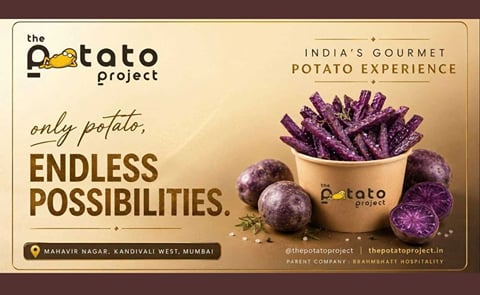
七月 30, 2026
The Potato Project opens first flagship gourmet potato restaurant in Mumbai
The Potato Project will open its first flagship outlet in Mumbai on 31 July, introducing a gourmet potato-focused QSR concept. Built around white potato, purple potato and yam, the brand plans to expand across India and into international markets.