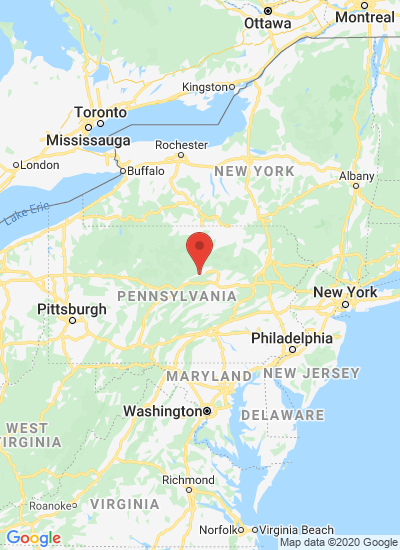

Pennsylvania State officials headed to a farm Wednesday for a look at the damage done by the flood. Entire crops have been wiped out, leaving farmers looking for help which may be available through FEMA.
Devastation pretty much sums up the potato crops CBS 21 took a look at Wednesday as water just overtook them, destroying millions of pounds of potatoes.
Keith Masser of Sterman Masser Potato Farm is a seventh generation potato farmer, and never in any of his living families’ lives have they seen anything like the flood that just came through these crops in Dalmatia, Dauphin County.
“Turned this all brown, the water just washed over the potatoes and rotted them,” Masser stated.
Sterman Masser will have to buy potatoes from other growers to make good on their obligations with area grocery stores and food services. That will set them back about $2 million.
Watch video at WHPTV
Floods destroy potato crop at Sterman Masser potato farm
Like to receive news like this by email? Join and Subscribe!
Get the latest potato industry news straight to your WhatsApp. Join the PotatoPro WhatsApp Community!
精选企业

相关新闻
九月 07, 2026
Calbee Potato Harvest Ceremony 2026 Highlights Stronger Hokkaido Potato Quality and Yield
Calbee Potato expects Hokkaido’s 2026 processing potato crop to reach 240,000–250,000 tons, with better quality and yields than 2025. Favorable temperatures and rainfall have boosted growth, although heavy rain remains a major harvest risk now.

九月 07, 2026
Aardappeldemodag 2026 Draws Over 4,500 Visitors as Dutch Potato Sector Faces Year of Extremes
Aardappeldemodag 2026 brought over 4,500 visitors to Westmaas amid a challenging year for the Dutch potato sector. The event focused on market pressures, extreme growing conditions, knowledge sharing, machinery and innovation.

九月 07, 2026
EUROPLANT与Finpom强调芬兰种薯优势,应对欧洲日益加剧的病毒压力
Finpom强调芬兰北部在高等级种薯生产方面的优势,因为气候变化提高了欧洲的病毒风险,同时通过LARISSA、JUVENTA、Filipa、FAVOLA和INA扩展了其EUROPLANT产品组合。