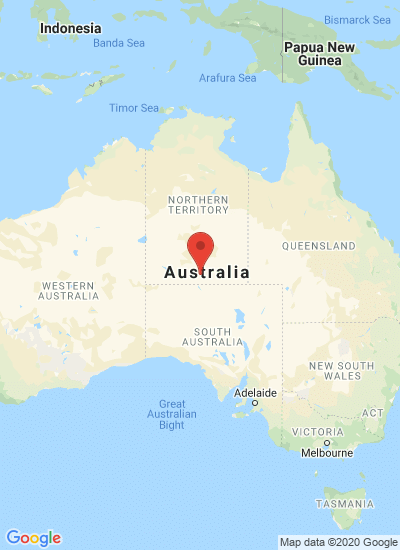

Climate scientists warn that a possible El Nino event could intensify global warming and drive new record temperatures worldwide in 2027
El Nino risk may push global temperatures to record highs in 2027
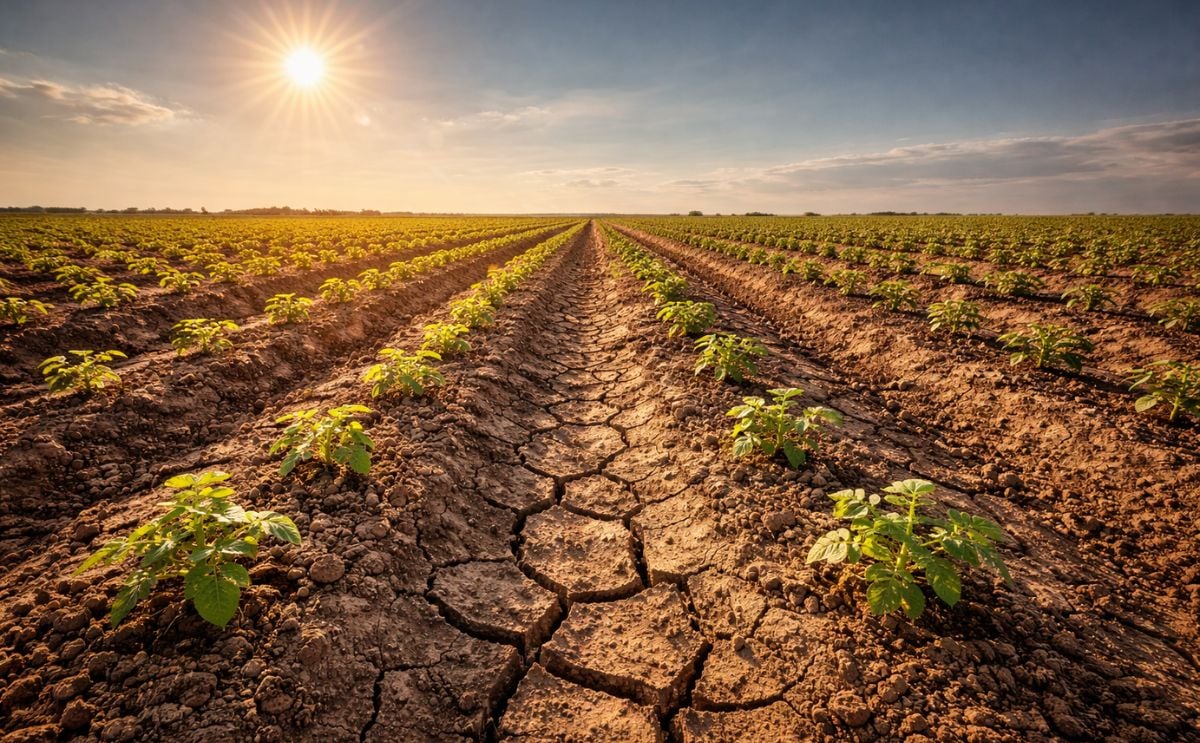
Weather agencies and climate scientists have pointed to the possibility of an El Niño forming in the Pacific Ocean later this year – a phenomenon that could push global temperatures to all-time record highs in 2027.
Both the US National Oceanic and Atmospheric Administration (NOAA) and Australia’s Bureau of Meteorology have indicated that several climate models are forecasting an El Niño, although both agencies caution that these projections carry significant uncertainty.
Experts say it remains too early for firm conclusions, but early signals in Pacific sea surface temperatures suggest that El Niño conditions could begin developing in 2026.
Growing signals in the Pacific
The cycle of ocean temperatures in the Pacific – known as the El Niño Southern Oscillation (ENSO) – is closely linked with extreme climate events around the world. When warmer-than-average waters gather in the eastern equatorial Pacific and extend toward the Americas, global temperatures typically receive an additional boost. In Australia, this pattern is often associated with drier and hotter conditions.
Australia’s Bureau of Meteorology stated that some models indicate the possibility of El Niño development from June, while stressing that this represents a very long lead time for prediction. NOAA similarly noted growing chances of El Niño but highlighted continued model uncertainty.
Scientists assess the risks
Andrew Watkins, Climate Scientist at Monash University and former Head of Long-Range Forecasts at the Bureau of Meteorology:
"We have a lot of warm water stored up in the western tropical Pacific. Typically when the trade winds ease that will slosh back to the east and warm up the areas off South America. The models are going for that to happen over autumn, which is fairly much what you would expect."
Watkins added that the precursors for El Niño are present but it remains too early to confirm development.
Andrea Taschetto, ENSO Expert at the University of New South Wales:
"The chances of an El Niño developing, or ENSO being neutral, between June and August are currently about 50/50, like tossing a coin."
Taschetto noted that the current La Niña phase is coming to an end, making longer-term forecasts particularly challenging.
Impact on future temperatures
The past three years have already ranked among the warmest on record globally. Scientists warn that another El Niño could further amplify warming trends.
Zeke Hausfather, Research Scientist at Berkeley Earth:
"If El Niño develops later this year it will likely peak around November to January and primarily impact 2027 global surface temperatures rather than 2026. This is why 2027 could set a new temperature record if a moderate to strong El Niño event develops."
Andrew Watkins:
"I would be hesitant to bet against a hottest year on record. Global heating driven by fossil fuels is now so strong that it is overtaking year-to-year variability. You might not even need a strong El Niño to see these warmer temperatures."
Like to receive news like this by email? Join and Subscribe!
Get the latest potato industry news straight to your WhatsApp. Join the PotatoPro WhatsApp Community!
相关新闻
十月 11, 2026
马德里国际马铃薯研讨会聚焦欧洲马铃薯产业的关键挑战与机遇
马德里首届国际马铃薯研讨会汇聚250位专业人士,围绕生产、贸易、植物健康、创新和可持续发展等关键挑战与机遇展开讨论,推动欧洲层面加强合作。
九月 07, 2026
Calbee Potato Harvest Ceremony 2026 Highlights Stronger Hokkaido Potato Quality and Yield
Calbee Potato expects Hokkaido’s 2026 processing potato crop to reach 240,000–250,000 tons, with better quality and yields than 2025. Favorable temperatures and rainfall have boosted growth, although heavy rain remains a major harvest risk now.

九月 07, 2026
Aardappeldemodag 2026 Draws Over 4,500 Visitors as Dutch Potato Sector Faces Year of Extremes
Aardappeldemodag 2026 brought over 4,500 visitors to Westmaas amid a challenging year for the Dutch potato sector. The event focused on market pressures, extreme growing conditions, knowledge sharing, machinery and innovation.