
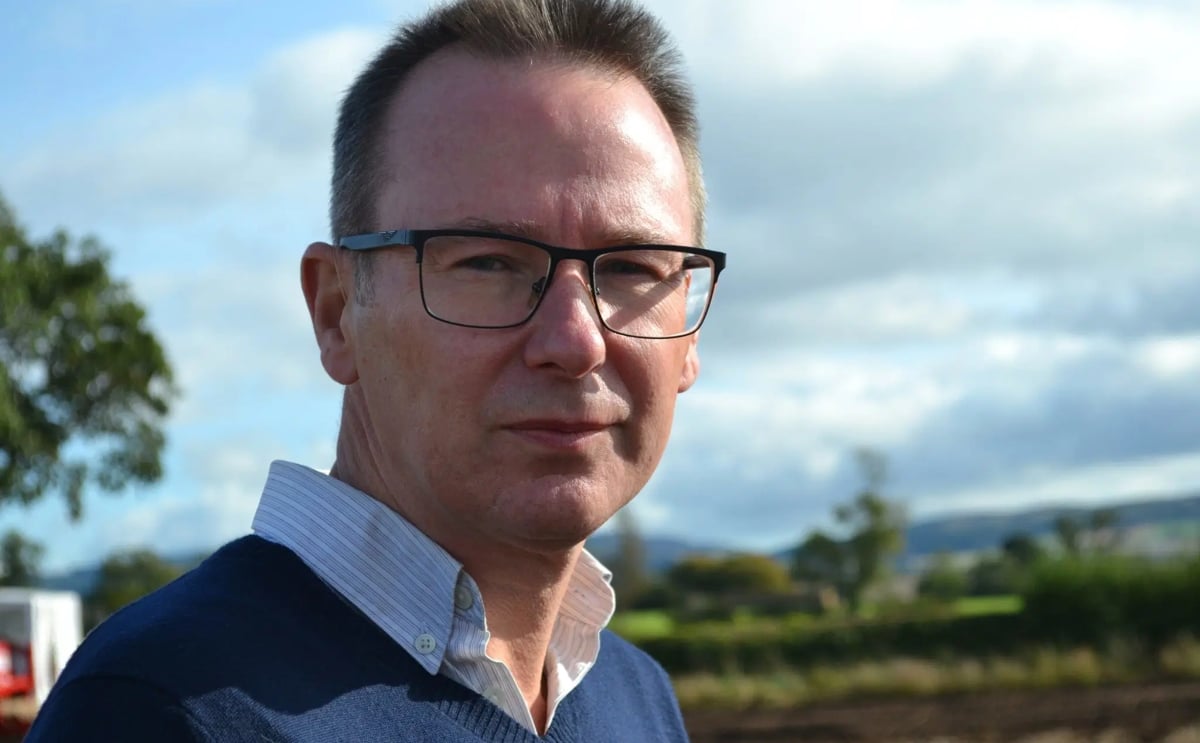
Scott Walker, CEO of GB Potatoes, warns that rising costs, market volatility and years of cumulative pressures are testing the resilience of the UK potato sector, while innovation and collaboration offer a pathway to long-term sustainability.
UK Potato Industry Faces Mounting Pressure as Rising Costs and Market Uncertainty Threaten Grower Confidence
The humble potato may not make national headlines, but for Britain’s farmers and food system it has become emblematic of wider pressures in modern agriculture. For decades, the UK potato sector has been a reliable cornerstone of the food system—affordable, versatile, and economically significant. Yet growers, packers, and processors have repeatedly faced volatility, uncertainty, and sudden price shocks. While not new, each crisis has steadily weakened resilience across the sector.
Years of Disruption Take Their Toll
From Brexit and the COVID-19 pandemic to the war in Ukraine, energy inflation, labour shortages, and extreme weather, the industry has absorbed repeated shocks. Each disruption has forced difficult commercial decisions, and over time some businesses have scaled back or exited the sector entirely. The current challenge is not a single event, but the cumulative impact of sustained pressure.
Rising Global and Domestic Cost Pressures
Global and domestic conditions are now converging. The conflict in the Middle East has driven up energy and fertiliser costs. Labour and machinery expenses continue to rise, while the removal of the Basic Payment Scheme in England has eliminated a key financial buffer that previously helped farmers manage volatility. Contract prices for potatoes have weakened this year, tightening margins across the supply chain. At the same time, depressed cereal markets are limiting alternative income streams, leaving many growers exposed and questioning the viability of the current season.
Financial Uncertainty for Growers
Although cropping decisions for the current season are largely already made, many growers are reconsidering their exposure for 2027 and beyond. Conditions vary depending on market focus and contract positions but rising costs and supply-side shocks are affecting the entire sector. Despite long-term resilience, that resilience is increasingly under strain. Without stable returns, there is concern about gradual but permanent contraction in a sector worth more than £4.5 billion (USD 6.0 billion) to the UK economy and central to national food security.
Innovation and Industry Response
Despite these challenges, there is cautious optimism. This summer, GB Potatoes—working with the National Potato Innovation Centre—will host the GB Potato Summit. The event will bring together growers, researchers, policymakers, and industry leaders to explore how science, technology, policy, and collaboration can strengthen resilience and support long-term growth.
Key priorities include tackling emerging pests and diseases, improving soil health, and reducing reliance on costly inputs. Innovation and practical policy frameworks are expected to play a central role in shaping the sector’s future.
Policy Alignment and Future Growth
The UK potato industry is seen as having strong growth potential, supported by smarter technologies, science-led farming practices, and evolving consumer demand. However, this will require closer alignment between government policy, research investment, and supply chain innovation. This aligns with the UK Government’s proposed Food Strategy, Scotland’s National Good Food Nation Plan, and the new Farming and Food Partnership Board.
A Sector at a Crossroads in an Uncertain Era
The industry is not facing a single defining turning point, but rather an ongoing period of uncertainty. Businesses continue to adapt to rising risks and weakening resilience. While difficult decisions lie ahead, the sector is not without hope. Through decisive action, partnership, and innovation, the UK potato industry could emerge stronger and more resilient.
Conclusion: A Barometer for British Agriculture
Long taken for granted, the potato may ultimately serve as a barometer for the wider challenges and opportunities facing British agriculture in the 21st century. The coming months will test leadership, resilience, and innovation—and those who act now will help shape the future of one of the nation’s most essential crops for decades to come.
Like to receive news like this by email? Join and Subscribe!
Get the latest potato industry news straight to your WhatsApp. Join the PotatoPro WhatsApp Community!
精选企业


相关新闻
九月 07, 2026
Calbee Potato Harvest Ceremony 2026 Highlights Stronger Hokkaido Potato Quality and Yield
Calbee Potato expects Hokkaido’s 2026 processing potato crop to reach 240,000–250,000 tons, with better quality and yields than 2025. Favorable temperatures and rainfall have boosted growth, although heavy rain remains a major harvest risk now.

九月 07, 2026
Aardappeldemodag 2026 Draws Over 4,500 Visitors as Dutch Potato Sector Faces Year of Extremes
Aardappeldemodag 2026 brought over 4,500 visitors to Westmaas amid a challenging year for the Dutch potato sector. The event focused on market pressures, extreme growing conditions, knowledge sharing, machinery and innovation.

九月 07, 2026
EUROPLANT与Finpom强调芬兰种薯优势,应对欧洲日益加剧的病毒压力
Finpom强调芬兰北部在高等级种薯生产方面的优势,因为气候变化提高了欧洲的病毒风险,同时通过LARISSA、JUVENTA、Filipa、FAVOLA和INA扩展了其EUROPLANT产品组合。