


July 31, 2019
Four late blight 'resistancy' genes in current commercial potato varieties already defeated by Phytophthora Infestans
Recent research at the James Hutton Institute suggests that limited genetic differences in potato lineages has left British and American spuds vulnerable to late blight, the disease that caused the Irish potato famine.

May 15, 2019
Breakthrough research: potatoes can grow at high temperatures
If there’s one thing potato plants don’t like, it’s heat. If the temperature is too high, potato plants form significantly lower numbers of tubers or sometimes none at all. Biochemists at FAU have now discovered the reason why.

February 06, 2019
AHDB working to develop export markets for GB Seed Potatoes
After spending 2018 opening the doors to new markets for British seed potatoes, the AHDB Exports team will focus in 2019 on strengthening relationships with existing markets.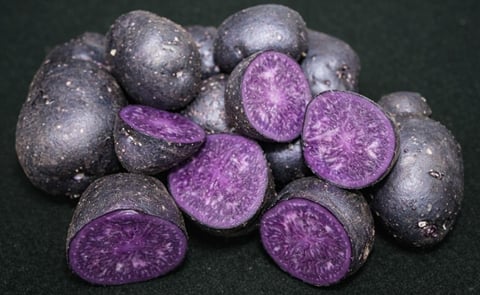
January 12, 2019
Gene find unlocks potato coloring
Scientists at The James Hutton Institute say discovery could help breed new colourful and improved potato varieties
December 21, 2018
United Kingdom Potato Sales up to 2.2 million tonnes
Shoppers in the United Kingdom bought 1.4 per cent more fresh potatoes this year compared to last year and 3 per cent more than in 2015, new data shows.
December 12, 2018
ITC's Technico partners with James Hutton Institute to introduce new potato varieties in India
James Hutton Limited, has entered into a five-year agreement with Technico Agri Sciences, a subsidiary of Indian company ITC Limited, to provide 16 potato varieties and 600 clones to be trialled and tested in India.
Sponsored Content
Sponsored Content
Sponsored Content

August 14, 2018
Climate-resilient spuds in focus at Potatoes in Practice 2018
Research at the James Hutton Institute has identified genetic variations which can help protect potato crop yields at high temperature, potentially providing potato breeders with a valuable tool in their quest to create varieties resilient to heat stressFrom the archive

July 01, 2018
Three new seed potato varieties from the UK recommended for export to Kenya
Based on extensive trials (two years, three separate farms, ten potato varieties) in a joint effort of AHDB, James Hutton Ltd, SASA and Seeds2B Africa (part of the Syngenta Foundation) three GB potato varieties have been recommended for release in Kenya.From the archive


April 14, 2018
Potato Blight Trends in Europe: EuroBlight 2017 Results
The EuroBlight project is examining the ongoing evolution of the potato late blight pathogen (Phytophthora infestans). In 2017, almost 1500 samples from 16 countries in Europe were genotyped. The results indicate that new clones continue to spread.From the archive
