

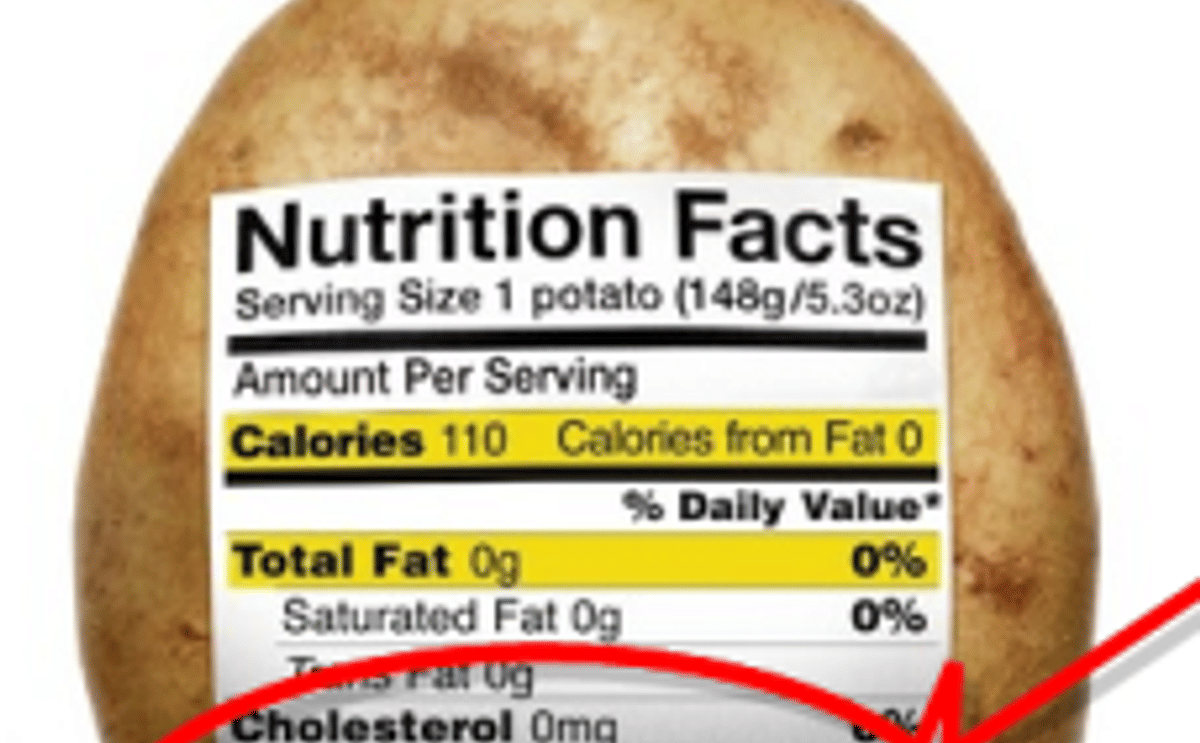
An increased intake of 'good' potassium salts could contribute significantly to improving blood pressure at the population level. The favourable effect brought about by potassium is even estimated to be comparable with the blood pressure reduction achievable by halving the intake of 'bad' sodium salts (mostly from table salt). Those are the conclusions drawn by Linda van Mierlo and her colleagues at Wageningen University, part of Wageningen UR, and Unilever in their investigation of the consumption of potassium in 21 countries. An article describing their findings appeared in the journal Archives of Internal Medicine on 13 September.
The risk of developing cardiovascular diseases rises as blood pressure increases. In Western countries only 20-30% of the population has 'optimal' blood pressure, with the systolic (maximum) pressure being lower than 120 mm Hg* and the diastolic (minimum) pressure lower than 80 mm Hg. Blood pressure increases with age in most people. Men more often have a higher blood pressure than women.
Diet and lifestyle plays an important role in managing blood pressure. High intakes of sodium and low intakes of potassium have unfavorable effects on blood pressure. Therefore, reducing the consumption of sodium and increasing the consumption of potassium are both good ways to improve blood pressure.
The study carried out by food researchers from the Human Nutrition department at Wageningen University and from the Nutrition &Health department at Unilever demonstrates that the average potassium intake in 21 countries including the US, China, New Zealand, Germany and the Netherlands varies between 1.7 and 3.7 g a day. This is considerably lower than the 4.7 g a day, which has been recommended based on the positive health effects observed at this level of intake.
A hypothetical increase in the potassium intake to the recommended level would reduce the systolic blood pressure in the populations of these countries by between 1.7 and 3.2 mm Hg. This corresponds with the reduction that would occur if Western consumers were to take in 4 g of salt less per day. The intakes of both potassium and sodium are therefore of importance in preventing high blood pressure.
Earlier studies have shown that salt reduction of 3 g per day in food could reduce blood pressure and prevent 2500 deaths per year due to cardiovascular diseases in the Netherlands. In Western countries, salt consumption can be as high as 9-12 g a day whereas 5 g is the recommended amount according to WHO standards. Most household salt is to be found in processed foods such as bread, ready-made meals, soups, sauces and savoury snacks and pizzas. An effective way of increasing potassium intake is to follow the guidelines for healthy nutrition more closely, including a higher consumption of vegetables and fruit. In addition, the use of mineral salts in processed foods - by which sodium is partly replaced by potassium - would contribute to an improved intake of both sodium and potassium. Additional material on this research
Consumption of 'good' potassium salt can reduce population blood pressure levels
¿Te gustaría recibir noticias como esta por correo electrónico? ¡Únete y suscríbete!
Get the latest potato industry news straight to your WhatsApp. Join the PotatoPro WhatsApp Community!
Empresa Destacada

Noticias relacionadas

Octubre 12, 2026
Brasil: la papa Asterix cae 12,9 por ciento en São Paulo tras un fuerte inicio de octubre
En São Paulo, la papa Asterix lavada cayó 12,86% el 8 de octubre hasta R$ 117,33 por bolsa de 50 kilos, aunque todavía se mantiene alrededor de 21% por encima de su cotización al comienzo del mes.

Octubre 12, 2026
México se prepara para CONPAPA 2026, encuentro clave de la industria nacional de la papa
El Congreso Nacional de Papa se celebrará del 14 al 16 de octubre en el Centro Banamex de Ciudad de México, reuniendo a productores, empresas, autoridades, investigadores y proveedores de tecnología.

Octubre 12, 2026
Colombia: menor superficie sembrada impulsa 78% el precio de la papa
En Colombia, el precio de la papa aumentó 78,28% interanual en septiembre, impulsado por una menor superficie sembrada tras las pérdidas de 2025 y por dificultades climáticas que redujeron la disponibilidad en el mercado.