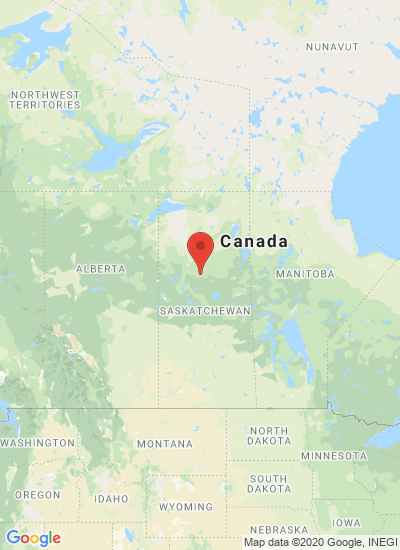

Late blight has been identified in eight parishes across the Canadian province New Brunswick, threatening the crops of potato farmers.
Scientists are urging potato farmers who have the fungus in their fields to treat it quickly and aggressively.
"If the area is a larger area, what we recommend is that the grower top-kill that area. So they use a chemical that kills the plant,"said Dr. Khalil Al-Mughrabi a potato pathologist with the Potato Development Centre in Wicklow.
This summer's humid weather is the perfect condition for late blight, which can wipe out entire crops, said Al-Mughrabi.
It also spreads quickly, he said, noting the first case in the province was only reported at the end of July.
Late Blight threatens potato crops in New Brunswick
¿Te gustaría recibir noticias como esta por correo electrónico? ¡Únete y suscríbete!
Get the latest potato industry news straight to your WhatsApp. Join the PotatoPro WhatsApp Community!
Noticias relacionadas

Octubre 11, 2026
El Simposio Internacional de la Patata en Madrid destaca los principales retos y oportunidades del sector europeo de la patata
El primer Simposio Internacional de la Patata en Madrid reunió a 250 profesionales para debatir los principales retos y oportunidades de la cadena de valor de la patata.

Septiembre 28, 2026
México: menor oferta de papa podría impulsar los precios durante el invierno
En México, el cierre de cosechas, los menores rendimientos y la reducción de la superficie sembrada podrían restringir la oferta de papa y generar presión al alza sobre los precios entre diciembre de 2026 y febrero de 2027.

Septiembre 28, 2026
España: la sequía reduce la cosecha de patatas en 2026
La producción española de patata caerá entre un 8% y un 10% en 2026, hasta unos 1,8 millones de toneladas, con descensos de hasta 35% en Andalucía debido principalmente a la sequía y los menores rendimientos.