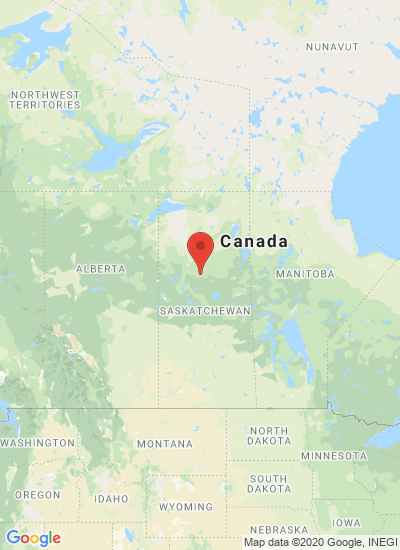

The Canadian Food Inspection Agency (CFIA) has completed all potato cyst nematode (PCN) soil sampling and testing of the 2010 seed potato crop and PCN was not detected.
Over 43,200 soil samples were collected and analysed as part of Canada's 2010 national PCN detection survey. The CFIA, working with Canadian seed potato growers, prioritized these samples to meet importing countries' requirements and export deadlines.
The CFIA, with the support of Canadian seed potato growers and other stakeholders, has tested approximately 80 percent of the entire 2010 Canadian seed potato production area.
The Government of Canada is committed to working with stakeholders on ongoing PCN detection surveys to facilitate continued market access for Canadian seed potatoes and other potentially affected commodities, while working to protect all sectors against the spread of PCN.
No Potato Cyst Nematodes found in Canada in 2010 CFIA survey

¿Te gustaría recibir noticias como esta por correo electrónico? ¡Únete y suscríbete!
Get the latest potato industry news straight to your WhatsApp. Join the PotatoPro WhatsApp Community!
Noticias relacionadas

Octubre 12, 2026
Brasil: la papa Asterix cae 12,9 por ciento en São Paulo tras un fuerte inicio de octubre
En São Paulo, la papa Asterix lavada cayó 12,86% el 8 de octubre hasta R$ 117,33 por bolsa de 50 kilos, aunque todavía se mantiene alrededor de 21% por encima de su cotización al comienzo del mes.

Octubre 12, 2026
México se prepara para CONPAPA 2026, encuentro clave de la industria nacional de la papa
El Congreso Nacional de Papa se celebrará del 14 al 16 de octubre en el Centro Banamex de Ciudad de México, reuniendo a productores, empresas, autoridades, investigadores y proveedores de tecnología.

Octubre 12, 2026
Colombia: menor superficie sembrada impulsa 78% el precio de la papa
En Colombia, el precio de la papa aumentó 78,28% interanual en septiembre, impulsado por una menor superficie sembrada tras las pérdidas de 2025 y por dificultades climáticas que redujeron la disponibilidad en el mercado.