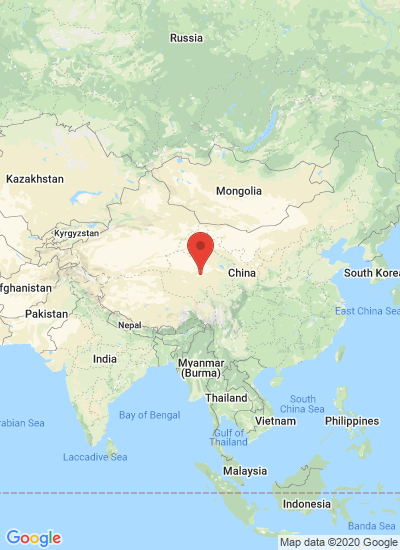

Seed potato production in Qinghai, China, benefits from high altitude, clean soils and low disease pressure, making the region a key 'super-clean zone' for supplying high-quality seed potatoes to southern winter cropping areas
Qinghai Emerges as a Strategic Hub for High-Quality Seed Potato Production in China

Potato seeds rarely make national headlines. Yet in China's western highlands, they are becoming a strategic asset. For years, discussions about food security have focused on acreage, yields and imports. But the real foundation of agricultural security is seeds. Without reliable, high-quality sources of seeds, productivity gains remain fragile and can easily be reversed.
This is precisely where Qinghai potato seed industry enters the national picture. Located on the northern edge of the Qinghai-Xizang Plateau, often described as the "roof of the world", Qinghai offers natural advantages for seed potato production. High altitude, strong solar radiation, cool temperatures, clean soils and an exceptionally low incidence of soil-borne diseases create near-ideal conditions for producing high-quality seed potatoes.
Super-clean production zone
At a time when many of China traditional seed potato regions are struggling with disease pressure, variety degeneration and declining quality, Qinghai has emerged as a rare "super-clean zone". Seed potatoes produced in the region are widely recognized for their strong plant health, stability and yield potential.
These seed potatoes supply key winter cropping areas in southern China. In many ways, natural conditions have already created a strong foundation for seed production. The remaining challenge is to transform this ecological advantage into long-term industrial strength.
Growing demand for high-quality seed potatoes
Currently, Qinghai seed potato production remains modest compared with national demand. As southern winter cropping regions increasingly rely on disease-free and high-yield seed varieties, supply limitations are becoming more visible.
Expanding potato breeding and seed production capacity would therefore bring dual benefits. It would strengthen national seed security while also creating new and sustainable income opportunities for rural communities in the region.
Structural bottlenecks in the industry
Qinghai has already established a four-tier seed propagation and extension system covering provincial, county, township and village levels. However, several constraints continue to limit the industry development.
One major issue is the narrow range of varieties. While flagship varieties such as Qingshu 9 perform well, there remains a shortage of specialized varieties designed for fresh consumption, processing or niche markets. In addition, breeding efforts still rely largely on conventional methods, while modern tools such as molecular breeding and genomic selection remain underutilized.
Infrastructure also presents a challenge. Many seed production facilities were built before the 14th Five-Year Plan (2021–2025) and are now facing equipment deterioration and capacity limitations. These factors increase production costs, contribute to post-harvest losses and place pressure on existing seed supply systems.
Ecology as a development advantage
Environmental protection plays a central role in Qinghai development strategy. As the source region of major rivers and a critical ecological security barrier — including areas such as the Three-River Source and Qinghai Lake — environmental conservation is considered a defining advantage rather than a limitation.
Looking ahead, the future of Qinghai potato seed industry will depend on integrating ecological protection with technological upgrading. Abundant green electricity resources could support smart greenhouses, plant factories and modern cold-chain storage facilities, enabling low-carbon seed breeding and storage systems.
Technology and sustainable farming
Expanding computing capacity and digital technologies can support molecular design breeding, precision water and fertilizer management and full-chain quality traceability. These technologies can significantly improve production efficiency and resource utilization across the seed potato supply chain.
Low-carbon agricultural practices, including conservation tillage and ecological recycling systems, also play an important role in protecting soil health and water resources while supporting sustainable seed production.
Policy planning and future outlook
With targeted policy planning, green finance incentives and dedicated scientific research support, Qinghai seed potato industry could transition toward a technology-intensive and environmentally sustainable development model.
The region unique ecological status as a "super-clean" production area could eventually translate into stronger brand credibility, higher market premiums and long-term competitiveness within the national seed industry.
As China moves into the 15th Five-Year Plan period (2026–2030), strengthening seed security will become increasingly important. Qinghai experience demonstrates how ecological protection, technological innovation, rural income growth and national food security can work together to support the long-term development of the potato seed sector.
¿Te gustaría recibir noticias como esta por correo electrónico? ¡Únete y suscríbete!
Get the latest potato industry news straight to your WhatsApp. Join the PotatoPro WhatsApp Community!
Noticias relacionadas

Septiembre 28, 2026
México: menor oferta de papa podría impulsar los precios durante el invierno
En México, el cierre de cosechas, los menores rendimientos y la reducción de la superficie sembrada podrían restringir la oferta de papa y generar presión al alza sobre los precios entre diciembre de 2026 y febrero de 2027.

Septiembre 28, 2026
España: la sequía reduce la cosecha de patatas en 2026
La producción española de patata caerá entre un 8% y un 10% en 2026, hasta unos 1,8 millones de toneladas, con descensos de hasta 35% en Andalucía debido principalmente a la sequía y los menores rendimientos.

Septiembre 23, 2026
Chile: buscan mejorar el diagnóstico molecular de la sarna polvorienta y la sarna común en papa
En Chile, el proyecto SCAB-ID 2.0 busca validar un sistema de qPCR multiplex capaz de detectar y diferenciar simultáneamente la sarna polvorienta y la sarna común de la papa, con miras a transferirlo a laboratorios de diagnóstico agrícola.
Últimas noticias


Contenido Patrocinado
Contenido Patrocinado
Contenido Patrocinado