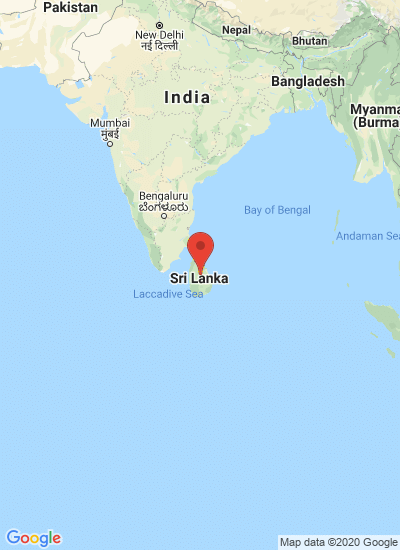
Sri Lanka has increased the tax on imported potatoes from Rs 15 to Rs 25 per kilo (from USD 0.11 to USD 0.19) to protect the interests of local potato farmers.
This order is in effect for next four months.
The consumption of potato in Sri Lanka has increased three fold. The country produces only 40 percent of the total requirement and therefore spends a huge sum of money annually to import potatoes.
There are around 50,000 potato farmers in Sri Lanka. The government provides incentives for farmers to increase the production of potatoes. The government would not be able to safeguard their interests without imposing tax. Nearly 2.6 million people depend on agriculture in the country. That is why the government provides a bag of fertilizer for farmers at a discount.
Sri Lanka increases taxes on imported potatoes to protect local farmers
¿Te gustaría recibir noticias como esta por correo electrónico? ¡Únete y suscríbete!
Get the latest potato industry news straight to your WhatsApp. Join the PotatoPro WhatsApp Community!
Noticias relacionadas

Noviembre 03, 2026
Uruguay: ALAP 2027 ya prepara cuatro conferencias magistrales
El Congreso ALAP 2027, que se celebrará por primera vez en Uruguay, avanza en la definición de su programa con cuatro conferencias magistrales, dos mesas redondas, talleres técnicos y un día de campo, y prevé reunir a representantes de más de 15 países.

Noviembre 03, 2026
Brasil: mayor oferta de papa presiona los precios mayoristas, que caen hasta 20,8 por ciento en una semana
En Brasil, la mayor oferta de papa tras una pausa en las lluvias provocó caídas de precios mayoristas de hasta 20,8% durante la tercer semana de octubre, aunque las cotizaciones registraron una recuperación parcial durante la última semana del mes.

Noviembre 03, 2026
Colombia: Gobierno y productores buscan elevar la productividad de papa de 30 a 50 toneladas por hectárea
Colombia y los productores de papa acordaron una hoja de ruta para reducir costos de producción, de COP 35 millones por hectárea, y elevar los rendimientos de 30 a 50 toneladas por hectárea mediante tecnología, mecanización y mejoras comerciales.