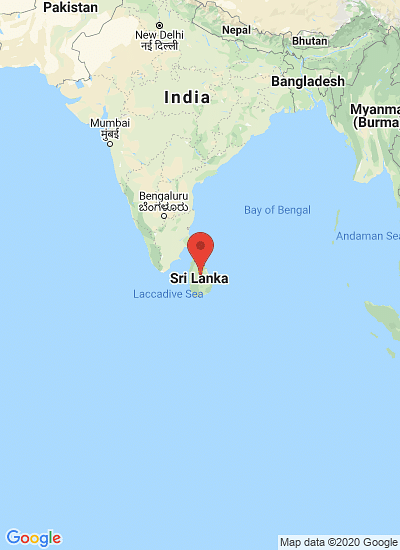

Sri Lanka has increased the tax on imported potatoes from Rs 15 to Rs 25 per kilo (from USD 0.11 to USD 0.19) to protect the interests of local potato farmers.
This order is in effect for next four months.
The consumption of potato in Sri Lanka has increased three fold. The country produces only 40 percent of the total requirement and therefore spends a huge sum of money annually to import potatoes.
There are around 50,000 potato farmers in Sri Lanka. The government provides incentives for farmers to increase the production of potatoes. The government would not be able to safeguard their interests without imposing tax. Nearly 2.6 million people depend on agriculture in the country. That is why the government provides a bag of fertilizer for farmers at a discount.
Sri Lanka increases taxes on imported potatoes to protect local farmers
¿Te gustaría recibir noticias como esta por correo electrónico? ¡Únete y suscríbete!
Get the latest potato industry news straight to your WhatsApp. Join the PotatoPro WhatsApp Community!
Noticias relacionadas
Septiembre 28, 2026
México: menor oferta de papa podría impulsar los precios durante el invierno
En México, el cierre de cosechas, los menores rendimientos y la reducción de la superficie sembrada podrían restringir la oferta de papa y generar presión al alza sobre los precios entre diciembre de 2026 y febrero de 2027.

Septiembre 28, 2026
España: la sequía reduce la cosecha de patatas en 2026
La producción española de patata caerá entre un 8% y un 10% en 2026, hasta unos 1,8 millones de toneladas, con descensos de hasta 35% en Andalucía debido principalmente a la sequía y los menores rendimientos.

Septiembre 23, 2026
Chile: buscan mejorar el diagnóstico molecular de la sarna polvorienta y la sarna común en papa
En Chile, el proyecto SCAB-ID 2.0 busca validar un sistema de qPCR multiplex capaz de detectar y diferenciar simultáneamente la sarna polvorienta y la sarna común de la papa, con miras a transferirlo a laboratorios de diagnóstico agrícola.