
De aardappelmarkt is momenteel in een negatieve spiraal beland waarbij de verschillende belanghebbenden zich afvragen wanneer het laagste punt wordt bereikt. De uitermate flauwe stemming is goed terug te zien aan de relatief grote daling op de handelsbeurs van Rotterdam. M.n. de onderkant van de notering voor 40 mm opw. wit- en geelvlezige fritesaardappelen van slechts € 75,00 per ton (€ 7,50 per ton minder dan de week ervoor!) kan als een flinke domper voor de markt worden beschouwd. Ook de regionale beurs van Goes noteerde dinsdag, 19 februari voor 35 mm opw. fritesaardappelen gemiddeld slechts € 7,75, € 0,75 lager dan de week er voor. De flauwe stemming wordt verder nog eens versterkt door het feit dat de Belgische telersprijs voor 35 mm opw. fritesaardappelen van het PCA dinsdag, 19 februari voor het eerst dit seizoen aan de onderkant van de notering uitkwam op € 6,60 per 100 kg excl. BTW. De uiteindelijk prijsrange werd vast gesteld op € 6,60 tot € 7,00 per 100 kg excl. BTW.
Aardappelmarkt in negatieve spiraal
Like to receive news like this by email? Join and Subscribe!
Get the latest potato industry news straight to your WhatsApp. Join the PotatoPro WhatsApp Community!
Related News
September 20, 2026
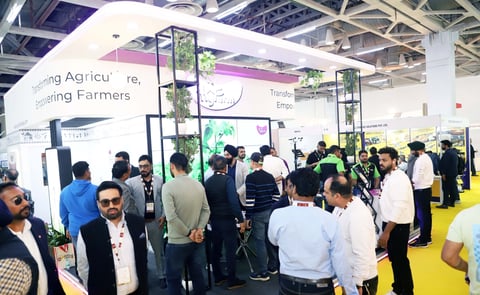
Global Potato Summit 2026 to Bring Global Potato Industry to Gandhinagar
Global Potato Summit 2026, 16–17 Dec in Gandhinagar, brings the global potato industry together for exhibition, conference, networking, awards and farm/factory visits, creating opportunities for business, technology, partnerships and new markets.

September 20, 2026
Tasmanian Potato Growers Sign Simplot Contracts With Average 2.5 Percent Price Cut
Most Tasmanian potato growers supplying Simplot have signed new contracts after TasFarmers reported an average 2.5 percent price cut, raising concerns over rising production costs and the long-term sustainability of the sector.

September 18, 2026
Royal HZPC Group: Potato Breeding Is the First Step Towards More Resilient and Sustainable Production
Royal HZPC Group highlights how potato breeding can reduce disease pressure and crop protection needs, while Integrated Crop Management and climate adaptation help build more resilient and sustainable production systems.