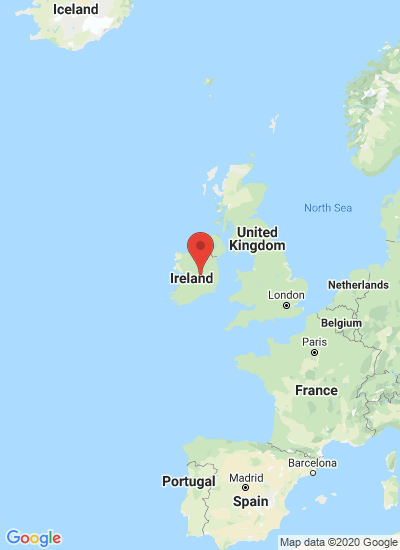

Irish Research Institute Teagasc hopes to begin planting out more than 5,000 potato plants in the next two weeks, in the second phase of its study into the environmental impact of blight-resistant genetically modified (GM) potatoes.
The agricultural development body began the study last year by planting 48 GM and non-GM potato plants at its Oakpark crops research centre in Carlow. Its senior research officer Dr Ewen Mullins said he hoped planting would get under way later this week if the ground was not too dry.
Some 5,274 plants will be planted across two acres. One-third are GM plants, one-third are non-GM and the final third are the organic Sarpo Mira variety. Sarpo Mira is known for its blight resistance, although the eating and processing quality of the plant are not as good as some commercial varieties.
The study is part of the EU-funded Amiga project which has partners in 15 EU states, all involved in research to assess the impact of genetically modified plants on agro ecosystems.
Teagasc GM potato study to begin second phase

Like to receive news like this by email? Join and Subscribe!
Get the latest potato industry news straight to your WhatsApp. Join the PotatoPro WhatsApp Community!
Uitgelichte Bedrijven

Gerelateerd nieuws

september 07, 2026
Calbee Potato Harvest Ceremony 2026 Highlights Stronger Hokkaido Potato Quality and Yield
Calbee Potato expects Hokkaido’s 2026 processing potato crop to reach 240,000–250,000 tons, with better quality and yields than 2025. Favorable temperatures and rainfall have boosted growth, although heavy rain remains a major harvest risk now.

september 07, 2026
Aardappeldemodag 2026 Draws Over 4,500 Visitors as Dutch Potato Sector Faces Year of Extremes
Aardappeldemodag 2026 brought over 4,500 visitors to Westmaas amid a challenging year for the Dutch potato sector. The event focused on market pressures, extreme growing conditions, knowledge sharing, machinery and innovation.

september 07, 2026
EUROPLANT en Finpom onderstrepen het voordeel van Finse pootaardappelteelt bij toenemende viruisdruk in Europa
Finpom wijst op de voordelen van Noord-Finland voor de productie van hoogwaardige pootaardappelen terwijl klimaatverandering de virusrisico's in Europa doet toenemen, en breidt zijn EUROPLANT-assortiment verder uit met LARISSA, JUVENTA, Filipa, FAVOLA en INA.