Peter Gerritsen in tending this year’s crop of tissue-culture Potato Plantlets
A Maine family farm thrives by growing specialty potatoes

Aroostook County has long been referred to as Maine’s Potato Empire. Because of the relatively short season in the County and its rich, fertile soil, potatoes became the dominant crop as non-indigenous settlement increased in the 19th century. By the middle of the 20th century, Aroostook County was the largest potato growing area in the country - the empire was at its zenith.
With consolidation, potato farms are bigger but fewer in number. Roughly a quarter million acres of land were in potato production at the empire’s peak. Now the acreage is roughly a quarter of that, with much of the potato crop going to chips or fries. Although yields are certainly up per acre from 100 years ago, competition from western states and changes in the market has dislodged Aroostook County from its position as top potato producer.
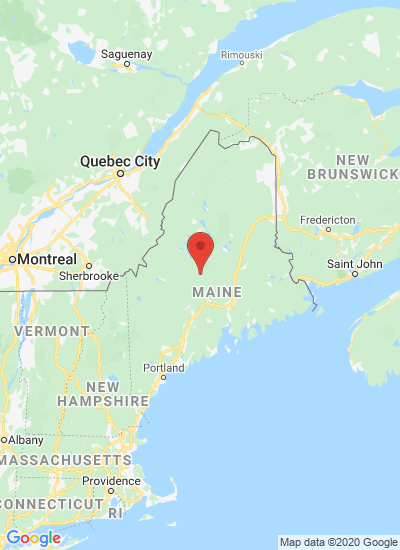
Wood Prairie Family Farm in Bridgewater is bucking the trend and has been doing so for decades. Jim Gerritsen started the farm in 1976. The farm currently grows 10 acres of potatoes, selling seed potatoes across the nation - both wholesale and retail. Gerritsen emphasizes the retail end of the game.
Jim Gerritsen:
"We need to sell as close to the end user as we can - gardeners. Business is good. The years 2020 and 2021 were the best years for seed since World War II."
Discerning customers
Wood Prairie Family Farm harvests roughly 200,000 pounds of potatoes a year. The farm tries to get a good price for the product - specialty organic seed potatoes marketed to discerning customers.
Jim Gerritsen:
"One can always find less expensive potatoes than ours, but our quality is quite good."
He explains that in order to have a comparable business selling commodity potatoes, the farm would need to grow at least 200 acres. Gerritsen knows the ins and outs of Maine potato farming in more detail than most. He says consolidation has been the name of the game for quite some time - not just in Aroostook County.
Jim Gerritsen:
"As a reflection of this trend, in the mid-1970s there were 145,000 acres of potatoes grown by 1,200 potato farmers. Today there are about 52,000 acres grown by under 100 farmers."
The state lists 34 growers as certified seed potato producers, with four of them being organic.
Jim Gerritsen:
"Most farmers are spending virtually all of their time on production. We spend the majority of our time on marketing."
With a colorful, informative catalog produced annually and frequent YouTube videos explaining the nitty gritty of growing organic seed potatoes in far northern Maine, the Gerritsens aim to engage directly with as many customers as possible.
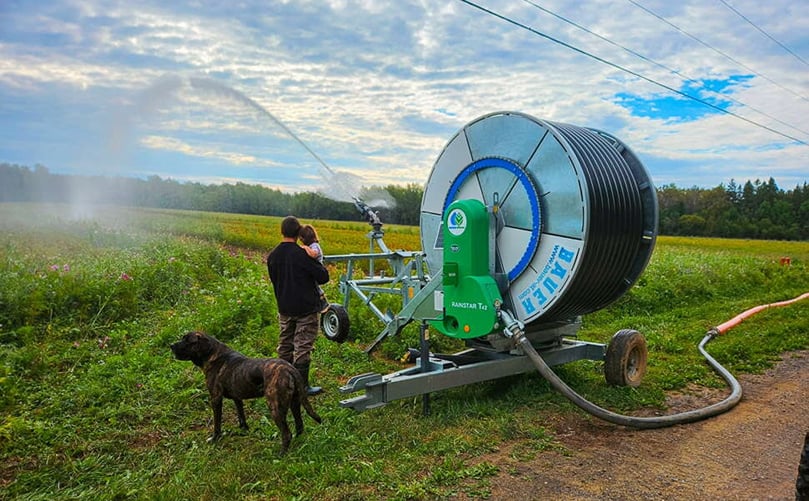
Caleb Gerritsen and daughter monitoring irrigation system
Humble beginnings
Jim Gerritsen started his farm as a young man, camping on raw land. Now, the place boasts considerable infrastructure - and a thriving family. Jim’s son Caleb is in charge of day-to-day operations and the workforce also includes Jim’s wife Megan, oldest son Peter, a full-time employee and a few part-time helpers as well. Wood Prairie Family Farm produces its own potato seed.
Jim Gerritsen:
"Most of our competitors are companies that buy from seed growers."
While producing seed is laborious and time-consuming, it allows the farm to be more in control of the overall business plan. If things go wrong, this model can mean delays in producing a marketable product. Farms that buy from the multitude of seed producers across the nation rather than producing their own seed are in a different position than the Gerritsens. Wood Prairie Family Farm is more self-reliant and more of a closed loop. With a business model focused on marketing and margins rather than volume, Wood Prairie Family Farm is all about planning ahead.
Jim Gerritsen:
"You’re projecting into the future."
The farm’s catalog boasts twenty-four varieties of potatoes, including their own Prairie Blush and more common varieties like the Maine-bred Caribou Russet. The farm also offers somewhat unusual varieties such as Rose Finn Apple Fingerlings, an heirloom from the 19th century, and King Harry, a potato bred using traditional - not genetically modified - methods at Cornell University to be resistant to Colorado potato beetles.
Wood Prairie Family Farm also offers a variety of organic vegetable, herb, flower and cover crop seeds which they source from reliable growers. In fact, everything sold by Wood Prairie Family Farm is certified organic. Disease is another factor that can gum up the works on a seed potato farm. Gerritsen explains that a virus is currently ravaging potato crops worldwide. If the virus is at appreciable levels in a crop, it can’t be sold.
Jim Gerritsen:
"You can lose three years’ worth of work."
All the work and planning can certainly pay off. Gerritsen’s favorite potato to grow is Prairie Blush.
Jim Gerritsen:
"It’s a clonal variant that we discovered on our farm in 2001."
Originating from the popular and ubiquitous Yukon Gold, Prairie Blush is a moister eating potato and sets more tubers than its parent. Demand for Prairie Blush is high among Wood Prairie Family Farm’s customers. Gerritsen says steady customer demand is encouraging and adds that the farm is likely the only one growing that specialty potato at large scale.
Another essential part of planning and making a profit is the proper crop rotation. Wood Prairie Family Farm employs a four-year rotation, utilizing clover and timothy to help build soil fertility. The end of the rotation is time to plant a combination of buckwheat and rapeseed, a brassica that helps bio fumigate the soil and prevent disease.
In years past, the University of Maine has conducted research on Gerritsen’s farm - and other farms - to test the effectiveness of using brassicas for this purpose. Only on the fifth year does a particular piece of ground return to potatoes. Wood Prairie Family Farm follows the concept long touted by organic producers - feed the soil and the soil will feed the crop.
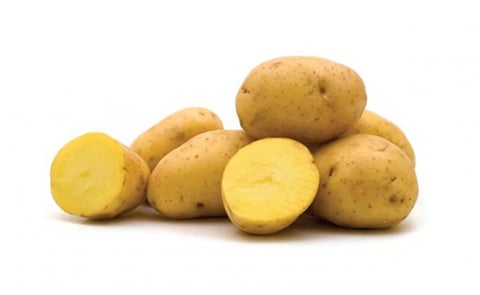
Yukon Gold, a widely grown potato with yellow flesh, is the farm’s best seller, according to Jim Gerritsen. While he acknowledges the variety’s good points, he also thinks that consumers sometimes follow habits - they buy the variety they are used to, much how many consumers buy Red Delicious apples because that was the industry standard for so many years in North America. Gerritsen sees the farm continuing as a family-farm-based business.
Jim Gerritsen:
"We’re reaching for an improved economy of scale for the mail order internet seed business world we entered into 35 years ago. Whether we print one catalog or 1 million catalogs, it takes the same amount of creative effort. The amount of paper and ink is the only thing that changes as you grow larger."
Like to receive news like this by email? Join and Subscribe!
Get the latest potato industry news straight to your WhatsApp. Join the PotatoPro WhatsApp Community!
Uitgelichte Bedrijven


Gerelateerd nieuws
september 07, 2026
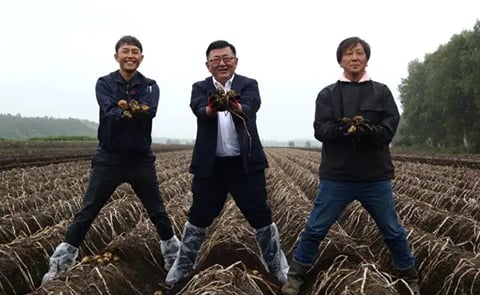
Calbee Potato Harvest Ceremony 2026 Highlights Stronger Hokkaido Potato Quality and Yield
Calbee Potato expects Hokkaido’s 2026 processing potato crop to reach 240,000–250,000 tons, with better quality and yields than 2025. Favorable temperatures and rainfall have boosted growth, although heavy rain remains a major harvest risk now.

september 07, 2026
Aardappeldemodag 2026 Draws Over 4,500 Visitors as Dutch Potato Sector Faces Year of Extremes
Aardappeldemodag 2026 brought over 4,500 visitors to Westmaas amid a challenging year for the Dutch potato sector. The event focused on market pressures, extreme growing conditions, knowledge sharing, machinery and innovation.

september 07, 2026
EUROPLANT en Finpom onderstrepen het voordeel van Finse pootaardappelteelt bij toenemende viruisdruk in Europa
Finpom wijst op de voordelen van Noord-Finland voor de productie van hoogwaardige pootaardappelen terwijl klimaatverandering de virusrisico's in Europa doet toenemen, en breidt zijn EUROPLANT-assortiment verder uit met LARISSA, JUVENTA, Filipa, FAVOLA en INA.