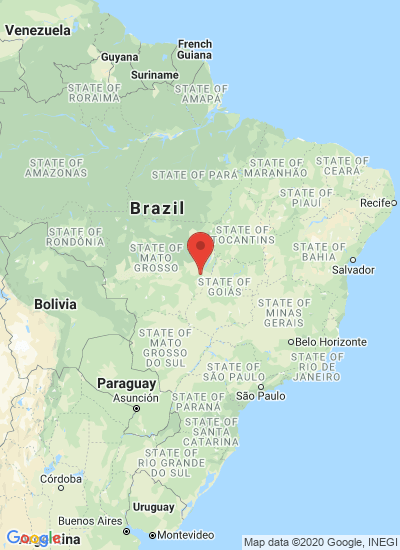

Productores de papa en Brasil enfrentan calor extremo, caída de precios y mayores costos, mientras la innovación y Guarapuava impulsan el futuro del sector
Brasil: calor extremo, costos en alza y caída de precios marcan un escenario desafiante para el sector de la papa

El cierre de marzo de 2026 sitúa al productor de papa ante un tablero de ajedrez complejo. Por un lado, el avance de la tecnología y el reconocimiento de polos productivos; por otro, la presión climática y económica que exige una gestión de riesgos afinada. Estos son los principales puntos:
El clima: el desafío de los 40°C en otoño
El inicio de la estación estuvo marcado por un calor atípico que golpeó al sur de Brasil. Con temperaturas que alcanzaron los 40°C en Rio Grande do Sul y cerca de 38°C en Santa Catarina y Paraná, la preocupación se centra en el estrés hídrico. El INMET ya advierte que, con lluvias por debajo de lo normal previstas para el sudeste, el manejo del riego será clave para la productividad en Minas Gerais y São Paulo.
Economía: el impacto del petróleo en el transporte y los insumos
La inestabilidad en Medio Oriente hizo que el precio del petróleo subiera un 51%, impactando directamente en la urea, que aumentó hasta un 35%. En Brasil, la respuesta fue la exoneración de PIS/Cofins sobre el diésel para aliviar el impacto en los surtidores. Sin embargo, la Frente Parlamentaria Agropecuaria (FPA) y la CNA continúan monitoreando el desfase en la tabla de fletes, un costo invisible que afecta los márgenes del productor de papa.
Mercado: caída de precios y desafíos de calidad
Los principales mercados mayoristas del país (São Paulo, Río de Janeiro y Belo Horizonte) registraron caídas de precios de hasta el 18,1%. Este retroceso responde a la normalización del flujo de cosecha tras las lluvias, pero trae consigo un desafío: la calidad de los lotes, especialmente del sur y del Cerrado Mineiro, presenta irregularidades que requieren mayor atención en la clasificación.
Innovación y legado: Guarapuava y la ciencia en el campo
En medio de los desafíos, también hay motivos de celebración: Guarapuava (PR) fue reconocida oficialmente como Capital de la Papa Inglesa. En el ámbito de la innovación, Embrapa avanza en el uso de inteligencia artificial para mapear áreas productivas, mientras el gobierno destina BRL 120 (USD 22.8) millones para modernizar la agricultura familiar, demostrando que el sector continúa evolucionando.
Like to receive news like this by email? Join and Subscribe!
Get the latest potato industry news straight to your WhatsApp. Join the PotatoPro WhatsApp Community!
Uitgelichte Bedrijven

Gerelateerd nieuws
september 07, 2026
Calbee Potato Harvest Ceremony 2026 Highlights Stronger Hokkaido Potato Quality and Yield
Calbee Potato expects Hokkaido’s 2026 processing potato crop to reach 240,000–250,000 tons, with better quality and yields than 2025. Favorable temperatures and rainfall have boosted growth, although heavy rain remains a major harvest risk now.

september 07, 2026
Aardappeldemodag 2026 Draws Over 4,500 Visitors as Dutch Potato Sector Faces Year of Extremes
Aardappeldemodag 2026 brought over 4,500 visitors to Westmaas amid a challenging year for the Dutch potato sector. The event focused on market pressures, extreme growing conditions, knowledge sharing, machinery and innovation.

september 07, 2026
EUROPLANT en Finpom onderstrepen het voordeel van Finse pootaardappelteelt bij toenemende viruisdruk in Europa
Finpom wijst op de voordelen van Noord-Finland voor de productie van hoogwaardige pootaardappelen terwijl klimaatverandering de virusrisico's in Europa doet toenemen, en breidt zijn EUROPLANT-assortiment verder uit met LARISSA, JUVENTA, Filipa, FAVOLA en INA.