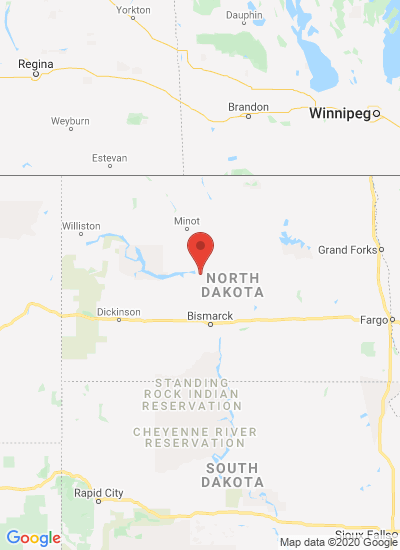
Groundbreaking begins at the Cavendish Farms potato storage site near Linton, North Dakota, where excavation is underway for a 200,000 cwt state-of-the-art facility supporting year-round supply to the Jamestown processing plant.
Cavendish Farms Breaks Ground on 200,000 cwt Potato Storage Facility in Linton, North Dakota
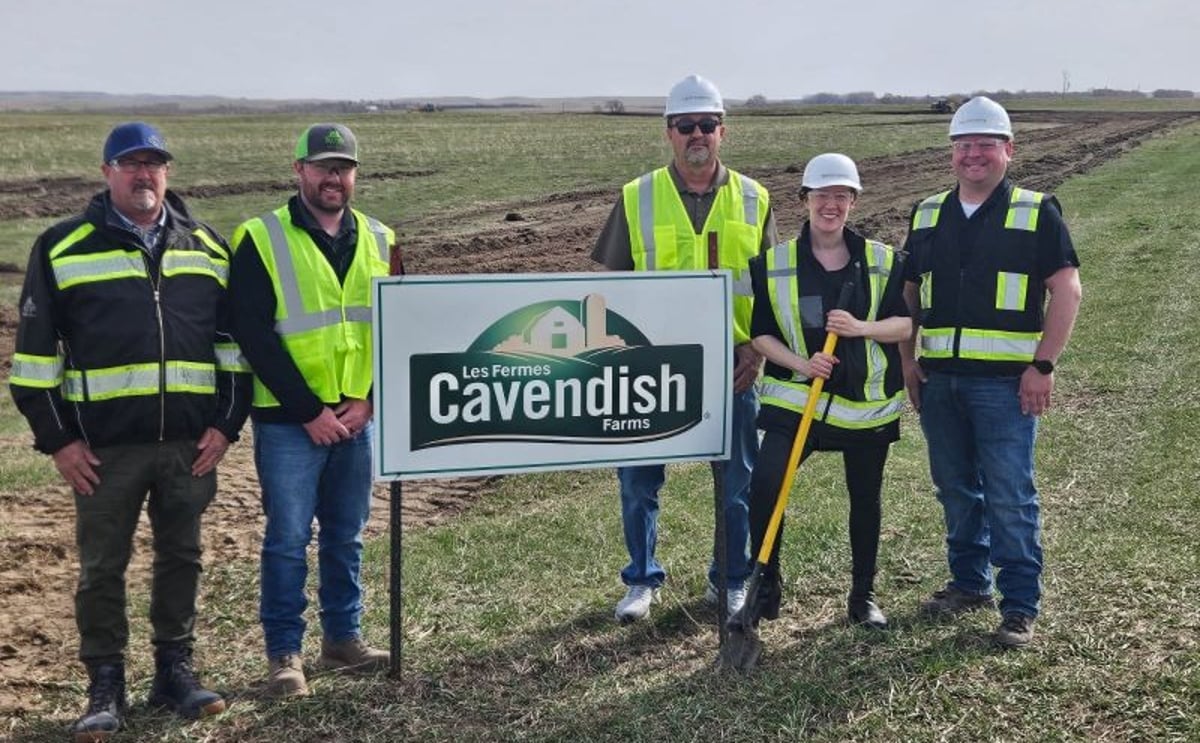
Excavation has begun on a major, environmentally controlled potato storage facility near Linton, marking the transition from planning to construction for a project designed to strengthen regional storage capacity and support year-round potato processing.
The development will deliver 200,000 hundredweight (cwt) of storage—equivalent to 20 million pounds—on a 22-acre site located approximately three miles south and three miles west of Linton. The facility is intended to store potatoes for extended periods for a nearby fry processing plant in Jamestown, ensuring consistent supply and quality over multiple months.
From Approval Discussions to Groundbreaking
Project details were previously outlined to the Emmons County board by project manager Troy Hansen, who described the plan as a response to a regional storage gap.
Troy Hansen, Project Manager for the proposed Cavendish Farms potato storage facility near Linton, North Dakota:
"We have a shortfall on storage capacity."
He explained that potatoes require immediate placement into controlled environments after harvest because “the potatoes are living, breathing organisms,” underscoring the role of storage science in maintaining quality.
Facility Design and Infrastructure
Plans for the site include:
- Multiple storage buildings, each with two large bins
- A permanent truck scale and containerized scale house
The facility will use environmental control systems to manage storage conditions, enabling potatoes to be held for months while preserving processing characteristics.
The project team has set a target to have the site fully operational by September 1, 2026.
Managing Harvest Flow and Product Quality
A key objective of the development is to improve how potatoes are handled after harvest. By adding local storage capacity, the project is expected to:
- Reduce spoilage and quality loss
- Distribute transportation and handling over 9–10 months, rather than concentrating activity during peak harvest
- Support a more stable and efficient supply chain for processing operations
The shift from field to storage represents a major environmental change for potatoes, which are naturally grown in soil but later stored in large volumes. Maintaining proper conditions during this transition is critical to preserving quality for end products such as French fries.
Community Input and Operational Safeguards
During the planning phase, county officials and local residents raised several operational and environmental questions, which were addressed by the project team:
- Noise control: Ventilation fans will operate inside enclosed fan houses to minimize external sound levels
- Traffic and haul routes: Primary access routes identified along 82nd and 84th Streets
- Road maintenance: A commitment of USD 10,000 annually for road upkeep and dust suppression, including the potential use of magnesium chloride
Concerns were also raised regarding the site’s proximity to an airport protection zone. Residents highlighted the need to prevent upward-facing lighting that could affect aircraft operations. The project team confirmed that:
- Permanent yard lighting will be included in design plans
- Aeronautical review will be conducted to ensure compliance with safety requirements
Employment and Operational Impact
The facility is expected to support seasonal agricultural operations, which typically involve around 85 workers during harvest. The new site is projected to add:
- Approximately 15 seasonal positions
- 3 to 4 full-time roles
Additional operational topics discussed included waste handling for spoiled potatoes, with assurances that materials will be properly managed and not left exposed. No formal plans for future expansion have been submitted at this stage.
Long-Term Investment in Supply Chain Efficiency
With construction now underway, the Linton storage project represents a significant long-term investment in post-harvest infrastructure. By increasing storage capacity and improving handling conditions, the facility is expected to enhance product quality and provide a more reliable supply of potatoes for processing throughout the year.
While cultivation remains a critical stage in potato production, the project reinforces a widely recognized industry principle: effective storage management is equally essential to delivering consistent, high-quality products to customers.
Completion is anticipated ahead of the 2026 harvest season.
Like to receive news like this by email? Join and Subscribe!
Get the latest potato industry news straight to your WhatsApp. Join the PotatoPro WhatsApp Community!
Uitgelichte Bedrijven

Gerelateerd nieuws

september 07, 2026
Calbee Potato Harvest Ceremony 2026 Highlights Stronger Hokkaido Potato Quality and Yield
Calbee Potato expects Hokkaido’s 2026 processing potato crop to reach 240,000–250,000 tons, with better quality and yields than 2025. Favorable temperatures and rainfall have boosted growth, although heavy rain remains a major harvest risk now.

september 07, 2026
Aardappeldemodag 2026 Draws Over 4,500 Visitors as Dutch Potato Sector Faces Year of Extremes
Aardappeldemodag 2026 brought over 4,500 visitors to Westmaas amid a challenging year for the Dutch potato sector. The event focused on market pressures, extreme growing conditions, knowledge sharing, machinery and innovation.

september 07, 2026
EUROPLANT en Finpom onderstrepen het voordeel van Finse pootaardappelteelt bij toenemende viruisdruk in Europa
Finpom wijst op de voordelen van Noord-Finland voor de productie van hoogwaardige pootaardappelen terwijl klimaatverandering de virusrisico's in Europa doet toenemen, en breidt zijn EUROPLANT-assortiment verder uit met LARISSA, JUVENTA, Filipa, FAVOLA en INA.