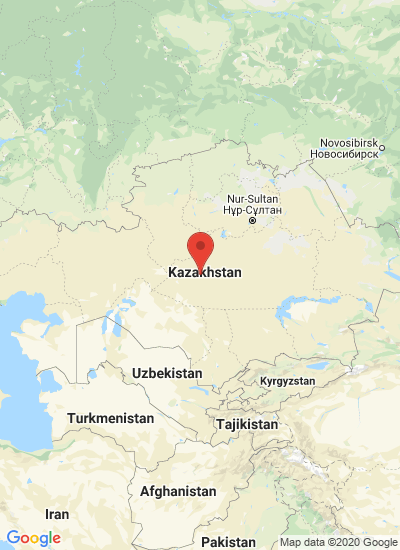

Kazakhstan and Belgium partner to modernise potato production, expand processing capacity and boost exports of value-added potato products. (AI-generated image by PotatoPro)
Kazakhstan and Belgium Partner to Boost Potato Processing and Exports

Kazakhstan is strengthening cooperation with Belgium to modernise its potato industry, expand domestic processing capacity and increase exports of higher-value potato products. A new memorandum establishes a framework for long-term collaboration in potato production, agricultural technology and investment.
The memorandum was signed by the Union of Potato and Vegetable Growers of Kazakhstan, Eurasian Group AG and Belgian company DeWulf NV during the fourth meeting of the Kazakhstan-Belgium Business Council in Astana. The meeting took place during the state visit of Belgian King Philippe, who attended alongside Kazakh President Kassym-Jomart Tokayev.
Partnership Focuses on Modernising Potato Production and Processing
The agreement provides for long-term cooperation in potato cultivation and processing, the introduction of modern agricultural technologies and the attraction of investment into Kazakhstan’s potato sector.
Kazakhstan intends to draw on Belgium’s agro-industrial cluster model, which brings together processing companies, agricultural producers, research centres and seed companies. This integrated approach supports improvements in productivity, product quality and competitiveness.
Planned priorities include establishing potato processing facilities, developing modern agro-industrial clusters, upgrading cultivation and storage technologies, and strengthening domestic seed production. The partners are also expected to focus on introducing high-yielding potato varieties resistant to diseases and adverse weather conditions.
Kazakhstan Expects 2.8 Million Tonnes of Potatoes in 2026
The partnership comes as Kazakhstan seeks to make better use of its potato production and expand export opportunities. According to the Ministry of Agriculture, the country's 2026 potato harvest could reach approximately 2.8 million tonnes, while domestic demand exceeds 2 million tonnes. Estimated export potential stands at around 400,000 tonnes.
Approximately 2.5 million tonnes had already been harvested when the ministry reported its latest figures. In the Karaganda and Pavlodar regions, farmers were selling potatoes directly from the field for 90,000–100,000 tenge per tonne.
Kazakhstan exported approximately 388,000 tonnes of potatoes in 2025, with Uzbekistan as its largest destination market. Strong export demand led to restrictions on potato exports during that season. However, the Ministry of Agriculture sees no grounds for introducing new restrictions in the current season.
Higher-Value Potato Products Targeted for Export Growth
The government is working to maintain sufficient domestic potato stocks while allowing surplus production to reach international markets. Regional authorities and major retail chains have been urged to contract required volumes in advance, helping secure supplies through the off-season and reduce the risk of shortages and sharp price increases.
Against this backdrop, cooperation with Belgium is intended to help Kazakhstan move beyond primarily exporting raw agricultural products towards producing more processed goods with higher added value.
By expanding processing capacity, improving cultivation and storage practices, and strengthening domestic seed production, the partnership could attract investment, create new opportunities for the potato industry and improve the international competitiveness of Kazakh potato products.
Belgium’s established potato processing sector offers a potential model for Kazakhstan as it seeks to develop a more integrated and export-oriented potato value chain.
Like to receive news like this by email? Join and Subscribe!
Get the latest potato industry news straight to your WhatsApp. Join the PotatoPro WhatsApp Community!
Related News

oktober 22, 2026
Belgian Potato Exports Rise as UK Demand for Premium Convenience Foods Grows
Belgian potato exporters are targeting UK demand for premium convenience foods. Innovative frozen, fresh-processed and airfryer-friendly products, alongside private-label expertise, are creating growth opportunities as domestic supply falls short.

oktober 21, 2026
Europatat Congress 2027 to Celebrate 75th Anniversary in Lisbon
Europatat Congress 2027 will take place in Lisbon, Portugal, from 2–4 June, celebrating Europatat’s 75th anniversary. Co-organised with Porbatata, the event will feature a conference, gala dinner, technical visits and sponsorship opportunities.

oktober 21, 2026
GPK Agrohellas Becomes Europatat’s First Member in Greece
Europatat welcomes GPK Agrohellas as its first-ever member from Greece. Specialising in certified seed potatoes since 1999, the company supplies Greek growers with varieties for table potatoes, fries and crisps.
Latest News



Sponsored Content
Sponsored Content
Sponsored Content