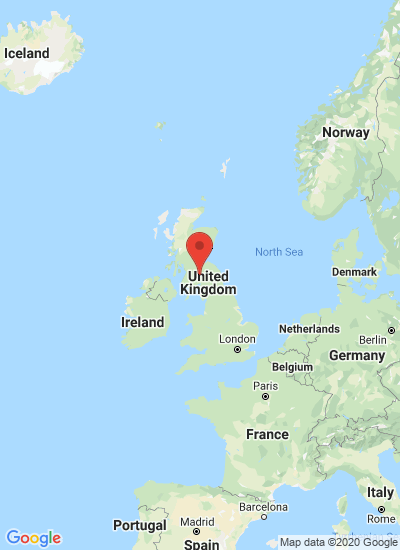
Heinz has restarted one of the three production lines at its Aunt Bessies frozen potato factory in Westwick, Norfolk after a major fire three weeks ago.
Heinz said that a second production line is scheduled to come on stream next week, and that it is also working on restoring the third line, following the fire at the £60m annual turnover factory on May 6 and 7.
Heinz has invested millions of pounds in Westwick in recent years, including installing new potato cutting and direct packing equipment, as well as a new blancher.
As of last October, the factory produced 52,000t of produce a year, including Aunt Bessie's branded Roast Potatoes, Chips, Wedges, Croquettes and Mid Week Mini Roasties.
Heinz Aunt Bessie's factory back in action
Like to receive news like this by email? Join and Subscribe!
Get the latest potato industry news straight to your WhatsApp. Join the PotatoPro WhatsApp Community!
Highlighted Company

Related News

October 09, 2026
From Farm to Fries: The Fry Industry in Kenya Prepares to Welcome the World
Ahead of World Potato Congress 2026, Wanjiru Mambo discusses the growth of Kenya's potato-processing industry, Wedgehut Foods' expansion, supply-chain challenges and opportunities for farmers, local processors and regional markets.

October 08, 2026
Lamb Weston Raises Fiscal 2027 Outlook After Strong First Quarter
Lamb Weston reported Q1 fiscal 2027 net sales of USD 1.67 billion, up 1%, with North America volume growth driving results. The company raised its full-year outlook for net sales, Adjusted EBITDA and Adjusted Diluted EPS.

October 08, 2026
Iscon Balaji Foods Showcases Hungritos Potato Products at MIHAS 2026 in Malaysia
Iscon Balaji Foods showcased its Hungritos frozen potato portfolio at MIHAS 2026 in Malaysia, targeting stronger Southeast Asian exports through its integrated potato processing, Halal production and IQF freezing capabilities.