

Belgium
Belgium is one of Europe’s most important potato producing and processing countries, with potatoes playing a major role in both agriculture and the food processing industry. Potato cultivation is concentrated particularly in Flanders, while Wallonia also contributes significantly to production. The country’s temperate maritime climate, fertile agricultural soils and relatively high yields provide favorable conditions for potato production. In 2025, Belgium’s potato cultivation area increased by 7.2%, reaching its highest level since 1980, while total potato production increased by 21% compared with 2024.
Belgium is particularly distinguished by its highly developed potato processing sector. A large share of the national crop is directed toward industrial processing rather than fresh consumption, including frozen fries, crisps, flakes, starch and other potato products. The processing industry has expanded substantially over recent decades, supported by close links among growers, traders, processors and technology providers. Belgium has consequently become a major international hub for processed potato products, with Belgian processors supplying markets across Europe and numerous destinations outside Europe.
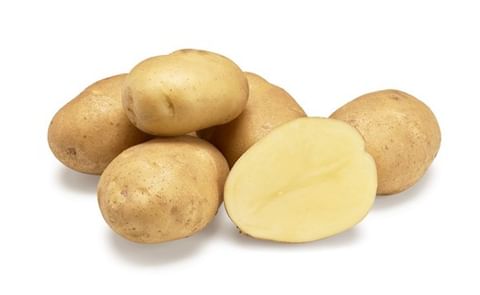
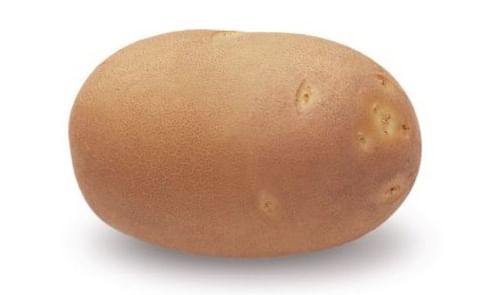
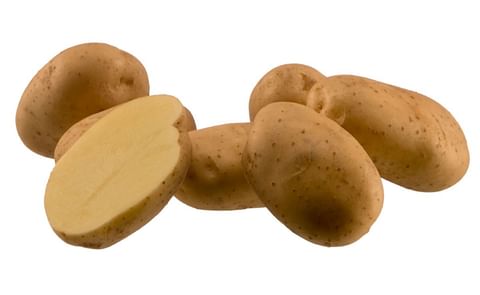
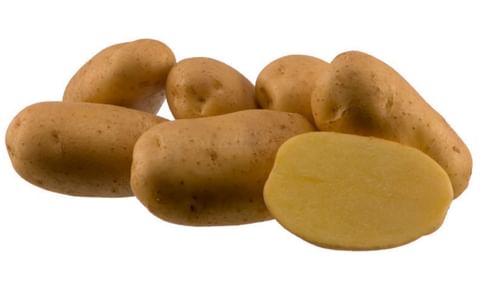
The Belgian potato sector is centered around an integrated production, processing and export network, particularly in West Flanders and the wider Tournai–Roeselare area. Varieties grown for processing include Bintje, Fontane, Innovator, Challenger and Melody, among others. The importance of processing demand continues to influence Belgian potato acreage: Statbel reported that the increase in potato area in 2025 was partly associated with strong demand from the potato processing industry. At the same time, the sector faces market pressures such as periods of oversupply and low free-market prices; Statbel estimated that the value of Belgian potato production fell by 17% in 2025 despite higher production volumes.
Potatoes have been associated with Belgium since the late 16th century. Historical records cited by the FAO indicate that a Belgian official in Mons received potatoes from a friend of the Vatican ambassador in 1587 and subsequently sent samples to a botanist in Vienna. During the following centuries, potatoes became increasingly established as an important food and agricultural crop in the region. Belgium also developed a strong cultural association with fried potatoes, although the precise historical origin of French fries remains disputed.
Belgium’s modern potato industry developed from traditional cultivation into a highly industrialized processing and export sector, particularly during the second half of the 20th century. The processing industry expanded dramatically from about 500,000 tonnes of potatoes processed in 1990 to approximately 3.65 million tonnes of raw material in 2012. The growth was supported by investment from processing companies, expansion of potato cultivation, cooperation with farmers and traders and the development of specialized industrial clusters. This transformation established Belgium as a major global supplier of frozen potato products and helped make potato processing one of the defining components of the country’s modern potato economy.



Make This Page Even Better!
This content was last updated on September 29, 2026
Have a helpful detail to contribute? Catch something that should be corrected?