

Hungary
Hungary has a long-established potato growing tradition in Central Europe, although potatoes are not among the country’s largest field crops today. The crop is grown mainly for the domestic fresh market, with production concentrated in areas where suitable soils, irrigation and market access support commercial cultivation. Hungary’s continental climate provides a suitable growing season, but relatively hot and dry summer conditions can create significant water stress, making irrigation an important factor in maintaining stable yields. Research from Hungary has identified inadequate irrigation, nutrient supply, unsuitable seed and year-to-year weather variation among the factors affecting potato productivity.
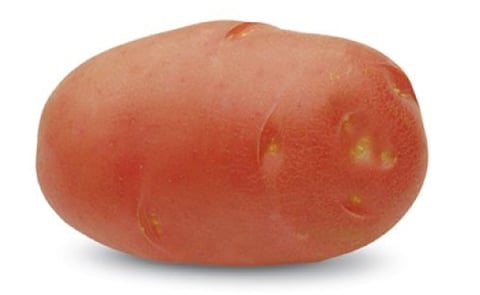
Hungarian potato production includes both domestic-bred and internationally developed varieties. The national variety and seed potato systems list Hungarian varieties such as Balatoni rózsa, Botond, Boglárka, Katica, Démon, Hópehely and Lorett, alongside widely grown European varieties including Desirée, Agria, Bellarosa, Laura, Marabel and Kondor. The Hungarian National Food Chain Safety Office (NÉBIH) maintains official information on certified seed potatoes and registered varieties.
Potatoes in Hungary are used for several market segments, including table potatoes, processing and household consumption. Variety selection is closely linked to cooking and processing characteristics: Hungarian official guidance groups varieties according to culinary type, ranging from firm, salad-oriented potatoes to floury types suitable for products such as French fries, chips and mashed potatoes. Recent NÉBIH variety trials also demonstrate the continuing evaluation of yield, marketable yield and maturity among varieties grown under Hungarian conditions; in the 2024 trials, Agria and Desirée were among the varieties included in comparative testing.
The potato became established in Hungary during the 18th century, as the crop gradually spread through Central Europe. Historical evidence indicates that potato cultivation was already occurring in Hungary by the middle of the 18th century. A 1745 record associated with the area around Csákvár and Kozma is cited by the Hungarian Agricultural Museum as the earliest known written Hungarian record documenting the spontaneous exchange of potatoes among peasants. This suggests that potatoes were already moving through rural farming communities before becoming a more broadly established crop.
During the late 18th and 19th centuries, potato cultivation expanded as the crop became increasingly integrated into rural diets and farming systems. Its relatively reliable production and ability to provide food on smaller areas of land contributed to its importance, particularly among rural and working populations. Historical sources show potatoes being cultivated both as a principal crop and in association with other crops, while regional agricultural traditions developed around local varieties. By the 20th century, Hungary had a substantial diversity of locally cultivated potato types and breeding and research institutions increasingly contributed to the development and testing of improved varieties. Today, Hungarian potato production combines this domestic breeding heritage with varieties introduced from major European breeding countries.

Make This Page Even Better!
This content was last updated on October 1, 2026
Have a helpful detail to contribute? Catch something that should be corrected?