

Illinois
Illinois has a diverse agricultural landscape, but potato production is generally a relatively small component of the state’s overall vegetable industry. Commercial and specialty potato production occurs in several parts of the state, with northern Illinois historically accounting for a significant share of production and additional activity in areas near major population centers and around southern Illinois. The state’s fertile soils, access to water, transportation infrastructure and proximity to large urban markets provide advantages for growers supplying fresh potatoes and specialty varieties.
Illinois’ potato growing season is suited to early and midseason production because potatoes develop best under cool soil conditions. University of Illinois Extension recommends planting early, generally during March or early April, so that tuber development takes place before summer soil temperatures become too high. Potato tubers develop most effectively at soil temperatures of about 60–70°F (16–21°C), while tuber formation is severely reduced as soil temperatures approach 80°F (27°C). Well-drained, fertile soils and uniform moisture are particularly important for producing good-shaped tubers.
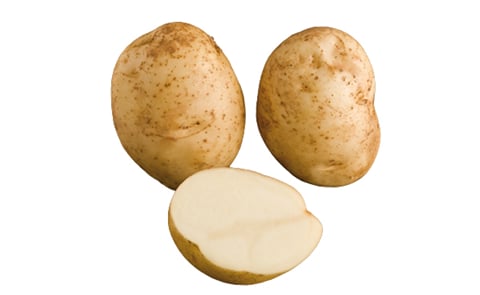
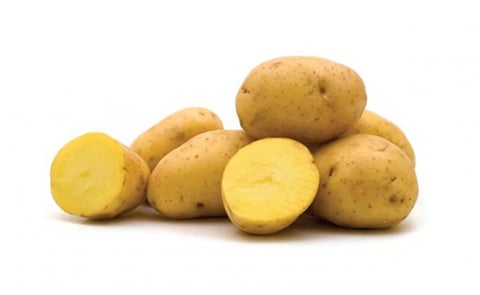
Illinois growers produce potatoes for fresh markets as well as specialty and local market channels. Kennebec has been an important variety in the state, particularly because of its high yield and large tubers, while red-skinned potatoes and yellow fleshed cultivars such as Yukon Gold are also grown. Specialty potato production has expanded the range of shapes, colors and sizes available through local growers and farmers’ markets, including fingerling and purple or blue-skinned types.
Potatoes became established in Illinois as part of the broader expansion of potato cultivation across the United States during the nineteenth century. By the late nineteenth and early twentieth centuries, Illinois had developed commercial potato growing areas, particularly in the northern part of the state and in counties serving large urban markets. Historical agricultural records show that potato production was concentrated in the northern tiers of Illinois counties as well as several counties near St. Louis, while substantial quantities of potatoes were also shipped into the state to meet consumer demand.
Illinois potato production was considerably more widespread in the mid-twentieth century than it is today. The 1949 Census of Agriculture recorded 8,575 harvested acres and 566,000 thousand pounds of potatoes in Illinois, while the 1954 census recorded 3,882 acres and 228,000 thousand pounds. This decline reflected the increasing concentration and specialization of potato production in major producing regions, even as Illinois retained a market for fresh and specialty potatoes. Historical Illinois sources identify varieties such as Irish Cobbler, Katahdin and Sebago among important commercial types, while more recent Illinois Extension work continues to identify Kennebec, Red Pontiac and Yukon Gold as notable varieties for the region.

Make This Page Even Better!
This content was last updated on September 14, 2026
Have a helpful detail to contribute? Catch something that should be corrected?