
Iowa
Iowa has a long history of potato cultivation, although potatoes today occupy a relatively small share of the state's agricultural area compared with corn and soybeans. The crop is grown for fresh market sales, local markets, farm stands and home gardens, with production concentrated in areas where soil and climate are favorable. Iowa State University notes that potatoes are well adapted to Iowa's climate and can be stored through winter, supporting extended marketing opportunities.
Commercial potato production is particularly associated with the northern part of Iowa, where peat and muck soils have historically supported the crop. These loose, organic soils are well suited to producing tubers and facilitated the use of specialized potato machinery. Iowa's cool spring conditions and relatively moderate growing season can support early and mid-season cultivars, while careful management of soil fertility, irrigation, diseases and pests is important for maintaining quality. Common challenges include Colorado potato beetle, flea beetle, potato leafhopper, aphids, late blight, scab, soft rot and blackleg.
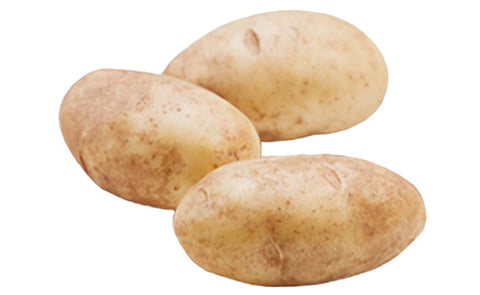
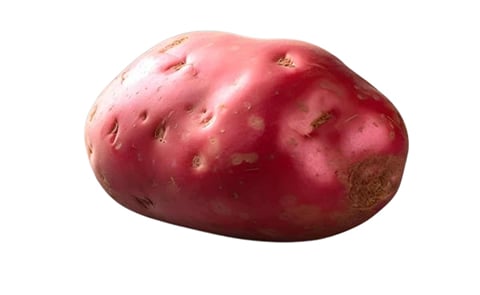
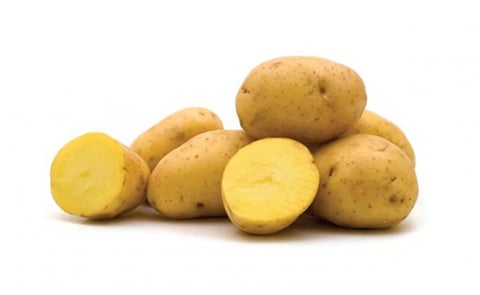
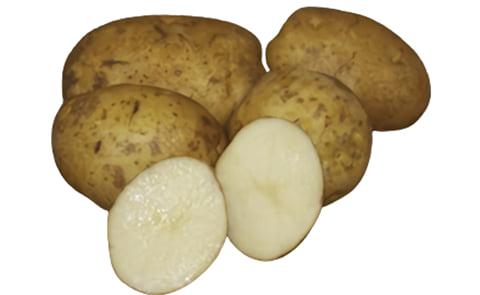
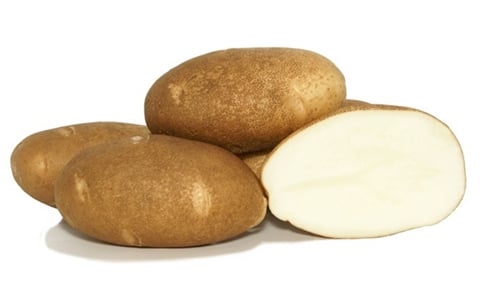
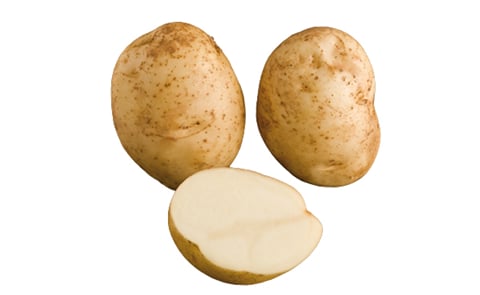
Iowa's potato industry today is more diversified and smaller in scale than the large commercial potato industries of neighboring northern states. Nevertheless, potatoes remain an established vegetable crop, with Iowa State University identifying several cultivars suited to the state's conditions. Recommended choices include Red Norland, Russet Norkotah, Yukon Gold, Superior, Goldrush, Katahdin and Kennebec, providing options for red, yellow, white and russet potatoes and for different culinary and storage purposes.
Potatoes have been an important vegetable crop throughout Iowa's agricultural history. Organized variety testing in the state dates back to at least 1871, when potato trials were already being conducted at Iowa's agricultural college. Researchers evaluated potato varieties alongside other field crops, recording characteristics and yields to identify types better adapted to Iowa conditions. By the late 19th and early 20th centuries, potato production had become an established component of Iowa's diversified farming system.
Iowa's commercial potato industry reached a much larger scale in the late 19th century, when approximately 170,000 acres were planted near the peak of production. The industry initially developed around Prairie City in Jasper County and later shifted northward, including to Grundy County and during World War I, the St. Ansgar area. Around 1920, commercial production increasingly moved from mineral soils to drained peat and muck lands in northern Iowa because these soils produced good yields and were suitable for mechanized cultivation. Disease problems subsequently contributed to a major decline in acreage.