

Serbia and Montenegro
Serbia and Montenegro have a long-established potato growing tradition within the Balkan region, with production shaped by their contrasting agroecological conditions. In Serbia, potatoes are cultivated across lowland, valley and upland areas, while Montenegro has particularly favourable conditions in its mountainous regions. Temperature, altitude, soil characteristics and seasonal rainfall strongly influence planting dates, yield and variety selection. Potato is grown for fresh consumption, household use, processing and seed production.
Serbia has diverse production environments, ranging from the northern plains to cooler western and mountainous areas. Research in Serbia has demonstrated substantial differences among potato genotypes under different temperature and rainfall conditions, with heat and moisture stress capable of reducing marketable and total yields. Potato research also includes seed quality, varietal adaptation and management of important pests such as the golden cyst nematode Globodera rostochiensis.
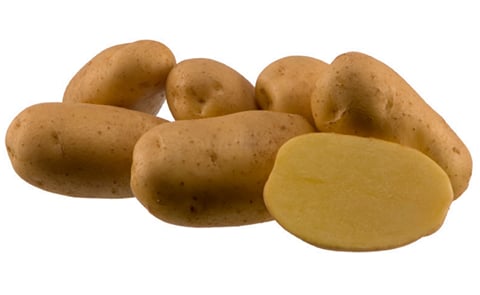
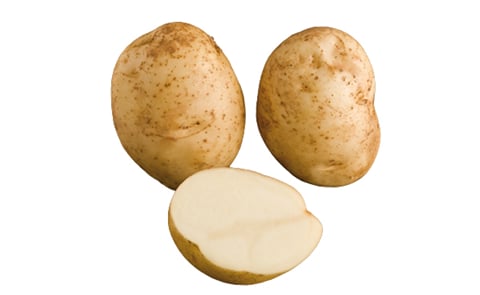
Montenegro's potato production is strongly associated with its highland agricultural areas, where cooler conditions support potato cultivation. Important production and research locations include Nikšić, Kolašin and Žabljak, at elevations ranging from about 800 to 1,450 metres. Studies have evaluated varieties such as Agria, Kennebec, Aladin, Riviera and Tresor, demonstrating significant effects of genotype, year and location on yield. Modern research in the region also includes aeroponic production of potato mini tubers for high-quality seed material.
Potato cultivation in the territory of present-day Serbia and Montenegro developed as part of the wider introduction of the crop into the Balkans during the eighteenth century. In Montenegro, historical research places the beginning of potato cultivation in the late eighteenth century and associates its introduction with Bishop Petar I Petrović Njegoš, who reportedly brought potatoes to Montenegro around 1786. The crop spread rapidly because the country's soils and mountain climate were suitable for its cultivation and potatoes became an important food crop for the population.
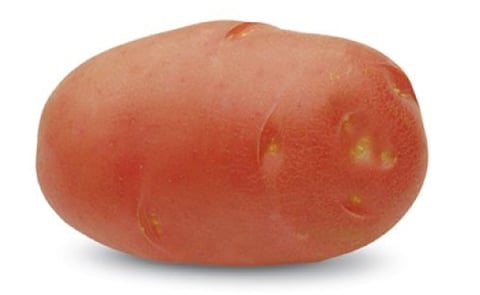
Over subsequent generations, potato became particularly important in Montenegro's mountain agriculture, while cultivation and varietal improvement also developed across Serbia. Mountainous areas provided suitable environments for seed potato production, while research and varietal trials expanded the range of cultivars used by growers. Studies from Montenegro have documented the long-term importance of varieties including Agria, Kennebec, Riviera, Aladin and Tresor, while Serbian research has investigated varieties such as Agria, Frisia, Kennebec, Desiree and others for yield, quality and disease response.

Make This Page Even Better!
This content was last updated on October 3, 2026
Have a helpful detail to contribute? Catch something that should be corrected?