

Viet Nam
Potato production in Viet Nam is concentrated in two contrasting production zones: the Red River Delta in northern Viet Nam and the Central Highlands, particularly Lam Dong Province. In the north, potatoes are mainly grown as a short-duration winter crop between rice seasons. The crop fits well into rice-based rotations because potatoes can be planted after the autumn rice harvest and harvested before the following rice crop. This system has made potatoes an important component of winter crop diversification in the Red River Delta.
The Red River Delta remains the country's principal potato growing region, with production characterized by relatively small farms and seasonal cultivation. The winter crop generally runs from approximately October to March, although planting and harvesting dates vary with local conditions. Potato production in the north benefits from its integration into established rice-based systems, while the short growing season creates a need for suitable early or medium duration varieties. Diseases including late blight, bacterial wilt and viruses, along with seed-quality limitations, remain important production constraints.
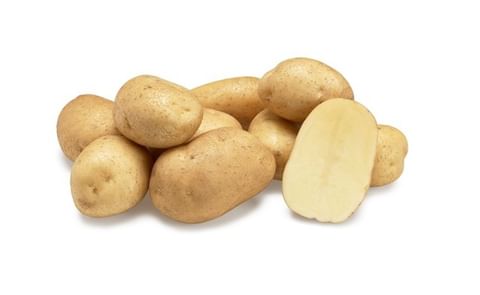
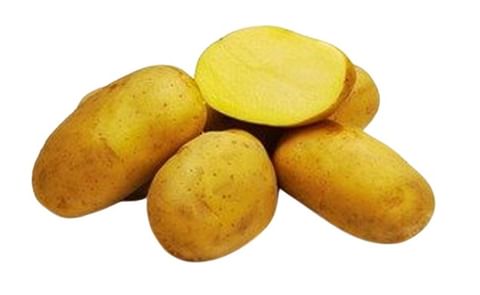
The second important production environment is the Da Lat–Lam Dong highlands, where the cooler climate and elevation allow potato production beyond the traditional northern winter season. Lam Dong has developed expertise in tissue-culture-based seed production and disease-free planting material, supporting both table and processing potato production. Varieties such as Atlantic are used for processing because of their high dry-matter content and tuber characteristics, while other varieties such as Marabel are cultivated for fresh consumption. However, production in the highlands faces challenges from rainfall, late blight, irrigation costs and other pest and disease pressures.
Potato was introduced to Viet Nam during the French colonial period, with historical sources placing its introduction around the late 19th century. Early production was limited and the crop was mainly grown in household gardens and small plots. In Da Lat, potatoes were among the temperate crops introduced during the early development of the city's agricultural sector; an agricultural station established in 1897 experimented with potatoes and other temperate vegetables.
Potato production expanded substantially from the late 1960s and 1970s as improved short-duration rice varieties created a winter cropping window in northern Viet Nam. Production subsequently developed through improved varieties, international collaboration and better seed production techniques. In Da Lat, cooperation with the International Potato Center (CIP) during the 1980s helped introduce varieties such as CFK-69.1, Atzimba and P-3, while tissue culture became an important method for producing clean planting material. More recently, Viet Nam has released or adopted varieties including Diamant, Solara, P03, Marabel, Eben and Atlantic, reflecting the country's continued diversification of potato production for fresh markets and processing.


Make This Page Even Better!
This content was last updated on September 18, 2026
Have a helpful detail to contribute? Catch something that should be corrected?