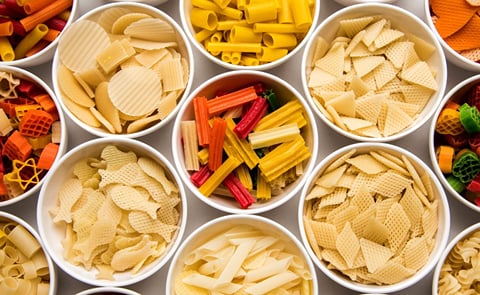

Introduction to Extruded Snacks and Their Industrial Significance
Extruded snacks are processed foods produced using the extrusion process in which a blend of ingredients primarily starch based raw materials such as cereals and grains is forced through a die under controlled conditions of high temperature, pressure and shear. This process causes the material to cook, expand and take on a defined shape, resulting in light, airy and crispy products such as cheese puffs, corn curls, rings and balls. Extrusion integrates mixing, cooking and shaping into a single continuous operation making it a highly efficient method for manufacturing ready to eat (RTE) snacks.
Extrusion technology is widely adopted in the snack industry due to its versatility and efficiency. It allows manufacturers to produce a wide range of shapes, textures and flavors with consistent quality and minimal waste. The process significantly reduces processing time and enhances shelf life by lowering moisture content to approximately 1.5–3%. Compared to some traditional processing methods, extrusion can offer better nutrient retention and enables the incorporation of functional ingredients such as proteins, dietary fibers, vitamins and minerals. Consequently, the global market for extruded snacks continues to grow, driven by increasing consumer demand for convenient, affordable and shelf stable RTE foods.
When compared to traditional fried snacks, extruded snacks differ substantially in both processing methods and nutritional outcomes. Fried snacks are prepared by deep frying dough or batter which leads to high oil absorption often resulting in fat contents of 20–40% along with denser textures and potential nutrient losses due to prolonged exposure to high temperatures. In contrast, extruded snacks are typically baked or air puffed after extrusion, resulting in lower fat levels (generally below 10%), lighter textures created by steam driven expansion and improved nutrient retention. Although some extruded snacks may still undergo frying to enhance crispiness, extrusion overall provides a healthier alternative by reducing fat content and calorie density while maintaining desirable sensory qualities.
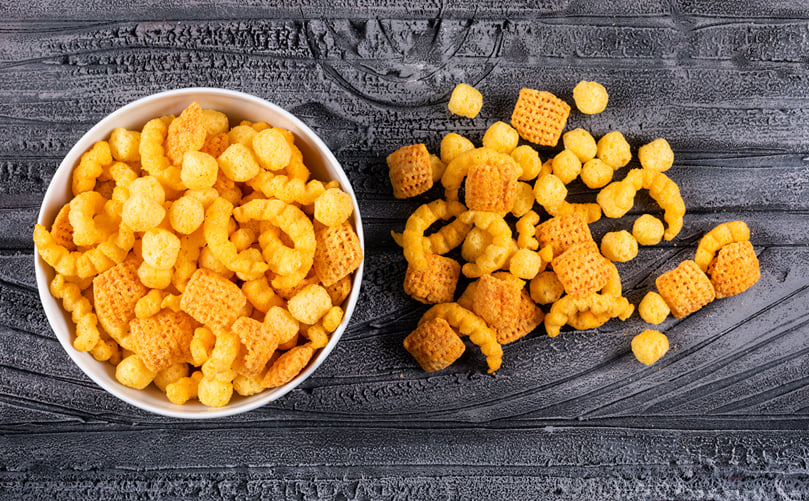
Popular Extruded Snacks Produced by Industrial Extrusion
Historical Development of Extruded Snacks
Extrusion technology was originally developed for the plastics industry and was later adapted for food processing in the 1930s. One of the earliest food applications was by General Mills, which employed single screw extruders in the late 1930s to manufacture ready to eat (RTE) breakfast cereals. These early systems primarily focused on cooking and expansion and initially did not use dies for precise shaping. By the 1940s, extrusion technology expanded into snack production, particularly corn-based products such as cheese curls. These innovations are credited to Edward Wilson and Clarence Schwebke of the Flakall Corporation, who played a key role in popularizing extruded corn snacks.
The global growth of RTE extruded snacks accelerated after World War II, driven by rapid industrialization, urbanization and changing lifestyles that increased demand for convenient foods. During the 1960s and 1970s, the introduction of twin-screw extruders marked a major technological advancement. These systems offered greater control over processing conditions and allowed the use of more complex formulations, including higher protein and fiber contents. Iconic brands such as Cheetos, introduced in 1948 helped to establish extruded snacks as mainstream products, while adoption spread across Europe and Asia with region specific flavors and ingredients. By the 1980s, growing health awareness among consumers encouraged the development of baked and low fat extruded snack variants.
In India and other emerging markets, extrusion technology gained significant momentum during the 1990s following economic liberalization and expansion of the organized food processing sector. Traditional grains such as millets, which have been a staple in Indian diets for over 3,000 years, began to be used in extruded snack formulations. This not only aligned with local dietary preferences but also supported agricultural diversification and rural livelihoods. The Indian extruded snack market expanded rapidly, with companies such as Haldiram’s and ITC introducing millet and cereal-based extruded products.
Globally, the extruded snacks market was valued at approximately USD 65.1 billion in 2024 and is projected to reach around USD 92.2 billion by 2030. Growth is being led by the Asia Pacific region, supported by urbanization, rising disposable incomes and increasing demand for convenient, affordable and innovative snack foods.
Understanding Extrusion Technology in Snack Manufacturing
Extrusion technology in food processing is a high temperature, short time (HTST) method that integrates several unit operations mixing, cooking, kneading, shearing, shaping and forming into a single, continuous process. In this method a blend of raw materials typically a starch-based dough, is forced through a restricted opening known as a die under controlled conditions of high temperature (generally 100–200 °C), pressure (often 20–50 bar or higher), and mechanical shear. Under these conditions, the material becomes a plasticized melt. When it exits the die, the sudden drop in pressure causes rapid moisture vaporization, leading to expansion and the formation of light, airy textures characteristic of many extruded snacks.
Extrusion is widely used for manufacturing expanded snacks, breakfast cereals, pet foods and specialty products due to its versatility, energy efficiency and precise control over product attributes such as density, texture, shape and moisture content. In addition to shaping and cooking, extrusion helps inactivate enzymes, reduce microbial load and improve digestibility, while minimizing nutrient losses compared to prolonged conventional thermal processing. Basic Principle of Extrusion Cooking: The fundamental principle of extrusion cooking is based on the thermoplastic behavior of food materials. Under the combined influence of heat, moisture, pressure and mechanical energy, starch rich ingredients undergo gelatinization, proteins denature and lipids are modified. These transformations create a viscous, homogeneous mass capable of flowing and being shaped through the die.
Because extrusion operates under HTST conditions typically lasting from seconds to a few minutes it limits excessive thermal degradation. As a result, sensory attributes such as flavor and color are better preserved, along with certain heat sensitive nutrients, including some vitamins. Extrusion processes are generally classified into:
- Hot extrusion (cooking extrusion): Conducted above 100 °C, resulting in expansion and cooking (common for snacks and cereals).
- Cold extrusion (forming extrusion): Performed below 100 °C, mainly for shaping products like pasta or doughs without significant expansion.
Role of Heat, Pressure and Shear: Heat, pressure and shear are the three critical forces governing extrusion performance and product quality. Heat is supplied both externally through barrel heaters and internally through friction generated by screw rotation. This thermal energy facilitates cooking, melting and starch gelatinization. Pressure develops as material is conveyed and compressed toward the die ensuring uniform flow and preventing backflow within the barrel.
Shear, produced by the mechanical action of the screw(s), ensures thorough mixing, disrupts molecular structures such as starch granules and strongly influences texture development. High shear conditions promote greater expansion and finer cell structures, whereas lower shear typically results in denser products. Together, these forces drive phase transitions from solid to melt enhance digestibility through starch gelatinization, improve protein bioavailability via denaturation and enable puffing through rapid steam formation at the die exit.
Single Screw vs. Twin Screw Extruders: Single screw extruders are simpler in design more cost effective and commonly used for basic applications such as corn-based snacks. They consist of one rotating screw housed within a barrel, with distinct feeding, compression and metering zones. Material movement relies largely on friction and drags flow. While suitable for uniform, low complexity formulations, single screw extruders offer limited mixing efficiency and are less effective when processing high moisture, sticky or highly fibrous ingredients. This can lead to variability in product quality when formulations become complex.
In contrast, twin screw extruders incorporate two intermeshing screws that may be co-rotating or counter rotating. These systems provide superior mixing, greater process control and enhanced versatility. Twin screw extruders are highly effective for handling diverse ingredients, including high protein, high fat or fiber rich formulations and allow for features such as mid-barrel ingredient addition and efficient gas venting. Co-rotating twin screw extruders are most common in food processing due to their efficient conveying and shearing action while counter rotating systems are typically used for high pressure applications such as certain pet foods. Although twin screw extruders are more expensive and complex to operate, they offer unmatched flexibility and consistency for advanced food product development.
Ingredients and Raw Materials Used in Extruded Snacks
Raw materials used in extruded snacks are carefully selected based on their functional properties, nutritional value, cost, availability and ability to withstand the high temperature, pressure and shear conditions of extrusion processing. The formulation typically relies on starch rich ingredients to promote expansion, complemented by proteins, dietary fibers and functional additives to enhance nutritional quality, texture and flavor. Feed moisture content generally maintained at 14–20% is a critical parameter, as it directly influences starch gelatinization, melt viscosity and puffing behavior. Common formulations often consist of 60–80% starch sources combined with 10–30% protein rich ingredients, allowing optimal expansion while improving the nutritional profile of the final product.
Cereals: Cereals form the primary structural base of most extruded snacks due to their high starch content (56–74%), which readily gelatinizes and expands during extrusion. Corn (maize) is the most widely used cereal because of its neutral flavor, low cost and excellent expansion properties. High amylose corn contributes to crispness, while amylopectin rich varieties favor greater puffing. Corn based extrudates commonly exhibit bulk densities in the range of 50–100 kg/m³, making them suitable for products such as cheese curls and puffs.
Rice provides superior expansion and a bland taste, making it ideal for gluten free snack formulations. Wheat contributes structure and crispness through gluten formation; however, excessive use can limit expansion due to gluten network development. Oats add nutritional value through β-glucan soluble fiber, which offers cholesterol lowering and glycemic control benefits, though careful moisture and process control are required to prevent excessive viscosity or gumminess.
Millets: Millets traditional and climate resilient grains are increasingly incorporated into extruded snacks for their nutritional and sustainability advantages. Sorghum (approximately 67–72% carbohydrates) is drought tolerant and suitable for gluten free products. Pearl millet is notable for its higher protein content (9–13%) and iron richness, while finger millet is valued for its exceptional calcium content and antioxidant activity.
Despite their benefits, millets typically contain higher levels of dietary fiber (5–10%), which can restrict expansion and increase product density. To balance texture and nutritional quality, millets are often blended with cereals such as rice or corn for example, around 30% millet inclusion in cereal-based formulations. These blends help maintain acceptable expansion while delivering health benefits such as lower glycemic response and improved gut health.
Pulses and Legumes: Pulses and legumes, including peas (20–25% protein), lentils, chickpeas (19–25% protein, high in fiber) and cowpeas, are incorporated to address the protein limitations of cereal based snacks. They provide complementary amino acid profiles particularly lysine which balances the sulfur containing amino acids (e.g., methionine) present in cereals. In addition, pulses contribute essential minerals such as iron and folate.
However, the higher protein and fiber content of legumes can reduce expansion and increase product density. Therefore, their inclusion levels are typically optimized at 10–20% of the formulation. Extrusion processing itself helps reduce anti nutritional factors, such as lectins and trypsin inhibitors, through the combined effects of heat and shear.
Functional Ingredients and Additives: Functional ingredients are added to enhance nutritional value, functionality and sensory appeal. These include dietary fiber sources (e.g., inulin and psyllium for prebiotic effects), protein isolates and concentrates (soy or pea proteins with 70–90% purity) for high protein snack formulations and natural flavors and spices for taste enhancement. Fortificants, such as vitamins and minerals are commonly incorporated to address specific nutritional targets while ingredients like flaxseed may be used to provide omega-3 fatty acids.
To ensure smooth processing and prevent sticking within the barrel, oils or emulsifiers are typically added at levels of 0.5–2%. All functional additives must be selected for thermal stability to withstand extrusion conditions without significant degradation.
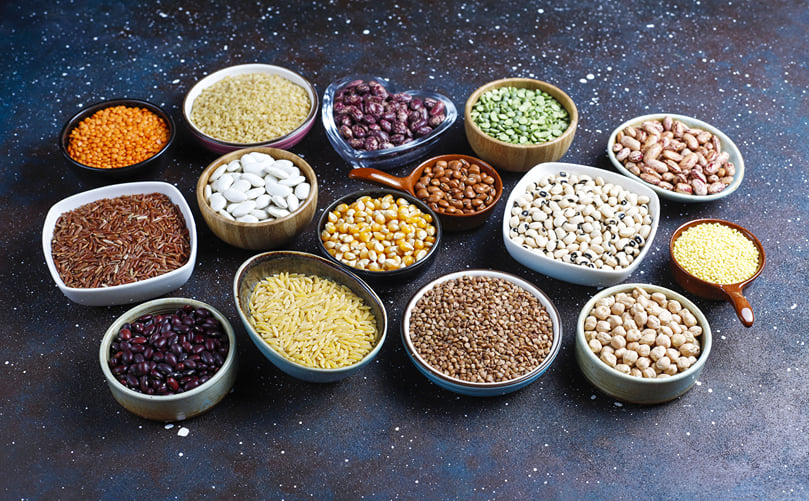
Cereal, Millet, Pulse and Functional Ingredients Used in Extruded Snacks
Extrusion Processing Steps in Snack Manufacturing
The extrusion process for snack production is a continuous and highly automated operation that efficiently converts raw ingredients into finished products, often within seconds to a few minutes per product segment. It integrates raw material preconditioning, high temperature short-time (HTST) cooking, shaping and post processing. Critical operating parameters such as screw speed (200–500 rpm), barrel temperature (120–180 °C), and feed rate are carefully adjusted according to the formulation to achieve optimal expansion, texture and product quality.
Raw Material Preparation and Blending: Raw ingredients are first milled to achieve uniform particle sizes, typically in the range of 100–500 µm, ensuring smooth flow and consistent cooking within the extruder. The milled materials are sieved to remove impurities and then blended in predetermined ratios for example, 60% cereals, 20% millets, 15% pulses and 5% functional additives using ribbon or paddle mixers.
Moisture content is adjusted to 14–20% by controlled water addition. In many systems, preconditioning is employed, where steam at 80–100 °C for 5–20 minutes is applied to soften the raw materials, initiate partial starch gelatinization and improve mass transfer. Preconditioning can enhance throughput by 20–50%, while also reducing energy consumption and mechanical wear on the extruder.
Feeding and Conveying: The conditioned blend is fed into the extruder hopper either by gravity or through metered feeding systems to maintain a consistent feed rate, typically 100–500 kg/h in industrial operations. The rotating screw(s) convey the material through the feeding zone of the barrel, where initial compaction occurs. This controlled conveying action helps build pressure, ensures uniform flow and prevents backflow of material.
Cooking and Gelatinization: As the material progresses into the compression and metering zones, it is subjected to intense heat, pressure and shear. Cooking occurs at temperatures ranging from 100–200 °C and pressures of 10–50 bar. Under these conditions, starch granules absorb water, swell and gelatinize, significantly improving digestibility. Proteins undergo denaturation, contributing to structure and texture, while limited Maillard reactions may develop characteristic flavors and color.
The residence time, typically 20–60 seconds, is sufficient to ensure microbial safety and functional modification of nutrients without excessive thermal degradation.
Shaping Through the Die: The fully cooked, plasticized dough is then forced through a die mounted at the end of the barrel. Die geometry such as circular openings for curls or slotted designs for sticks determines the final product shape and size. Die design strongly influences the expansion ratio, which commonly ranges from 2 to 10 times as well as surface texture. Specialized die inserts can be used to create complex shapes, including three-dimensional pellets.
Expansion and Cutting: Upon exiting the die, the sudden drop in pressure causes superheated internal moisture to rapidly vaporize into steam. This results in instant expansion or puffing of the product forming the characteristic porous structure of extruded snacks. A rotating cutter positioned at the die face slices the extrudate into uniform lengths, typically 1–5 cm, with cutting speed synchronized to screw rotation to ensure consistency.
Drying, Seasoning and Packaging: Fresh extrudates usually contain 12–18% moisture and must be dried to achieve the desired crispness and shelf stability. Drying is carried out in hot-air ovens or conveyor dryers at 80–120 °C for 5–15 minutes, reducing moisture content to 1–5%. This step ensures a shelf life of 6–12 months under proper storage conditions.
Seasoning is performed by tumbling the dried snacks in coating drums, where a light oil spray is applied to promote adhesion, followed by seasoning powders at 5–15% (w/w). The products are then cooled to prevent condensation and loss of crispness. Final packaging is done using moisture and oxygen barrier films, often with nitrogen flushing, to preserve texture, flavor and overall product quality.
Types and Forms of Extruded Snacks
Extruded snacks can be classified based on their processing method, expansion behavior and final product form, resulting in a wide variety of textures, shapes and applications. These classifications support innovation across savory snacks, breakfast cereals and specialty products. Broadly, extruded snacks are grouped into direct expanded products, indirect expanded (pellet-based) products and co-extruded snacks. In some discussions, snack “generations” are also referenced to explain technological evolution and processing complexity.
Direct Expanded Snacks (Second Generation Snacks): Direct expanded snacks are produced through high temperature, high shear extrusion, where expansion occurs immediately as the product exits the die due to rapid moisture vaporization. These snacks typically have low final moisture content (7–12%) and a light, airy structure.
Common examples include corn puffs, cheese curls, rings, balls and sticks, produced from corn, rice or potato-based formulations. Processing temperatures usually range between 150–200 °C, resulting in crispy, melt in the mouth textures. These products exhibit high expansion ratios (up to 10:1) and are generally flavored after extrusion through oil spraying and seasoning application.
Potato-based extruded products such as sticks and straws offer a crunchy texture, while corn grit–based snacks remain popular due to their affordability, neutral taste and versatility in flavoring.
Indirect Expanded Snacks or 3D Pellets (Third Generation Snacks): Indirect expanded snacks also known as third generation snacks or half-products are manufactured using low shear, low expansion extrusion. The pellets are produced at moderate temperatures (80–120 °C) and moisture contents of 10–20%, resulting in dense, non-expanded structures.
These pellets are subsequently dried and later expanded through frying, baking or hot air puffing. This two-step process allows for the creation of complex three-dimensional shapes, such as twists, shells, wheels and novelty forms (e.g., animal shapes). Controlled expansion during the final processing stage ensures uniform texture and appearance.
Pellets are commonly made from potato starch, cereal flours or blended formulations, making them shelf stable intermediates suitable for global trade. When baked or air puffed instead of fried, these snacks can achieve lower oil content while maintaining crispness.
Co-Extruded Snacks: Co-extruded snacks represent a technologically advanced category, produced by simultaneously extruding two or more materials through concentric or multi-channel dies. This process creates products with filled centers or layered structures.
Typical examples include cereal-based tubes filled with cheese, chocolate, cream, fruit pastes or nut-based fillings. The outer shell is usually starch-rich to provide structural integrity, while the filling contributes contrasting flavor, texture and sometimes enhanced nutritional value (e.g., protein or fruit content).
Co-extrusion generally requires twin screw extruders for precise control over flow rates, temperature and pressure. These products are positioned as premium snacks due to their enhanced sensory appeal, complexity and extended shelf life.
Breakfast Cereals vs. Savory Extruded Snacks: Although both are produced using extrusion technology, breakfast cereals and savory extruded snacks differ in formulation objectives and consumption patterns. Extruded breakfast cereals include puffed, flaked or shaped products such as loops, flakes and clusters, typically made from rice, wheat, corn or oats. They emphasize nutritional density, often being fortified with vitamins and minerals and formulated for high fiber, whole grains and reduced sugar content. Additional processing steps such as toasting or coating are commonly applied to enhance texture and flavor.
In contrast, savory extruded snacks focus primarily on crunch, flavor intensity and indulgence, using bases like corn or potato combined with seasonings such as cheese, spices or masala blends. While traditionally higher in salt or fat, many savory snacks are now being reformulated to include protein enrichment, whole grains or reduced fat processing, aligning them more closely with health-conscious consumer trends.
Nutrition and Functional Aspects of Extruded Snacks
The nutritional profile of extruded snacks is shaped by raw material selection, extrusion parameters (temperature, moisture, shear) and post-processing steps, which collectively influence macronutrients, micronutrients and bioactive compounds. Extrusion generally improves digestibility and allows the development of nutrient dense formulations, although some nutrient losses may occur under high temperatures. Key nutritional impacts include:
Starch Gelatinization: Extrusion causes starch granules to swell and gelatinize, enhancing enzyme accessibility and energy release. While this can increase the glycemic index (GI), controlled cooling may form resistant starch (5–10%), which acts like dietary fiber, providing prebiotic benefits and a lower GI effect. The balance depends on ingredient amylose/amylopectin ratios (e.g., high amylose corn favors resistant starch formation). High shear and temperature (140–180 °C) accelerate digestibility, whereas moderate conditions help retain resistant starch.
Protein Denaturation and Bioavailability: Heat and shear unfold protein structures, improving digestibility by 20–30%, particularly in legume-cereal blends where complementary amino acids (lysine from pulses, methionine from grains) create complete proteins. Some heat sensitive amino acids, such as lysine, may be reduced by 5–15% and cysteine or valine by up to 45%, but overall protein content can increase (e.g., from 5% to 13% with soy addition). Extrusion also significantly reduces anti-nutritional factors (ANFs) like trypsin inhibitors by 70–90%, enhancing protein utilization.
Dietary Fiber: Insoluble fiber partially converts to soluble fiber during extrusion with soluble fiber increasing by up to 50%, supporting gut health and cholesterol reduction. Total dietary fiber (TDF) may increase 2–3 times when high fiber ingredients such as millets or by products (e.g., soy) are included reaching levels like 18% TDF in enriched snacks. Extrusion preserves fiber better than many traditional methods, though excessive shear may slightly reduce total content.
Fat Content: Extruded snacks typically contain 2–10% fat, unless additional oils are applied during seasoning. This is considerably lower than fried snacks (20–40% fat). The extrusion process stabilizes fats by reducing oxidation and healthy fats (e.g., omega-3) can be incorporated through fortification.
Vitamins and Minerals: Minerals such as iron and zinc may be enhanced through fortification, achieving levels up to 115–127% RDA for iron. However, heat sensitive vitamins, especially B-complex and vitamin C, can decrease by 10–50% during extrusion. Strategic fortification and ingredient selection help mitigate these losses.
Overall, extrusion enables the production of light, crispy, nutrient dense snacks with improved digestibility, controlled fat content and the potential for fortified formulations while maintaining functional benefits such as prebiotic fiber and protein bioavailability.
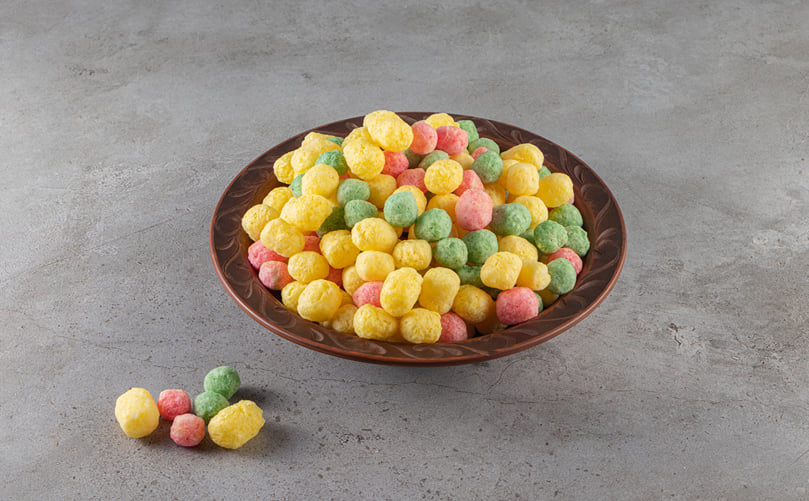
Nutrient-Enriched Extruded Snack Products
Health Impacts of Extruded Snack Foods
Extruded snacks offer several health advantages due to improved nutrient profiles and controlled processing conditions. However, careful formulation is essential to minimize potential risks associated with high processing temperatures. When optimized, extrusion technology can produce healthier alternatives to traditional fried snacks and contribute meaningfully to nutritional security.
Reduced Fat Content and Calorie Density: Compared to deep fried snacks, extruded snacks absorb significantly less oil often below 5%, versus up to 30% in fried products. This reduction lowers overall calorie density (approximately 100–200 kcal per 30 g serving) and eliminates or minimizes trans fats, thereby reducing the risk of obesity and cardiovascular diseases. Post extrusion techniques such as air puffing or baking further reduce fat levels. Additionally, extrusion limits lipid oxidation, improving shelf stability and supporting heart health.
Improved Digestibility and Glycemic Response: The extrusion process gelatinizes starch and denatures proteins, enhancing digestibility. Whole grain and millet based extruded snacks provide high dietary fiber (up to 18 g/100 g), antioxidants and a relatively lower glycemic index when compared to refined starch-based products. These properties support gut health, improve blood sugar regulation and help reduce the risk of diabetes, colon cancer and heart disease.
Nutrient Rich Formulations Using Millets and Legumes: Millets such as pearl millet and finger millet enrich extruded snacks with essential minerals like iron and calcium. Incorporation of legumes improves protein quality and content, enhancing muscle health, satiety and overall nutritional balance. Such formulations are particularly valuable in addressing protein energy malnutrition.
Fortification and Bioactive Enhancement: Extruded snacks provide an effective vehicle for fortification with proteins (e.g., soy protein at 10–15 g/100 g), dietary fibers, micronutrients (iron, zinc, vitamins A and C) and bioactive compounds. Studies report increases in phenolic content of up to 118% following extrusion. These enhancements support immune function, vision and antioxidant defenses, especially in vulnerable populations. Furthermore, extrusion significantly reduces anti-nutritional factors (e.g., phytates reduced by 50–80%), improving mineral bioavailability.
Clean Label and Gluten Free Potential: Extrusion enables the development of clean label snacks using natural ingredients, with minimal reliance on additives or preservatives. Gluten-free formulations based on millets, maize or rice cater to individuals with celiac disease and appeal to health-conscious consumers seeking allergen free products.
Potential Risks and Mitigation Strategies: Despite its benefits, extrusion at high temperatures (>180°C) may lead to minor formation of harmful compounds such as acrylamide or furans. These risks can be mitigated through optimized temperature control, appropriate moisture levels and ingredient selection. Nutrient losses, particularly heat-sensitive vitamins (10–50%) and high glycemic index in starch heavy formulations can be addressed through targeted fortification, fiber enrichment and inclusion of whole grains and proteins.
Overall, when scientifically formulated and properly processed, extruded snacks represent a healthier alternative to conventional fried snacks. They offer reduced fat content, enhanced nutritional value and functional health benefits, making them suitable for both mainstream consumers and nutrition focused interventions.
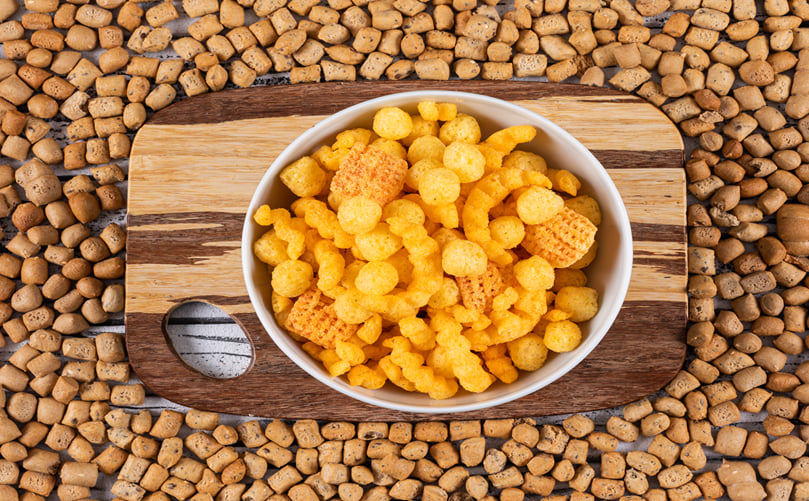
Health-Friendly Extruded Snacks
Extruded Snacks vs. Fried & Baked Snacks
Extruded snacks differ significantly from fried and baked snacks in terms of processing methods, nutritional profiles, texture and shelf life. Overall, extrusion offers a balance of production efficiency and health benefits while each method provides distinct sensory characteristics.
Processing Methods: Extrusion is a continuous high temperature, short-time (HTST) process that integrates mixing, cooking and shaping under high pressure and shear. It enables high-volume production with minimal oil addition, typically less than 5% fat after extrusion. In contrast, fried snacks are produced through batch deep frying in oil at 160–180°C, resulting in substantial oil absorption (20–40%). Baked snacks rely on oven heating at 150–200°C to achieve low fat products but require longer processing times (10–30 minutes) and separate shaping steps. As a result, extrusion is generally more energy efficient and versatile, particularly for complex or fortified formulations.
Nutritional Profile: Extruded snacks usually contain lower fat levels (2–10%) and reduced calorie content (approximately 100–200 kcal per 30 g serving) compared to fried snacks, which are high in fat (20–40%) and calories. Due to short processing times, extrusion allows relatively better nutrient retention, although some heat-sensitive vitamin losses may occur. Importantly, extruded products can be easily fortified to enhance protein and dietary fiber content.
Fried snacks are calorie dense and may contain trans fats and oxidized lipids, increasing health risks. Baked snacks are generally low in fat, similar to extruded products but may exhibit a higher glycemic index due to less starch modification during baking. Extrusion improves digestibility through starch gelatinization and protein denaturation and reduces anti-nutritional factors, making it particularly suitable for nutrient-dense formulations such as millet-based snacks.
Texture and Sensory Characteristics: Extruded snacks are characterized by a light, airy and crispy texture resulting from rapid steam expansion at the die exit, with expansion ratios typically ranging from 2:1 to 10:1. Texture can be tailored from crunchy (high starch formulations) to chewy (high protein formulations).
Fried snacks tend to be denser and greasier with a firm crunch derived from oil absorption. Baked snacks are crisp but generally less expanded and may become dry or hard if insufficient fat or moisture is present.
Shelf Life and Stability: Extruded snacks generally have a longer shelf life (6–12 months) due to their low moisture content (1–5%) and effective microbial inactivation during processing. Fried snacks typically have a shorter shelf life (3–6 months) because of lipid oxidation and rancidity while baked snacks last about 4–8 months and are prone to staleness if packaging is inadequate.
In summary, extrusion technology provides a healthier and more efficient alternative to frying and baking, offering lower fat content, better nutritional adaptability and longer shelf life. However, fried snacks may still be preferred by consumers seeking richer, indulgent textures while baked snacks appeal to those prioritizing low fat options.
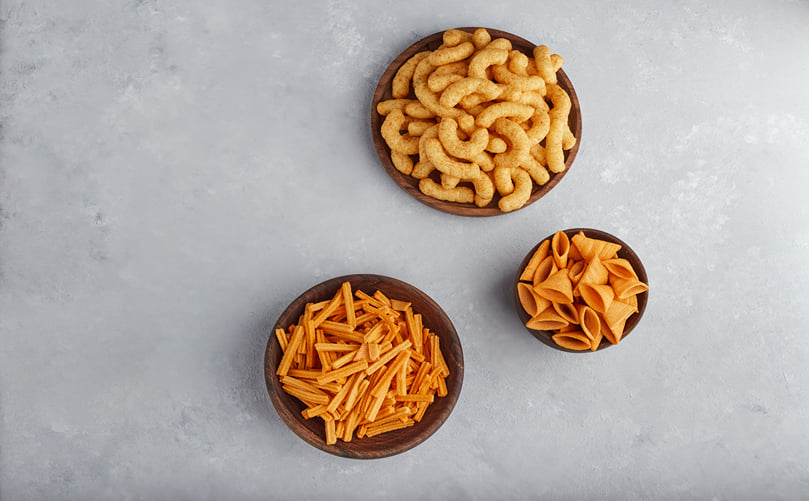
Comparison of Extruded, Fried and Baked Snack Products
Advantages of Extrusion Technology in Snack Production
Extrusion technology offers numerous advantages in snack production, making it a preferred processing method in the food industry due to its efficiency, versatility and ability to enhance product quality while meeting growing consumer demand for healthier and more sustainable food options.
High Efficiency and Integrated Processing: Extrusion is a high temperature, short-time (HTST) process that integrates multiple operations mixing, cooking, shaping and texturizing into a single continuous system. This integration significantly reduces labor and operational costs, with reported reductions of up to 14% in labor requirements and 44% in capital investment compared to conventional processing methods. Its continuous operation enables high throughput rates, often reaching 500 kg/h or more in industrial scale setups, while minimizing downtime and allowing seamless scalability from pilot or R&D extruders to full commercial production lines.
Energy Efficiency and Process Control: Extrusion is energy efficient because it combines mechanical shear and frictional heat with controlled external heating, reducing overall energy consumption relative to batch cooking processes. Uniform heat distribution ensures consistent cooking and product quality. Precise control over key processing parameters temperature (100–200°C), pressure (10–50 bar), screw speed (200–500 rpm) and feed moisture content (14–20%) allows consistent mixing, starch gelatinization, protein denaturation and microbial inactivation without overprocessing.
Consistent Product Quality: The high level of process control in extrusion ensures uniform texture, color, flavor and expansion characteristics across batches. This consistency minimizes product variability commonly observed in manual or batch-based methods and improves overall consumer acceptance.
Versatility and Product Customization: Extrusion technology is highly versatile, offering extensive flexibility in product design and formulation. A wide range of shapes such as curls, rings and three-dimensional pellets can be produced through customized die designs. The process supports incorporation of whole grains, millets, proteins, dietary fibers and functional ingredients such as prebiotics, probiotics (post extrusion application) and antioxidants. This versatility enables development of gluten free, high protein, high fiber and fortified snacks tailored to specific nutritional and dietary requirements. Advanced applications including co-extrusion for filled products and integration with emerging technologies such as 3D food printing, further enhance innovation potential.
Reduced Processing Time and Waste: Extrusion significantly shortens processing time often requiring only seconds to minutes per production cycle, compared to hours in traditional frying or baking operations. Material utilization is highly efficient with minimal waste generation typically less than 5%. Additionally, extrusion allows effective use of agricultural by products such as fruit and vegetable pomace or oilseed meals, contributing to value addition and waste reduction.
Nutritional Enhancement and Shelf-Life Extension: From a nutritional perspective, extrusion improves digestibility by gelatinizing starches (increasing nutrient bioavailability by approximately 20–30%) and denaturing proteins to enhance absorption. It also substantially reduces anti-nutritional factors, such as trypsin inhibitors (by 70–90%), and limits lipid oxidation. These effects contribute to the production of healthier snack products with extended shelf life, typically ranging from 6 to 12 months, due to low final moisture content (1–5%) and effective pathogen inactivation.
Environmental and Sustainability Benefits: Extrusion is considered a relatively clean and environmentally friendly technology, characterized by low emissions, efficient energy and water use and high raw material utilization. Its ability to process sustainable crops such as millets and to incorporate food processing by products supports circular economy principles and environmentally responsible food production.
Overall, extrusion technology enables cost effective, high quality and nutritionally enhanced snack production at industrial scale. Its efficiency, adaptability and sustainability advantages make it a key driver of innovation and market growth in the global snack food industry, effectively meeting modern consumer demands for convenience, health and sustainability.
Limitations and Challenges of Extrusion Technology
Despite its numerous advantages, extrusion technology also presents several limitations and challenges that can influence product quality, operational efficiency, cost and suitability for certain formulations. Addressing these constraints is essential for maximizing the benefits of extrusion in snack production.
Nutrient Degradation and Thermal Effects: The high temperatures (up to 200°C) and intense shear forces involved in extrusion can lead to degradation of heat sensitive nutrients, particularly vitamins such as vitamin C and B-complex vitamins, with reported losses ranging from 10–50%. Bioactive compounds including certain antioxidants may also be reduced. These effects are more pronounced in formulations containing sensitive ingredients. Additionally, high temperature conditions can promote Maillard reactions and the formation of undesirable compounds such as acrylamide at temperatures above 180°C, necessitating careful optimization of processing parameters and in some cases, post extrusion fortification.
Texture and Expansion Limitations: Formulations with high protein content (e.g., >15% from legumes) or high dietary fiber levels (e.g., >10% from millets or bran) often exhibit reduced expansion ratios, typically declining to 2–4:1. This reduction results in denser products with hard, rubbery or gummy textures. Such issues arise due to protein aggregation and fiber interference with starch gelatinization which limits steam expansion at the die exit.
Challenges with High Fat Formulations: Inclusion of high fat ingredients (>10%) complicates extrusion processing by reducing internal friction and barrel temperatures, which can impair adequate cooking. Excess fat may also cause material slippage within the barrel leading to inconsistent extrusion behavior, uneven product quality and increased equipment wear.
High Capital and Operating Costs: Extrusion systems, particularly twin-screw extruders, require substantial capital investment, with initial costs typically ranging from USD 0.5 to 2.5 million. In addition to equipment costs, operational expenses related to energy consumption stemming from mechanical shear and heating can be significant. These financial barriers limit accessibility for small scale or resource constrained producers.
Design and Shape Constraints: Although extrusion allows a variety of shapes, there are limitations imposed by die design, material viscosity and flow behavior. These constraints often restrict products to relatively simple and symmetrical forms, making it difficult to achieve highly intricate or elastic textures, such as those found in gummy or confectionery products.
Process Control and Scale Up Challenges: Extrusion demands precise control over processing conditions. Variations in raw material characteristics such as particle size (typically 100–500 μm), composition or moisture content can lead to inconsistencies in product quality. Maintaining uniform output requires advanced monitoring systems and skilled operators capable of adjusting screw configuration, speed, feed rate and die geometry. Furthermore, scaling up from laboratory or pilot scale extruders to industrial production can be challenging due to changes in residence time, shear intensity and heat transfer, often resulting in variable product outcomes.
Sustainability and Environmental Concerns: While extrusion is generally considered a clean technology, it can be energy intensive and generate waste during equipment cleaning and changeovers. Ongoing innovations, such as supercritical fluid extrusion and improved screw and barrel designs aim to reduce energy use and enhance sustainability but widespread adoption remains limited.
Overall, the limitations of extrusion technology highlight the need for continuous research in process optimization, ingredient functionality and advanced extruder design. Addressing these challenges will help expand the applicability of extrusion across diverse food products while maintaining product quality, nutritional value and economic viability.
Flavoring and Seasoning Strategies in Extruded Snack Products
Flavoring and seasoning are critical steps in extruded snack production, enhancing sensory appeal through taste, aroma and mouthfeel while enabling customization to meet diverse consumer preferences. These processes are typically carried out post extrusion to preserve volatile flavor compounds as the high temperatures involved in extrusion (100–200 °C) can cause significant flavor degradation.
Flavor application methods include surface application (the most common approach for extruded snacks due to their porous structure), internal addition of flavors into the dough for uniform distribution and core filling in co extruded products. Surface flavoring is preferred because it ensures even coating, allows rapid flavor changes on production lines and provides strong flavor impact. Adhesion efficiency depends on surface characteristics such as moisture content, porosity and oil presence. Recent innovations emphasize natural and clean label flavors, using extracts from herbs and spices or reaction flavors that replicate roasted or baked profiles without additional thermal processing.
Flavor Application Techniques: Two primary techniques: oil spraying and dry seasoning are commonly used, often in combination for optimal results.
Oil spraying involves atomizing vegetable oil or oil-based binders (typically at a 3–10% application rate) onto the extrudate as it enters a rotating seasoning drum. This creates a tacky surface that improves adhesion of dry seasonings, particularly on low moisture products such as baked extrudates or popcorn. While this method enhances flavor intensity and reduces powder loss, excessive oil application can increase calorie content.
Dry seasoning, applied using scarfed augers or vibratory feeders (generally at a 6–8% rate), is a simpler method and works well on oil rich surfaces such as fried snacks. However, without a binder it may lead to uneven coverage or seasoning loss. Slurry seasoning, where oil and dry flavor powders are blended into a paste, offers superior uniformity for highly porous snacks, improving flavor release while minimizing waste.
Two stage seasoning systems oil application followed by dry seasoning are widely used for products such as tortilla chips and extruded puffs. These systems improve coating efficiency, restrict oil handling to the kitchen area for easier sanitation and allow faster flavor changeovers.
Popular Flavor Profiles: Common flavor profiles for extruded snacks include savory classics such as cheese (cheddar or parmesan for creamy, tangy notes), masala (spiced blends featuring cumin, chili, coriander and turmeric), BBQ (smoky, sweet tangy profiles with paprika and onion) and spicy variants (jalapeño, peri-peri or sriracha). Sweet flavors such as cinnamon sugar, honey or chocolate are gaining popularity, particularly in breakfast oriented or cereal based extrudates. These profiles are developed using blends of natural seasonings, reaction flavors for roasted notes and liquid essences for efficient flavor delivery.
Regional Taste Customization: Regional flavor customization plays a crucial role in market acceptance and penetration. In India and South Asia, bold profiles such as masala, chaat and tamarind based spicy sour flavors dominate, often relying on locally sourced spices for authenticity. In the United States and Europe, cheese, BBQ and ranch remain popular, alongside growing interest in ethnic fusion flavors such as Korean gochujang or Mexican tajín. Asian markets favor umami rich savory notes derived from soy or fermented sauces, as well as lightly sweetened profiles for rice based extrudates. In Latin America, chili lime combinations and tropical fruit flavors are widely preferred.
This localization strategy involves fine tuning spice intensity, sweetness, saltiness and heat to align with regional dietary habits. Market research consistently indicates that regional taste preferences influence nearly 70% of snack purchase decisions, underscoring the importance of targeted flavor development.
Shelf Life and Packaging of Extruded Snacks
The shelf life of extruded snacks typically ranges from 6 to 12 months under proper storage conditions and is influenced by factors such as moisture content, lipid oxidation, microbial stability and environmental exposure. The high temperature short time (HTST) nature of extrusion significantly reduces initial moisture levels (to approximately 1–5%) and inactivates most enzymes and microorganisms inherently improving shelf stability compared with high moisture snack products. However, quality deterioration may still occur due to lipid oxidation in oil seasoned snacks or moisture uptake from the environment, leading to rancidity, loss of crispness, off flavors and nutrient degradation. Shelf-life preservation strategies therefore include antioxidant incorporation, controlled storage conditions (cool and dry environments at 20–25 °C) and the use of advanced packaging systems to maintain sensory quality.
Moisture Control and Water Activity: Moisture management is critical for maintaining the quality of extruded snacks. Water activity (a_w) is generally maintained below 0.6 to inhibit microbial growth and preserve texture. After drying, extruded snacks typically contain 3–4% moisture; however, due to the hygroscopic nature of starch rich matrices, they can absorb ambient humidity and increase to 5–6% moisture resulting in textural softening. Control measures include optimized raw material preconditioning, post extrusion drying at 80–120 °C and monitoring equilibrium relative humidity during storage.
Modified atmosphere packaging (MAP), particularly nitrogen flushing, minimizes oxygen and moisture ingress and can extend shelf life by 50–100% (for example, increasing storage stability from 7 to 14 weeks in certain studies). In addition, active moisture regulators such as silica gel or hygroscopic salts may be incorporated to control internal package humidity.
Packaging Materials and Technologies: Packaging materials for extruded snacks are selected primarily for their barrier properties against moisture, oxygen, light and aroma loss. Commonly used materials include metallized polypropylene or polyethylene (PP/PE) laminates which provide effective moisture and vapor barriers; aluminum foil laminates which offer superior protection against oxygen and light and multilayer films incorporating EVOH or PVDC which further enhance gas barrier performance.
Growing sustainability concerns have encouraged the use of biodegradable packaging materials, such as polylactic acid (PLA) or starch-based polymers, often combined with natural antioxidants to compensate for their relatively lower barrier properties. Consumer friendly formats, including resealable pouches, improve convenience and reduce post opening quality loss. Nitrogen flushed or vacuum sealed packs are widely employed to limit oxidative deterioration.
Role of Antioxidants and Active Packaging: Antioxidants and preservatives play a key role in delaying oxidative rancidity, particularly in fat-containing extruded snacks, where Thio barbituric acid (TBA) values may increase (e.g., from 0.02 to 0.07) during storage. Natural antioxidants such as tocopherols, rosemary extract and plant derived phenolics (e.g., from cactus pear) are increasingly preferred and can be incorporated directly into formulations or embedded within packaging films for controlled release, in some cases doubling shelf life.
Although synthetic antioxidants such as BHA and BHT are still used, their application is declining due to clean label and regulatory pressures. As an alternative, active packaging systems containing bioactive compounds, oxygen scavengers or antimicrobial agents are being developed to inhibit lipid peroxidation and microbial spoilage, thereby ensuring product safety and quality throughout distribution and storage.
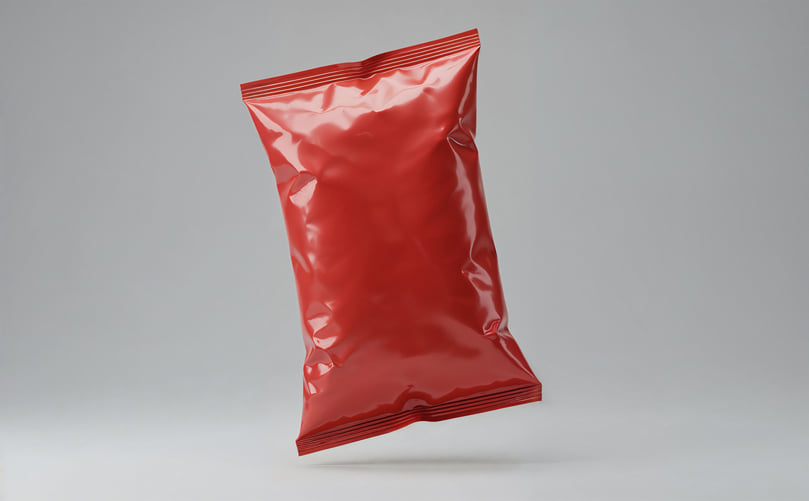
Keeping Snacks Crunchy: Modern Packaging Solutions
Consumer Trends and Market Demand for Extruded Snacks
Consumer trends in extruded snacks increasingly emphasize health, convenience and sustainability. More than 60% of global consumers now seek nutritious snack options such as high protein, fiber rich and low-calorie products. This shift is driven by growing awareness of wellness, preventive healthcare and lifestyle related disorders, leading to a preference for functional snacks that provide satiety, sustained energy or specific health benefits (e.g., improved gut health through prebiotics). Plant based and clean label products dominate current innovations, with fortification strategies addressing micronutrient deficiencies. At the same time, urbanization and e-commerce growth have increased demand for portable, ready to eat formats, while social media platforms accelerate flavor experimentation, brand storytelling and premium positioning.
Rising Demand for Healthy and Functional Snacks: Demand for healthier snack alternatives continues to rise, with consumers favoring nutrient dense products over traditional highly processed snacks. High protein extruded snacks (typically providing 10–20 g protein per serving) derived from peas, lentils, chickpeas or almonds appeal strongly to fitness conscious consumers. Similarly, fiber enriched snacks, often formulated with whole grains or bran fractions, support digestive health and glycemic control. Gluten free, low glycemic index (GI) and allergen friendly products cater to specialized dietary needs, with studies indicating that nearly 55% of younger consumers prioritize products aligned with sustainability and overall wellbeing. This trend has translated into consistent market growth driven by expanded retail penetration and increasing product diversification.
Growth of Millet Based and Plant Protein Snacks: The resurgence of millet-based snacks and plant protein formulations aligns with the global interest in ancient grains and plant forward diets. Millets such as pearl millet, finger millet and proso millet offer gluten free formulations with high dietary fiber content (8–12%) and relatively low glycemic indices (≈50–55), making them suitable for diabetes management and weight control. These grains are increasingly positioned as superfoods, with innovations including extruded puffs, curls and snack bars.
Plant proteins sourced from legumes, oilseeds and nuts further enhance the nutritional value of extruded snacks. Blended protein systems help achieve balanced amino acid profiles, supporting vegan and flexitarian consumer demands. Government initiatives and international programs, including UN-led campaigns promoting millets, have significantly increased awareness and adoption, particularly in regions such as India and South Asia, which account for approximately one-third of regional demand.
Demographic Specific Preferences: Consumer preferences vary significantly by age group, shaping targeted product development and marketing strategies. Children’s snacks emphasize fun shapes (e.g., rings, stars or animal forms), bright colors and mild flavors such as sweet corn or cheese, while parents increasingly demand low sugar, fortified and additive free options. In contrast, adult consumers prefer more sophisticated, health-oriented products including spicy protein puffs, multigrain or millet-based snacks and functional bars designed for on-the-go energy and satiety.
This demographic segmentation has a measurable market impact, with children’s snack products accounting for up to 40% of sales in certain markets, while adult oriented products continue to grow through their emphasis on functionality, sustainability and premium ingredients.

Consumer Preferences Driving the Extruded Snacks Market
Sustainability and Innovation in Extrusion Technology
Extrusion technology plays a pivotal role in promoting sustainability within the food industry by enabling efficient resource utilization, waste reduction and the development of environmentally responsible products. One of its major advantages is the ability to convert underutilized raw materials and agro industrial by products into value added food products, thereby reducing environmental burdens through upcycling. Agricultural residues such as brewer’s spent grains, fruit pomace and oilseed meals can be incorporated into extruded formulations, diverting these materials from landfills while producing nutrient dense snacks and functional ingredients. This practice supports a circular economy by valorizing waste streams and has the potential to reduce food waste by 20–30% across processing chains.
From a processing perspective, extrusion’s high temperature short time (HTST) operation is inherently resource efficient, requiring less water and energy than many conventional food processing methods. Advances in extruder design have improved thermal efficiency and process control, contributing to a lower carbon footprint. Emerging innovations such as supercritical fluid assisted extrusion, use carbon dioxide as a physical blowing agent, eliminating the need for chemical additives while improving product expansion and maintaining environmental safety.
Alternative Raw Materials and Energy Efficient Systems
The growing use of alternative grains and by products further strengthens the sustainability profile of extrusion. Drought tolerant crops such as millets and sorghum which demand significantly less water and fertilizer than conventional cereals are increasingly used in extruded snack products. Their inclusion supports agrobiodiversity and reduces pressure on natural resources. Similarly, by products from brewing, oil extraction and juice processing industries provide fiber and protein rich ingredients that enhance nutritional quality while addressing food security challenges, particularly in resource constrained regions.
Modern energy efficient extrusion systems including advanced twin screw extruders with improved heat recovery and optimized screw configurations can reduce operational energy consumption by 20–40%. Enhanced automation and digital process control further minimize raw material losses, prevent overproduction and improve consistency. In addition, hybrid technologies that combine extrusion with 3D food printing enable on demand manufacturing, reducing inventory waste and facilitating customized, sustainable food solutions.
Emerging Innovations and Future Directions
Current innovations in extrusion increasingly integrate emerging and cross disciplinary technologies to improve functionality and environmental performance. Reactive extrusion enables in line modification of starches and proteins, facilitating the production of biodegradable and compostable packaging materials derived from food grade polymers as alternatives to conventional plastics. Startups and research institutions are also exploring hybrid extrusion 3D printing platforms which allow precise ingredient deposition, complex product geometries and reduced material usage.
Beyond human food, extrusion-based innovations in pet food and aquafeed have improved digestibility and nutrient bioavailability, reducing feed waste and environmental pollution associated with animal production systems. Collectively, these advancements position extrusion technology as a key driver of sustainable innovation, aligning with global objectives for resource efficiency, emission reduction and circular economy development while simultaneously enabling the creation of novel, high value products.
Applications of Extrusion Technology Beyond Snacks
Extrusion technology extends well beyond snack production, serving as a highly versatile processing method across multiple food sectors due to its ability to integrate mixing, cooking, texturizing and shaping into a single continuous operation. This versatility enables the production of a wide range of products with improved nutritional quality, safety and convenience.
Breakfast Cereals and Confectionery: In the breakfast cereal industry, extrusion is widely used to manufacture puffed, flaked, shredded or loop shaped products from cereals such as corn, wheat, rice and oats. The process allows for micronutrient fortification with vitamins and minerals, resulting in ready to eat cereals with extended shelf life and enhanced digestibility. Extrusion also promotes starch gelatinization, enabling quick preparation in products such as instant porridges and cereal based convenience foods.
In confectionery applications, extrusion is employed to produce chewy bars, gums, licorice and molded sweets by blending sugars, syrups, fats, flavors and binding agents. Precise control over temperature, moisture and shear enables targeted texture development and facilitates the incorporation of functional ingredients including probiotics, fibers and nutraceuticals.
Pet Food, Aquafeed and Humanitarian Foods: Pet food and aquafeed are among the most significant non snack applications of extrusion. In pet food, extrusion converts meat by-products, cereals and protein concentrates into uniform kibbles with balanced nutrition, high digestibility and improved microbial safety. The structured texture of extruded kibbles can also support dental health and reduce formulation waste.
In aquafeed, extrusion enables the production of floating or sinking pellets from fish meal, oilseed meals and plant proteins, improving feed conversion efficiency and reducing environmental pollution caused by uneaten feed. The high temperature short time (HTST) nature of extrusion inactivates anti nutritional factors and pathogens, thereby enhancing nutrient bioavailability and supporting improved growth performance in aquatic species.
Extrusion is also critical in the production of humanitarian and therapeutic foods such as ready to use therapeutic foods (RUTF) and ready to use supplementary foods (RUSF). These products benefit from extrusion through improved safety, reduced anti nutritional compounds, extended shelf life and the ability to incorporate locally sourced raw materials making them cost effective solutions for addressing malnutrition in vulnerable populations.
Instant Foods, Nutrition Bars and Plant Based Products Extrusion plays a key role in the manufacture of instant and convenience foods, including pasta, noodles, rice analogs and soup mixes. Cold extrusion is commonly used to shape pasta without cooking whereas hot extrusion partially or fully gelatinizes starches enabling rapid rehydration in instant products.
Nutrition and energy bars utilize extrusion to bind cereals, nuts, dried fruits, sugars and protein isolates into compact, portable formats. These products are often fortified with dietary fiber, vitamins, minerals and bioactive compounds to deliver targeted health benefits such as energy release, satiety or muscle recovery.
High moisture extrusion is central to the production of meat analogs and textured vegetable proteins (TVP) from soy, pea or wheat proteins. This process creates fibrous structures that closely mimic the texture of animal meat, supporting the growing demand for plant based and flexitarian diets.
Additional Industrial Applications: Beyond mainstream food categories, extrusion is used in dairy analogs, weaning and infant foods and oilseed processing, where it aids in bran stabilization, enzyme inactivation and efficient oil extraction. Collectively, these diverse applications underscore extrusion technology’s critical role in delivering affordable, nutritious, safe and sustainable food solutions across the global food and feed industries.
Future Prospects and Innovations in Extruded Snacks
The future of extruded snacks is strongly oriented toward healthier, personalized and sustainable products, driven by evolving consumer expectations and rapid technological advancements. Increasing demand for functional foods has accelerated innovation in formulation and processing, positioning extrusion as a key technology for next generation snack development.
Health Oriented and Functional Innovations: High protein extruded snacks are expected to expand significantly, incorporating protein isolates and concentrates from peas, lentils, chickpeas, oilseeds and emerging sources such as insects or microbial proteins. These products aim to deliver 10–20 g of protein per serving while maintaining desirable expansion, crunch and mouthfeel through optimized extrusion parameters. In parallel, low glycemic index (GI) snacks formulated with resistant starches from millets, pulses and legumes are gaining traction among diabetic and weight conscious consumers. Such formulations can reduce GI values by 20–30% compared with conventional starch-based snacks, while blended protein systems help achieve balanced amino acid profiles for improved nutritional quality.
Personalized Nutrition and Advanced Processing: The integration of extrusion with 3D and 4D food printing technologies represents a major future opportunity, enabling the development of personalized snacks tailored to individual dietary needs. This includes customization of shape, texture, flavor and nutrient composition as well as the production of allergen free, age specific or condition specific foods. Fortified extruded snacks enriched with vitamins, minerals, prebiotics, probiotics, omega-3 fatty acids or plant bioactive are expected to target specific populations such as children, athletes and the elderly, supporting immunity, gut health and metabolic wellness.
Emerging techniques such as hot melt extrusion and supercritical fluid assisted extrusion further enhance the potential of extruded snacks by enabling encapsulation and controlled release of bioactive compounds, improving their stability, bioavailability and functional efficacy throughout shelf life.
Sustainability, Automation and Market Expansion: Extrusion will play an increasingly important role in climate resilient food systems by promoting the use of drought tolerant and underutilized crops such as sorghum, millets and pseudocereals. These raw materials support resilient supply chains while reducing dependence on water and input intensive cereals. Innovations in multidimensional pellets, co extrusion and hybrid processing systems will expand product diversity and sensory appeal.
At the processing level, greater adoption of automation, digitalization and artificial intelligence (AI) will optimize extrusion parameters in real time, improving energy efficiency, product consistency and waste reduction. From a market perspective, demand for plant based, gluten free, clean label and ethically sourced snacks will continue to grow, particularly in emerging economies where local sourcing and regional flavors drive acceptance.
Overall, the adaptability of extrusion technology positions it as a critical solution for addressing global challenges such as food security, nutrition and environmental sustainability, while enabling the creation of innovative, affordable and nutrient dense snack products for future consumers.