

Popped Snacks: An Introduction to a Naturally Light Crunch
Popped snacks are a category of light, airy treats created through a process in which grains, seeds or legumes are heated until they expand and “pop,” resulting in a crunchy texture without the need for deep frying. This method involves applying heat, pressure and sometimes moisture, causing the internal starch and water to vaporize and expand leading to the characteristic puffing.
Historically, popping has ancient roots. For example, popcorn one of the most iconic popped snacks traces back thousands of years to indigenous cultures in the Americas, where corn kernels were heated over open fire. Evidence from archaeological sites in Peru dates popcorn consumption to around 6,700 years ago, with ancient corncobs and husks discovered in studies reported in 2012. The Aztecs used popped corn in rituals, believing the popping sound represented ancestral spirits. Over time, popping techniques spread globally, influencing traditional snacks such as puffed rice in Asia and popped sorghum in Africa.
Popped snacks differ significantly from other food processing methods. Fried snacks are submerged in hot oil, which leads to higher fat absorption and increased calorie density. Baked snacks use dry heat in ovens and often require added oils or binders to achieve crispiness, although they may retain more natural flavors. Extruded snacks, such as cheese puffs are produced by forcing ingredients through dies under high pressure and heat, creating uniform shapes but often involving more additives and processing steps. In contrast, popped snacks rely mainly on the natural expansion of the kernel or grain, minimizing processing complexity.
Common examples of popped snacks include popcorn (from corn), popped rice (such as puffed rice cakes or traditional snacks like bhel), popped millets (including foxtail millet and pearl millet), popped sorghum (a nutty, gluten free option) and popped pulses such as chickpeas or lentils, which offer protein rich snack alternatives. These snacks vary in texture popcorn is fluffy and irregular, while popped millets and pulses are smaller, denser and more compact.
The rising popularity of popped snacks is closely linked to increasing health consciousness among consumers. With growing awareness of obesity and lifestyle related diseases, people are seeking lighter alternatives to fried and heavily processed snacks. Popped snacks provide a satisfying crunch with comparatively lower fat content, aligning well with trends favoring whole grains, low fat diets and natural ingredients. Additionally, fast paced urban lifestyles demand convenient and portable snack option and the versatility of popping allows for innovation in flavors and formats, making popped snacks appealing across diverse age groups and demographics.
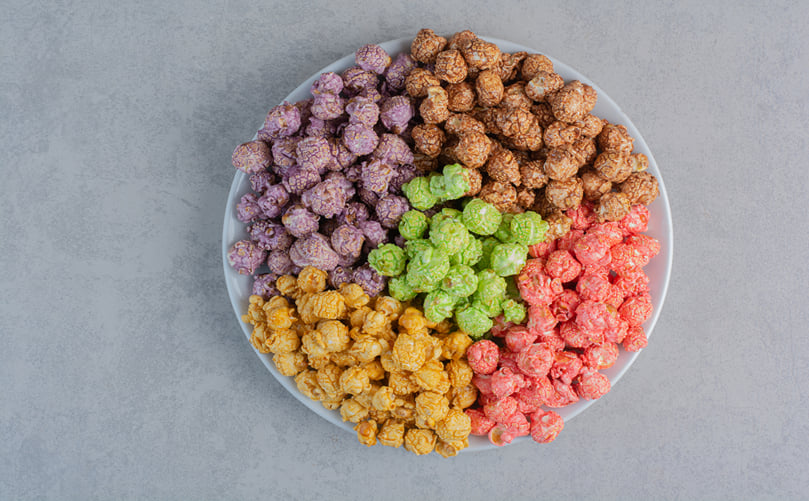
From Grain to Crunch: Light, Crunchy and On-the-Go
How Popped Snacks Are Made: The Science Behind the Crunch
The production of popped snacks involves a straightforward yet scientifically precise process that leverages the natural structure of grains, seeds or pulses to create light, expanded products. At its core, the popping mechanism depends on the grain’s internal moisture content typically 13–20% for optimal popping and a tough outer hull or pericarp capable of withstanding increasing internal pressure.
When heat is applied, the water trapped inside the kernel turns into superheated steam, causing the starch in the endosperm to gelatinize. This generates intense internal pressure often reaching up to 135 psi in popcorn kernels until the hull ruptures. Once the hull breaks, the gelatinized starch expands rapidly into a foam-like structure, increasing the kernel’s volume by 20–50 times, depending on the grain type. This explosive expansion clearly distinguishes popping from puffing, where steam escapes more gradually through micropores, resulting in a controlled swelling commonly used in extruded snacks.
Compared to fried snacks, which require immersion in hot oil and therefore involve oil absorption and more complex machinery, popped snacks undergo minimal processing with little to no added oil. This helps preserve natural grain flavors, reduces fat content and simplifies equipment requirements. The process also enhances texture by creating an irregular, airy crunch while increasing volume without fillers making popped snacks feel more filling per calorie consumed.
Step-by-Step Commercial Production Process
Commercial production scales the popping process for consistency, safety and efficiency. While the core principles remain the same, specific steps may vary depending on the raw material such as corn for popcorn, millets for puffs or pulses like chickpeas for protein rich popped snacks.
Raw Material Selection and Preparation: Grains are harvested, dried to ideal moisture levels and transported to processing facilities. They are cleaned using sieves, air classifiers and magnetic separators to remove dirt, stones, immature kernels and other foreign matter. Quality inspection ensures only sound grains are used and crops like sorghum or millets are often graded for uniform size to promote even popping.
Pre-Treatment (Optional): Some grains undergo conditioning steps such as soaking or tempering to adjust moisture content or salting for flavor enhancement. Pulses may require pre-cooking or roasting to soften their structure and improve popping efficiency.
Popping: Heat is applied using several methods, depending on the product type and scale of production:
- Hot Air Popping: Uses convection heat at 180–250°C in fluidized bed systems, allowing uniform expansion without oil. This method is ideal for health focused snacks.
- Gun Puffing: Grains are sealed in a pressure chamber with superheated steam. A sudden pressure release causes rapid popping, producing highly crispy textures.
- Microwave or Extrusion Popping: Electromagnetic waves or high pressure extruders gelatinize starch rapidly. Extrusion also allows shaping through dies and is commonly used for popped chips made from pellets.
- Traditional Methods: Include sand or salt roasting at high temperatures for artisanal production or oil popping at 200–220°C, which uses minimal oil.
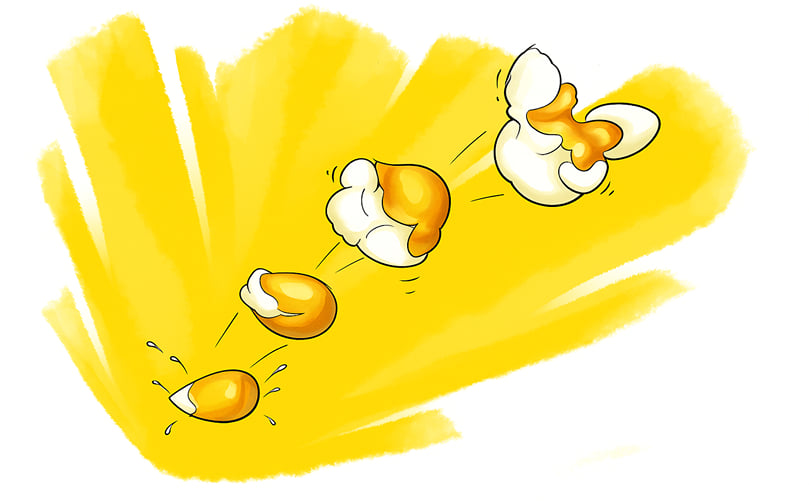
Commercial Popping Process: From Grain to Snack
Equipment may include poppers with rotating stirrers to prevent burning, conveyor belts for continuous processing and sifters to remove unpopped kernels (commonly referred to as “old maids” in popcorn).
Seasoning and Flavoring: After popping, snacks are transferred to tumbling drums where seasonings are applied evenly. These may include dry spice powders, oil-based coatings or liquid sprays. Careful control is essential at this stage to avoid excess moisture, which can compromise crispness.
Cooling and Packaging: The seasoned snacks are cooled on conveyor belts to stabilize texture and prevent condensation. Once cooled, they are packed in airtight bags or containers to retain crunch and extend shelf life. Packaging is often done under nitrogen flushing to prevent oxidation and maintain freshness.
Nutritional Profile of Popped Snacks
Popped snacks possess a favorable nutritional profile, characterized by low fat content and moderate calorie density while retaining essential whole grain and pulse components. Air popped popcorn, for example, provides approximately 387 calories per 100 g, with 4.5 g fat, 78 g carbohydrates, 13 g protein and 15 g dietary fiber, making it a low energy density, high fiber snack when prepared without added oil. Popped rice and popped millets show comparable values, typically remaining under 400 calories per 100 g, with energy derived mainly from complex carbohydrates rather than simple sugars.
As whole-grain products popped snacks retain naturally occurring antioxidants such as polyphenols and ferulic acid, which help combat oxidative stress. Dietary fiber content varies depending on the base ingredient, ranging from 2 to 17 g per 100 g. For instance, popped sorghum contains about 7 g fiber per 100 g, contributing to cholesterol management, digestive health and improved gut function.
Protein contribution is especially notable in popped pulse-based snacks. Popped chickpeas provide approximately 19 g protein per 100 g, offering a protein rich alternative within the popped snack category. When blended with cereals or millets, these snacks can deliver more complete amino acid profiles, supporting muscle repair and maintenance.
Micronutrient content further enhances the nutritional value of popped snacks. Popped millets are rich in B-vitamins, including thiamin and niacin as well as iron (up to 3 mg per 100 g in sorghum), magnesium (important for bone health) and phosphorus. Raw sorghum contains approximately 329 calories per 100 g, with 11 g protein and although caloric density decreases slightly after popping due to volume expansion, mineral retention remains largely intact.
Overall, the popping process has minimal impact on nutrient retention compared with more intensive processing methods such as extrusion, which may degrade heat sensitive vitamins. This position popped snacks as nutrient dense, whole grain-based options that deliver fiber, protein, essential micronutrients and antioxidants while maintaining lower fat content and cleaner nutritional profiles.
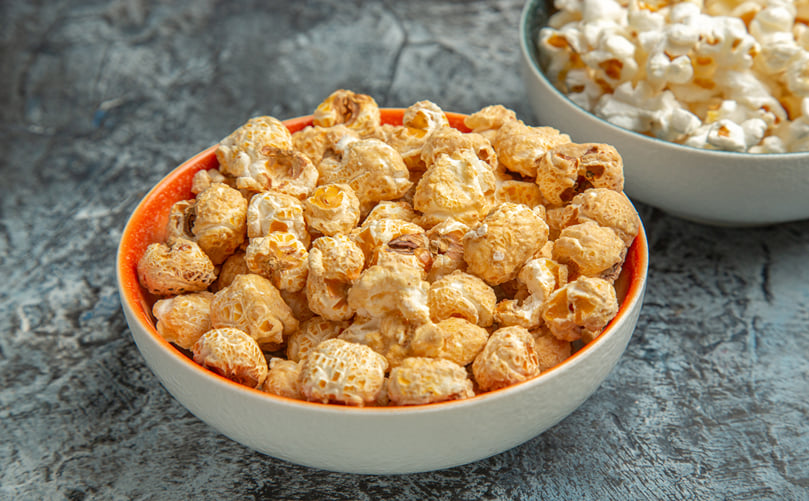
Popped Snacks as Nutrient-Dense Alternatives
Why Popped Snacks Are a Smart Choice for Better Health
Popped snacks offer multifaceted health advantages, beginning with enhanced satiety due to their high volume and fiber content. Their airy structure expands in the stomach, promoting a feeling of fullness and helping to curb overeating. This supports weight management, as their low-calorie density (for example, popcorn provides approximately 31 calories per cup) allows for larger portions without excessive calorie intake, potentially reducing the risk of obesity.
These snacks are generally gentle on digestion. The presence of both soluble and insoluble dietary fibers supports bowel regularity, promotes a healthy gut microbiome and helps reduce constipation or bloating when compared with heavier fried snack options.
In terms of blood sugar regulation, whole grain popped snacks tend to have a moderate to low glycemic index (around 55–65 for plain popcorn), which helps stabilize blood glucose levels. This makes them a more suitable snack choice for individuals managing diabetes as they minimize sharp post meal spikes.
Additional benefits arise from naturally occurring antioxidants, particularly polyphenols, which may help lower the risk of chronic diseases such as cardiovascular disease, type 2 diabetes and certain cancers by improving circulation and reducing inflammation. Their clean nutritional profile typically free from trans fats and excessive oils further supports heart health and overall wellness when consumed plain or lightly seasoned.
Popped Snacks vs Traditional Fried Snacks: What set them apart?
From a nutritional standpoint, popped snacks and fried snacks differ markedly in fat, calorie content, fiber levels, digestibility and long-term health effects. Popped snacks generally contain very low amounts of oil, typically around 0–5%, especially in air-popped forms that require no added fat during preparation. Fried snacks, in contrast, absorb large quantities of oil during cooking, often reaching 30–40% fat content, which substantially increases their total fat load and may introduce trans fats or oxidized oils.
Calorie content closely follows this pattern. A serving of popped snacks such as air popped popcorn usually provides between 31 and 100 calories, making them significantly lower in energy density. Fried snacks, due to absorbed oils, commonly deliver 150–250 calories per serving. Even oil popped popcorn averages about 55 calories per cup with roughly 3 g of fat, while fried potato chips can exceed 150 calories and contain more than 10 g of fat for a similar portion size.
Fiber intake is another important distinction. Popped snacks made from whole grains can supply anywhere from 1 to 14 g of dietary fiber per serving, contributing to improved satiety, better digestion and more stable blood sugar levels. Fried snacks generally provide only about 1–2 g of fiber per serving, offering limited digestive benefits.
Digestibility and satiety also favor popped snacks. Their light, airy structure and higher fiber content make them easier to digest and more filling, helping reduce overeating. Fried snacks are heavier, grease rich and slower to digest, which can lead to bloating, indigestion or acid reflux. Research suggests that popcorn induces stronger short-term fullness than fried chips, often resulting in lower subsequent calorie intake.
In terms of long-term health, frequent consumption of fried snacks is associated with higher risks of obesity, cardiovascular disease and chronic inflammation, largely due to trans fats and imbalanced omega-6 fatty acids. Popped snacks, being lower in fat and rich in antioxidants such as polyphenols, support heart health, weight management and reduced oxidative stress.
Finally, ingredient quality differs notably. Popped snacks often follow a clean label approach, using minimal ingredients such as whole grains and simple seasonings. Fried snacks commonly contain artificial flavors, preservatives, color additives and hydrogenated oils. Together, these nutritional differences make popped snacks a more health supportive option compared to traditional fried snacks when consumed in plain or lightly seasoned forms.
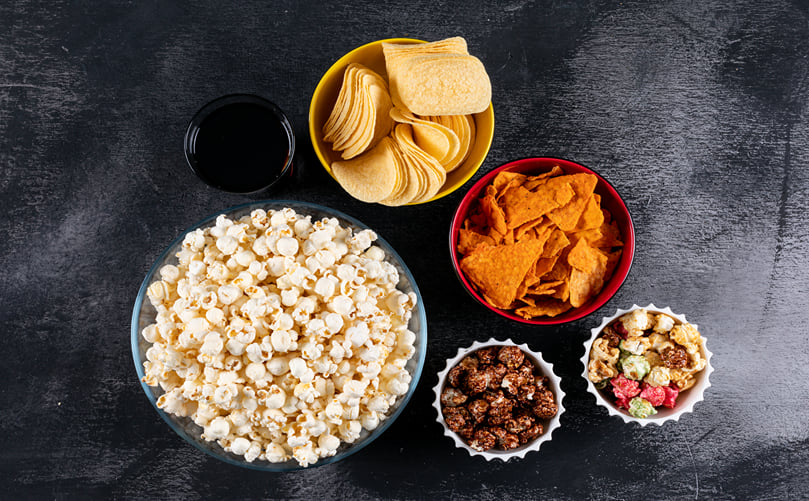
Popped Snacks and Fried Snacks: How They Stand Apart
Key Players and Market Landscape of Popped Snacks
The popped snacks market represents a dynamic and highly competitive landscape, comprising a mix of established multinational corporations and innovative niche players. This category includes products such as popped corn, rice, millets and pulses which have experienced robust growth due to rising consumer demand for healthier, low fat snack alternatives.
The global snacks market, of which popped snacks form a significant subset, was valued at approximately USD 719.18 billion in 2024 and is projected to reach USD 922.08 billion by 2030, growing at a CAGR of 4.3%. Specifically, the popcorn market a core segment of popped snacks was estimated at USD 7.15 billion in 2024 and is expected to expand to USD 18.59 billion by 2033, registering a CAGR of 11.2%. Meanwhile, the broader snack food market stood at USD 248.77 billion in 2025 and is anticipated to grow to USD 330.86 billion by 2030 at a CAGR of 6.0%, driven by health-conscious consumer trends and innovation in functional snack offerings.
Key market drivers include the rise of mindful snacking, premiumization and e-commerce expansion, with consumers increasingly favoring clean label, plant-based, and functional options. The market is fragmented leading to intense competition, mergers, acquisitions and product diversification. Major players invest in research and development to introduce new flavors, functional ingredients and sustainable packaging to capture premium segments. At the same time, challenges such as raw material volatility and regulatory pressures on HFSS (high fat, salt, sugar) products are driving shifts toward low sugar, organic and nutrient dense formulations.
Prominent key players dominate through extensive distribution networks, brand loyalty and continuous innovation. For example:
- PepsiCo Inc., via its Frito Lay division, leads with a diversified portfolio including popped chips and popcorn variants, leveraging its global reach to secure market share.
- Conagra Brands, Inc., owner of Orville Redenbacher's, emphasizes ready-to-eat (RTE) popcorn, focusing on convenience and health.
- General Mills Inc. and The Kellogg Company offer whole grain popped snacks targeted at fitness-oriented consumers.
- Nestlé S.A. and Mondelez International Inc. compete in premium and indulgent segments.
- Niche players such as Weaver Popcorn, Inc. and Hain Celestial Group specialize in organic and gluten free options.
- Other notable companies include The Kraft Heinz Company, Unilever PLC, Campbell Soup Company, and Snyder’s-Lance, which pursue growth through acquisitions, such as Snack Factory’s launch of Pop’ums in 2024.
- Emerging players like GH Cretors and Jolly Time Pop Corn focus on gourmet and artisanal products, capturing high margin segments.
The competitive landscape also emphasizes strategies such as product benchmarking, where companies assess nutrition, flavor variety and sustainability to differentiate offerings. Market share analysis indicates that top players collectively hold approximately 40–50%, with PepsiCo and Conagra leading. Investments in automation, vertical integration and digital marketing, including partnerships with streaming platforms, further enhance visibility and efficiency, helping brands maintain competitiveness in this fast-growing segment.
Regional Market Analysis of Popped Snacks
The popped snacks market exhibits diverse regional dynamics, shaped by consumer habits, economic conditions and cultural preferences. North America currently leads in market share, while the Asia Pacific region shows the fastest growth, reflecting urbanization and rising health-conscious trends. Globally, the popcorn segments a key proxy for popped snacks accounts for approximately 48.3% of the market in North America, 24.7% in Europe and 18.6% in Asia Pacific, with emerging regions such as Latin America and the Middle East & Africa gaining traction through westernization of diets.
North America: North America dominates the market, holding about 47.9% of the popcorn segment in 2025. The U.S. and Canada are the primary contributors driven by a strong snacking culture, cinema associations and growing health awareness. Consumers increasingly prefer ready to eat (RTE) and microwaveable options, bolstered by the rise of streaming services. Market growth is supported by innovations such as gourmet and flavored varieties, with a projected CAGR of 5–7%. Key drivers include busy lifestyles and demand for premium brands, though regulatory challenges related to HFSS (high fat, salt, sugar) products persist.
Europe: Europe accounts for approximately 24.7% of the market growing at a CAGR of 8.8% between 2026 and 2033. Health-conscious consumers in countries like the UK, Germany, France and Italy are fueling demand for low calorie, gluten free popped snacks. Popular formats include salted and premium varieties, with Western Europe favoring organic products, while Eastern Europe experiences rapid adoption through retail expansion. Growth is further supported by economic stability and flavor experimentation, though stringent sustainability and packaging mandates pose challenges.
Asia Pacific: Asia Pacific is the fastest growing region, with a CAGR of 10.7%, holding an 18.6% share of the market. Urbanization in China, India, Japan and South Korea drives demand for convenient, flavored popped snacks, including spicy, sweet and millet-based options. In India, millet-based snacks are reviving traditional grains, while China’s booming cinema industry promotes RTE popcorn. Growth opportunities exist in e-commerce and quick commerce channels, though diverse consumer tastes and fluctuating raw material costs require careful localization strategies.
Latin America: Latin America is experiencing above average growth, supported by the influence of western diets in Brazil, Mexico and Argentina. Affordable RTE popped snacks are gaining popularity among urban consumers and market expansion is aided by rising economic growth. However, volatility in commodity prices and supply chain constraints can hinder stability.
Middle East & Africa: The Middle East & Africa show notable growth, although their combined market share is smaller, around 12% along with Latin America. Health-conscious trends in countries like the UAE, Saudi Arabia and South Africa drive demand with imported premium products dominating the market. Local grains such as sorghum are emerging, while urbanization and retail modernization support adoption. Infrastructure limitations and economic disparities, however, restrict wider market penetration.
Overall, the regional analysis highlights North America’s dominance, Europe’s steady growth, Asia Pacific’s rapid expansion and emerging opportunities in Latin America and the Middle East & Africa, reflecting a blend of health trends, urban lifestyles and cultural preferences across global popped snack markets.
Ingredient Diversity in Popped Snacks: From Grains to Super Seeds
The ingredient diversity of popped snacks spans a wide range of grains, millets, pulses and seeds, allowing manufacturers to tailor products for taste, nutrition, functionality and sustainability. This versatility is one of the key strengths of popped snacks, enabling both traditional and innovative formulations.
Cereals form the foundational group in popped snack production. Corn is the most widely used cereal due to its high expansion ratio and neutral flavor, producing the familiar light and fluffy popcorn. Rice, commonly puffed or popped, delivers a crisp, delicate texture and is widely used in Asian style snacks such as bhel puri. Wheat contributes a denser, chewier bite when incorporated into popped blends, while other cereals like oats, barley and rye are increasingly included in multigrain formulations to enhance dietary fiber and beta glucan content, supporting heart health.
Millets are particularly notable for their nutritional density and climate resilience. Jowar (sorghum) pops into small, nutty bites and is a good source of iron and magnesium. Bajra (pearl millet) provides high levels of protein, dietary fiber, folic acid, calcium, phosphorus and iron, supporting bone strength and immune function. Ragi (finger millet) is valued in traditional diets for its exceptionally high calcium content and antioxidant properties, while foxtail millet is appreciated for its mild flavor, gluten free nature and suitability for cereals and baked snack products. Other millets, including proso millet, add versatility to snack mixes and side dish formats, while underutilized varieties such as barnyard millet and little millet expand options for nutrient rich, pest resistant and environmentally sustainable snacks. Collectively, millets contribute essential amino acids, minerals and fiber while promoting agricultural biodiversity.
Pulses introduce a protein rich dimension to popped snacks. Chickpeas (chana) can be popped into crunchy, savory nuggets that are high in plant-based protein and zinc. Lentils pop quickly and contribute iron and folate, making them suitable for fortified snack blends. Green gram (moong) offers a mild flavor and high digestibility, serving as an excellent base for combinations with cereals and millets to achieve more complete amino acid profiles. These pulse-based ingredients enhance satiety, muscle support and overall nutritional balance, especially in ready to eat cereals and snack mixes.
Seeds and pseudocereals further broaden ingredient diversity. Amaranth and quinoa pop into tiny, nutrient dense puffs rich in complete proteins, minerals and bioactive compounds. Seeds such as chia and sesame add texture, omega-3 fatty acids and micronutrients when incorporated into hybrid formulations. Blending cereals, millets, pulses and seeds allows the creation of multifaceted products, including multigrain popped snacks and bars that combine diverse flavors, textures and health benefits such as improved digestion and enhanced nutrient density.
Finally, underutilized crops like teff and buckwheat are gaining attention for their gluten free nature, antioxidant content and suitability for sustainable snack innovation. Their inclusion supports crop diversification, resilience to climate stress and the development of next generation popped snacks that align nutrition with environmental responsibility.
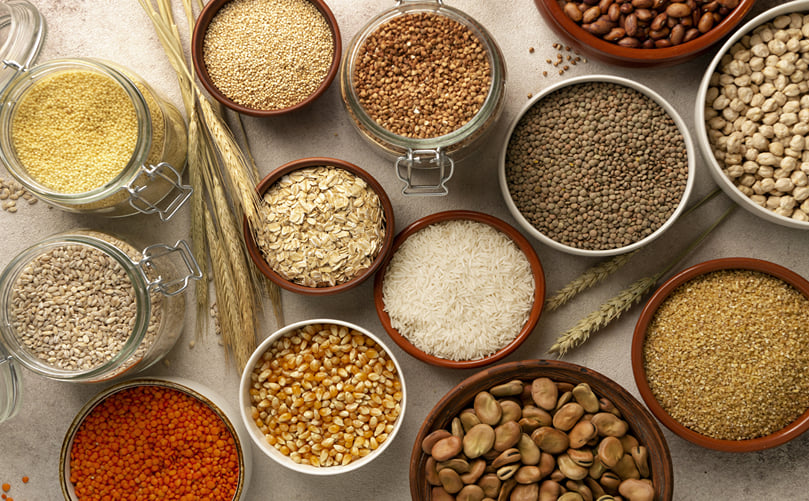
Seeds & Grains: The Power Behind Nutritious Popped Snacks
Flavoring and Seasoning Trends in Popped Snacks
Flavoring and seasoning trends in popped snacks are increasingly blending tradition with innovation, catering to diverse consumer palates while emphasizing health, authenticity and global influences. These trends reflect a shift toward bold, yet balanced flavors applied in ways that preserve texture and nutritional integrity.
Traditional Indian flavors continue to be foundational. Popular options include masala blends featuring cumin, coriander and chili that deliver spicy warmth, as well as chaat seasonings with amchur and black salt that evoke familiar street food profiles. Aromatic spice mixes such as garam masala and peri-peri are also widely used to add depth and complexity. These seasonings are typically applied after popping to maintain crunch and avoid sogginess and they pair especially well with millet and pulse-based popped snacks, reinforcing cultural authenticity.
At the same time, global flavor profiles are gaining strong momentum. Cheese-based seasonings such as cheddar and parmesan provide creamy, indulgent notes, while BBQ flavors introduce smoky and tangy characteristics through spices like paprika and onion. Herb driven profiles using rosemary, thyme or basil add fresh, earthy nuances, supporting a “taste the world” approach without requiring complex formulations. Sweet and spicy combinations are also on the rise, including Korean style sweet chili and honey sriracha blends, appealing to the estimated 64% of consumers who prefer layered flavor experiences. Experimental and nostalgic combinations, such as balsamic vinegar with cheese or basil lime, further enhance novelty and consumer engagement.
Sweet, popped snacks are also expanding in popularity, particularly those formulated with natural sweeteners. Jaggery is valued for its earthy, caramel like flavor and unrefined nature, while caramel adds buttery richness and honey contributes a mild floral sweetness. These sweet profiles are increasingly positioned in health-conscious formats with reduced added sugars. Savory sweet hybrids, such as honey miso, exemplify this fusion of indulgence and balance.
A pronounced shift toward natural seasonings over artificial additives is shaping the market. Natural flavors now dominate new product launches, appearing at more than twice the rate of artificial alternatives, driven by clean label preferences and demand for simple, recognizable ingredients free from preservatives. These flavors are sourced from real spices, herbs and extracts, offering some seasonal variability but aligning closely with trends favoring low sodium, low fat and minimally processed foods. While artificial flavorings still offer consistency and shelf stability, their growth has slowed as consumers increasingly favor transparent, non-GMO profiles. This transition supports the reformulation of popped snacks toward natural flavor systems, enhancing their appeal in premium, functional and wellness-oriented segments.
Clean Label & Functional Positioning in Popped Snacks
Popped snacks are strongly positioned within the clean-label movement by emphasizing transparency, minimal ingredient uses and the absence of artificial additives. This positioning aligns closely with consumer expectations for simple, trustworthy food products. Clean label popped snacks typically feature short ingredient lists centered on whole grains, natural seasonings and non-GMO ingredients or certifications. Such simplicity not only builds consumer confidence but also helps brands stand out in an increasingly competitive snack market.
Functional positioning further strengthens the appeal of popped snacks by enhancing their nutritional value. Many formulations are fortified with proteins, dietary fiber or essential micronutrients, transforming popped snacks from indulgent treats into nutrient dense foods that support specific wellness goals such as immunity, digestive health and sustained energy.
Gluten free offerings are particularly prominent, especially those based on millets or rice. These options cater to individuals with celiac disease or gluten sensitivity while simultaneously expanding market reach to consumers seeking lighter, grain diverse alternatives. In addition, most popped snacks are inherently vegan and plant-based, as they rely primarily on grains, pulses and seeds without animal derived ingredients. This makes them suitable for ethical eaters and aligns well with plant forward dietary trends.
A defining characteristic of clean label popped snacks is the complete avoidance of artificial preservatives, colors and flavoring agents. Instead, brands increasingly rely on natural functional ingredients such as turmeric, valued for its anti-inflammatory properties or ginger, known for supporting digestion. Shelf stability is achieved through controlled processing techniques rather than chemical preservatives, reinforcing the clean and natural image.
Fortification provides opportunities for targeted nutrition. Protein enrichment using pulses or plant-based protein isolates supports muscle maintenance and makes products suitable for athletes and vegetarians. Fiber enhancement through whole grains improves digestive health and satiety, while mineral fortification with nutrients such as iron and calcium helps address common deficiencies, particularly in millet-based products. Emerging innovations include the incorporation of superfoods such as mushrooms, which contribute umami flavor and immune supporting compounds and seaweed, which adds trace minerals while maintaining clean label integrity.
Together, this dual emphasis on clean labeling and functional nutrition helps popped snacks meet regulatory expectations and resonate strongly with health-conscious consumers. This positioning supports premium pricing, enhances brand loyalty and reinforces popped snacks as modern, wellness-oriented alternatives in the global snack market.
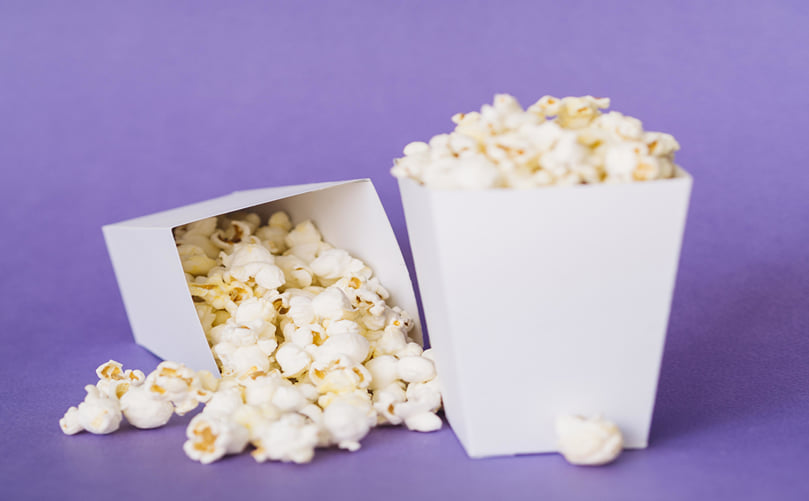
Clean, Smart Packaging for Modern Popped Snacks
Consumer Trends Driving the Growth of Popped Snacks
Consumer trends are strongly propelling the growth of popped snacks, driven by a shift toward mindful snacking in which individuals prioritize portion control, nutritional quality and sensory satisfaction over impulsive eating. This behavior is closely linked to rising health awareness, with increasing preference for low fat, high fiber snack options that support wellness goals such as weight management, steady energy levels and overall metabolic health.
Modern urban lifestyles further reinforce this trend by emphasizing convenience. Busy schedules, remote work and frequent travel have increased demand for portable, on-the-go snack formats, particularly single serve and resealable packs that fit easily into daily routines. Popped snacks being lightweight and shelf stable align well with these convenience driven consumption patterns.
Fitness conscious consumers are another major driver of category growth. Protein enriched and whole grain popped snacks are increasingly positioned as functional foods that can serve as light meal replacements or post workout snacks. Millennials and Gen Z, in particular are leading this shift, actively seeking snacks that deliver added functional benefits such as muscle support, sustained energy and improved recovery.
Children’s nutrition is also influencing purchasing decisions. Parents are increasingly choosing popped snacks that are lower in sugar and higher in nutrient density, often fortified with essential vitamins or made from ancient grains. These products are seen as healthier alternatives to conventional junk foods, offering both nutrition and acceptable taste for younger consumers.
The growing popularity of millet-based and traditional grain snacks reflects renewed interest in heritage foods and sustainability. Millets and ancient grains provide diverse nutrient profiles, climate resilience and cultural authenticity, appealing to consumers who value traditional diets and environmentally responsible choices. At the same time, continuous flavor innovation keeps the category dynamic. Global inspirations, including Asian style seasonings and spicy sweet flavor combinations, help attract adventurous eaters and prevent taste fatigue.
Finally, the expansion of e-commerce channels and the premiumization of snack offerings are increasing accessibility and perceived value. Premium popped snacks featuring clean labels, functional ingredients and innovative flavors are gaining shelf space and consumer loyalty. Collectively, these trends illustrate how health, convenience, indulgence and cultural relevance are converging to drive the sustained growth of popped snacks, with popcorn continuing to lead the market due to its versatility and broad consumer acceptance.
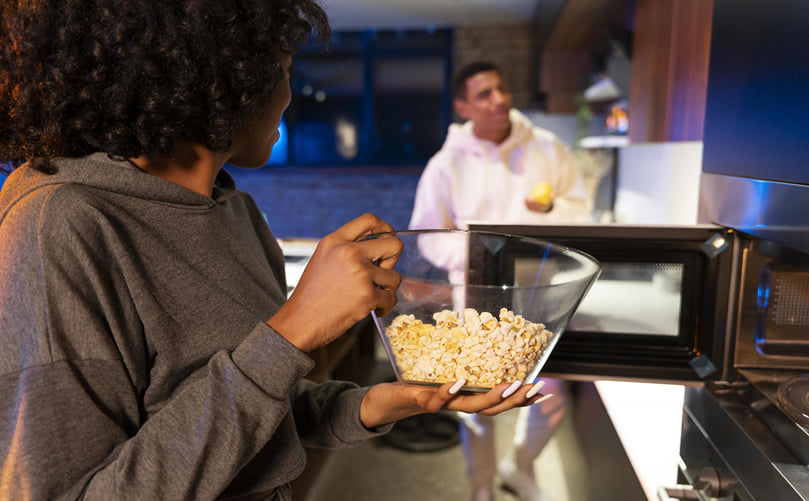
Consumer Trends Shaping the Popped Snacks Revolution
Sustainability Aspect of Popped Snacks
Popped snacks contribute meaningfully to sustainability by using significantly less oil than fried snacks, which reduces overall resource consumption and lowers environmental impact. Minimal oil usage translates into reduced water and energy requirements during production, helping decrease the carbon footprint associated with snack manufacturing when compared to oil intensive frying processes.
Support for local grains and millets further strengthens the sustainability profile of popped snacks. Sourcing ingredients such as millets and sorghum promotes agricultural biodiversity, supports small scale and marginal farmers and shortens supply chains. Shorter supply chains reduce transportation related emissions while encouraging the cultivation of drought resistant crops that require less irrigation and are better suited to climate resilient agriculture.
Energy efficiency is another key advantage. Popping relies on relatively simple heat-based processes rather than energy intensive extrusion methods. Techniques such as air popping and in some cases, solar powered popping systems reduce dependence on fossil fuels and help lower greenhouse gas emissions. These efficient processing methods make popped snacks a more environmentally responsible option within the snack sector.
Sustainability efforts extend beyond processing into farming and manufacturing practices. The adoption of regenerative agriculture helps improve soil health, enhance biodiversity and increase carbon sequestration, while the use of renewable energy in production facilities further reduces environmental impact. Organic and non-GMO ingredient sourcing also contributes to eco friendliness by limiting pesticide use and supporting ethical, environmentally responsible farming systems.
Packaging innovation plays a critical role in the sustainability of popped snacks. Many brands are shifting toward recyclable, compostable or biodegradable packaging materials such as wood fiber-based bags, paper laminates or lightweight pouches. These changes can reduce plastic waste and associated emissions by up to 60% compared to conventional packaging. Together, these initiatives align popped snacks with circular economy principles, where waste is minimized and resources are reused.
Overall, the sustainability advantages of popped snacks ranging from lower oil and energy use to local sourcing and eco-friendly packaging not only appeal to environmentally conscious consumers but also align with broader industry goals focused on climate responsibility, resource efficiency and long-term ecological balance.
Applications of Popped Snacks Across Sectors
Popped snacks have versatile applications across multiple sectors, leveraging their convenience, health appeal and portability to meet a wide range of consumer needs.
In retail packaged snacks, they dominate as ready-to-eat (RTE) options, available in single-serve pouches, multipacks or family sized bags, making them ideal for supermarkets, hypermarkets and convenience stores. This segment includes flavored varieties such as savory cheese, caramel or spicy blends, catering to impulse purchases and everyday snacking. The rise of online retail has further expanded accessibility, with e-commerce platforms offering subscription models and bulk purchases for home delivery, particularly appealing to urban consumers seeking convenience.
School and office snacks represent a growing niche. Popped snacks serve as nutritious alternatives to traditional vending machine offerings. Their low-calorie profile and portion-controlled packaging make them suitable for children’s lunchboxes or workplace breaks. Many products are positioned as gluten free or whole grain options, aligning with institutional health guidelines and wellness initiatives.
In airline and institutional food applications, popped snacks are valued for their lightweight packaging and long ambient shelf life. They are included in in-flight meals, hospital cafeterias and other institutional food settings, reducing logistics costs and minimizing waste.
The sports and fitness nutrition segment has also embraced popped snacks. Protein fortified options, often derived from pulses or seeds, provide low fat energy and recovery support for athletes and gym goers seeking convenient post workout snacks.
Premium and gourmet segments elevate popped snacks to artisanal offerings. Exotic flavors such as truffle, sea salt or chocolate drizzled varieties target high end retailers, theaters and corporate gifting. These products often command higher margins due to unique branding, organic certifications and specialty positioning.
Finally, in foodservice and entertainment, popped snacks are widely integrated as concessions or side items. Cinemas, stadiums and quick-service restaurants (QSRs) leverage their portability and indulgent flavors, making them synonymous with entertainment and social occasions.
Overall, the applications are diverse: in retail, popped snacks offer convenient, flavored RTE packs available online or in stores; in schools and offices, they provide nutritious, portion controlled, whole grain options; in airlines and institutions, they serve as lightweight, shelf stable snacks; in sports and fitness, they are protein fortified, low fat recovery options; in premium and gourmet markets, they are artisanal and exotic, with unique flavors and organic positioning; and in foodservice and entertainment, they function as indulgent, portable treats for cinemas, stadiums and QSRs.
Challenges and Limitations in the Popped Snacks Industry
Despite its strong growth trajectory, the popped snacks industry faces several challenges that impact production, distribution and consumer adoption. A primary concern is the shorter shelf life of popped snacks. Their low-oil content, while healthier, makes them more prone to staleness or rancidity, typically lasting only 3–6 months compared to 9–12 months for fried alternatives. This requires advanced packaging solutions, such as nitrogen flushing or moisture resistant barriers, which increase production costs and operational complexity.
Texture sensitivity to moisture is another limitation. Popped snacks can quickly become soggy in humid conditions, compromising crunchiness and consumer appeal. Maintaining consistent texture demands controlled storage, humidity resistant formulations and robust supply chain management.
Flavor adhesion also presents a challenge. The airy, porous structure of popped snacks can make it difficult for seasonings to stick evenly without added oils, leading to inconsistent taste and potential waste during manufacturing.
Consumer perception remains a hurdle. Many consumers associate indulgence and flavor intensity with fried snacks, viewing popped alternatives as less satisfying despite their health advantages. This can hinder adoption in segments driven by taste and indulgence.
The industry also faces raw material volatility. Prices of key ingredients such as corn can fluctuate due to weather events, geopolitical factors or supply shortages, potentially raising input costs by 20–30% and putting pressure on profit margins. Similarly, production costs for healthier formulations, functional ingredients or sustainable packaging can be higher, creating financial strain, especially for smaller manufacturers.
Regulatory compliance adds further complexity. Adherence to strict food safety, labeling and environmental standards is essential; non-compliance can result in recalls, fines or reputational damage. Additionally, intense competition from private labels and established snack brands necessitates continuous innovation to retain market share.
Supply chain disruptions, whether from global events or local logistics issues can affect ingredient sourcing, production schedules and timely distribution. Balancing functionality with sustainability for instance, using biodegradable packaging that may compromise barrier properties further complicates operations and product consistency.
Overall, while the popped snacks sector offers health, convenience and flavor advantages, it must navigate these operational, financial and perceptual challenges to sustain growth and expand market adoption.
The Future of Popped Snacks: Innovation, Health and Sustainability
The future of popped snacks lies in continuous innovation and adaptation to evolving consumer demands for health, sustainability and novelty, positioning the category for sustained growth across global markets.
Millet-based innovations are set to expand with drought resistant grains like sorghum and pearl millet gaining prominence. These nutrient-dense, gluten free options enhance dietary fiber and mineral content while supporting environmentally friendly and climate resilient farming practices. Protein enriched popped snacks represent a major growth area. Fortification with pulses, seeds or plant-based protein isolates enables the creation of meal replacement formats, appealing to fitness enthusiasts and vegetarians seeking 10–20 g of protein per serving.
Regional grain revival will drive greater diversity in the category. Underutilized crops such as teff and ancient millets can be incorporated to promote biodiversity, cultural authenticity and differentiation in global markets, while appealing to consumers seeking heritage and sustainable ingredients.
Export opportunities are expanding, particularly for premium and organic variants targeting health-conscious consumers in Europe, Asia and other urbanizing regions. Demand for low fat, nutrient rich snacks is increasing alongside rising urban lifestyles and wellness awareness.
Functional and medical nutrition applications are another promising frontier. Popped snacks enriched with probiotics, adaptogens or superfoods can support gut health, stress management or immune function, aligning with the growing wellness and preventive nutrition trends.
Flavor and texture innovations will continue to shape consumer appeal. Novel combinations, such as “swicy” (sweet-spicy) profiles featuring hot honey or spicy mango and botanical infusions like hibiscus add sophistication and uniqueness. Texture enhancements, including clusters, freeze dried elements or multi grain blends, elevate the sensory experience.
Sustainability and eco conscious practices are expected to expand, with greater use of upcycled ingredients, renewable energy in processing and biodegradable or recyclable packaging to reduce environmental impact.
Finally, global influences and premiumization will broaden the category’s reach. Asian inspired seasonings, gourmet co-brandings and e-commerce platforms will make popped snacks more accessible, while on-the-go formats cater to convenience seeking, urban consumers.
Together, these trends indicate that popped snacks are well positioned to grow as a health forward, sustainable and innovative segment, meeting the needs of both traditional and modern snack consumers worldwide.