
Fruit and Vegetable Snacks: A Modern, Healthy Snacking Spectrum
Fruit and vegetable snacks are convenient, portable food items derived from fresh produce, processed minimally to retain natural flavors and nutrients while offering a healthier alternative to traditional snacks. These include items like dried fruits, vegetable chips, blended bites, apple chips, plantain chips, cassava chips, bean, lentil or pea-based savory snacks and sweet potato chips, designed for on the go consumption, appealing to busy lifestyles and wellness enthusiasts. Their growing popularity in the healthy snacking market stems from rising health consciousness, with the global healthy snacks sector driven by demand for nutrient dense options.
Compared to conventional snacks like chips and cookies, which are high in added sugars, unhealthy fats and empty calories (e.g., potato chips at 160 kcal per 30g with high sodium), fruit and vegetable snacks provide lower calories (e.g., apple crisps at 100 kcal per serving) and beneficial fiber, reducing risks of obesity and heart disease. They come in various forms such as dried (e.g., raisins), baked (e.g., kale chips), freeze-dried (e.g., berry crisps), dehydrated (e.g., banana slices) and puffed (e.g., veggie puffs), catering to diverse textures and preferences, with freeze-drying preserving up to 90% of original nutrients.
This versatility enhances appeal and aligns with vegan, gluten-free, and plant-based diets, making them a staple in modern wellness routines amid a consumer shift toward healthier options. These snacks support sustainable eating by utilizing "ugly" produce, reducing food waste and offering eco-friendly packaging alternatives.
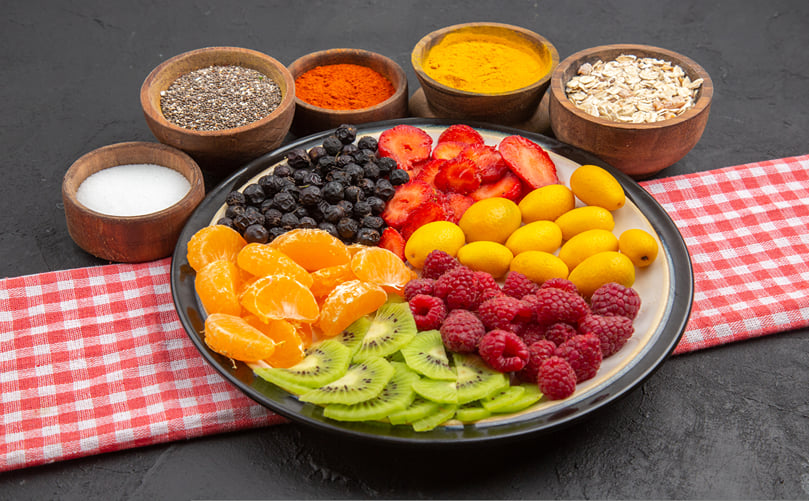
Vibrant Platter of Fresh Fruit and Veggie Snacks
Market Overview – Global market size, growth and key trends
The global fruit and vegetable snacks market is experiencing robust growth, with fruit snacks valued at USD 6.8 billion and projected to reach USD 13.8 billion by 2035 at a CAGR of 7.4%, while vegetable snacks currently stand at USD 4.83 billion and are expected to grow to USD 7.02 billion by 2032 at a CAGR of 4.8%. The broader snacks market, including healthy variants, is estimated at USD 569.2 billion and is projected to expand to USD 936 billion by 2035 at a CAGR of 5.1%, driven by urbanization, rising disposable incomes, and increasing health awareness.
Key consumer segments include health conscious individuals seeking organic and nutrient-rich options, children attracted to fun shapes and gummy style fruit bites, fitness enthusiasts favoring low-calorie, protein enriched variants and on the go consumers prioritizing single-serve packs for convenience.
Regional trends show North America dominating with a 40% market share due to a strong wellness culture and high purchasing power Europe emphasizes organic and sustainable products under stringent regulations and Asia-Pacific is the fastest-growing region, with an 8% CAGR driven by urbanization and a rising middle-class population in China, India and Southeast Asia.
Major brands such as Bare Snacks, Made in Nature and Terra Chips lead with premium offerings, while emerging startups like Rhythm Superfoods, Peeled Snacks and That is It innovate with exotic flavors and functional benefits, including added probiotics. Market growth is fueled by heightened health awareness, rising demand for clean-label products free from artificial additives and the plant-based movement, with 71% of consumers seeking healthier alternatives and 30% prioritizing plant-based diets. Additionally, e-commerce and subscription models accelerate growth, with online sales projected to grow at 5–7% CAGR through 2030, driven by transparency in sourcing and convenience in purchasing.
Global Scenario – Production, trade and international demand
The global fruit and vegetable snacks market reflects a dynamic landscape shaped by health trends, sustainability demands and technological advancements, with the healthy snacks sector contributing significantly to the USD 569.2 billion global snacks market. Production is concentrated in agricultural hubs such as the U.S. (California, Florida), China, India and Brazil, where advanced processing technologies like freeze-drying and vacuum frying enhance nutrient retention and shelf life, supporting exports to over 100 countries with trade values exceeding USD 10 billion annually.
Challenges include climate variability affecting yields, with droughts and floods reducing output by up to 20% in key regions; however, innovations such as drought-resistant crops and upcycling imperfect produce help mitigate losses. Consumer preferences worldwide favor functional snacks with added benefits like probiotics or fiber, with 45% of new product launches featuring no-additives or organic claims. Trade agreements under WTO frameworks facilitate supply chains and boost accessibility, while environmental concerns are driving the adoption of eco-friendly packaging, with 71% of consumers prioritizing sustainable options.
Cultural adaptations, such as India masala veggie chips or Japan’s seaweed-infused fruit snacks, further diversify offerings. The market resilience is evident in its projected growth to USD 936 billion by 2035, with fruit and vegetable snacks leading due to their alignment with global health and sustainability goals. Emerging markets in Africa and Southeast Asia are increasingly adopting these snacks, incorporating local produce like jackfruit and moringa, thereby expanding global reach.
Regional Market Analysis – Key regional differences and preferences
North America leads the fruit and vegetable snacks market with a 40% share, valued at approximately USD 227.7 billion within the broader snacks category. Growth is driven by a strong wellness culture, high disposable incomes and demand for organic and functional products, such as protein-enriched veggie puffs. The U.S. and Canada emphasize innovation, with brands like Bare Snacks dominating retail shelves and e-commerce platforms.
Asia-Pacific is the fastest-growing region, expanding at an 8% CAGR, fueled by urbanization and rising middle class populations in China, India and Southeast Asia. Consumers in this region prefer exotic flavors like wasabi peas and mango-chili blends, with the vegetable snacks segment projected to reach USD 2.3 billion by 2030.
Europe, with a healthy snacks market valued at USD 150 billion, focuses on sustainability and clean-label products. Germany and the UK favor veggie crisps and fruit bars, supported by stringent EU regulations on additives.
Latin America leverages abundant local produce, including mangoes and bananas, with Brazil and Mexico experiencing steady growth at 5% CAGR, driven by traditional dried fruit snacks and a vibrant street food culture.
The Middle East and Africa, though smaller at a combined USD 50 billion, are emerging markets featuring fusion snacks such as date-based fruit bites and zaatar-seasoned veggie chips. Growth is constrained by limited production infrastructure but supported by imports. Regional tariffs and supply chain disruptions, such as port delays, influence pricing, while North America advanced packaging and Asia rising demand for premium imports drive global trade. Cultural adaptations, such as spicy variants in Asia or sweet-savory blends in the Middle East, further diversify offerings, with economic development in emerging regions enhancing market access.
Nutritional Benefits – Health advantages, fiber, vitamins and antioxidants
Fruit and vegetable snacks are nutritional powerhouses, rich in fiber, vitamins and antioxidants. For example, strawberries provide 50 mg of vitamin C per serving (70% DV) and carrots offer 428 µg of beta-carotene per serving (47% DV), supporting immune function and reducing oxidative stress, which can lower cardiovascular disease risk by up to 20% according to epidemiological studies.
These snacks are low in fat and calories kale chips contain 100 kcal per serving compared to 160 kcal in potato chips promoting weight management and cholesterol reduction through soluble fiber that binds bile acids. Natural sugars in options like dried mango provide sustained energy without the spikes associated with processed sweets, while freeze-dried methods retain up to 90% of nutrients such as polyphenols, with berries containing up to 300 mg per serving.
Functional benefits include enhanced immunity from vitamin-rich berries, improved gut health via prebiotic fiber in veggie crisps (3–5 g per serving) that nourishes beneficial bacteria and steady energy from complex carbohydrates in apple crisps, which can reduce obesity incidence by up to 15% in regular consumers. Most snacks are gluten free and vegan friendly, suitable for celiac and plant-based diets. Pigmented varieties, like beet chips, provide additional anti-inflammatory effects from anthocyanins, supporting brain and eye health.
Studies also show that regular consumption improves emotional well-being, reducing anxiety by around 10% compared to sugary snacks, and supports heart health through potassium banana chips contain 400 mg per serving (10% DV). Unlike fried snacks with trans fats, fruit and vegetable snacks align with dietary guidelines, providing 10–20% of daily fiber needs per serving.
Processing and Production – Methods like freeze-drying, baking and air-puffing
Processing methods for fruit and vegetable snacks prioritize nutrient retention, texture and safety. Traditional sun or air drying, used for products like raisins, preserves natural sugars but may result in up to a 20% loss of vitamin C. Vacuum drying maintains color and flavor in products such as mango slices, while freeze-drying commonly used for berry crisps retains up to 90% of nutrients by sublimating ice under low pressure, making it ideal for premium snack products.
Baking or air-puffing techniques create crispy textures with minimal oil, reducing fat content by up to 50% compared to frying, as seen in kale or sweet potato chips. Extrusion puffing applies high temperature and pressure to produce light, airy snacks like veggie puffs, without the need for added fats.
To enhance shelf life naturally, ascorbic acid and citrus extract coatings are used as preservatives, avoiding synthetic chemicals. Modified atmosphere packaging (MAP) with nitrogen flushing or oxygen absorbers maintains crispness for 6–12 months, reducing spoilage by up to 30%.
Emerging innovations include cold dehydration, which preserves sensitive bioactive compounds and microwave assisted drying, which cuts energy use by approximately 25% while improving efficiency in automated lines processing around 1,000 lbs/hour. High-pressure processing (HPP) is increasingly used for smoothie bites and similar products to retain nutrients and extend freshness.
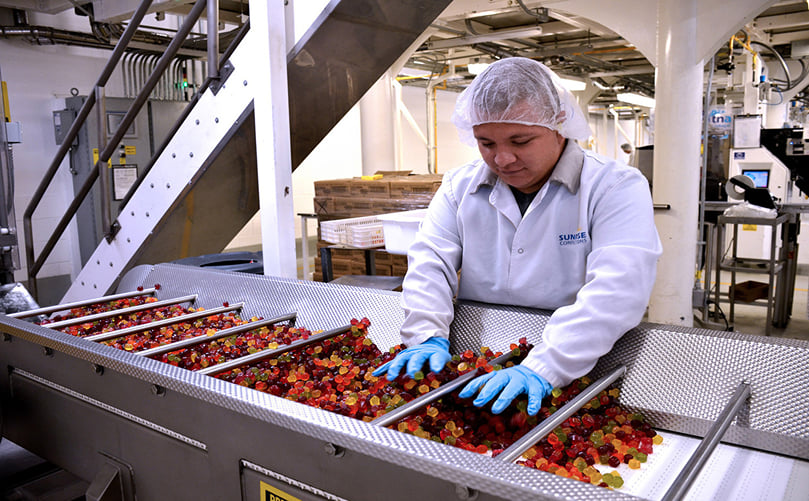
Automated Assembly Line for Fruit and Veggie Snack Production
Comprehensive quality control measures including microbial testing and adherence to HACCP standards ensure product safety, consistency and consumer confidence.
Types of Fruit & Vegetable Snacks – Dried, baked, puffed, blended and novel varieties
Fruit-based snacks include dried mango slices offering tropical sweetness and a chewy texture; banana chips, rich in potassium (≈400 mg per serving) and ideal for portability, apple crisps with a tart flavor and about 3 g of fiber supporting digestive health and berry mixes combining strawberries, blueberries and raspberries, packed with antioxidants that boost immune function.
Vegetable-based snacks feature beetroot chips with an earthy crunch and natural nitrates that support healthy blood pressure; kale crisps seasoned with sea salt, delivering about 500 µg of vitamin K (625% DV); carrot sticks, nutrient-dense and rich in beta-carotene for eye health and okra chips, known for their unique texture and anti-inflammatory benefits.
Mixed or blended varieties include apple-carrot bars for balanced nutrition, smoothie bites, made by freeze-drying fruit and vegetable purees with added probiotics to support gut health; and energy bars combining berry-beet blends, which enhance cardiovascular function through nitrates and polyphenols.
Novel forms such as fruit powders for smoothies, vegetable flakes for soups or salads and puffed veggie pops (corn-based snacks) provide a light, low-calorie crunch (≈50 kcal per serving). These are popular with children for their playful shapes like veggie bugs and with adults seeking nutritious, on the go options.
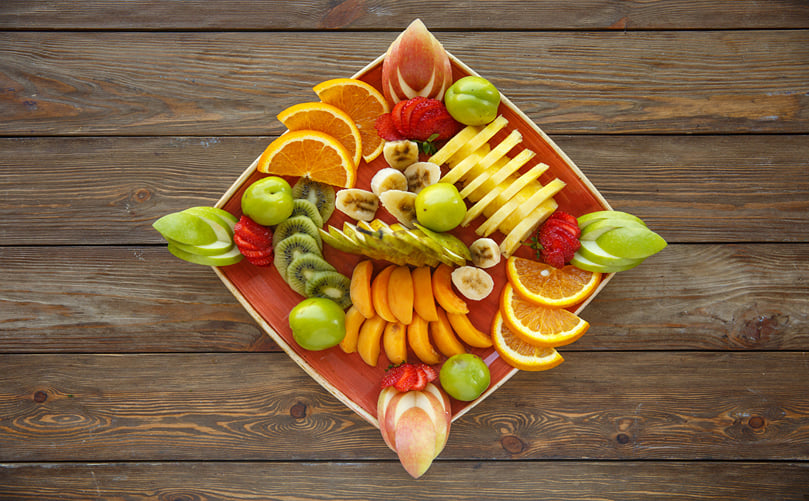
Nutrient-Rich, Sustainable Alternatives to Conventional Snacks
Such snacks also inspire creative recipes, from “ants on a log” (celery with peanut butter and raisins) to cucumber bites, promoting higher fruit and vegetable intake across all age groups.
Innovations and Trends – Clean-label, functional ingredients and flavor fusions
Clean label and organic ingredients now dominate the fruit and vegetable snack market. Products are increasingly free from artificial additives and sourced from certified organic farms, appealing to approximately 71% of health conscious consumers who value ingredient transparency and natural sourcing.
Freeze-dried snacks continue to lead in premium segments due to their ability to retain color, nutrients and crunch. Recent innovations include probiotic-infused varieties for gut health and the addition of seeds or nuts to enhance texture and nutritional value.
Smart packaging solutions featuring oxygen absorbers, resealable pouches and compostable PLA films extend freshness, reduce product waste by up to 30%, and align with eco-friendly consumer trends.
Functional snacks are also on the rise, incorporating added protein (up to 10 g per serving in veggie puffs), probiotics and vitamin fortification. Examples include adaptogen-enriched fruit bars for stress relief and high-fiber formulations designed for sustained energy release.
Flavor innovation remains a key differentiator. Popular flavor fusions include spicy sriracha kale, chili-honey mango and global influences such as wasabi peas and tamarind fruit bites. Meanwhile, nostalgic flavors like rocket pops and classic fruit medleys are gaining renewed popularity.

Innovative compostable packaging for fruit and vegetable snacks
Emerging trends encompass dehydrated and freeze-dried formats, international snacking inspirations such as Indian “poppadelics” and the use of upcycled ingredients from imperfect produce, promoting sustainability and helping to reduce food waste by up to 40%.
Growth Opportunities for Farmers, Processors and Startups in the Fruit & Vegetable Snacks Market
The fruit and vegetable snacks market offers substantial opportunities across the entire value chain, driven by growing consumer demand for healthy, sustainable, and convenient food options. The specialty crops sector was valued at USD 2.28 billion in 2024 and is projected to reach USD 3.86 billion by 2029, registering more than 11% annual growth. Stakeholders across farming, processing and startup ecosystems can capitalize on trends such as organic production, value-added processing, clean-label formulations, and technological innovation. These opportunities are expected to expand steadily through 2035.
Farm-Level Opportunities in Fruit & Vegetable Snacking
Farmers, particularly small-scale and specialty crop producers, are well positioned to benefit from the increasing demand for fresh and organic fruits and vegetables used in snack manufacturing. In 2024, demand for organic and locally sourced produce surged by nearly USD 25 billion, enabling mid-sized farms to expand production of high-value snack ingredients such as berries, apples and root vegetables. Consumer preference strongly favors sustainability, with 71% of buyers prioritizing eco-friendly food options, allowing farmers adopting organic practices to command premium prices. Organic retail sales have grown at over 7% annually between 2012 and 2023, reinforcing long-term profitability.
Sustainable production practices, including integrated pest management and crop rotation, are further supported by public funding. Programs such as the USDA’s Specialty Crop Research Initiative allocate approximately USD 100 million annually toward research on pollinators, post-harvest storage, and yield resilience. These initiatives help farmers adapt to climate variability while maintaining consistent supply for snack processors.
Value-added production and direct marketing provide additional income streams. Farmers can process produce into pre-cut vegetables, dried fruits or snack-ready ingredients using support from programs such as the Value-Added Producer Grant, which funds new product development and market expansion. Scaling production for regional wholesale buyers or direct-to-consumer channels such as CSAs and farmers’ markets reduces waste and increases margins. In 2022, nearly 239,000 specialty crop farms collectively generated more than USD 115 billion in revenue.
Digital tools and export opportunities are also reshaping farm-level economics. E-commerce platforms enable global sales, while data analytics assist with price monitoring and demand forecasting. Precision agriculture technologies such as drones, AI-based crop management and automated irrigation systems help address labor shortages, which previously cost farms over USD 142,000 per operation in 2018. Export facilitation programs, including Agricultural Trade Promotion initiatives, are expanding access to international markets, particularly in the Asia-Pacific region, which is growing at an estimated 8% CAGR. Despite challenges related to climate risk and labor availability, federal funding of USD 2.65 billion under Marketing Assistance for Specialty Crops is helping mitigate these constraints. Projections indicate sustained growth, with small-scale farmers continuing to contribute nearly one-third of the global food supply.
Processing and Manufacturing Opportunities in Healthy Snacks
Food processors are strategically positioned to benefit from the rapid expansion of the healthy snacks segment. The global snacks market is projected to reach USD 207.8 billion by 2035, while the organic snacks category alone is expected to grow to USD 16.35 billion by 2033 at a CAGR of 7.5%. Automation and product innovation are central to meeting rising demand for nutrient-dense, clean-label offerings.
Investments in robotics and flexible processing lines allow processors to quickly adapt to evolving trends such as plant-based, gluten-free and low-fat snacks. Advanced baking technologies can reduce fat content by up to 50% compared to conventional frying methods. The global snacks processing equipment market is expected to reach USD 1.7 billion by 2030, supporting efficient scaling and operational efficiency.
Functional and protein-enriched snack products represent one of the fastest-growing segments. The protein snacking category expanded by 47.5% in 2024, reaching USD 7.7 billion in value. Consumer interest spans multiple generations, with 60–65% actively seeking protein-rich snack options. Processors are incorporating better-for-you ingredients such as probiotics, high-fiber vegetables and fortified blends, while also reducing food waste through by-product upcycling.
Sustainability-driven processing practices are gaining traction as well. Eco-friendly solutions such as solar-powered drying systems can reduce carbon footprints by approximately 25%, aligning with the expectations of 71% of sustainability-conscious consumers. In markets like Canada, processors are offsetting a projected 2% domestic sales decline in 2025 by focusing on exports, particularly given the country’s 55% reliance on imported snack products. While challenges remain, including higher production costs associated with freeze-drying (20–30% premiums) and shelf-life limitations, innovations such as high-pressure processing and modified atmosphere packaging are improving product stability and profitability. These advances support growth within the USD 214 billion U.S. snack market.
Startup and Innovation Opportunities in the Snack Ecosystem
Startups are emerging as major innovation drivers within the fruit and vegetable snacks ecosystem, particularly in technology-enabled and sustainability-focused niches. Companies such as Tru Fru demonstrate the sector’s potential, achieving 104% sales growth to USD 84 million in 2023 through premium chocolate-covered fruit snacks. Broader 2025 trends, including AI integration and climate-smart food systems, are accelerating startup activity.
Technology-led solutions such as AI-powered sorting and grading equipment help reduce raw material waste, while urban vertical farming models enable year-round, pesticide-free production tailored for snack processing. Blockchain-based traceability systems enhance transparency and consumer trust, while solar-powered cold storage solutions extend shelf life. Investment requirements vary significantly, ranging from INR 2–5 lakhs for home-scale operations to INR 1–5 crore for commercial ventures.
Value-added and health-focused product innovation offers strong differentiation opportunities. Startups are developing fresh-cut snack platters, infused fruit products such as mint-watermelon combinations and probiotic snack kits targeting gut health and immunity. The “food as medicine” trend is gaining traction, with 67–69% of younger consumers expressing curiosity about functional foods. Demand is also rising for organic superfood blends and exotic fruits, including bananas and premium tropical varieties.
Subscription-based business models and eco-conscious branding further strengthen startup positioning. Direct-from-farm delivery systems and plant-based packaging resonate with environmentally aware consumers. Companies like Misfits Market, which has raised USD 526.5 million in funding, illustrate the scalability of waste-reduction models utilizing imperfect produce. Social media-driven marketing and luxury fruit snack offerings are enhancing consumer engagement, supporting projected growth of 7–10% CAGR through 2030. Although startups face challenges related to funding access and regulatory compliance, support programs such as Ontario’s food and beverage initiatives and innovation awards recognizing over 400 new products in 2025 highlight clear entry pathways. Overall, startups are projected to capture up to 15% market share through AI-driven personalization by 2030.
Sustainability and Sourcing – Eco-packaging, upcycling and ethical sourcing
Sustainability in fruit and vegetable snack production emphasizes responsible sourcing, waste reduction and eco-friendly processing. Many producers now use locally sourced or “ugly” produce imperfect fruits and vegetables that would otherwise be discarded repurposing up to 40% of such items into nutritious snacks. This approach helps divert an estimated 1.6 billion tons of global food waste, significantly reducing environmental impact.
Eco-friendly packaging is another major focus. Brands are shifting toward biodegradable materials such as corn starch–based films and recycled paper, achieving up to a 50% reduction in plastic use while supporting zero-waste goals and circular economy principles.
Energy-efficient processing technologies, including solar-powered drying systems and low-energy vacuum drying, help lower carbon footprints by around 25% without compromising product quality or safety.
Ethical sourcing initiatives ensure fair trade and farmer welfare by promoting organic cultivation methods that reduce chemical exposure and align with USDA and EU organic certification standards. These practices meet the growing consumer demand for transparency and traceable supply chains.
In the agricultural phase, regenerative practices such as crop rotation and cover cropping enhance soil health, biodiversity, and long-term productivity. Collaborative initiatives like the Sustainable Initiative for Fruits and Vegetables (SIFAV) aim to reduce water usage by 15% and strengthen supply chain sustainability across regions.
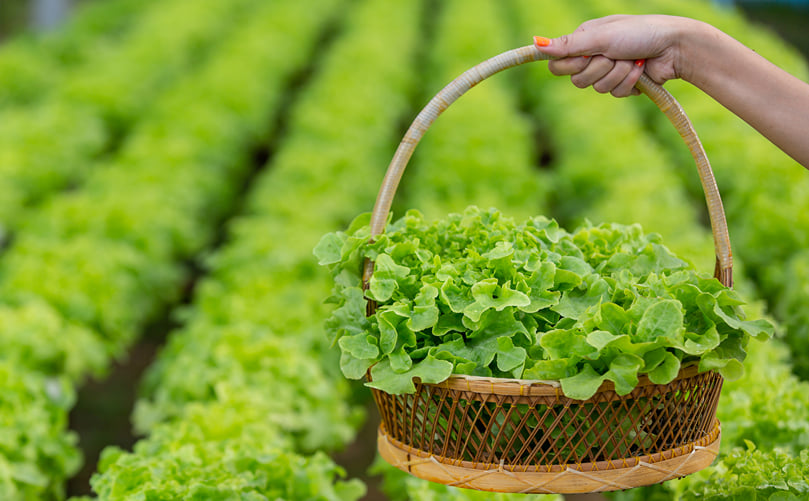
Sustainable fruit and vegetable farming
Together, these efforts mitigate trade-offs such as increased resource demand, fostering a balance between economic equity, environmental protection and global food security.
Challenges – Production costs, shelf life and market competition
Despite rapid innovation and market growth the fruit and vegetable snack industry faces several technical, economic and logistical challenges that impact scalability and affordability.
High production costs remain a major constraint, especially for freeze-drying technologies, which require specialized equipment and energy-intensive operations. This can inflate product prices by 20–30% compared to conventional drying methods, limiting accessibility in price-sensitive markets such as developing nations.
Shelf life limitations further complicate operations. Without synthetic preservatives, even advanced natural packaging solutions often fail to extend freshness beyond six months, resulting in 30–40% product losses along the supply chain.
Maintaining natural color, flavor and texture is another challenge. Oxidation, particularly in fruits like apples, leads to browning and flavor degradation, necessitating anti-browning treatments such as citric acid or ascorbic acid dips to preserve sensory quality.
Pricing competition with conventional snacks remains steep traditional options like potato chips often cost 30–50% less per serving. This makes premium healthy snacks less competitive, particularly during economic downturns or when climate-induced crop failures drive raw material costs upward.
Consumer perception of “value versus portion size” also affects adoption. For example, a 20 g pack of veggie chips may be seen as overpriced compared to a 50 g pack of potato chips, despite offering superior nutrition and fewer calories.
Safety and quality assurance add another layer of complexity. Contamination risks from pathogens such as E. coli or Salmonella require stringent microbial inspections, while perishable products often depend on cold-chain logistics, increasing transportation and storage costs by about 15%.
Finally, labor shortages in harvesting and regulatory hurdles for organic certification slow production and market entry. Addressing these barriers will require automation, supply chain digitization, and streamlined compliance frameworks to sustain growth in this emerging sector.
Consumer Preferences – Taste, convenience, plant-based trends and portion control
Growing demand for healthy, convenient and guilt-free snacking is reshaping the fruit and vegetable snack market. Nearly 71% of Americans now prefer nutrient-dense options such as mini veggie packs or dried fruit bites, with taste (79%), price (61%) and health benefits (62%) identified as the top purchasing drivers.
The global shift toward plant-based diets further supports this trend, as 13% of consumers now favor fruit and vegetable-based snacks over salty alternatives and 64% report increasing produce intake for improved wellness.
Convenience and transparency are equally influential 84% of consumers value clean labels, simple ingredients and easy portability. Parents especially seek kid-friendly formats, such as fruit stars or veggie chips in fun shapes to promote healthy eating habits among children.
Among fitness conscious consumers, high-protein blends attract about 25% preference, while mindful snacking trends emphasize low-sugar options (23%), which have been linked to a 10% reduction in anxiety compared to sugary snacks.
Flavor innovation continues to enhance appeal, with global influences like Indian masala and Mexican chili-lime gaining popularity. Portion control is another major consideration, as consumers balance indulgence with wellness goals 85% are more selective about occasional treats, and 70% prioritize sustainably packaged products.
Additionally, 37% of consumers seek snacks that provide energy boosts, while 60% prefer organic or non-GMO options for ethical and environmental reasons. Collectively, these preferences reflect a shift toward functional, transparent and sustainable snacking habits that align with modern wellness lifestyles.
Future Outlook – Emerging trends, AI customization and market projections
The fruit and vegetable snacks market is poised for robust expansion, driven by innovation in personalization, functionality and sustainability. By 2030, AI-driven nutrition systems are expected to enable personalized and functional snacks, customizing nutrient profiles to target specific health needs such as immunity, gut health, and energy balance, potentially capturing up to 15% of the total market.
Online retail channels and subscription based snack boxes are projected to account for nearly 20% of global sales, propelled by the convenience of e-commerce and direct to consumer models offering curated flavor assortments tailored to individual preferences.
Product innovation will center on hybrid snacks combinations of fruits, nuts and grains such as protein-fruit bars and grain-veggie puffs, providing balanced nutrition that appeals to fitness-conscious and health aware consumers.
Continued progress in flavor development, featuring global-inspired blends like turmeric-coconut or chili-tamarind, along with nutrient enhancement through vitamin or adaptogen fortification, will further elevate product appeal. Advances in packaging technology, including biodegradable smart packs with freshness sensors, are expected to support market efficiency and environmental goals.
With these trends the market is projected to grow at a compound annual growth rate (CAGR) of 7–10% through 2030, reaching an estimated USD 142 billion in total value. Sustainability and health-tech integration particularly food-as-medicine concepts and culturally inspired snacks like Indian poppadelics will be key growth drivers.