

Sweet Potato Chips: From Root Crop to Global Snack Phenomenon
Sweet potato chips are thin, crispy slices made from the storage roots of sweet potato (Ipomoea batatas), typically prepared by frying, baking or vacuum-frying to achieve a satisfying crunch while retaining their natural sweetness. Unlike conventional potato chips derived from white potatoes (Solanum tuberosum), sweet potato chips highlight the root’s inherent flavors and vibrant flesh colors orange, purple and yellow resulting in taste profiles that range from mildly sweet to nutty and earthy. Initially emerging as a niche snack in the mid-20th century in the United States, particularly in southern regions where sweet potatoes were a dietary staple, they have since evolved into a globally recognized snack category through the influence of early commercial brands such as Terra and Jackson’s Chips.
The growing worldwide popularity of sweet potato chips is closely tied to the agronomic advantages of sweet potatoes themselves. Sweet potato is a resilient, nutrient-dense crop capable of thriving across diverse agro-climatic conditions. It offers a higher caloric yield per hectare than many staple grains such as rice and wheat while requiring comparatively less water. These characteristics have positioned sweet potatoes and their processed derivatives as examples of climate-smart and sustainable agriculture, particularly relevant amid increasing climate variability.
Consumer interest in sweet potato chips has been further amplified by global health and wellness trends. They are frequently marketed as a “better-for-you” indulgence, positioned against the perceived empty calories of conventional snack foods. Factors such as higher fiber content, natural sweetness, and lower oil absorption especially in baked or vacuum-fried variants support this perception. The global sweet potato chips market was valued at approximately USD 1.5 billion in 2024 and is projected to reach around USD 3.2 billion by 2034, registering a compound annual growth rate (CAGR) of about 8%, driven by rising disposable incomes, urbanization and increasing demand for convenient, portable foods.
Premium positioning plays a critical role in the category’s expansion. Sweet potato chips benefit from strong visual appeal due to natural pigments such as beta-carotene and anthocyanins, which reinforce perceptions of freshness and nutritional value. Younger consumers, particularly millennials and Gen Z, are drawn to products aligned with clean-label and minimally processed food trends. As a result, brands emphasize non-GMO sourcing, organic certification and transparent supply chains, enabling price premiums often ranging from 20% to 50% above standard potato chips. Gourmet product lines further enhance value through distinctive flavor combinations and farm-to-table storytelling.
Regionally, demand continues to expand across both developed and emerging markets. In North America, the U.S. market alone exceeded USD 1.2 billion in 2024, supported by strong distribution through health-oriented retail chains and online platforms. Europe, particularly the United Kingdom and Germany, has experienced steady growth with CAGRs of around 7%, driven by rising adoption of vegan, gluten-free and low-carbohydrate diets. In Asia, countries such as Japan and South Korea incorporate sweet potato chips into established snacking cultures, while emerging markets in Africa and Latin America increasingly leverage local sweet potato production for domestic consumption and export. Overall, the global sweet potato chips market reflects sustained growth, underpinned by premiumization, e-commerce expansion and cross-cultural flavor innovation.

Sweet Potato Chips Showcasing Natural Color and Texture
Sweet Potato Chips vs. Potato Chips: What Sets Them Apart?
Sweet potato chips and potato chips may appear similar at first glance, but they differ meaningfully in their nutritional value, sensory appeal, processing requirements and market positioning. These differences shape how consumers perceive them and how manufacturers position them in the global snack industry.
From a nutritional perspective, sweet potato chips are often viewed as the more functional snack. Sweet potatoes are naturally rich in beta-carotene, which the body converts into vitamin A, supporting eye health and immune function. They also provide higher dietary fiber and contain antioxidant compounds such as anthocyanins in purple-fleshed varieties. Potato chips, by contrast are primarily a source of carbohydrates and fat, offering limited micronutrients beyond modest amounts of potassium and vitamin C. As a result, sweet potato chips are frequently associated with wellness-focused consumption, while potato chips remain firmly in the indulgent snack category.
Flavor is another defining difference. Sweet potato chips carry an inherent sweetness and earthy depth, which allows them to be enjoyed with minimal seasoning. This natural flavor profile appeals to consumers seeking cleaner labels and less aggressive taste profiles. Potato chips have a neutral base, making them an ideal platform for a wide range of bold seasonings and regional flavors. Their ability to carry strong flavors has been a key factor behind their global popularity and continuous innovation in the snack sector.
Processing behavior further separates the two products. Sweet potatoes contain higher natural sugar levels, which cause faster browning during frying and can lead to higher oil absorption if processing is not carefully controlled. This makes production more technically demanding and often pushes manufacturers toward baking or air-frying methods for premium products. Potatoes, with their lower sugar content and well-studied frying characteristics are easier to process at scale, delivering consistent color, texture and shelf stability, which supports mass-market production.
In terms of market positioning, sweet potato chips are typically sold as premium or better for you snacks, targeting urban, health-conscious and sustainability-driven consumers. They often command higher prices and are prominent in specialty retail and export markets. Potato chips dominate mainstream consumption, offering affordability, familiarity and widespread availability across all demographics and geographies.
Sustainability considerations also play a role in differentiation. Sweet potato is generally more climate-resilient and can perform well under lower input conditions, aligning with emerging sustainability narratives. Potato cultivation, while highly productive, often requires greater inputs for water, fertilizer and disease management, particularly in intensive systems.
In essence, sweet potato chips and potato chips serve distinct consumer needs. Sweet potato chips reflect a shift toward nutrition, sustainability and premium snacking, while potato chips continue to lead as a universally loved, flavor-driven and accessible snack. The choice between them is less about superiority and more about the consumers priorities wellness or indulgence.
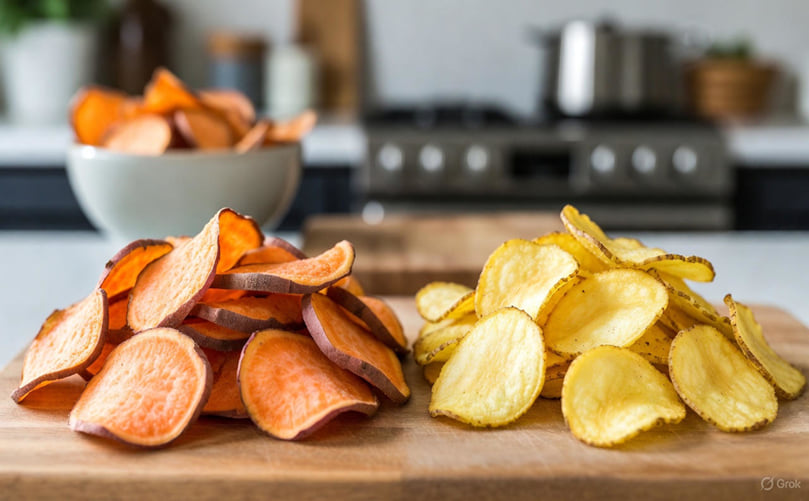
Sweet Potato Chips and Potato Chips: Similar Look, Different Story
Sweet Potato: A Versatile Raw Material for the Snack Industry
Botanically, the sweet potato (Ipomoea batatas) belongs to the family Convolvulaceae and is a dicotyledonous vine native to Central and South America, domesticated approximately 5,000 years ago by indigenous communities. Unlike true potatoes (Solanum tuberosum), sweet potato is a perennial herbaceous plant propagated vegetatively through slips shoots grown from mature storage roots. These plants produce tuberous storage roots rich in starches and sugars. Its adaptability to marginal soils and relatively short growing cycle of 90–150 days makes sweet potato a key staple crop in tropical and subtropical regions, with global production exceeding 90 million tonnes annually.
Major producing countries play a central role in supplying raw material for sweet potato chip manufacturing. China dominates global production, accounting for more than 50% of total output (approximately 48 million tonnes), with a strong focus on industrial processing applications such as starch, alcohol and snack products. Nigeria ranks among Africa’s leading producers (over 3 million tonnes), supporting both domestic consumption and export markets, particularly to Europe.
The United States produces around 1.5 million tonnes annually, largely concentrated in North Carolina, supplying premium orange-fleshed varieties targeted at health-conscious consumers. Southeast Asian countries, including Indonesia and Vietnam, contribute an estimated 15–20% of global production, offering varieties well suited for export-oriented processing industries. Other important producers such as Uganda, India and Brazil primarily emphasize subsistence farming while gradually expanding commercial cultivation.
Varietal diversity is a critical factor in determining suitability for chip processing. Sweet potato flesh color ranges from orange (rich in beta-carotene), purple (high in anthocyanins with antioxidant properties), white (mild flavor), to yellow (starch-dominant). Common varieties used for chip production include Beauregard (orange-fleshed, widely grown in the United States), Okinawan (purple-fleshed, Japan) and Porto Rico (copper-skinned, suitable for both chips and fries). These varieties differ in skin thickness, root shape (spindle-shaped to round) and size, with roots measuring 4–6 inches in length considered ideal for uniform slicing and efficient processing.
Key quality traits for chip manufacturing include high dry matter content (typically 25–35%) to ensure crisp texture without sogginess and moderate sugar levels (8–12%) to prevent excessive browning during frying. Firm flesh texture is essential to withstand mechanical slicing and thermal processing. Varieties with lower amylose content tend to absorb less oil, while balanced pectin levels help maintain slice integrity during frying or baking. Breeding programs focus on optimizing these characteristics, including maintaining reducing sugar levels below 5% and ensuring beta-carotene and anthocyanin stability to preserve color and visual appeal after processing.

Golden Crisps: Sweet Potato Chips in the Spotlight
Health and Nutritional Advantages of Sweet Potato Chips
Sweet potato chips offer notable nutritional benefits that distinguish them from conventional snack foods. A typical 28 g serving provides approximately 150–200 calories and 10–15 g of fat, depending on the processing method. Their nutritional strength lies in their micronutrient content, particularly beta-carotene, which is abundant in orange-fleshed varieties and can contribute a substantial proportion of the recommended daily intake of vitamin A. This nutrient plays a critical role in vision, immune function and skin health. Sweet potato chips also supply around 3–4 g of dietary fiber per serving, supporting digestive health and promoting satiety, along with meaningful levels of potassium, which contributes to blood pressure regulation. Purple-fleshed varieties contain anthocyanins, antioxidant compounds associated with reduced oxidative stress and inflammation.
When compared with conventional potato chips, sweet potato chips generally exhibit a lower glycemic index, typically in the range of 50–60 versus 70–80 for regular potato chips. This difference is largely attributable to their higher fiber content and more complex carbohydrate structure, which slows glucose release into the bloodstream. Baked and vacuum-fried orange-fleshed varieties often demonstrate the most favorable glycemic response, making sweet potato chips more attractive to consumers seeking better blood sugar management and sustained energy. In addition, standard potato chips often contain higher sodium levels and offer fewer vitamins and bioactive compounds.
The broad appeal of sweet potato chips spans multiple consumer groups. Health-conscious individuals are drawn to their antioxidant and anti-inflammatory properties, while vegan consumers value their plant-based protein content and absence of animal-derived ingredients. Gluten-free consumers benefit from their naturally wheat-free composition, and clean-label advocates appreciate formulations with minimal processing and simple ingredient lists. In global markets, sweet potato chips are increasingly perceived as functional or nutrient-enhanced foods supporting vitamin A intake in parts of Asia and Africa, while in Western markets they are frequently positioned as a “superfood” snack within health-oriented dietary patterns. Emerging research suggests that regular consumption of sweet potato-based foods may contribute to improved cardiovascular health and skin integrity, reinforcing their image as a nutritionally superior snack option.
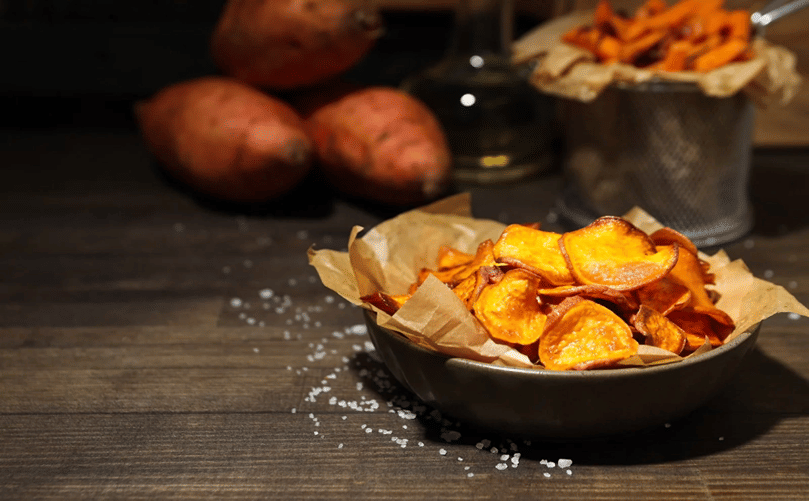
Nutrient-Rich Sweet Potato Chips as a Health-Focused Snack
Advanced Processing and Manufacturing Technologies for Sweet Potato Chips
Processing sweet potato chips requires meticulous control over raw material handling, cutting precision and thermal treatment to preserve nutritional integrity, achieve the desired texture and minimise defects such as excessive oil uptake or discoloration. The process begins with careful raw material selection. Roots should be blemish-free, uniform in size (ideally 4–8 oz or 113–227 g) and harvested at optimal maturity, typically 3–4 months after planting to ensure high dry matter content (25–35%) and minimal physiological defects. Automated grading systems using optical sorters and near-infrared spectroscopy classify roots by size, shape and internal quality, rejecting those with excessive moisture (>75%) or internal defects that could encourage microbial growth during storage.
Pre-processing involves gentle washing to remove soil and debris, followed by peeling. Abrasive dry peeling is preferred for thin-skinned roots, while steam peeling or blanching at 95–100°C for 5–10 minutes is used to inactivate enzymes, improve peel removal efficiency and retain up to 90% of beta-carotene. This step also softens the tissue, facilitating uniform slicing and reducing mechanical damage.
Slicing is a critical determinant of texture, yield and visual appeal and is tailored to the variety and final product style. Thin, uniform slices of 1–2 mm produce classic crispy chips and are achieved using high-speed rotary or mandoline slicers. Kettle-style chips with irregular cuts of 2–3 mm thickness are produced using slower, batch tumblers to create an artisanal appearance. Ridged or crinkle-cut slices, made using corrugated blades, increase surface area and enhance seasoning adhesion and dip compatibility. Advanced techniques such as ultrasonic or water-jet cutting are increasingly adopted for delicate, purple-fleshed varieties, reducing bruising and waste by 10–15% while maintaining slice integrity during subsequent thermal processing.
Post-slicing pre-treatments are essential to control enzymatic browning and improve structural stability. Dipping slices in 0.5–1% citric acid or ascorbic acid solutions for 2–5 minutes effectively inhibits browning, particularly in high-sugar orange-fleshed varieties. Calcium chloride treatments at 1–2% strengthen cell walls, improving firmness and reducing breakage during frying and handling.
Cooking methods are selected to balance flavour development, nutrient retention and health positioning. Conventional deep frying immerses slices in oil at 160–180°C for 2–4 minutes, promoting Maillard reactions that produce a golden colour and savoury flavour. However, this method can result in acrylamide formation (up to 500 µg/kg) and fat absorption of 20–25%. Baking in convection ovens at 200–220°C for 10–15 minutes significantly reduces fat content by 50–70% through hot-air circulation and supports “baked not fried” product claims, although longer processing times and texturising aids may be required to achieve comparable crispness.
Vacuum frying has emerged as a premium processing technology, operating under reduced pressures of 10–50 kPa and lower temperatures of 90–120°C for 5–10 minutes. This approach accelerates moisture removal while limiting oil penetration to 10–15%, representing a 40–50% reduction compared with atmospheric frying. Optimised conditions, such as 110°C at 16 kPa for orange-fleshed varieties, have been shown to yield high product recovery and consistent quality. Post-frying centrifugal de-oiling at 800–1200 rpm for 1–2 minutes further removes surface oil, reducing final fat content to 8–12%. Cooling on perforated trays stabilises the chip structure and prevents condensation.
Oil selection plays a crucial role in flavour neutrality, oxidative stability and shelf life. High-oleic sunflower or canola oils, with oleic acid levels above 70%, are commonly used due to their resistance to oxidation and high smoke points above 230°C. These oils can support shelf lives of 9–12 months when combined with nitrogen-flushed packaging. Premium oils such as avocado oil offer higher smoke points and distinctive flavour notes but increase production costs by 20–30%. For biofortified sweet potato varieties, vacuum frying at 105–110°C preserves 80–90% of beta-carotene and significant levels of anthocyanins by limiting oxygen exposure and thermal degradation.
Colour retention presents particular challenges, especially for anthocyanin-rich purple varieties that are sensitive to pH changes and oxidation. Enzymatic browning is controlled through steam blanching at 100°C for approximately 3 minutes or where permitted, the use of chemical inhibitors such as sodium metabisulfite at low concentrations. Vacuum frying significantly reduces colour degradation, achieving lower total colour difference values compared with conventional frying. For orange-fleshed types, ascorbic acid treatments help maintain carotenoid intensity, resulting in visually appealing chips with stable lightness and yellowness values after processing.
Modern automated processing lines integrate washing, peeling, slicing, frying and packaging into continuous systems capable of handling 1–5 tonnes per hour. Inline sensors monitor critical quality parameters such as moisture content (<2%), oil content (8–15%) and mechanical strength, ensuring compliance with HACCP and ISO food safety standards. Emerging innovations, including AI-driven frying control systems, are expected to further improve yield consistency, energy efficiency and product quality in advanced manufacturing environments.
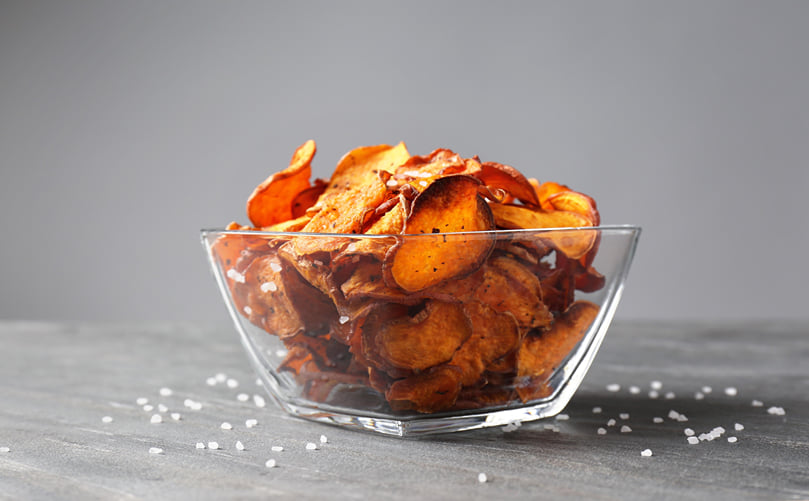
Golden, Crispy Sweet Potato Chips
Flavor Profiles & Product Innovation in Sweet Potato Chips
Flavor development in sweet potato chips is designed to amplify the roots natural caramel-like sweetness and earthy undertones through targeted seasoning strategies and controlled thermal reactions. During frying or baking, Maillard and caramelization reactions generate a complex aromatic matrix, producing an estimated 100–150 volatile compounds that define flavor depth, balance and consumer appeal. Globally established flavors such as sea salt remain foundational, subtly enhancing the inherent taste of sweet potato.
Popular extensions include barbecue blends combining smoky notes with molasses and onion powder, paprika for mild heat and smokiness, chili for capsicum-driven pungency, honey for floral sweetness and cinnamon for warm, baked-goods aromatics. Expanding flavor portfolios now include dill pickle for tangy acidity, jalapeño for fresh green heat and sea salt with cracked pepper for clean, savory contrast. Recent innovations increasingly emphasize natural and functional infusions, with turmeric–ginger blends offering earthy warmth and perceived health benefits and truffle flavors delivering premium umami positioning.
Regional flavor preferences strongly shape product innovation, reflecting cultural taste expectations and local snacking habits. The Asia–Pacific region, accounting for approximately 28% of the global sweet potato chip market and representing the fastest growth rate at 8–10% CAGR, favors bold, spicy and contrasting flavors. Wasabi and fermented chili profiles such as gochujang are particularly popular in Japan and Korea, delivering sharp heat that complements the sweetness of the chip. Fusion profiles such as mango–chili are gaining traction among younger urban consumers seeking sweet–spicy complexity.
Europe, with an estimated 25% market share, shows a preference for savory and herb-forward flavors such as rosemary–thyme and truffle, often positioned for gourmet or sharing occasions. Traditional vinegar and sea salt combinations remain strong, while low-sodium variants containing less than 100 mg sodium per serving are increasingly important due to regulatory pressure and health awareness.
North America dominates the category with roughly 35% market share, driven by consumer enthusiasm for sweet–savory hybrids and bold flavor experimentation. Profiles such as maple–bacon and pineapple–sriracha align with emerging “maximalist” trends expected to peak through 2026, where multi-layered flavor experiences combine sweetness, spice and aromatic complexity. In South America, accounting for about 7% of global share, and the Middle East and Africa, representing approximately 5%, localized adaptations are emerging. These include peri-peri seasoning in African markets and plantain–sweet potato blends in Brazil, shaped by ingredient accessibility, price sensitivity and growing health consciousness.
Product innovation continues to fuel differentiation within a sweet potato chip market valued at approximately USD 1.5 billion and projected to reach USD 3.2 billion by 2033, growing at a CAGR of around 8%. Cross-category experimentation is expanding, with “category crasher” concepts such as ramen-flavored chips and chef-inspired profiles like applewood-smoked bacon ranch. Fusion flavors including sriracha–lime and matcha green tea blend global culinary influences, while premium niche offerings such as black garlic or lavender target upscale retail and e-commerce platforms. Organic and non-GMO certifications compliant with USDA and EU standards resonate strongly with 60–70% of consumers seeking traceability and clean-label assurance, with brands such as Rhythm Superfoods leading innovation in purple-fleshed and sustainably sourced varieties.
Health-oriented product extensions further broaden the category, including reduced-sodium formulations using potassium chloride, probiotic-coated chips targeting digestive wellness and air-fried or baked variants positioned for lower-fat consumption. Product formats now extend beyond traditional bags to include single-serve, resealable and canister packaging to support on-the-go lifestyles. These innovations align with broader trends in premiumization observed between 2025 and 2033, where artisanal, small-batch and heirloom-positioned products command price premiums of 20–30% within a global snack ecosystem valued at approximately USD 269 billion.
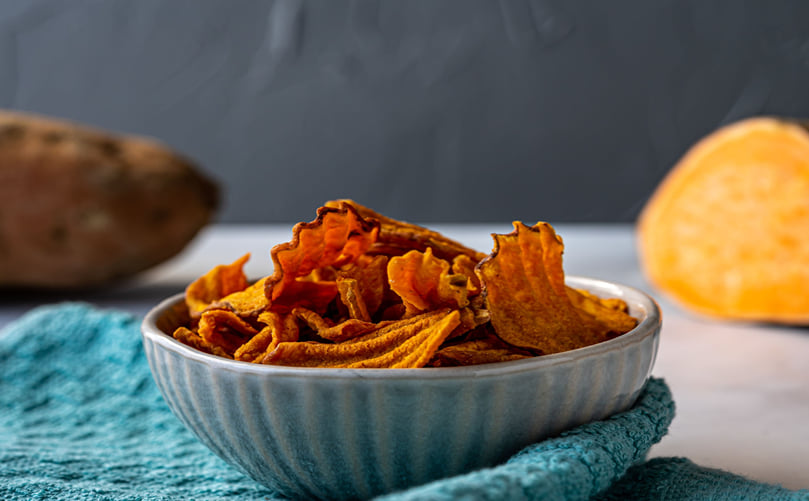
Sweet Potato Chips Showcasing Flavor Innovation
Global Market Dynamics and Consumer Demand for Sweet Potato Chips
The global savory snacks industry is undergoing a measurable shift in demand, driven by increased interest in vegetable-based and plant-forward snack formats. Within the estimated USD 500 billion global savory snacks market, sweet potato chips have emerged as a fast-growing subsegment, benefiting from broader expansion in fruit and vegetable-based snacks. The global fruit and vegetable chips market was valued at USD 11.38 billion in 2021 and is projected to grow at a compound annual growth rate (CAGR) of 8.1 percent over the decade, supported by demand for whole-ingredient products, reduced sodium formulations and snacks offering intrinsic nutritional attributes such as dietary fiber and naturally occurring antioxidants.
Within this broader category, the sweet potato chips segment reached an estimated value of USD 1.5 billion in 2024. Growth has been supported by increasing retail penetration, product diversification and processing innovations that position sweet potato chips as differentiated alternatives within the conventional potato chip aisle. The wider vegetable chips category, including sweet potato variants was valued at approximately USD 2.5 billion in 2024 and is forecast to expand at a CAGR of around 7.5 percent, reflecting sustained consumer acceptance of non-potato vegetable-based snack formats alongside traditional potato snacks.
Plant-based snacks continue to be a significant growth driver. The global plant-based snacks market was valued at approximately USD 21.2 billion and is projected to grow at a CAGR of 8.7 percent into the early 2030s. This expansion is supported by the growth of vegan and flexitarian diets, with the global vegan population estimated to exceed 79 million. Consumer surveys indicate that 62 percent of snack consumers actively seek products with added nutritional value, contributing to a reported 15 percent year-over-year increase in vegetable chip sales across North America and Europe. Sweet potato chips, particularly orange-fleshed variants, benefit from their association with beta-carotene content, supporting their positioning within this trend.
Changing eating patterns further reinforce demand. The continued rise of “snackification,” characterized by increased frequency of snacking occasions, has resulted in approximately 60 percent of consumers reporting multiple snack occasions per day. Portable, resealable packaging formats have gained importance, aligning with demand for convenience-driven consumption in urban markets.
From a demographic perspective, millennials (approximately 28–43 years) and Gen Z (approximately 12–27 years) together account for close to 30 percent of total snack purchases globally. Within these groups, 70 percent report snacking primarily to manage hunger between meals or maintain energy levels. Surveys indicate that 73 percent of Gen Z consumers consider sourcing and labeling attributes such as organic certification and ingredient transparency important when selecting vegetable-based snacks. Preference for crunchy textures and familiar seasoning profiles remains strong, with 62 percent indicating a preference for natural flavors over artificial additives. Certification claims such as gluten-free and non-GMO are reported to influence purchasing decisions for approximately 65 percent of younger consumers in developed markets.
Premiumization has become an additional factor shaping the sweet potato chips segment. Artisanal processing, differentiated sweet potato varieties and alternative frying oils have enabled price premiums of 20–30 percent in specialty retail channels. While premium products represent a smaller share of total volume, they play a role in category expansion by introducing value-added positioning and higher-margin offerings. The broader non-potato vegetable chips subsegment is growing at an estimated CAGR of around 5 percent, supported in part by sustainability-related sourcing claims, with approximately 55 percent of millennials indicating a willingness to pay more for products perceived as ethically produced.
Distribution channels are also evolving. E-commerce has become an increasingly important sales channel for snack foods, with online snack sales including sweet potato chips recording year over year growth rates of 25–30 percent in several key markets. Subscription models and direct to consumer (DTC) strategies have contributed to higher repeat purchase rates, particularly among digitally engaged consumers. In the Asia-Pacific region, where online grocery penetration has reached approximately 20 percent, sweet potato chips are increasingly integrated into bundled offerings and modern retail assortments, supporting expansion in urban markets.
Post-pandemic consumption patterns have further reinforced these trends, with at-home snacking increasing by approximately 25 percent. Sweet potato chips have benefited from increased inclusion in meal kits, workplace vending systems, and retail multipacks. Collectively, these factors health-oriented reformulation, demographic shifts, premium positioning and digital channel expansion support continued growth of sweet potato chips within the evolving global plant-based snack ecosystem, estimated at approximately USD 269 billion.
Sweet Potato: A Climate-Resilient Crop for Sustainable Food Systems
Sweet potato stands out as one of the most climate-resilient food crops, thriving across diverse agro-ecologies and demonstrating strong tolerance to multiple abiotic stresses. This adaptability positions it as a critical pillar for sustainable food systems under climate change. As a C3 crop, sweet potato performs well across a wide temperature range of approximately 15–35°C and maintains reliable yields under limited water availability. It can produce around 20 tonnes per hectare with as little as 500 mm of annual rainfall, compared with crops such as maize that typically require close to 800 mm. Even after prolonged drought stress, sweet potato plants show recovery rates of up to 80%, a resilience that allows production to resume where many competing crops fail. Its deep-penetrating storage roots access sub-soil moisture even in compacted or degraded soils, further enhancing drought tolerance.
Modern varietal development has strengthened this resilience. Cultivars such as ‘Georgia Jet’, known for high yield and disease resistance, and ‘O’Henry’, valued for storage stability and heat tolerance, have been developed through breeding programs such as those at North Carolina State University. These varieties help buffer production against rising temperatures, pest pressure and erratic rainfall patterns. Biofortified orange-fleshed sweet potato varieties developed by the International Potato Center (CIP) mature within 90–120 days, require minimal irrigation and have been widely adopted, reaching more than 10 million households in Africa. Their high provitamin A content plays a major role in addressing vitamin A deficiency, reducing risks of childhood blindness and immune system impairment.
Sustainability is further reinforced by the crops low input requirements. Symbiotic associations with mycorrhizal fungi improve nutrient uptake efficiency, reducing fertilizer needs by an estimated 20–30% compared with cereals such as wheat or rice. Sweet potato’s ability to perform on marginal soils also lowers dependence on intensive tillage and chemical pesticides. In sub-Saharan Africa, conservation agriculture practices combined with improved varieties have delivered yield increases of up to 50%, while reducing production costs and soil degradation.
Large-scale initiatives have accelerated climate-smart deployment. The Next Generation Sweet Potato Project (2024–2025), led by IICA and FAO with EU support, introduced 12 farmer-preferred, stress-tolerant cultivars across the Caribbean. These virus-cleaned and weevil-resistant varieties, supported by biocontrol fungi, contribute to CARICOM’s target of reducing food imports by 25% by 2030, while training over 100 technicians in clean seed systems. Across Africa, AidData assessments highlight the crop’s expanding role in nutrition security, supported by CGIAR programs that have released more than 350 biofortified varieties benefiting approximately 50 million people in 41 countries since the program’s global recognition in 2016.
From a circular-economy perspective, sweet potato processing adds further sustainability gains. An estimated 20–30% of harvested roots are cosmetically imperfect misshapen, scarred or undersized and traditionally lost from fresh markets. Redirecting these roots into chip production diverts an estimated 10–15 million tonnes annually from waste streams. Processing methods such as vacuum frying retain 80–90% of key nutrients while delivering favorable benefit–cost ratios of 2.1–2.3. Practical models, such as Odisha-based Mati Farms founded in 2018 and its licensing partnerships with women’s groups in Kerala, demonstrate how value addition can increase farmer incomes two- to three-fold while supplying institutional markets including school feeding programs and airline catering.
Sustainability messaging is increasingly reinforced through certification and branding. Climate-smart and responsibly sourced claims, supported by certifications such as Rainforest Alliance, resonate strongly in European and North American markets, enabling price premiums of 15–20%. Partnerships such as CIP-HyFarm’s 2025 collaboration in India to develop processing-suited germplasm illustrate how breeding, processing and market integration can strengthen inclusive rural economies. This is particularly significant in regions such as sub-Saharan Africa, where smallholders represent roughly 80% of farms and account for about 90% of sweet potato production.
Despite ongoing challenges, including evidence that elevated atmospheric CO₂ can negatively affect growth and quality under certain conditions, continued investment in resilient breeding and sustainable value chains positions sweet potato as a long-term climate-adaptive crop. In projected +2°C warming scenarios, it is expected to outperform many calorie-dense staples, reinforcing its role in future-ready, nutrition-sensitive food systems.
Why Sweet Potato Chips Are Harder to Make Than They Look
The production of sweet potato chips presents a complex set of challenges spanning agronomy, processing, supply chains and market dynamics, often making scalability more difficult and costly than conventional potato chip manufacturing. A primary constraint lies in the inherent biological variability of sweet potato roots. Their relatively high sugar content, typically ranging from 10–15%, accelerates Maillard browning during frying, frequently resulting in overly dark chips and elevated acrylamide formation.
While this can be mitigated through varietal selection and pre-processing interventions such as blanching or citric acid treatments, these measures typically increase processing costs by 10–15%. In addition, wide variation in dry matter content, often fluctuating between 20–35% across seasons and production zones, leads to inconsistent texture, including uneven crispiness, increased breakage during packaging or sogginess, unless strict harvesting protocols and advanced optical sorting systems are employed. These technologies, however, require substantial capital investment.
Supply chain limitations further intensify production challenges. Sweet potatoes are highly perishable, with a post-harvest shelf life of only 2–4 weeks without proper curing and storage. In tropical and subtropical regions lacking cold storage infrastructure, post-harvest losses can reach 20–30%. Climate variability exacerbates this risk, as droughts and floods can disrupt yields by up to 50% in major production regions. Seasonal production cycles and climate-related yield shocks also drive volatility in raw material prices, complicating procurement planning. For example, adverse weather events in the southeastern United States significantly reduced yields in recent seasons, tightening supply and elevating input costs well into subsequent production cycles.
Cost competitiveness remains a persistent barrier. Sweet potato chips typically incur raw material costs around 20% higher than standard potatoes, combined with 15% higher processing expenses due to specialized slicing equipment, more delicate handling, precise moisture control and tailored frying techniques. These factors make sweet potato chips less competitive in price-sensitive mass markets dominated by large-scale potato chip producers, restricting their growth largely to premium or health-oriented segments.
Agronomic challenges compound these constraints. Pests such as wireworms and sweet potato weevils cause substantial field damage, often requiring integrated pest management strategies involving insecticides or pheromone traps that add USD 200–300 per acre to production costs. Viral diseases, including complexes responsible for Sweet Potato Virus Disease, can cause severe stunting and quality loss, with no chemical remedies available. Control depends on virus-free planting material, which is frequently limited in supply and relatively expensive. Soil-borne nematodes, including root-knot and guava root-knot species, can result in yield losses of 30–60% and persist across cropping cycles due to their wide host range.
While fumigation offers control, environmental and regulatory concerns are driving a shift toward less effective non-fumigant options or partially resistant cultivars, which may not provide adequate protection under high pest pressure. Weed management also remains labor-intensive, particularly in organic systems where herbicide use is restricted and dense vine growth limits mechanical control, pushing hand-weeding costs to several hundred dollars per acre.
Processing-specific issues add further complexity. High sugar varieties tend to absorb more oil during frying, while varietal diversity leads to inconsistent flavor and color profiles across batches. Achieving uniform crispiness without the use of batters or coatings remains technically challenging, particularly for clean-label products. Although some large processors are developing proprietary solutions, these challenges persist across much of the industry.
Regulatory and market pressures further increase operational costs, as manufacturers must comply with stringent food safety, labeling and acrylamide regulations, particularly in export markets. Shorter shelf life for preservative-free products complicates distribution and retail logistics, while intense competition from established potato chip brands in mature markets compresses margins.
Collectively, these challenges highlight the need for integrated solutions, including resilient varietal breeding, improved post-harvest infrastructure, advanced processing technologies and digitally enabled supply chains. Addressing these constraints is essential for sustaining growth and improving the competitiveness of sweet potato chips in global snack markets.
Opportunities for Farmers, Processors and Startups in the Sweet Potato Value Chain
The sweet potato sector presents strong opportunities for value addition, enabling a shift from a low-margin commodity crop to a diversified, high-value food and ingredient system. Strategic integration across farming, processing and entrepreneurship is unlocking new income streams and improving resilience across the value chain.
Opportunities for Farmers: From Commodity to Contracted Value
For farmers, structured market linkages such as contract farming arrangements provide income stability through assured procurement by processors. These models can deliver two- to three-fold higher returns compared with fresh market sales, particularly in countries such as Nigeria and Vietnam, where integration with export-oriented chip manufacturers enables premium pricing.
Farmers supplying organic, biofortified or processing-grade varieties can realise income gains of 40–50%, supported by rising global demand for nutrient-dense and sustainably produced raw materials. Export potential continues to expand, especially for producers in developing regions supplying counter-seasonal markets.
Countries such as Egypt have successfully positioned themselves as key suppliers to European markets, where sweet potato imports have reached nearly USD 200 million in the EU and around USD 90 million in the United Kingdom in recent trade cycles. Health-driven consumer demand in these regions supports price premiums of up to 30% for certified, sustainably produced roots.
In the United States, North Carolina’s dominance in national sweet potato production creates additional opportunities for agri-tech integration, including controlled-environment propagation systems for virus-free planting material. These systems reduce yield risks by an estimated 20–30% and enable more consistent year-round supply of chip-grade roots.
Further profitability gains are achieved through:
- Adoption of climate-resilient varieties
- Implementation of digital traceability systems
- Utilisation of cosmetically imperfect “canner” roots, which often account for 20–30% of total harvest
Together, these measures reduce post-harvest losses while improving farm-level margins.
Opportunities for Processors: Portfolio Diversification and Efficiency Gains
Processors benefit from expanding beyond traditional chip production into a broader portfolio of high-value applications. Sweet potato-based functional flours, resistant starch for gluten-free and health-oriented baking and plant-based snack innovations align well with the continued growth of the global snack market.
Beyond food applications, extraction of antioxidants from purple-fleshed varieties opens opportunities in cosmetics and nutraceuticals, while industrial uses such as starch derivatives and bioethanol improve demand stability and capacity utilisation.
Investments in cold-chain infrastructure, supported by digital tools such as IoT-enabled sensors and data-driven logistics are improving connectivity between farms and export ports. These innovations can extend shelf life by approximately 20%, enabling access to premium markets in Asia and Europe. In parallel, standardisation of grading and quality protocols reduces rejection rates, strengthens buyer confidence and improves competitiveness relative to potato-based alternatives.
Opportunities for Startups and SMEs: Innovation-Led Market Entry
Startups and small to medium enterprises are well positioned to capture emerging opportunities across the sweet potato value chain. Agri-innovation hubs and accelerators, particularly in established production regions are supporting micro-processing ventures focused on small-batch, organic and specialty chip lines, unlocking hundreds of millions of dollars in underdeveloped value chains.
Technology-driven models, such as modular vacuum-frying units producing low-oil snacks, allow new entrants to command price premiums of around 25% while differentiating on health, quality and functionality. Development of premium purple or biofortified varieties tailored to niche consumer segments further strengthens market positioning.
Policy Support, Market Access and Digital Channels
Policy and development initiatives play a catalytic role in accelerating sector growth. Programs supported by international agencies provide grants and technical assistance for contract farming platforms, digital extension services and export market access in emerging economies.
Meanwhile, direct-to-consumer e-commerce channels enable startups to bypass intermediaries, increasing margins by 30–40% while strengthening brand identity and customer engagement. In Africa and other emerging export regions, investments in infrastructure and compliance with European regulatory standards are opening new pathways to high-value markets.
Innovation in sustainable packaging further aligns the sector with evolving consumer expectations, particularly among younger demographics that prioritise environmental credentials.
Collectively, these opportunities highlight the sweet potato sectors strong potential to generate inclusive growth across farming, processing and entrepreneurial ecosystems. Through value addition, technology adoption and market integration, sweet potatoes are increasingly positioned as a strategic crop within global food, health and sustainability markets.
Future Outlook and Innovation Pathways for Sweet Potato Chips
The sweet potato chips market is positioned for sustained and dynamic growth, driven by shifting consumer preferences toward healthier, plant-based and clean-label snacks. Global market value is projected to expand from approximately USD 2.1 billion in 2025 to nearly USD 3.8 billion by 2035, reflecting a compound annual growth rate of about 6.0%. This growth is closely linked to rising adoption of plant-based diets and vegan lifestyles, alongside increasing awareness of the nutritional advantages of sweet potatoes, including lower glycaemic response and antioxidant content. The outlook aligns with the broader sweet potato market, which is expected to reach around USD 60.5 billion by 2030, with chips accounting for an estimated 10–15% share as premiumisation and functional positioning continue to strengthen.
Regional growth patterns reveal distinct opportunity clusters. North America is expected to maintain leadership, supported by strong health-driven demand and innovation in reduced-fat and organic snack formats, with growth rates around 7%. Europe is advancing through savoury flavour innovation, sustainability-led packaging and regulatory-aligned formulations. Asia–Pacific is forecast to be the fastest-growing region, with growth approaching 8% CAGR, fuelled by rapid urbanisation, rising disposable incomes and a growing appetite for Western-style snacks adapted to local flavour profiles. Emerging markets in South America and Africa are also gaining momentum, contributing incremental growth through local processing initiatives and improved market access.
Innovation pathways within the sector are increasingly focused on breeding and raw material optimisation. Research institutions such as the International Potato Center are developing chip-specific varieties with higher dry matter content, often exceeding 35%, to reduce oil uptake and improve texture consistency. These next-generation cultivars are also being designed for drought tolerance, pest resistance and enhanced colour stability, particularly for anthocyanin-rich purple-fleshed types. Advances in gene-editing technologies are expected to accelerate the availability of uniform, processing-ready varieties over the coming decade.
Processing innovation remains central to future competitiveness. Reduced-oil technologies such as air frying and vacuum frying are scaling commercially, enabling fat reductions of up to 70% while retaining a high proportion of key nutrients and minimising acrylamide formation. Technology transfer initiatives, including pilot-scale deployments in Southeast Asia, are supporting export-oriented production of visually vibrant, low-oil sweet potato chips. Proprietary pre-treatment techniques that combine optimised blanching and enzyme inhibition are also improving crispness uniformity, addressing one of the category’s long-standing technical challenges.
Functional fortification is emerging as a high-growth frontier, with manufacturers exploring the incorporation of plant proteins, dietary fibre and micronutrients to reposition sweet potato chips as nutrient-enhanced snacks rather than indulgent treats. Protein-enriched formulations using legume isolates and mineral fortification through biofortified roots align well with the rapidly expanding functional foods segment. At the same time, smart packaging solutions are gaining traction. Active packaging films with oxygen-scavenging properties can extend shelf life by up to 50%, while biodegradable materials derived from sweet potato starch support sustainability goals and reduce reliance on conventional plastics.
Digital technologies are expected to play an increasingly important role across the value chain. Real-time monitoring of frying and drying parameters using IoT-enabled systems can reduce waste and improve batch consistency, while blockchain-based traceability platforms enhance transparency and consumer trust. Predictive analytics and artificial intelligence tools are being applied to yield forecasting, inventory management and flavour trend analysis, enabling faster innovation cycles and more responsive production planning.
Looking ahead, alternative distribution models such as e-commerce, direct-to-consumer platforms and subscription-based snack services are projected to account for up to 30% of sales by 2030. Together, these trends position sweet potato chips as a resilient, innovation-driven segment within the global snack industry, capable of balancing health, sustainability and indulgence in a rapidly evolving food landscape.