

Legume-Based Savory Snacks: A Protein-Rich, Sustainable Snacking Category
Legume-based savory snacks are food products made primarily from pulses such as beans, lentils and peas. These snacks are processed into convenient, ready to eat formats and are characterized by salty, umami or spiced flavor profiles rather than sweet ones. By leveraging the natural nutritional density of legumes including chickpeas (garbanzo beans), lentils (red, green and yellow) and peas (yellow and green split peas) they offer a compelling alternative to traditional cereal or potato based snacks.
Common product formats include roasted snacks, where whole or split legumes are dry-roasted or oil-roasted to achieve a crunchy texture; puffs, which are light, airy extruded products; chips or crisps, made by slicing or forming dough and then baking or frying; crackers, which are flat and crisp baked items and extruded shapes such as loops, twists or sticks produced through high-pressure extrusion. Typical examples include spiced roasted chickpeas, lentil-based puffs coated with cheese-style seasonings, pea crisps and chickpea crackers.
Legumes are increasingly recognized as next-generation snack ingredients, driven by shifting consumer preferences toward plant-based, protein-rich and nutrient-dense foods. Growing awareness of health benefits, combined with sustainability concerns, is accelerating demand for alternatives to animal-derived or heavily refined snack products. Legumes naturally provide protein, dietary fiber and complex carbohydrates, helping address nutritional gaps commonly found in conventional snacks such as potato chips or corn-based products, which are often high in refined starches and low in essential nutrients.
Beyond nutrition, legumes offer strong sustainability credentials. Their ability to fix atmospheric nitrogen reduces reliance on synthetic fertilizers, supports soil health and aligns well with regenerative and climate-smart agricultural practices. As a result, legume-based savory snacks sit at the intersection of health, innovation and environmental responsibility, positioning them as a rapidly expanding category within the global savory snacks market.
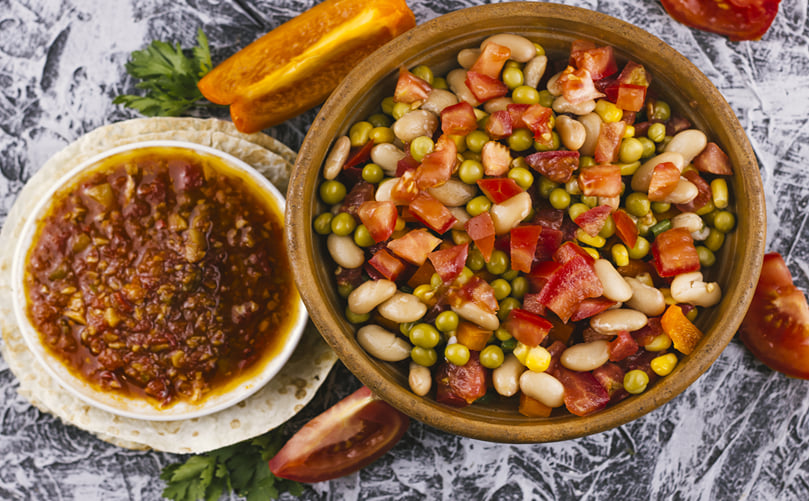
Protein-Rich Snacks Made from Beans, Lentils and Peas
Nutritional Advantages of Legume-Based Savory Snacks
Legume-based savory snacks stand out for their high plant-based protein content, typically delivering 15–25 percent protein by weight, depending on formulation and processing method. This is significantly higher than conventional potato or corn-based snacks, which often provide less than 5 percent protein. In raw form, chickpeas contain roughly 19 g of protein per 100 g, lentils about 24–26 g and dry peas around 20–22 g, making legumes a strong foundation for protein-enriched snack products that support muscle maintenance and satiety.
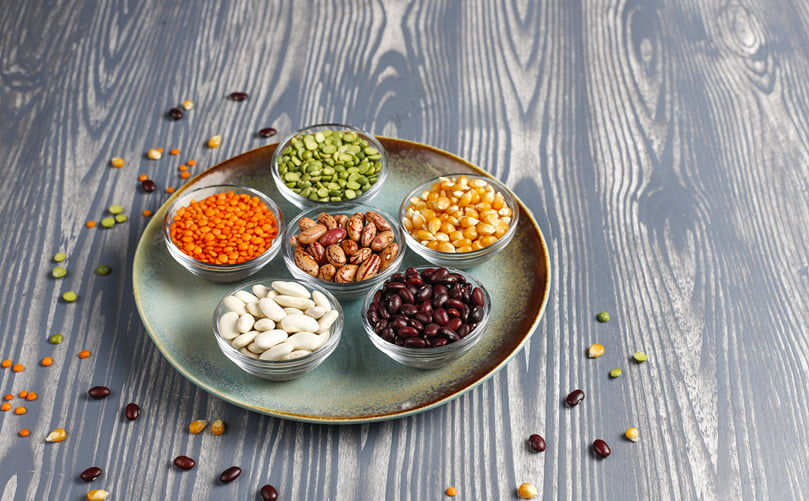
Protein and Fiber-Rich Legumes
These snacks are also rich in dietary fiber, generally supplying 5–15 g per 100 g. Fiber supports gut health, improves digestion and promotes a longer-lasting feeling of fullness compared with low-fiber, refined snacks. The combined presence of protein and fiber makes legume-based snacks particularly attractive to consumers seeking functional and filling snack options.
From a metabolic perspective, legume-based snacks typically have a low to moderate glycemic index, often below 50 in less processed forms. Their complex carbohydrates and fiber matrix slow glucose release into the bloodstream, resulting in better blood sugar control compared with high-glycemic snacks made from refined starches such as potato chips, which usually fall in the 70–80 GI range.
Many legumes are naturally gluten-free, making these snacks suitable for people with celiac disease or gluten sensitivity, provided no gluten-containing ingredients are added during processing. Legumes are also a valuable source of micronutrients, including iron, folate, magnesium and potassium. These nutrients support blood health, energy metabolism, nerve function and cardiovascular performance areas where conventional savory snacks often lack nutritional depth.
Overall, the nutritional profile of legume-based savory snacks positions them as a more balanced, protein-rich and functional alternative to traditional snack products, aligning strongly with modern demand for healthier, plant-based eating choices.
Health & Wellness Positioning of Legume-Based Snacks
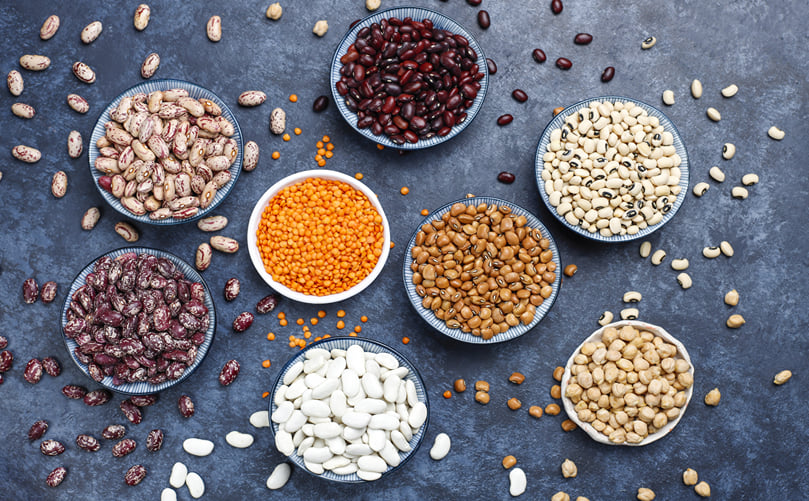
What are the health benefits of legumes?
Legume-based snacks are ideal for vegan, vegetarian and flexitarian diets, offering complete or complementary plant-based proteins without relying on animal products. Their high protein and fiber content supports weight management by promoting satiety, reducing overall calorie intake and helping maintain healthy body weight. Research indicates that regular legume consumption is associated with a lower BMI and improved metabolic health.
The slow-digesting carbohydrates and protein in legumes provide sustained energy, making these snacks well-suited for active lifestyles. Compared to refined carbohydrate snacks, legumes help stabilize blood sugar, potentially reducing the risk of type 2 diabetes, as supported by studies on their role in glycemic control.
Additionally, legume-based snacks often feature a clean-label profile, with minimal processing and no artificial additives. This aligns with growing consumer demand for whole-food, natural snack options that support overall health and wellness.
Essential Raw Materials and Functional Insights for Legume-Based Savory Snacks
Legume-based savory snacks primarily use chickpeas (Cicer arietinum), lentils (Lens culinaris), and peas (Pisum sativum) as the main raw materials, chosen for their nutritional density, functional versatility and global availability.
Chickpeas: Chickpeas, also known as garbanzo beans, are available in two main varieties. Kabuli chickpeas are large, light-colored seeds with a smooth coat, providing a mild flavor and expanding well during roasting. Desi chickpeas are smaller, darker and rough-coated, offering a nuttier flavor and a denser texture that is ideal for crunchy snacks.
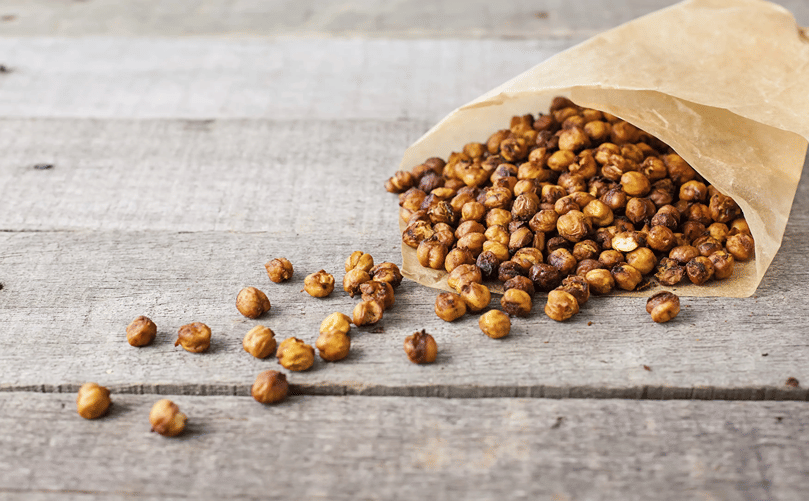
Crunchy Chickpea Snacks Ready to Eat
Lentils: Lentils are available in several types, each with unique characteristics. Red lentils are split and quick-cooking, with a mild and slightly sweet taste, making them suitable for flours and purees. Green lentils, often referred to as French or Puy lentils are whole, firm, and earthy in flavor, retaining their shape well in extruded products. Yellow lentils have a mild, creamy flavor when cooked and are often used in light-colored snack formulations. Black lentils (Beluga) are small, glossy and robust in flavor, with higher antioxidant content compared to other varieties.
Peas: Peas are commonly used in two forms. Yellow split peas are rich in starch, have a mild flavor and are excellent for creating puffed snacks. Green split peas provide a vibrant color, a slightly sweeter taste and maintain their color effectively in extruded products. While other pulses such as mung beans, faba beans and black lentils can occasionally be included for diversity, chickpeas, lentils and peas remain the primary focus due to their balanced protein and starch content.
Regional Sourcing and Quality: Regional sourcing significantly influences the quality and availability of legumes. India is the worlds largest producer of chickpeas and lentils, offering varieties adapted to arid climates. Canada is a leading exporter of lentils and peas, producing over three million tons annually, particularly high-quality green and red lentils, as well as yellow peas.
In the United States, the Northern Plains regions of North Dakota and Montana supply dry peas and chickpeas, with production expanding due to the benefits of crop rotation. Turkey and Australia are important sources of Kabuli chickpeas, while Europe provides specialty green peas and lentils. Varietal differences also influence processing outcomes: Kabuli chickpeas expand well during roasting, whereas Desi types deliver a denser texture. Red lentils disintegrate easily, making them suitable for flours, while green lentils hold their shape in extruded products. Yellow peas provide superior starch for puffing and green peas excel in retaining color.
Functional Properties: These legumes are particularly suited for savory snacks due to their functional and nutritional properties. Protein content ranges from 20 to 30 percent, with lentils typically at the higher end, chickpeas around 19–25 percent and peas approximately 20–25 percent. This protein contributes to structure, binding, emulsification and foaming properties, such as those observed in chickpea aquafaba. Starch, which ranges from 40 to 50 percent, allows gelatinization and expansion during extrusion or baking, with yellow peas being particularly high in amylose, producing crisp textures.
Fiber content, ranging from 10 to 20 percent, aids water binding and promotes satiety, while low fat levels of 1–6 percent help reduce calorie density. Micronutrients such as iron, folate and antioxidants enhance nutritional appeal, with black lentils providing higher antioxidant levels. In processing, lentils’ protein solubility aids binding, chickpeas’ starch contributes to crunch, and peas expansion behavior produces light, airy puffs. Additionally, legumes improve soil sustainability through nitrogen fixation, linking their cultivation to environmental benefits.
Advanced Processing Technologies in Legume-Based Savory Snack Production
Processing technologies for bean, lentil and pea-based savory snacks are designed to enhance texture, flavor, nutritional value and shelf life while reducing antinutritional factors (ANFs) such as phytates and trypsin inhibitors. Commonly used methods include roasting, extrusion, baking, frying, protein isolation and flour milling, with multiple techniques often combined to achieve optimal product quality.
Roasting Technologies: Dry roasting involves heating whole or split legumes at temperatures ranging from 150 to 200°C without the use of oil. This process helps preserve nutrients and can increase measurable protein availability in chickpeas and lentils by approximately 2–5%, while significantly reducing ANFs, including 45–100% inactivation of trypsin inhibitors. Dry roasting creates a crunchy texture through moisture evaporation and Maillard reactions, which also contribute to nutty and roasted flavor notes. However, uneven heat distribution can be a challenge.
Oil roasting is conducted at slightly lower temperatures, typically 160–180°C, using vegetable oils. This method enhances flavor, surface gloss and seasoning adhesion, making it particularly suitable for flavored chickpea snacks. However, oil roasting increases calorie density due to fat absorption, which can reach up to 20% and introduces risks of lipid oxidation, necessitating the use of antioxidants to maintain shelf stability.
Extrusion Technology: Extrusion is widely used to produce puffs, crisps and expanded snacks, most commonly through twin-screw extruders such as TX-52 systems. During extrusion, legume flours are subjected to high shear forces, elevated temperatures (50–140°C) and pressure, often operating at screw speeds around 500 rpm with steam injection of approximately 15 kg per hour. This process denatures storage proteins such as 7S and 11S globulins, gelatinizes starch and enables rapid expansion upon exit from the die. Pea-based formulations exhibit strong radial puffing due to their starch characteristics.
Extrusion also improves digestibility, with reported increases ranging from 2 to 16% and effectively inactivates enzymes. Functional additives are often incorporated to improve structure and texture, including calcium hydroxide at 0.06–0.12% to enhance fiber alignment, sodium bisulfite at 0.05–0.10% to modify protein-starch interactions and xanthan gum at 0.10–0.20% to strengthen the internal network. Lentil-based fractions typically yield light and airy puffs, while faba bean formulations provide greater structural uniformity. Potential challenges such as off-flavors caused by lipid oxidation are managed through controlled moisture levels, often maintained at around 10% after drying.
Baking and Frying: Baking is commonly used for legume-based chips and crackers and is carried out at temperatures between 150 and 220°C. Compared to frying, baking significantly reduces fat content, typically resulting in products containing 5–10% fat versus 15–25% in fried snacks, while still achieving desirable crispness through controlled dehydration. Infrared micronization can accelerate baking and improve amino acid availability, although excessive heat may reduce digestibility due to protein cross-linking.
Frying involves immersion in hot oil at 170–190°C, producing rapid crisping and dense textures that are especially suitable for lentil chips. However, frying increases the risk of acrylamide formation, which can be mitigated by shortening frying times or reducing free asparagine levels through ingredient selection and pre-treatment.
Protein Isolation and Fractionation: Protein isolation is typically achieved through alkaline extraction, particularly for lentils, using pH ranges of 8–10 to produce protein concentrates containing 80–90% protein. These isolates are widely used in high-protein puffs and fortified snack products. Wet processing methods such as soaking and fermentation can reduce phytate levels by approximately 3.7–66%, while dry processes like dehulling improve protein solubility and emulsification performance.
Flour Milling and Particle Size Control: Flour milling is performed using impact or air-classifier mills to produce finely ground legume flours from dehulled pulses. These methods minimize starch damage, typically maintaining levels between 1.3 and 2.4 g per 100 g of flour. Particle size, usually controlled within the 50–100 µm range, plays a critical role in texture uniformity, expansion behavior and processability in baking and extrusion applications.
Texture and Flavor Optimization: Texture optimization relies on precise rheological control, as legume purées typically exhibit shear-thinning behavior with viscosities ranging from 5 to 10 Pa·s. The addition of hydrocolloids such as pectin enhances porous structures and crispness, as demonstrated in products like red bean crispbreads with high crystalline matrices. Pre-gelatinization and enzymatic treatments further refine crunch and bite, while high water-holding capacity, exceeding five times the product weight in faba bean extrudates, ensures structural integrity.
Flavor application is usually performed after processing through tumbling or spraying techniques. Extrusion promotes Maillard reactions that generate savory flavor notes, while beany off-flavors are minimized through fermentation, ingredient blending or flavor masking agents. The porous structure of extruded and baked snacks improves seasoning retention and flavor uniformity.
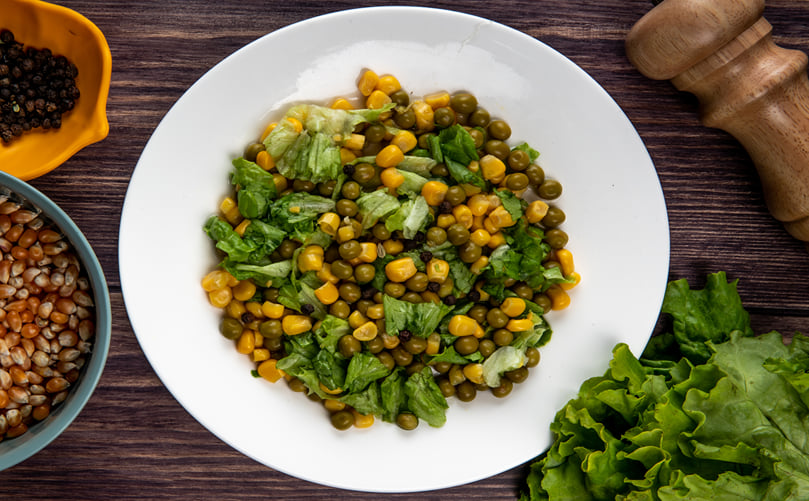
Snack Time: Legume Goodness Ready to Eat
Sensory Attributes and Consumer Perception of Legume-Based Savory Snacks
Sensory attributes play a decisive role in consumer acceptance of legume-based savory snacks and include texture, taste, aroma, appearance and overall mouthfeel. Among these, crunch and crispness are the most influential drivers of appeal. These qualities are commonly achieved through processing methods such as extrusion, which creates a porous, airy structure in puffs and crisps. In extruded snacks made from chickpeas, lentils or peas, crispness is strongly affected by processing parameters such as feed moisture (lower levels of around 15–20% enhance expansion and brittleness), screw speed (higher speeds, for example around 500 rpm, increase shear and produce finer textures) and die configuration, which governs porosity and hardness. Research indicates that pea-based extrudates often exhibit high crispness due to their starch composition, while lentil-based formulations provide a balanced crunch with lower bulk density.
Mouthfeel varies widely depending on the product format, ranging from light and melt in the mouth textures in puffs to firmer, chewier sensations in roasted whole legumes. Attributes such as oiliness and hardness significantly influence perception. For example, snacks formulated with higher protein contents (approximately 30–50%), such as those based on lupin or faba bean, tend to require greater bite force and may show reduced porosity if processing conditions are not carefully optimized.
Flavor absorption is another key sensory advantage of legume-based snacks. The porous surfaces formed during extrusion or roasting allow seasonings to adhere efficiently, making these products highly compatible with salty, spicy and umami flavor profiles. The relatively neutral base flavor of most legumes supports seasoning impact without overpowering it. Color also contributes to visual appeal, golden hues from roasted chickpeas or yellow peas convey familiarity and warmth, while green pea-based snacks add visual vibrancy. Moderate Maillard browning can enhance perceptions of nuttiness and roasted flavor, although excessively dark coloration may suggest over-processing to consumers.
Sensory evaluation studies using hedonic scales (commonly 5-point or 9-point) consistently show high scores for appearance and aroma when formulations are optimized. However, reduction of beany or earthy off-notes is critical, as these flavors can negatively influence acceptance. Such off-notes are mainly associated with volatile compounds including hexanal, nonanal and certain pyrazines formed through lipid oxidation. Effective mitigation strategies include fermentation (for example, lactic acid bacteria can reduce beany volatiles by 30–50%), roasting at 150–200°C to volatilize undesirable compounds while developing nutty aromas, enzyme treatments targeting lipoxygenase activity and temperature-controlled extrusion to limit oxidation.
Additional approaches such as acid or alkali treatments, supercritical CO₂ extraction and controlled use of oxidizing agents have also been reported. Lighter-colored legumes, such as navy beans or yellow peas, generally exhibit lower inherent off-flavor intensity than darker varieties. Microbial interventions using Bacillus species or yeast cultures have demonstrated reductions of up to 70% in key off-flavor compounds.
Overall, consumer enjoyment and positive sensory perception are strongly correlated with increased legume snack consumption, underscoring the importance of carefully balanced sensory profiles in successful product development.
Flavor & Innovation Trends in Legume-Based Savory Snacks
Flavor profiles in legume-based savory snacks are rapidly evolving to meet diverse consumer preferences, combining global culinary influences with innovative concepts. Global flavor offerings increasingly include spicy variants such as chili, harissa and mango habanero; masala-inspired blends featuring cumin and coriander; BBQ and smoke-infused profiles; cheese-style flavors (including vegan cheddar or parmesan analogues) and herb-based seasonings such as garlic–rosemary or thyme. Emerging trends also highlight “swicy” (sweet–spicy) combinations, savory–sweet pairings (for example, honey–sriracha on chickpea puffs) and sour or tangy notes such as vinegar or lime, which add complexity and depth, particularly in puffed and crisp snack formats.
Regional flavor customization plays a key role in market expansion by aligning products with local taste expectations. In the Asia–Pacific region, flavors such as gochujang, bulgogi, pandan and chili–soy blends are increasingly applied to lentil and pea-based snacks. Latin American markets favor profiles such as tajín-style chili–lime and elote-inspired (corn, lime and cheese-style) seasonings on pea crisps. European consumers often prefer simpler or herb-forward flavors, including sea salt, Mediterranean herbs and mild fruit-accented options. In North America, demand is driven by bold fusion concepts such as truffle, hot mustard or smoky barbecue. Traditional Asian influences such as Indian-style namkeen made from spiced chickpeas or Japanese-inspired miso–yuzu seasonings continue to support category growth.
Functional and wellness-oriented flavors are gaining prominence, incorporating spices and botanicals associated with health benefits. Examples include turmeric for anti-inflammatory positioning, cumin for digestive support, chili for perceived metabolic stimulation and garlic for antimicrobial associations. These ingredients are typically used in balanced blends that align with clean-label and functional food trends.
From an innovation perspective, product development increasingly emphasizes fusion, gourmet positioning and authenticity. Examples include puffed pea snacks with fiery lime or dessert-inspired churro seasonings, lentil crackers paired with harissa-hummus flavor concepts and premium legume-based trail mixes featuring exotic spices. Independent and emerging brands are particularly active in introducing globally inspired recipes, such as Mexican street corn–style chickpea puffs or Korean-inspired savory snacks. Co-creation approaches, including consumer input from specific groups such as school-age adolescents are also being used to develop appealing and sustainable flavor solutions.
Fermentation-driven innovation further enhances flavor complexity by reducing off-notes, improving digestibility and adding natural umami characteristics. Products such as tempe-style snacks made from cowpeas or other legumes demonstrate how fermentation can elevate both sensory quality and nutritional perception. Overall, current flavor and innovation trends favor bold, authentic global cuisines rather than heavily Americanized profiles, with versatile pulses like chickpeas and lentils leading adoption across snack formats.
Clean Label & Ingredient Transparency in Legume-Based Snacks
Clean label trends in legume-based savory snacks emphasize simplicity, authenticity and consumer trust, with a strong focus on short and easily understandable ingredient lists (for example, “peas, olive oil, sea salt”). This approach avoids complex additives and resonates strongly with modern consumers: approximately 68% prioritize naturalness, 63% seek recognizable ingredients and 61% value transparency about ingredient origin. These preferences are a key driver of global market growth and reinforce the importance of clear, honest labeling.
A defining feature of the clean label movement is the exclusion of artificial colors, flavors and preservatives. Originating in the late 1990s as a response to concerns over genetically modified organisms (GMOs) and highly processed foods, the movement continues to advocate for whole-food integrity and minimal processing. Legume-based snacks are well positioned in this space due to their inherently simple formulations and plant-based nature. Non-GMO positioning is particularly prominent, with certifications such as Non-GMO Project Verified appealing to health and sustainability-conscious consumers. Many products, including roasted chickpeas, lentil crisps and pea-based puffs, prominently display non-GMO claims, often alongside organic or sustainably sourced ingredients. These claims further enhance product credibility and align with broader clean eating and environmental awareness trends.
Efforts to deliver reduced oil and lower sodium formulations also support clean label expectations. Baking or air-puffing technologies are increasingly used instead of frying, reducing fat content by approximately 10–20%. Sodium reduction is achieved through the use of herbs, spices and natural flavor enhancers rather than excessive salt, with some products offering low-sodium options containing less than 100 mg per serving. Additional innovations include seed oil–free variants produced using coconut or avocado oil, as well as unsalted or lightly seasoned roasted legumes. These approaches complement the naturally cholesterol-free and low-fat nutritional profile of pulses.
Overall, ingredient transparency plays a decisive role in purchasing behavior, with around 58% of global consumers reporting it as a key factor in food choice. Clear labeling, simple formulations and credible sourcing claims are increasingly shaping consumer preference toward health-forward legume snacks and are redefining competitive standards across the snack industry.
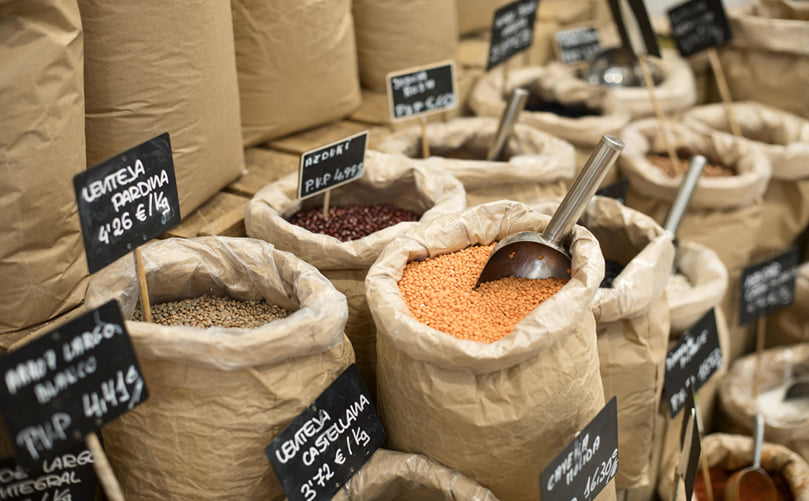
Minimal-Ingredient Legume Snacks Aligned with Clean Label Trends
Sustainability & Environmental Impact of Legume-Based Snacks
Legume-based snacks offer significant environmental advantages compared with animal protein–based alternatives, primarily due to their substantially lower carbon footprint. Pulses typically emit 80–90% fewer greenhouse gases (GHGs) than meat products. For example, cooked pulses generate approximately 0.1–0.8 kg CO₂e per kilogram, whereas beef production can emit 5–10 kg CO₂e per kilogram. Certain legumes, such as chickpeas and lentils, have particularly low emissions reported at around 0.27 kg CO₂e/kg positioning them as highly sustainable protein sources that support long-term food security.
A major agronomic advantage of legumes is their ability to fix atmospheric nitrogen through symbiotic relationships with Rhizobium bacteria. This natural process enriches soil fertility and can reduce reliance on synthetic nitrogen fertilizers by 50–100%, depending on the production system. Improved nitrogen availability enhances soil organic matter, supports regenerative agricultural practices and promotes biodiversity. Legumes also play a critical role in crop rotation systems; species such as peas and faba beans naturally replenish soil nutrients, reduce pest and disease pressure and help prevent soil degradation.
From a water-use perspective, pulses are among the most efficient protein crops. Their water footprint is approximately 50% lower than that of chicken or pork and up to ten times lower than beef. Many pulse crops are well adapted to semi-arid and rainfed conditions, requiring relatively little irrigation and making efficient use of available arable land. This efficiency contributes to water conservation and helps preserve farmland resources in regions facing increasing climate stress.
Overall, legume-based snacks align strongly with the principles of climate-smart agriculture. By reducing GHG emissions, improving soil health, conserving water and enabling a shift toward plant-based diets, pulses contribute meaningfully to the decarbonization of global food systems and the development of more resilient and sustainable agricultural value chains.
Market Trends & Consumer Demand for Legume-Based Savory Snacks
The plant-based snacking sector, including legume-based products, continues to demonstrate strong and sustained growth, driven by rising health awareness, sustainability concerns and demand for convenient nutrition. The global plant-based snacks market was valued at approximately USD 48–50 billion in 2024 and has recorded compound annual growth rates (CAGR) of around 7.9–8.9% in recent years. Within this space, pulse-based snacks such as pea, lentil and chickpea crisps or chips rank among the fastest-growing subcategories. Advances in extrusion and puffing technologies have significantly improved texture, taste and visual appeal, enabling many pulse-based segments to achieve double-digit growth rates.
Demand for high-protein snacks is a major growth engine. Snack formats that emphasize legumes as core ingredients are expanding at an estimated 5.8–7.0% CAGR, reflecting a consumer shift away from traditional high-carbohydrate snacks toward functional, nutrient-dense alternatives. Legume-based snacks delivering 15–25 g of protein per serving align well with consumer goals related to satiety, muscle maintenance and weight management. Surveys indicate that more than 50% of Millennials and Gen Z consumers follow or prefer high-protein diets, while around 40% actively seek plant-based protein sources such as beans, peas, and lentils.
Urbanization and increasingly busy lifestyles further support the category, as consumers gravitate toward portable, ready-to-eat formats such as puffs, bars and baked crisps that can replace or supplement meals. Millennials and Gen Z are particularly influential, prioritizing clean-label, sustainable, and functional foods that support gut health (via fiber), steady energy release (low glycemic index) and overall wellness. Notably, around 61% of Gen Z consumers report willingness to reduce meat consumption, accelerating demand for hybrid and plant-forward snack options. Their preference for bold flavors paired with clear nutritional benefits often amplified through digital and viral trends has helped sustain category growth both before and after 2020.
Global and Regional Growth Landscape for Legume-Based Snacks
North America and Europe remain the most established markets for legume-based savory snacks. North America accounts for a substantial share approximately 40–42% of plant-based snack consumption supported by mature health and wellness trends, strong innovation ecosystems and leading brands such as Hippeas and Biena that have popularized chickpea and lentil-based formats. Growth in the region has remained steady at 8–10% annually, driven by flexitarian diets, premium positioning and strong retail penetration. Europe follows closely, with growth underpinned by sustainability policies, widespread non-GMO preferences and regulatory support for plant proteins.
The Asia–Pacific region and emerging markets represent the fastest-growing opportunities, with projected CAGRs reaching up to 15% in plant-based snacks. Rapid urbanization, rising disposable incomes and expanding modern retail and e-commerce channels are accelerating adoption in countries such as China, India and Japan. Importantly, legumes already hold a strong cultural presence in traditional diets ranging from Indian namkeen (spiced pulse snacks) and Middle Eastern hummus-derived products to widespread use of lentils and peas across Asia making it easier to adapt these ingredients into modern puffed, baked or crisped snack formats.
India, as one of the worlds largest producers and consumers of pulses, is witnessing growing domestic innovation alongside increased availability of branded legume snacks. At the same time, countries such as Canada, a major global exporter of peas and lentils, play a critical role in supplying high-quality raw materials, supporting both regional consumption and export-driven growth. Collectively, these global and regional dynamics continue to accelerate the legume-based snack category, effectively blending traditional dietary familiarity with contemporary health and wellness demands.
Packaging Strategies and Shelf Life Optimization for Legume-Based Savory Snacks
Packaging for bean, lentil and pea-based savory snacks is designed to preserve product integrity, prevent spoilage and extend shelf life while meeting growing consumer expectations for convenience and sustainability. Core packaging requirements include strong moisture and oxygen barriers, as these products are susceptible to lipid oxidation, loss of crispness and textural softening due to their natural fat content and hygroscopic nature.
For roasted and extruded legume snacks, high-barrier materials such as metallized polypropylene (MPP) or multilayer laminate films (for example, PET/Al/PE structures) are commonly used. These materials typically provide water vapor transmission rates (WVTR) below 1 g/m²/day and oxygen transmission rates (OTR) below 1 cm³/m²/day, helping to retain crunchiness, flavor and aroma. Under ambient storage conditions, such packaging can support a shelf life of approximately 6–12 months, depending on formulation and storage environment.
Vacuum packaging and modified atmosphere packaging (MAP) are widely applied to further enhance stability. Nitrogen flushing, which reduces oxygen levels to below 1%, limits oxidative rancidity and microbial growth and can extend shelf life by 20–50% compared with air-filled packs. Research on legume-based chips and puffs also indicates that secondary shelf life (post-opening stability) can reach 3–4 weeks when appropriate barrier materials and resealable features are used, while maintaining acceptable texture and sensory quality.
In response to sustainability concerns, manufacturers are increasingly adopting recyclable and eco-friendly packaging solutions. Mono-material polyethylene (PE) films offer improved recyclability while still providing effective moisture and oxygen barriers. Compostable alternatives, certified under standards such as ASTM D6400, use materials including polylactic acid (PLA) or starch-based films that biodegrade under industrial composting conditions. Advances in these materials have enabled shelf stability comparable to conventional plastics, especially when combined with innovations such as edible internal coatings made from lipids or proteins that act as additional moisture barriers.
Portion-controlled packaging, including single-serve packs of 20–50 g, is also gaining popularity. These formats reduce food waste, limit oxidation exposure after opening and suit on-the-go consumption patterns. Shelf stability without the use of chemical preservatives is typically achieved through low water activity (a_w < 0.6) in roasted or extruded legume snacks, which naturally inhibits microbial growth. Accelerated shelf-life studies (for example, storage at 35°C and 75% relative humidity) confirm 4–6 months of stability for products such as roasted chickpeas or lentil puffs when stored in sealed, light-protected packaging.
Overall, effective packaging strategies are central to maintaining quality, extending shelf life and supporting sustainability goals in the rapidly growing legume-based snack category.
Simple Ingredients, Powerful Nutrition
Food Safety & Quality Standards for Legume-Based Savory Snacks
Food safety management in legume-based savory snacks requires a comprehensive approach that addresses allergen control, process-related contaminants, microbial risks and regulatory compliance. Allergen management is particularly critical, as pulses may be exposed to cross-contamination with major allergens such as peanuts, tree nuts or gluten during sourcing, storage or processing. Effective control measures include dedicated production lines, validated cleaning in place (CIP) systems and routine verification using analytical methods such as ELISA testing. These tests are commonly designed to detect allergen residues at levels below 5 ppm, supporting compliance with regulatory labeling thresholds and consumer protection requirements.
Another important safety consideration is acrylamide formation, a potentially carcinogenic compound generated during high-temperature processing (above approximately 120°C) through Maillard reactions, particularly in extrusion, roasting, or frying. Mitigation strategies include reducing free asparagine levels through enzyme treatments such as asparaginase, optimizing time–temperature profiles and incorporating formulation aids such as glycine or citric acid at low levels (around 0.1–0.5%). Collectively, these interventions can reduce acrylamide content by 30–70%, helping products meet benchmark levels established by authorities such as the European Food Safety Authority (EFSA), typically below 500 µg/kg for relevant snack categories.
Microbial safety in legume-based snacks is largely managed through control of moisture and processing conditions. Most roasted and extruded pulse snacks have a low water activity (a_w < 0.7), which limits the growth of pathogens such as Salmonella and Escherichia coli. Additional validation steps, including thermal treatments (for example, pasteurization at approximately 70°C for 10 minutes) and controlled storage conditions (below 25°C and 60% relative humidity), are applied to minimize microbial survival and mold development.
From a regulatory standpoint, compliance spans multiple jurisdictions. In India, the Food Safety and Standards Authority of India (FSSAI) specifies limits for contaminants such as mycotoxins (for example, aflatoxins in pulses) and mandates the implementation of HACCP-based food safety systems. In the United States, the Food and Drug Administration (FDA) enforces the Food Safety Modernization Act (FSMA), which emphasizes preventive controls, supplier verification programs and monitoring of hazards such as mycotoxins in imported legumes. In the European Union, EFSA oversees risk assessments related to processed pulse products, including novel food evaluations where applicable, substantiation of nutritional and health claims and compliance with GMO regulations.
Quality assurance standards complement food safety systems and include routine sensory evaluation (using structured hedonic or descriptive scales), accurate nutritional labeling and adherence to recognized certification schemes such as ISO 22000 or FSSC 22000. Enforcement mechanisms typically involve regulatory inspections, product sampling and penalties for non-compliance. In parallel, advances in processing such as fermentation or germination are increasingly used to reduce antinutritional factors like phytates, further aligning legume-based snacks with both safety and quality expectations.
Overall, robust food safety and quality frameworks are essential to ensuring consumer confidence, regulatory compliance and consistent product performance in the growing legume-based snack sector.
Challenges & Limitations in Legume-Based Snack Production
The production of legume-based savory snacks presents several technical, economic and market-related challenges that can affect product quality and consumer acceptance. One major issue is texture consistency, which is strongly influenced by variability in raw material composition. Differences in starch to protein ratios often varying by 10–20% across legume varieties or growing conditions can lead to inconsistent expansion during extrusion or excessive brittleness in baked products. While solutions such as precise ingredient blending, moisture control and rheological optimization are effective, they add formulation complexity and increase process control requirements.
Flavor management is another critical limitation. Legumes naturally contain compounds such as saponins and phenolics that contribute to beany or bitter off-notes. Mitigation strategies, including fermentation, germination, roasting or enzyme treatments, can significantly reduce these flavors; however, incomplete masking may still occur. Products that are not fully optimized often experience 15–20% lower sensory acceptance scores, particularly in flavor and overall liking, compared with well-balanced formulations.
The cost of protein enrichment also poses a challenge. Increasing protein content through the use of legume protein concentrates or isolates (typically containing 80–90% protein) involves energy-intensive processing steps such as alkaline extraction, precipitation and drying. These processes can raise overall production costs by 10–30%, limiting affordability and competitiveness, especially in price-sensitive snack markets.
Beyond technical and cost-related constraints, consumer education gaps remain a significant barrier to wider adoption. Awareness of the nutritional, environmental and functional benefits of legumes is still relatively low in many regions. Common misconceptions include beliefs that pulses are difficult to prepare, require long cooking times or cause digestive discomfort. Although snack formats help overcome some of these perceptions, targeted education and marketing initiatives are often necessary to improve understanding, build trust and encourage higher consumption.
Addressing these challenges requires a combination of ingredient standardization, process innovation, cost optimization and effective consumer communication to fully realize the potential of legume-based snacks.
Opportunities for Innovation in Legume-Based Savory Snacks
Legume-based snacks offer strong opportunities for innovation, particularly in the development of high-protein and functional product lines. The use of legume protein isolates and concentrates enables formulations delivering 20–30 g of protein per serving, supporting sports nutrition, active lifestyles and satiety-focused positioning. Advanced concepts such as dual fortification for example, combining iron with probiotics or vitamin C can enhance mineral bioavailability by 15–25%, improving the nutritional impact of these products.
Micronutrient fortification further expands functional appeal. Incorporating minerals such as zinc and calcium or vitamins such as B-complex and vitamin D, helps address common dietary deficiencies. At the same time, the integration of probiotics into extruded puffs or crisps, often through microencapsulation technologies, improves strain stability during processing and storage while supporting digestive health. These functional claims align closely with consumer demand for snacks that deliver benefits beyond basic nutrition.
Another key innovation pathway lies in hybrid snack formats. Blending legumes with vegetables (for example, pea–kale or chickpea–spinach chips) enhances fiber, micronutrient content and natural color, while combinations with grains (such as lentil–rice or chickpea–corn extrudates) improve texture, expansion behavior and amino acid balance. These hybrid formulations broaden sensory appeal and attract consumers seeking both nutrition and indulgence.
Significant growth potential also exists in premium and export-oriented product segments. Snacks positioned as organic, non-GMO, or clean label can command 20–50% higher price premiums in international markets. Export opportunities are particularly strong in regions such as Asia–Pacific and the Middle East, where demand for plant-based, high-protein and certified products continues to rise. Beyond human food, value-added applications of pulse fractions in pet food, aquaculture feeds and organic livestock nutrition present additional innovation avenues, enabling manufacturers to diversify revenue streams and maximize the value of legume raw materials.
Future Outlook and Growth Potential of Legume-Based Savory Snacks
Legumes are well positioned to play a central role in the transition toward more sustainable and resilient food systems. Their nitrogen-fixing ability reduces dependence on synthetic fertilizers, improves soil health and lowers greenhouse gas emissions, contributing meaningfully to the decarbonization of agriculture. These agronomic advantages, combined with growing environmental awareness, strengthen the long-term relevance of legumes in global food supply chains.
As plant-based diets continue to expand, legumes are increasingly expected to displace a significant share of conventional starch-based snacks. Industry projections suggest that legume-based products could replace 20–40% of traditional snack formats, driven by consumer demand for nutrient-dense, protein-rich alternatives. This shift is supported by the steady growth of the global legumes market, estimated at 5–7% compound annual growth, reflecting rising acceptance across both developed and emerging economies.
Beyond mainstream snacking, future growth will also come from specialized nutrition segments. In medical and wellness nutrition, legume-based formulations are being explored for diabetes management through low-glycemic-index products, as well as for sports and active nutrition, including high-protein recovery bars delivering around 25 g of protein per serving. The children’s nutrition segment presents additional opportunities, with fortified, visually engaging legume snacks designed to address micronutrient deficiencies and support healthy growth. Emerging research on specific pulse ingredients, such as navy bean–based supplements, further highlights potential benefits related to inflammation reduction and gut health in pediatric populations.
Looking ahead, continued innovation in processing technologies, improved flavor and texture optimization and stronger consumer education initiatives will be critical in accelerating adoption. Together, these advances are expected to consolidate legumes’ position as a cornerstone of eco-friendly, nutritious and functional snacking, supporting healthier diets and more sustainable food systems worldwide.