
Potato Protein: The Next-Gen Plant Powerhouse Transforming Global Nutrition
Potato protein, derived from the humble potato (Solanum tuberosum L.), is emerging as a high quality, plant based protein source with significant potential in food, pharmaceutical and technical applications. While potatoes are primarily known for their starch content, they contain a small but valuable protein fraction, typically 1-2% of their fresh weight, with potato fruit juice (PFJ) a by product of starch production containing about 1.5% protein.
Advances in extraction techniques and growing interest in sustainable, allergen free protein sources have positioned potato protein as a promising alternative to animal based and other plant based proteins. The global market for potato protein was valued at around USD 208.85 million in 2024 and is projected to reach approximately USD 350.71 million by 2034, growing at a CAGR of 5.32%, driven by the rising vegan population, awareness of plant based diets and biotechnological innovations in extraction.
This growth is further fueled by the organic segment, growing at a 10.37% CAGR due to clean label demand, with isolates (≥90% protein) leading at an 8.71% CAGR. This overview explores its nutritional profile, functional properties, extraction methods, applications, market trends and challenges, providing a detailed look at its role in modern food systems.
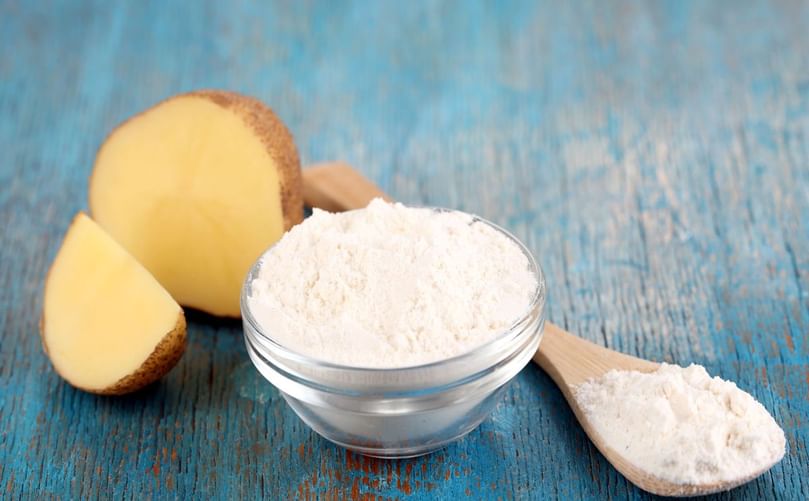
Potato Power: From Farm Fresh Tubers to High-Value Protein
What Is Potato Protein? A Quick Refresher with Fresh Insights
Potato protein is a high quality, plant-derived protein extracted primarily from potato fruit juice (PFJ) the liquid left over after industrial starch extraction. Although potatoes contain only 1–2% protein, PFJ offers a concentrated and easily recoverable source. Nutritionally, potato protein stands out with a PDCAAS score of 0.92–1.00, placing it on par with several animal proteins in terms of amino acid balance and digestibility. It is non-GMO, gluten-free and hypoallergenic, making it suitable for diverse dietary needs and clean label formulations.
Emerging research is also turning attention toward potato peels, a previously overlooked byproduct containing 8–17% protein (dry weight). These peels are rich in two major protein classes: patatin (30–60%), the primary storage protein, and protease inhibitors (20–50%), which offer both nutritional and functional benefits. This represents an expanding opportunity for full valorization of potato processing waste.
One of the most characteristic stages in potato protein extraction is the formation of the “goo phase” a curd-like precipitate produced through controlled heat-acid coagulation. This viscous intermediate is then washed, refined and dried to yield an 80–95% pure protein powder. The process exemplifies the transformation of an industrial byproduct into a high value ingredient, reinforcing potato proteins role as a sustainable, upcycled innovation in modern food systems.
Potato Protein vs Soy, Pea and Whey Protein
Potato protein is a high-quality plant-based protein with strong functional properties, but it differs from soy, pea and whey proteins in nutrition, functionality, digestibility, and sustainability. Compared to soy protein, potato protein is more hypoallergenic and gluten-free, making it suitable for sensitive consumers, but soy generally has higher protein availability and better affordability at large scale. Soy also has a more established global supply chain, while potato protein is still emerging from starch industry byproducts.
When compared to pea protein, potato protein shows superior functional performance in emulsification, foaming and gel formation due to patatin-rich fractions. Pea protein, however, is more widely used in mainstream plant-based meat products because of lower cost and better flavor neutrality. Potato protein has a cleaner label advantage but faces sensory challenges such as bitterness in peel-derived fractions.
Against whey protein, potato protein is nutritionally competitive in terms of amino acid balance and digestibility, with a PDCAAS close to high-quality animal proteins. However, whey still dominates in sports nutrition due to faster absorption, higher leucine content and stronger muscle protein synthesis response. Potato protein, on the other hand, offers a vegan, allergen-free alternative with strong sustainability benefits.
Overall, potato protein stands out for its functional properties, sustainability profile and allergen-free nature, while soy and pea dominate in cost and scalability, and whey leads in performance nutrition.
Nutritional Profile: Fuel for Body and Beyond
Potato protein is recognized for its high nutritional quality, comparable to animal proteins like egg or milk. It contains a well-balanced amino acid profile, rich in essential amino acids such as lysine, threonine and leucine including high levels of branched chain amino acids. Lysine in particular is present in higher concentrations than in many other plant based proteins, such as cereals, with content ranging from 2.99 to 7.77 mg/g across accessions, while aspartic acid and glutamic acid average 19-26 mg/g.
Cysteine and methionine are the least abundant (around 0.7 mg/g) and total non-essential amino acids often exceed essential ones, with environmental factors accounting for over 40% of variance. This low protein content, however, contrasts with legumes (over 20%), posing scalability challenges.
The biological value is high, with an amino acid score (AAS) of approximately 65% and a Protein Digestibility Corrected Amino Acid Score (PDCAAS) of 0.93, indicating effective human nutrition, though it lags behind whey or soy in some essential amino acids. Protein quality is influenced by nitrogen fertilizer use higher applications increase overall nitrogen but lower essential amino acid concentrations, reducing quality.
Bioactive Properties: Health Heroes in Disguise
Potato protein offers far more than basic nutrition; it is a rich source of bioactive peptides that demonstrate significant therapeutic potential across multiple health domains. Antioxidant activity is particularly notable, with peptide fractions showing 70–90% free-radical inhibition in DPPH assays, effectively reducing oxidative stress. Several peptides also exhibit antihypertensive properties, including ACE-inhibitory sequences such as DIKTNKPVIF, which have demonstrated blood-pressure lowering effects in controlled studies.
In addition, potato-derived peptides display antidiabetic and anti-inflammatory actions by inhibiting key enzymes like α-amylase often achieving up to 80% inhibition and suppressing COX-2 activity, which helps stabilize glucose levels and reduce systemic inflammation. Some fractions also show promising anticancer and antimicrobial behavior, with patatin-rich extracts capable of disrupting bacterial membranes and triggering apoptosis in certain cancer cell models.
Peel-derived peptides further enhance this profile with documented anti-obesity and hypocholesterolemic effects, making them valuable candidates for heart-health, metabolic-health, and immune support nutraceutical formulations. Techniques such as ultrasound-assisted extraction and targeted enzymatic hydrolysis amplify these bioactivities, and in vivo rodent trials consistently demonstrate improvements, including a 15–20% reduction in circulating cholesterol.
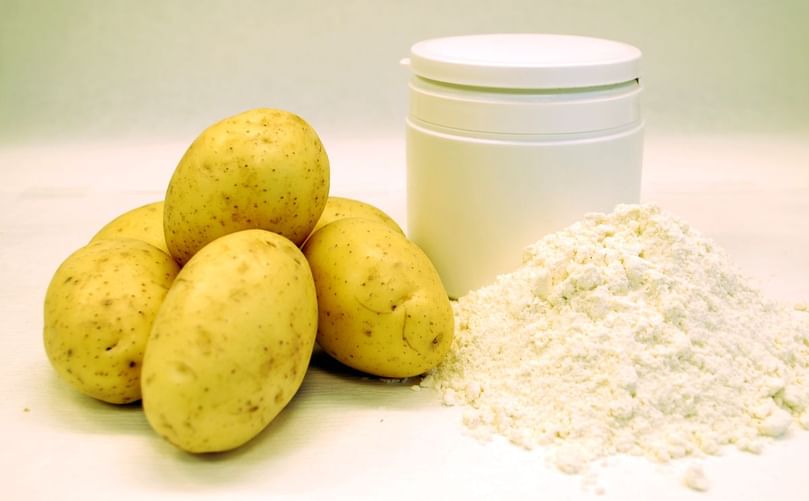
Potato Protein: The Hidden Nutritional Gold Inside Every Tuber
Traditional Extraction from Potato Fruit Juice (PFJ)
Rasping and Release of PFJ: Extraction begins by washing and rasping fresh, high-starch potatoes often industrial cultivars such as Ranger Russet using high-speed raspers fitted with sharp rotating blades. This mechanical disruption breaks open the parenchyma cells, releasing a slurry containing starch granules, fibrous residues and the nutrient-dense potato fruit juice (PFJ), which consists of 80–90% water along with soluble proteins, sugars, salts and amino acids.
Starch and Juice Separation: The generated slurry is directed through vibrating sieves, hydrocyclones, or centrifugal decanters to separate the fibrous solids from the PFJ and starch milk. Starch settles as heavier granules, while the clarified PFJ remains as a protein-rich, milky liquid dominated by patatin and protease inhibitors.
Protein Coagulation: The “Goo” Phase, Protein recovery centers on heat acid coagulation. The PFJ is heated to 60–80°C and carefully acidified to pH 4–5 using food-grade acids such as citric or sulfuric acid. At this isoelectric point, protein solubility drops dramatically, causing the proteins to aggregate into a soft, curd-like mass the characteristic “goo.” This step mirrors traditional dairy curdling and achieves highly efficient recovery, pulling 85–95% of the protein from the juice in just minutes.
Washing and Purification of the Protein Mass: Once the goo forms, it is separated from the liquid phase using centrifugation or decantation systems. The resulting protein curd is washed repeatedly to remove pigments, sugars, salts and phenolics that can affect color and flavor. Modern purification employs gentle, water efficient washing cycles that preserve the functional integrity of patatin-rich fractions.
Ultrafiltration and Color Improvement: Advanced extraction setups may implement ultrafiltration with hollow-fiber membranes of 10–50 kDa cutoffs, enabling selective retention of native protein structures while removing low-molecular-weight impurities. Adsorption resins such as polyvinylpolypyrrolidone are occasionally incorporated to capture polyphenols responsible for browning, improving color stability and increasing overall yield by 10–15%.
Drying into High-Purity Potato Protein: The purified protein concentrate is converted into a shelf-stable ingredient via spray drying at around 150–180°C. This yields a fine powder ranging from 80% to 95% protein, depending on the application. For premium nutraceutical or bioactive uses, freeze-drying is preferred due to its ability to preserve thermosensitive peptides and maintain native structure.
Strengths, Limitations, and Industrial Relevance: PFJ extraction remains the cornerstone of commercial potato protein production due to its cost-effectiveness and reliance on existing starch-processing infrastructure. Factories across Europe and North America process millions of tons annually, making the system highly scalable.
However, thermal steps can partially denature proteins, reducing foaming or gelling capacity by 10–20% compared to native states. Despite this, PFJ extraction continues to dominate the market, especially for food applications where consistency, safety and scalability are paramount.
Emerging Extraction from Potato Peels: Unlocking Wastes Potential
Potato peels, often discarded or ensiled after industrial processing, represent a promising and underutilized source of high-quality protein. With a Extracting potato protein content of 8–17% on a dry-weight basis, peel-derived protein can closely match or even surpass potato fruit juice (PFJ) extractions when optimized properly. The challenge lies in the peel’s tough lignocellulosic structure and its higher levels of antinutrients such as glycoalkaloids. However, with proper pretreatments such as blanching in sodium bisulfite to prevent oxidation peels become an efficient substrate for protein extraction and valorization.
Thermal and Acidic Precipitation: In conventional extraction, potato peels are finely ground, suspended in water, and processed at elevated temperatures between 70–90°C while simultaneously adjusting the pH to around 4–5. This combination solubilizes and coagulates the target proteins, enabling recovery rates that can reach up to 90%. Although this method is simple and highly scalable, the heat and acid conditions can partially denature sensitive proteins, reducing functional properties such as foaming and gelling by 20–30%. Even so, it remains a reliable option for large-scale extraction, especially when enhanced with controlled heating or mild enzymatic assistance.
Salt and Ethanol Precipitation: Salt extraction followed by ethanol or calciumbased precipitation offers a more tunable alternative. Sodium chloride at low molarity helps solubilize proteins, after which ethanol levels of 40–80% or divalent ions such as calcium chloride are used to induce precipitation. Depending on the specific ratios and process conditions, yields can vary from 30–98%, with purity levels reaching as high as 85%. Because ethanol disrupts hydrophobic interactions gently, protein bioactivity is preserved more effectively. The main drawback is the added cost and infrastructure required for solvent recovery, which influences commercial viability.
Enzymatic Hydrolysis: Enzymatic extraction provides a cleaner and more targeted approach. Using proteases such as Alcalase or Flavourzyme at controlled temperatures, enzymes hydrolyze cell walls and release both free and bound proteins without causing structural damage. Yields generally fall between 63–75%, with the added advantage of improved digestibility by 15–20%. This technique is especially suited for producing bioactive peptide fractions used in nutraceuticals, though it may not always yield intact isolates preferred for food texturization.
Advanced Extraction Technologies: Modern extraction technologies are rapidly enhancing the value of peel-derived protein. Deep eutectic solvents (DES), such as choline chloride paired with urea, offer a green and recyclable option capable of dissolving lignin and enabling protein recoveries of 70–85%. These systems also enhance solubility, making the resulting proteins suitable for functional beverages. PEGylation, although primarily at the research stage, modifies proteins post-extraction to improve solubility and bioactivity through controlled grafting of polyethylene glycol molecules. Ultrasound-assisted extraction uses high-intensity sound waves to generate cavitation that disrupts the peel structure, improving yields by 20–30% while maintaining functional integrity. Pulsed ultrasound, in particular, has been shown to boost foaming capacity and integrate well with pH-shift techniques for enhanced digestibility.
Refinement Through Filtration and Chromatography: After primary extraction, protein purification can be significantly improved through membrane filtration systems and chromatographic techniques. Microfiltration, ultrafiltration, and nanofiltration help concentrate proteins and remove impurities, while ion-exchange and size-exclusion chromatography refine purity further, achieving levels from 37–82%. When used together in hybrid systems, these techniques can produce proteins with purities exceeding 95%, suitable for specialized food, pharmaceutical, and biomaterial applications.
Toward a Cascading Biorefinery Model: Potato-peel extraction aligns perfectly with zero-waste biorefinery concepts. Once proteins are removed, the remaining fibrous biomass can be directed toward anaerobic digestion, generating up to 300 m³ of biogas per ton of residue. Alternatively, the fibers can be repurposed into biodegradable materials, textile reinforcements, or feed components. This cascading use of peels multiplies value recovery by two- to threefold, creating an integrated and sustainable processing model that enhances both economic efficiency and environmental outcomes.
From Patatin to Plant-Based Innovation: The Functional Power of Potato Protein
Potato protein exhibits excellent functional properties, including emulsibility, foamability and gelation, stemming from fractions like patatin (30-40%), protease inhibitors (40-50%) and other proteins (10-15%). Patatin, soluble at pH 4.8–5.2, supports emulsifying and foaming in beverages, dairy alternatives and gluten free baked goods, with solubility enhancing use in acidic environments like fruit juices.
Proper fractionation yields high solubility, good foam overrun and firmness equal to or better than egg albumin, though its globular structure limits functionality compared to animal proteins. Enzymatic hydrolysis with papain or bromelain improves solubility and emulsibility by unfolding the protein structure.
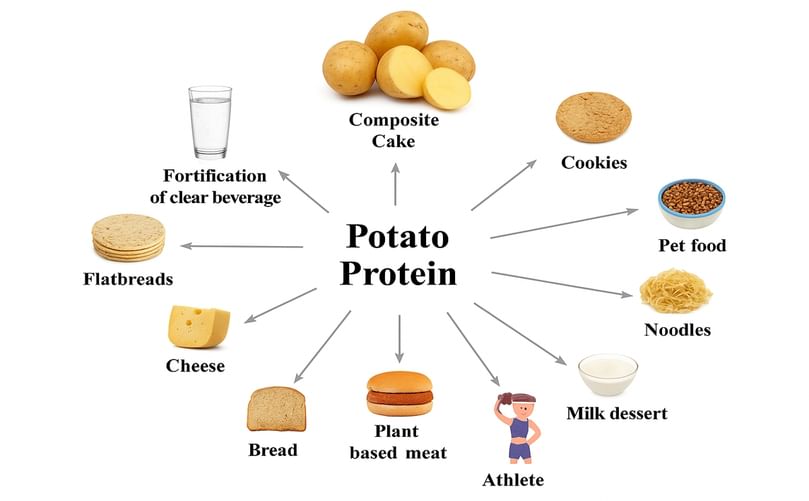
Applications of Potato Protein in Food and Industry
Recent studies explore combining it with cellulose microfibrils for double network gels, where thermal denaturation boosts storage modulus, reducing the protein needed for gelation benefiting plant based yogurts and meat analogs. Extrusion technology and moisture optimization are being researched to enhance physicochemical properties, though pH changes can impair functionality.
Applications: Powering Plant-Based Innovation
Potato protein has emerged as a versatile functional ingredient across modern food systems, thanks to its natural emulsifying, foaming and gelling abilities that support clean-label, high-performance formulations. In plant-based meat analogs, it performs exceptionally well as both a binder and texturizer. Loryma’s Lory® Tex based on potato protein enhances juiciness and fibrous bite in vegan sausages and patties, enabling meat-like structures without relying on soy or pea isolates. Research efforts also reinforce its value; one study formulated potato-protein-dominant burgers containing a 70% potato protein blend enriched with iron sources such as ferritin from lupine sprouts or ferrous sulfate, along with potato or oat fibers. These prototypes delivered 20–22 g of protein per 100 g, achieved 95% digestibility and demonstrated a tenfold increase in antioxidant activity following digestion, all while scoring highly for aroma and taste. Such results make potato-protein meat analogues highly attractive for vegan diets, particularly those addressing iron deficiency.
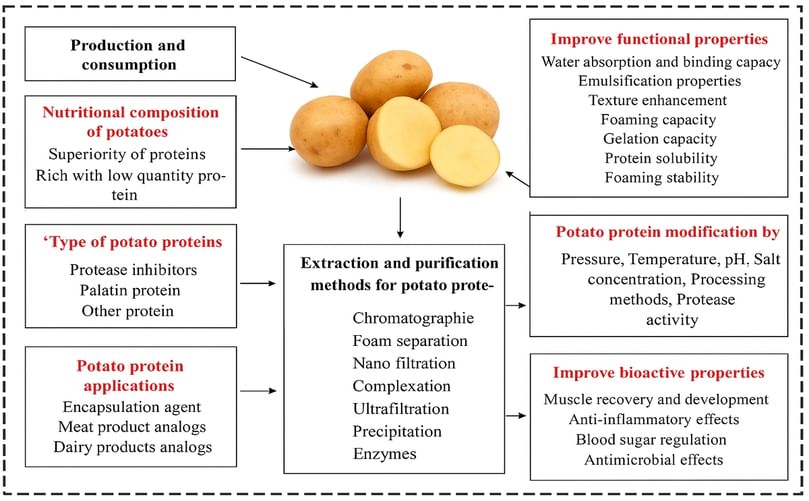
Potato Protein: Composition, Extraction and Functional Properties
Dairy-Free and Functional Applications: In dairy-free innovations, potato protein contributes to smooth, creamy textures in products like yogurts, spreads, and vegan cheeses. Avebe’s Solanic® line exemplifies this potential, enabling the development of a dairy-free Parmesan analogue crafted from potato protein and starch. This version delivers a subtly “potato-umami” character and maintains the grating performance expected from conventional cheeses, making it suitable for pasta and other culinary uses. Bakery applications also benefit from its foaming capabilities, which support gluten-free leavening and batter stability. Solutions such as KMC’s Protamylasse™ enhance the volume and texture of cakes and breads, while Roquette’s isolates fortify protein bars with slow-release protein functionality.
Beverage manufacturers utilize potato protein for its clarity and solubility, enabling its inclusion in protein waters, recovery drinks, and clean-label shakes. Its emulsifying capacity also makes it suitable for egg-free dressings and vinaigrettes that require long-term stability without synthetic additives.
Emerging Industrial and Commercial Case Studies: Commercial partnerships and product launches illustrate the rising influence of potato protein in the food industry. Branston’s collaboration with Root Extracts led to the development of the UK’s first potato-based vegan burger line, noted for its meat-like chew and competitive sensory performance against beef patties. In sports nutrition, Tereos introduced Peptigel® PP, which incorporates potato-derived peptides into gels and bars formulated for muscle recovery. Manitoba Starch’s ProTerra™ line extends these applications into staple foods such as pasta, increasing both fiber and protein by utilizing peel-derived ingredients.
Beyond food, potato protein also finds roles in edible packaging films, biodegradable coatings, and animal feed formulations. However, food applications continue to dominate due to strong consumer demand for plant-based, allergen-friendly proteins. Peel-derived peptides are increasingly investigated for their incorporation into antioxidant-enriched snacks, including chips and popped products, adding functional benefits without compromising taste.
Shaping the Future of Functional Foods: Overall, the expanding suite of applications from gourmet dairy-free foods to performance nutrition and sustainable packaging highlights potato protein’s unique ability to bridge indulgence, functionality, and nutrition. With ongoing R&D exploring microgel forms, optimized delivery systems, and improved interface behavior, potato protein is poised to become a central platform ingredient in the next generation of functional and plant-based foods.
Sustainability: A Green Thumb Advantage
Potato protein stands out as one of the most environmentally efficient plant proteins, rooted in the potatoes natural resourcefulness. Potatoes require only 250–500 liters of water per kilogram, roughly one-third that of soy, which commonly exceeds 900 liters. Their inherent disease resistance also reduces reliance on pesticides, making cultivation both eco-friendly and cost-effective. The sustainability advantage grows further through upcycling: extracting protein from potato fruit juice (PFJ) and peel waste diverts thousands of tons of byproducts from landfills each year, significantly lowering methane emissions across Europe and beyond.
Lifecycle analyses demonstrate its exceptional performance, with potato protein generating 2.71 kg CO₂-eq per 100 g protein, far below dairy-derived whey (4–5 kg) and drastically lower than beef, which reaches nearly 50 kg. While soy sits close at 1.98 kg CO₂-eq, potatoes outperform it in water and land efficiency, especially in cooler regions where yields are higher and inputs lower. This environmental profile positions potatoes among the most sustainable protein sources available. They produce three to four times more protein per hectare than soy, adding value without contributing to deforestation pressures associated with soybean expansion in tropical regions.
Integrated biorefinery models amplify this circularity: peel streams can be converted simultaneously into protein ingredients and biogas, achieving near-zero waste while improving energy self-sufficiency. Certifications under strict EU organic and non-GMO frameworks reinforce its green credentials, supported by studies indicating up to 50% emission reductions when valorized processing streams are fully optimized. As climate resilience and circular production become central to food-system innovation, potato protein emerges as a future ready, earth-smart ingredient that aligns nutrition with ecological responsibility.
Market Trends & Global Demand: Surging Toward Mainstream Adoption
The global potato protein market is undergoing rapid expansion as demand for sustainable, plant-based ingredients intensifies across food, nutrition and functional product categories. Valued at approximately USD 208.85–216.7 million in 2023–2024 the sector is projected to climb to USD 333.4–510.10 million by 2030, supported by a steady 5.3–6.4% CAGR. This growth is driven by rising veganism, heightened health awareness and renewed interest in resilient supply chains amid climatic disruptions.
Clean-label trends remain dominant as the food and beverage sector accounts for 51–54% of total market share, propelled particularly by plant-based meat applications exhibiting an 8.0% CAGR. High-purity protein isolates (≥90%) represent the fastest-growing category at 5.6–8.7% CAGR, boosted by innovations such as cell-culture enrichment and AI-assisted extraction that lift protein content and functionality.
Europe leads the global landscape with nearly 60% market dominance, leveraging strong starch-processing infrastructure and stringent sustainability frameworks to maintain a 5.8% CAGR. North America follows with 3.2–5.5% growth, supported by sports nutrition and allergen-free formulations, while Asia-Pacific remains the fastest-accelerating region at 7.6% CAGR, underpinned by expanding supplement use and rising potato cultivation.
Demand also parallels the 20% annual growth in vegan food markets and the surge in protein-fortified snacks. Organic potato protein continues to outpace conventional variants at 10.4% CAGR, driven by premium health positioning and consumer preference for clean farming inputs. Emerging global themes include zero-waste valorization of peels, biotechnology enhanced extraction and sustainability-aligned ingredient traceability factors positioning potato protein as a long-term alternative to volatile animal protein supply chains.
The market growth is reinforced by leading ingredient manufacturers with robust R&D investments. Coöperatie Avebe U.A. (Netherlands) dominates European markets with its Solanic® series, offering high-functionality isolates tailored for vegan dairy and bakery applications, supported by advanced flavor-masking research. Tereos Group (France) strengthens its role through Peptigel®, targeting sports nutrition and plant-based meat textures, complemented by Loryma’s Tex line for fibrous meat analogues.
Roquette Freres (France) leads in high-purity isolates for beverages and supplements, focusing on hypoallergenic performance, while KMC Ingredients (Denmark) continues to elevate gluten-free bakery through its foaming-optimized Protamylasse™ range. New players such as Ingredion Incorporated, which expanded U.S. manufacturing capacity in 2024, and startups like Awevo Foods, creators of potato-protein liquid eggs, are contributing to increased global visibility. With top companies jointly investing over USD 50 million in partnerships and technology, the sector is transitioning from niche upcycling to a central pillar of the sustainable protein economy.
Did You Know?
- The 1.5% protein content in potato fruit juice is much lower than legumes (over 20%), requiring large volumes for commercial use, as noted by AURI.
- High nitrogen fertilizer boosts protein quantity but reduces essential amino acid quality, impacting nutritional value.
Challenges and Limitations: Room for Growth
Although potato protein continues to gain momentum as a functional, plant-based ingredient, several challenges still limit its widespread adoption and commercial scalability. The first barrier lies in raw material characteristics. Potato fruit juice contains only 1–2% protein, making concentration highly energy-intensive, while peel streams though richer still pose extraction inefficiencies, with yields often falling below 75% without highly optimized processes. Enzymatic extraction offers strong sustainability benefits but significantly raises production costs; proteases such as Alcalase can increase processing expenses by 20–30%. Membrane filtration adds another obstacle, as phenolic compounds trigger membrane fouling that reduces filtration efficiency by 15–20%. Browning caused by polyphenol oxidase further complicates processing, darkening the final product unless antioxidants, vacuum treatments or controlled atmospheres are applied. Meanwhile, heat–acid coagulation can denature proteins, diminishing foaming and gelling capabilities by as much as 40%.
Sensory and Quality Constraints: Flavor remains a critical concern. Potato-derived proteins and peptides, especially those sourced from peels, often carry bitterness from alkaloids and processing-induced off-notes, negatively influencing sensory scores. Hydrolysis intensifies these flavors, making palatability a key limitation. Emerging solutions such as controlled fermentation have shown promise reducing bitterness by nearly 60% and blending with neutral-tasting proteins improves overall acceptability. Still, achieving consistent, clean flavor profiles remains a hurdle for mainstream product developers.
Safety, Bioavailability and Regulatory Issues: Safety considerations also shape the ingredient commercial trajectory. Glycoalkaloids such as α-solanine and α-chaconine must be strictly controlled, as levels above 3–5 mg/kg can be toxic, requiring careful heat treatments and purification protocols to ensure compliance. Bioavailability poses another challenge, with several studies indicating that potato-derived peptides lose up to half their activity following digestion, diminishing their functional impact in vivo. On the regulatory front, global inconsistencies create uncertainty; while the FDA grants GRAS status to potato proteins, EU regulations maintain stricter limits on peel-derived ingredients, complicating market alignment across regions.
Economic and Market Barriers: Cost competitiveness continues to hinder large-scale penetration. Potato protein often prices at two to three times the cost of pea protein due to higher processing demands, specialized equipment, and dependence on seasonal starch production streams. This supply chain variability disrupts year-round availability. Additionally, the market perception of potato protein as a “waste-derived” ingredient slows consumer acceptance compared to more familiar plant proteins like pea and soy. With established competitors dominating the plant-protein sector, potato protein must differentiate itself through functionality rather than price.
Innovation Pathways and Future Opportunities: Despite these obstacles, innovation is steadily reshaping the landscape. Projects such as proPOTATO have demonstrated that optimized hydrolysis can achieve yields approaching 90%, while deep eutectic solvents (DES) reduce energy use by nearly 30% and enhance protein integrity. Integrated biorefinery models that combine peel, starch and energy recovery streams are improving economic feasibility by extracting multiple high-value products from a single raw material. Advances in bitterness-reducing enzymes, standardized antinutrient regulations and improved purification technologies signal a future where potato protein can compete more strongly in global markets. Collectively, these advancements position potato protein for broader breakthroughs as cleaner, more cost-efficient and flavor-forward variants enter the industry.